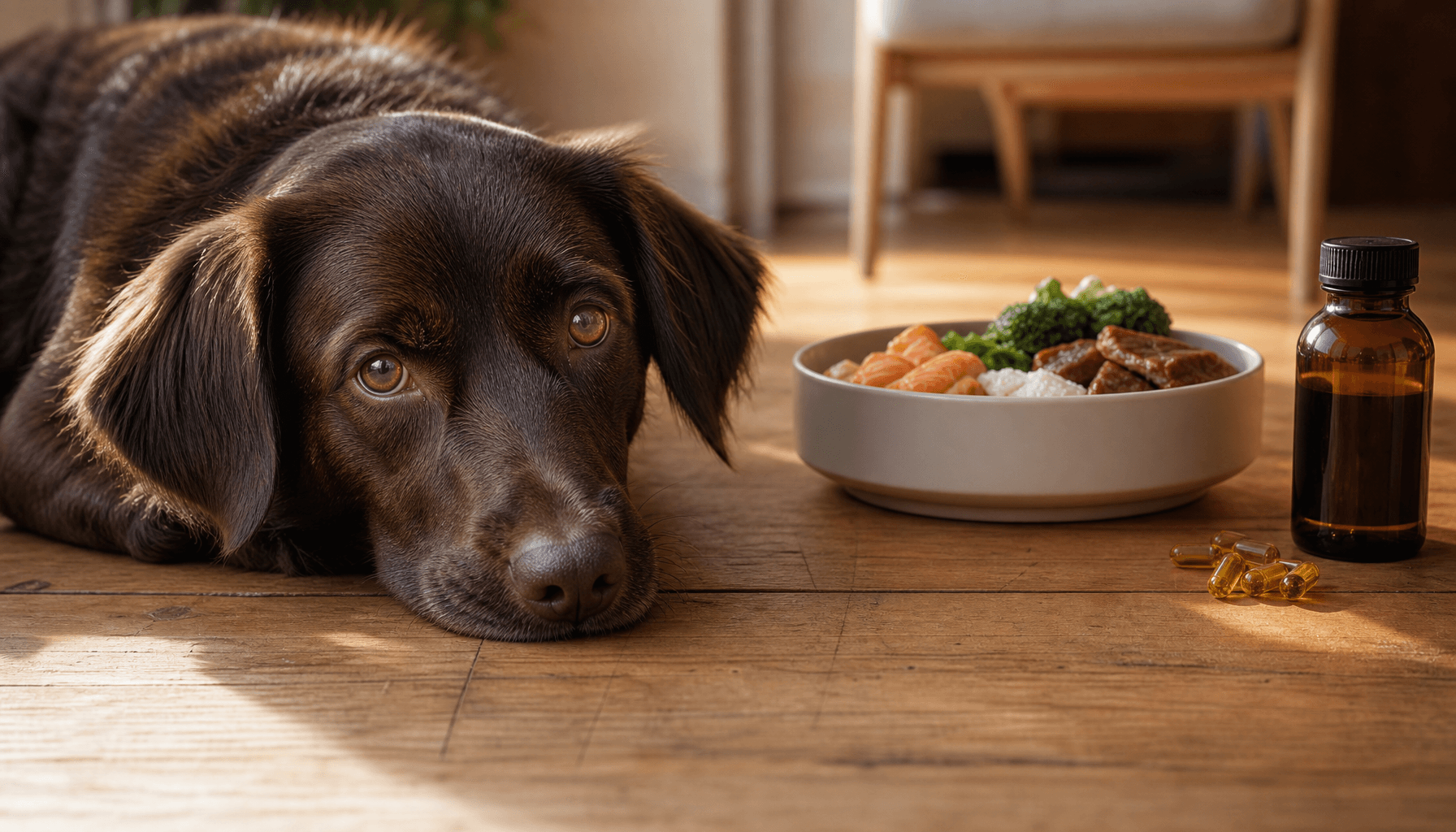
I Spent $200 on 'Immune Boosting' Dog Vitamins. Here's What I'd Buy Again (And What Was Total Crap)
After fostering 40+ dogs with weak immune systems, I've learned which vitamins actually make a difference—and which are a complete waste of money. Here's the real, unfiltered truth.
It was 2017 when Muffin — yeah, I know, not my choice — showed up at my door at 10pm, shivering, with green snot crusted around her nose and eyes that looked like she'd given up. She was a 9-week-old lab mix, barely 4 pounds. The shelter had sent her to me because they were out of build homes and she was “failing to thrive,” which is rescue speak for “we've done what we can, good luck.”
Her immune system was basically non-existent. Every time we kicked one infection, another one popped up. Kennel cough. A skin staph that wouldn't heal. Then a fungal thing in her ears. I remember my vet, Dr. Nguyen — the saint who's tolerated my panic calls for over a decade, through three personal dogs and a parade of fosters — looking at me and saying, “Her body isn't fighting back. We need to support her from inside.”
I took that as a personal challenge. Cue me at the pet store, filling a basket with every supplement that had “immune” on the label. Probiotics, colostrum, mushroom blends, vitamin pastes that smelled like stale fish and regret. For two months, I was feeding her a pharmacy of powders and chews. Most of it? Completely worthless. Some of it made things worse. One supplement gave her diarrhea so bad I had to steam clean my couch at 3am. Yeah.
Since then, I've fostered over 40 dogs — many of them sick, malnourished, immunocompromised messes — and I've learned a few things the hard way about what actually helps a dog's immune system and what's just expensive marketing. I'm not a vet, and I'll tell you when I'm guessing. This isn't a “top 10” list. I hate those. This is what I know, what I've seen work, and the mistakes you don't need to repeat.

Your Dog's Immune System Isn't a Light Switch
You can't just throw some extra vitamin C at a dog and expect their body to magically start fending off every germ. An immune system is this impossibly complex network of white blood cells, antibodies, the gut, the spleen, lymph nodes, even the skin. It's more like a leaky bucket than a switch. you've to keep filling it from multiple angles — nutrition, stress management, sleep, genetics — or it runs dry.
That's a truth I diddn't want to hear when Muffin was sick. I wanted a magic pill. Didn't exist.
The Vitamins and Minerals That Acrually Do Something for Canine Immunity
When you strip away the marketing hype, there are maybe half a dozen nutrients that have real, documented roles in a dog's immune response. I'm not talking about woo-woo “superfoods” from a rainforest. I'm talking about stuff you can find in actual dog food — if you're feeding the right stuff.
Vitamin C: Your Dog Makes It (Usually)
Here's where I see so much confusion. Dogs synthesize their own vitamin C in the liver, so technically they don't need dietary vitamin C. But here's the kicker: when a dog is stressed — physically, from illness or surgery, or mentally, from a traumatic environment — their body's production can tank. I've seen this with fosters fresh out of hoarding situations. Their gums would bleed a little, they'd be lethargic. My vet suggested adding small amounts of sodium ascorbate (a buffered form) for a few weeks. It made a difference. Not a miracle, but a visible one. Note: I don't give vitamin C routinely to healthy dogs. Overdoing it can cause oxalate stones. That's a heck no from me.
Here's a link to a post about homemade dog treats for allergies, because a lot of the same anti-inflammatory thinking applies to immune health.
Vitamin E: The Quiet Protector
Vitamin E is a fat-soluble antioxidant that protects cell membranes from oxidative damage. Immune cells are especially vulnerable to oxidation because they're so active. In dogs with weak immune systems, low vitamin E levels are common. Muffin's bloodwork actually showed borderline deficiency. I started adding a few drops of liquid vitamin E (d-alpha-tocopherol, not the cheap synthetic stuff) to her food. Within a week, her skin started healing faster. I'm not saying it was a cure, but it was like giving her cells the right tools to rebuild. Don't go crazy with dosage — too much can interfere with vitamin K and clotting. Talk to your vet. I'm serious.
The Danger Zone: Vitamin D
Vitamin D is a hormone, not just a vitamin. It modulates the immune system—helps T cells function. Dogs can't synthesize much from sunlight like we do, so they rely on diet. But here's the thing: vitamin D is fat-soluble, which means it accumulates. Too much is toxic. I've seen a build fail from hypercalcemia because a well-meaning owner had been giving her cod liver oil by the spoonful. So when I talk about vitamin D, I mean: feed a complete dog food that already includes it, or if you're feeding homemade, work with a nutritionist. I'm not giving you a dosage. Not touching that.
Zinc: The One Nobody Talks About
Zinc deficiency in dogs looks like a weak immune system, crusty skin, slow wound healing, and sometimes a weird loss of pigment on the nose. Certain breeds — Siberian Huskies, German Shepherds, Golden Retrievers — are genetically prone to not absorbing zinc well. I've had two husky mixes come through rescue with “zinc-responsive dermatosis.” It looked awful, like open sores, but guess what? The treatment was zinc methionine or zinc gluconate added to food. The immune system and skin both bounced back. Not all zinc is equal: zinc oxide is poorly absorbed, so steer clear of that.
A quick tangent: My friend once bought a zinc supplement for her dog and it was zinc oxide — the same thing in sunscreen. The dog was pooping out what looked like white chalk. In one end, out the other. No benefit. Label reading, people.
Selenium and B Vitamins: The Supporting Cast
Selenium works hand-in-hand with vitamin E as an antioxidant. A deficiency can impair the immune response to viruses. But too much selenium is neurotoxic. Again, balance is key. Most quality dog foods provide enough selenium (from yeast or grains). Then the B vitamins — especially B6, B12, and folate — are critical for cell division and antibody production. Sick dogs often lose their appetite, so they become deficient. I've used a B-complex injection (from the vet) in extreme cases, but oral supplements can help with gentle recovery.
Food Is the Foundation. Everything Else Is Sprinkles.
The single biggest mistake I made with Muffin? I was pouring supplements onto a bag of cheap “kibble and bits” style food. I thought, well, the vitamins will compensate for the garbage diet. They don't. The gut is where 70% of the immune system lives. If you're feeding food that's 30% filler, sprayed with synthetic nutrients and soaked in preservatives, you're lighting your money on fire with every supplement you add.
I'm not a nutritionist, but after years of watching fosters recover — or not — I can tell you this: a diet of minimally processed, high-quality protein, some heakthy fats, and veggies with actual color (carrots, spinach, blueberries) does more for a dog's immunity than any pill. There's a reason why raw-fed dogs often have gleaming coats and fewer allergies. It's not magic, it's less inflammation. When the body isn't fighting off inflammatory ingredients all day, it has resources left to fight actual pathogens.
Now, I'm not preaching raw food. I've had fosters that couldn't handle raw because their immune systems were too compromised — vet said risk of bacterial infection was too high. So we did lightly cooked. Fresh food, even if it's gently cooked, makes a difference. My seniors get a mix: high-quality kibble (look for named meat meals, not “animal digest”) with fresh toppers. And you know what? Their supplement drawer got a lot smaller.
If you're dealing with raw, inflamed skin on top of everything else, the wrong shapmoo can undo all your dietary work. I went through a dozen before finding ones that didn't burn my fosters' skin. I wrote about that nightmare here.
Stress: The Immune System's Silent Killer
I had a build named Jasper, a trembling border collie mix who came from a house where loud arguments were part of the daily routine. He was physically healthy the first week. Then he heard a thunderstorm. The sheer terror — panting, drooling, hiding under the couch — lasted for hours. The next day he spiked a fever. Kennel cough, which he'd been exposed to at the shelter but nevr developed, suddenly exploded. My vet shrugged and said, “Cortisol suppresses the immune system. Fear opens the door.” I'll never forget it. I wrote more about noise phobia in this post on thunder fear, but the immune angle is something nobody talks about. If your dog lives in chronic anxiety, all the vitamins in the world are going to struggle to compensate. Address the stress, then work on the nutrients.
A Tangent About My Dog's Terrible Ears and the Vet I Should Have Listened To
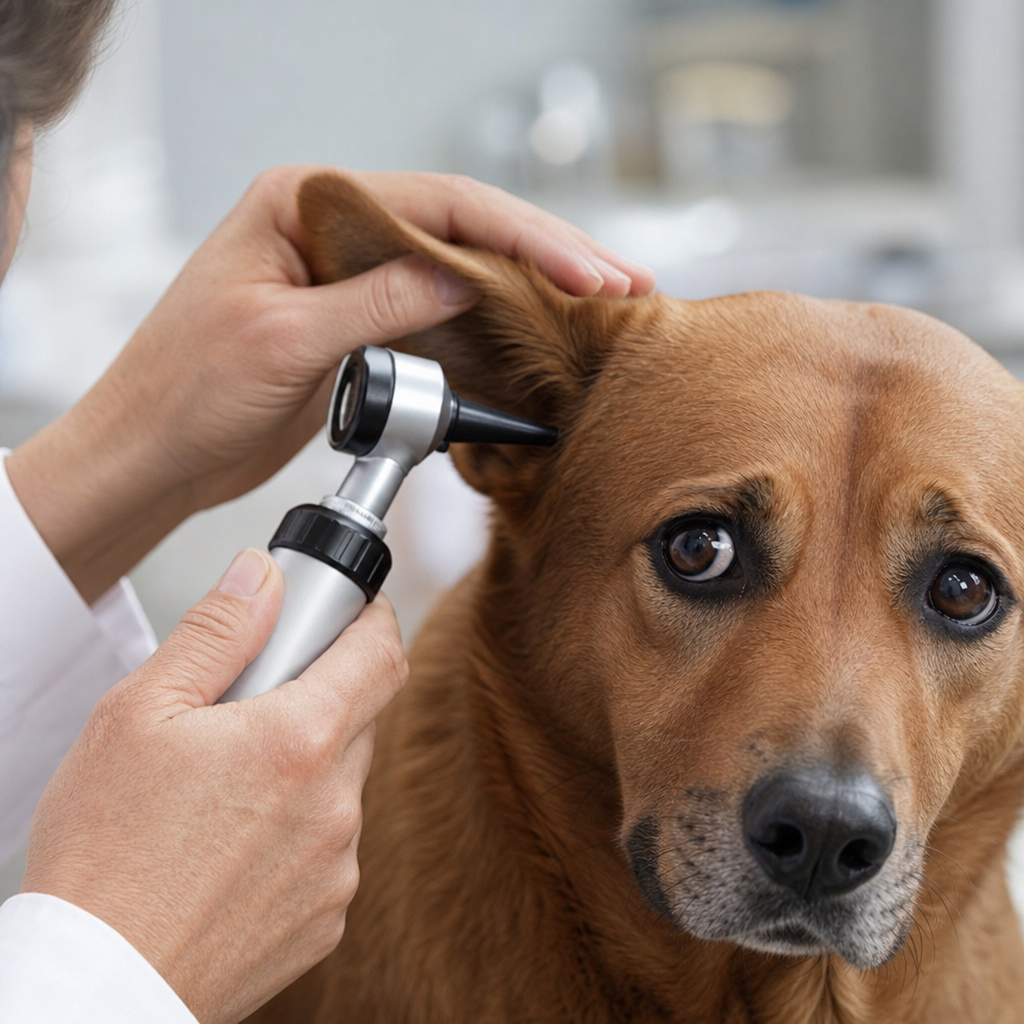
Not Muffin, but a few years later I had a beagle-ish mix, Beans, who had ears that smelled like a yeast factory. Chronic infections, red, weepy. I was convinced it was a low immune system thing, so I threw every immune supplement at her — turmeric, oregano oil, colloidal silver (ugh, I know, I was desperate and stupid). Nothing worked. My vet kept saying, “Food trial. It's probably a food sensitivity driving inflammation.” I resited because, well, elimination diets are a pain in the butt and I thought I knew better.
After six months and about $400 wasted on ear drops, I finally switched her to a novel protein, grain-free food (this was before the whole DCM thing, so grain-free was less scary then). Her ears cleared up in three weeks. Three. Wekes. The “weak immune system” was mostly her body screaming about chicken protein every meal. I learned that sometimes what looks like a systemic immune failure is actually a localized allergic reaction that's spiraled out of control. Now, any time a dog comes in with chronic infections, I look at diet first, not supplements. Vitamins can't outrun a daily allergen.
That lesson was humbling. I also think about stress again — Beans had noise anxiety, which we only later connected to her ear inflammation flaring during storms. It's all tangled. Here's another read on why dogs freak out at loud noises that hit home for me.
Supplements That Backfired (Learn From My Stupidity)
The Great Vitamin A Disaster
Early on, I read that vitamin A supports mucous membranes — the first line of defense in the nose and gut. So I started giving a build dog cod liver oil daily, assuming it couldn't hurt. Cue diarrhea, joint pain, and a blood test that showed liver enzymes through the roof. Vitamin A toxicity. I'd been poisoning this dog with love. The vet wasn't amused. I spent a weekend crying and flushing his system with fluids. He recovered, but I'm now hyper-paranoid about fat-soluble vitamins. Cod liver oil is potent. If you give it, you need to calculate the exact retinoid content. I just don't use it anymore. Lamb liver or a commercial balanced multivitamin is safer. That whole episode defintely knocked some sense into me.
Probiotics: Not All Strains Survive
Probiotics are often lumped into “immune health.” And they do matter. But I wasted money on those yogurt-coated chewable probiotics that probably had no live cultures by the time they reaached the gut. The one that actually works? A veterinary-formulated probiotic with specific strains like Enterococcus faecium SF68 (used in FortiFlora, yes that brand) or Lactobacillus acidophilus. Fecal transplants are even more effective for severe gut issues, but I'm not that brave at home. So now I keep a sachet of FortiFlora in my emergency kit for any build on antibiotics. It's not a magic bullet, but it helps prevent secondary diarrhea that further weakens them.
Mushroom Powders: Expensive Dust
I dabbled in reishi and turkey tail mushroom powders. The theory is that beta-glucans stimulate white blood cells. Some limited studies in dogs showed improved immune response in cancer patients. For a generally weak immune system? I'm not sold. I gave them to one build for two months, saw zero change, and they cost about as much as a vet visit. I'd rather put that money into better food. If your dog is healthy and you want to try them, fine. But for a dog that's actually sick? Don't waste your budget here.
That Time 'Natural' Almost Took Out a build
A few winters ago, I took in a tiny chihuahua mix named Cricket. Barely 5 pounds, chronic upper respiratory junk. A well-meaning neighbor gave me a bottle of “natural immune support” liquid she'd bought at a health food store. It was a blend of echinacea, goldenseal, and a bunch of othre herbs. I figured, herbs, natural, safe. Within 48 hours Cricket was vomiting bile and so lethargic I nearly rushed her to the emergency vet. Turns out some of those herbs are toxic to dogs in even moderate amounts — or interact with their tiny livers in unforeseeable ways. The bottle had zero safety info for canine use. I recieved a stern lecture from Dr. Nguyen about assuming “natural” means “harmless.” Now I treat herbal blends the same way I treat pharmaceuticals: unless I can trace the exact form, dosage per kg, and safety data for dogs, it stays on the shelf. Poison is still poison, whether it comes from a plant or a pill.
The One Supplement I Actually Swear By
Fish oil. I know, boring. But high-quality omega-3s (EPA and DHA) reduce systemic inflammation, which is a huge drain on the immune system. I fought it because my dogs' breath smelled like a dock. After switching to a concentrated liquid with rosemary preservative that masks the stink, I saw improvements in coats, allergy symptoms, and overall resilience. Not dramatic overnight, but over months. It's the one thing I nver skip. I won't name a brand because I'm not getting paid, but look for one that lists EPA and DHA amounts in milligrams, not just “fish oil.” That's the difference between theragnostic and useless.
What My Own Pack Actually Gets
For the senior citizens
My 13-year-old terrier mix, Pippa, has a crappy immune system thanks to age and Cushing's. She gets: a high-quality kibble (I rotate but right now it's a salmon-based one with no corn/wheat/soy), a spoonful of plain pumpkin for fiber, a squirt of concentrated fish oil, and half a tablet of a B-complex every other day. Her vet also has her on a low dose of vitamin E twice a week. That's it. No mushroom blends, no immune “booster” chews. Her last bloodwork showeed her white blood cell count improving, so something is working.
For the young and dumb ones
My 2-year-old cattle dog mix, Rocket, is healthy as a horse. He gets good food and a fish oil squirt when I remember. I don't supplement him with vitamins because his immune system doesn't need propping up. Over-supplementing a healthy dog can cause imbalances. Don't fix what ain't broken.
If you're dealing with a dog that's constantly sick, I'd still push you toward a vet visit first. I can't tell you what your dog needs without bloodwork. But I'd ask your vet about adding zinc, vitamin E, and maybe a B-complex before throwing money at complicated stacks.
One More Thing Before You Go Spend $50 on Chews
I've given you a lot of info, some of it contradictory. That's because dogs are individuals. What saved Muffin might not help your dog. What poisoned Beans might be exactly what your dog needs. Stop looking for a one-size-fits-all solution in a pet store aisle. Work with a vet who doesn't roll their eyes at nutrition questions. And if they do? Get a new vet. Now go pet your dog. They probably don't care about vitamins, but they care about you.