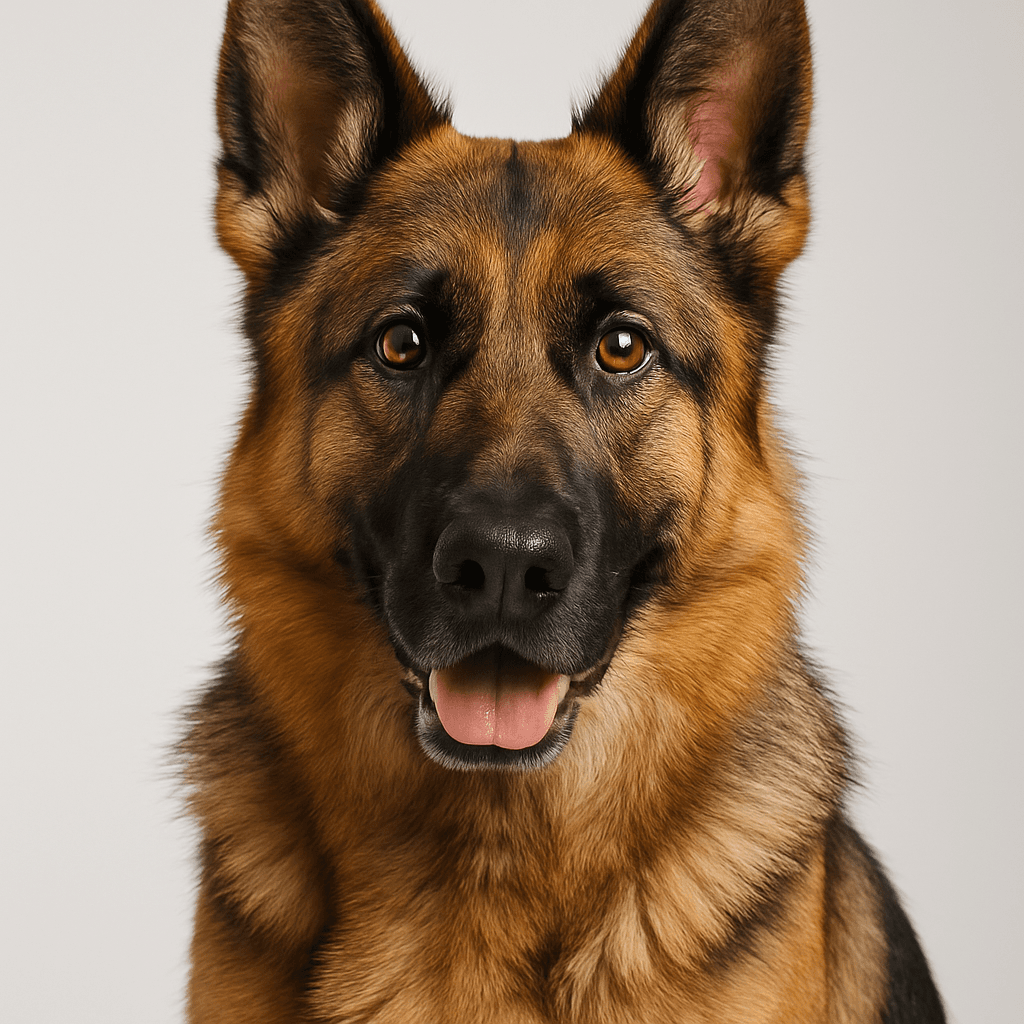
German Shepherd
History of the German Shepherd The German Shepherd, a breed with a fascinating history, traces its origins back to late 19th century Germany. Originally bred for herding sheep, they quickly…
History of the German Shepherd
The German Shepherd, a breed with a fascinating history, traces its origins back to late 19th century Germany. Originally bred for herding sheep, they quickly gained recognition for their intelligence, strength, and ability to follow commands. Max von Stephanitz, a former cavalry officer, is often credited with shaping the breed into what we know today, emphasizing their working ability over anything else. It's incredible how a breed once primarily used by shepherds in the fields has become a staple in police and military forces worldwide.
Did you know the breed's popularity skyrocketed after World War I? Soldiers returning home couldn't stop raving about the bravery and loyalty of these dogs. The famous Rin Tin Tin, a German Shepherd rescued from a WWI battlefield, became a Hollywood star, further cementing the breed's place in American hearts. And that's how the German Shepherd's journey from a humble working dog in Germany to a beloved icon worldwide began.
Personality and Temperament
German Shepherds are loyal to a fault. If you're looking for a dog that will stick by your side through thick and thin, look no further. They’re incredibly intelligent, which is both a blessing and a challenge. These dogs can learn commands quickly, but they also need mental stimulation to keep them from getting bored. Have you ever seen a bored German Shepherd? They might just rearrange your living room when you're not looking!
Despite their tough exterior, they're surprisingly gentle with family members, especially kids. I've watched my own shepherd delicately play with toddlers, seeming to understand their fragility instinctively. But don't mistake their gentle nature for weakness. When it comes to protecting their loved ones, they're fearless and ready to act when necessary. That makes them fantastic watchdogs, always alert and ready to defend their territory.
Physical Characteristics
German Shepherds are large, muscular dogs, typically weighing between 50 to 90 pounds, depending on gender and genetics. Their stature is impressive, with a body built for endurance and strength. They sport a double coat, which can be a variety of colors including the classic black and tan, sable, or all black. Their unmistakable erect ears and the confident way they carry themselves make them a striking breed to behold.
One can't help but admire their athletic build and noble appearance. But it's not just about looks; their physical characteristics are perfectly suited for the rigors of the tasks they perform, whether it's chasing down a suspect or herding sheep. They have a reputation for being able to keep up with the best of them, whether it's in a work setting or accompanying you on a long hike.
Living with a German Shepherd
Sharing your home with a German Shepherd is both a joy and a responsibility. These dogs thrive on companionship and being part of the family. They don't do well being left alone for long periods; loneliness can lead to anxiety and destructive behavior. I've always found that having a routine helps. Shepherds love structure and knowing what's coming next. It makes them feel secure.
If you love spending time outdoors, you're in luck. These dogs are energetic and need plenty of exercise. Whether it's a daily walk, a run in the park, or a game of fetch, keeping them active is key to their happiness and health. But remember, a tired German Shepherd is a happy German Shepherd. As much as they love to play, they also appreciate a cozy spot by your feet when it's time to wind down.
Health and Common Issues
German Shepherds are generally healthy dogs but, like all breeds, they're prone to certain health issues. Hip and elbow dysplasia are common, so regular vet check-ups are a must. My own shepherd had hip dysplasia, and managing it with the right diet and exercise made a huge difference in her quality of life. They can also suffer from degenerative myelopathy, a disease affecting the spinal cord, usually in older dogs.
Bloat is another serious concern, which can be life-threatening if not treated immediately. It's crucial to be aware of the signs and act fast. Knowing your shepherd's normal behavior and habits makes it easier to spot when something's off. With a lifespan averaging 9 to 13 years, ensuring regular health screenings and maintaining a healthy lifestyle is key to giving them a long, happy life.
Exercise and Training
Do you enjoy being active? Because that's exactly what a German Shepherd needs. This breed is energetic and requires plenty of physical and mental stimulation. Long walks, runs, agility training, and obedience classes are great ways to keep them engaged. In my experience, they're natural learners and love the challenge that training presents. The bond you develop through training is something truly special.
Consistency is crucial. German Shepherds respond well to positive reinforcement and clear, consistent commands. They're not just about brute force; their intelligence means they can be trained for a variety of tasks, from simple commands to complex search and rescue operations. Remember, a well-trained shepherd is a happy one, and the time you invest in training will pay off in a dog that's well-behaved and a pleasure to live with.
Grooming and Care
German Shepherds have a double coat that requires regular grooming. Trust me, investing in a good brush is worth it. They shed year-round, with more intense shedding twice a year. Regular brushing not only keeps your home somewhat fur-free but also helps to keep their coat healthy. Bathing should be done as needed, usually every few months, unless they get into something particularly messy.
Don't forget their nails. Keeping them trimmed is important, as long nails can cause discomfort or lead to injuries. Dental care is another often overlooked aspect; regular teeth brushing helps prevent dental issues. Diet is just as crucial; feeding them high-quality food suited to their age, size, and activity level is fundamental to their overall health and well-being.
Is the German Shepherd Right for You?
Evaluating whether a German Shepherd is the right fit for your family is essential. Consider your lifestyle first. Are you active and able to give them the exercise they need? Do you have the time to invest in their training and socialization? If the answer is yes, a German Shepherd can make an incredible addition to your life, full of loyalty, love, and a little bit of fur everywhere.
These dogs are not just pets; they're companions who thrive on interaction and being part of the action. They're not ideal for everyone, especially those with limited time or who prefer a more laid-back pet. But if you're ready for the commitment, the rewards are countless. German Shepherds bring a unique blend of love, protection, and companionship that's hard to find elsewhere. So, are you ready to welcome one into your home?