My Dog Blew Me Off for 40 Minutes and I Deserved It: The Recall Advice Nobody Gives You
I yelled 'come' 47 times while my dog sniffed a tennis ball and ignored me. After 14 years of mistakes, here's the recall training that finally worked — no shock collars, no punishment, just what actually matters.
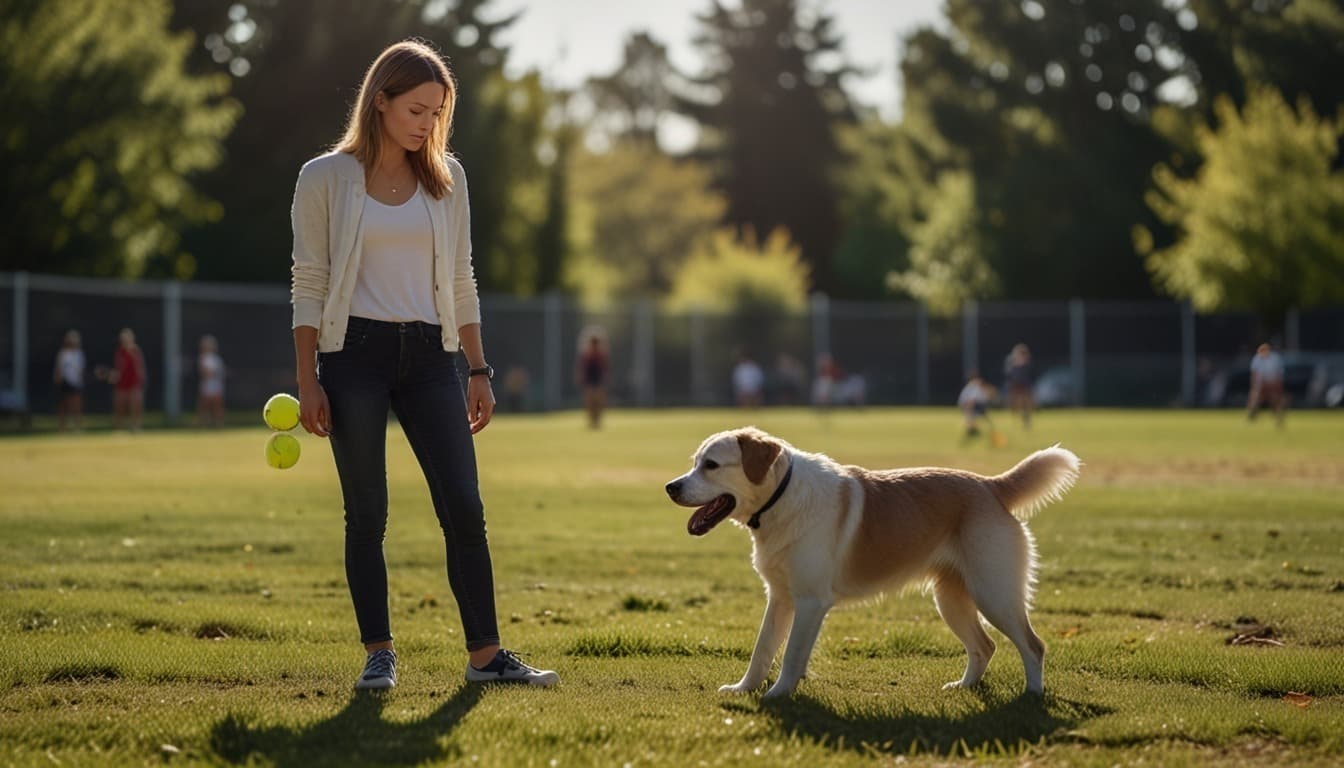
Yesterday I stood in the middle of the dog park yelling 'Jasper! Jasper, come!' like a lunatic while my dog — a 70-pound lab mix who has slept in my bed for four years — sniffed a discarded tennis ball twenty feet away and refused to even glance at me. He was so focused on that slobbery, half-deflated ball that I might as well have been a lamppost. A particularly uninteresting lamppost. The kind dogs don't even bother to pee on.
I called him 47 times. I counted. Forty. Seven. Times. My voice went from cheerful to pleading to that tight, high-pitched tone that makes your own throat hurt. By call #32 I was using his full name — Jasper Tiberius, which I only trot out when I'm realy losing it. He still didn't look up. At one point I swear he flicked an ear in my direction, and for a split second I thought, this is it, he's going to come running. Nope. Just shaking off a fly.
You know what the worst part was? The other dog owners were watching. Not directly — they were doing that polite thing where they pretend not to noitce, but I could feel the pity glances. The woman with the impeccably trained border collie who comes trotting back at a whisper was definitely judging me. And I deserved it. Not because Jasper was being stubborn or disobedient or any of the labels we slap on dogs when they don't do what we want. I deserved it because I had spent fourteen years — FOURTEEN YEARS — making every recall mistake in the book, and I'd trained my dog to ignore me.
That was a Tuesday. By Friday I'd torn apart everything I thought I knew about teaching a dog to come when called, and what I found was equal parts humbling and, honestly, a relief. Because here's the thing: most of us are doing it wrong, and it's not our fault. The standard advice out there's garbage. It's all 'be more exciting than the environment' and 'use high-value treats' and 'never punish a late recall' — which, okay, that last one is actually good advice — but the way we apply it? Tehy way we've been taught to think about recall? It's fundamentally broken.
So this isn't a guide. I'm not going to give you ten steps to a perfect recall because that doesn't exist. What I'm going to do is te ll you how I screwed up, repeatedly, for over a decade, and what finally — finally — started working. For Jasper, for the 40+ fosters who've passed through my house, and for the dozen or so dogs I've helped friends with over the years. It might work for you. It might not. But it's not the usual crap you read on dog training blogs. I promise that much.
The poison I'd been feeding my recall cue for years
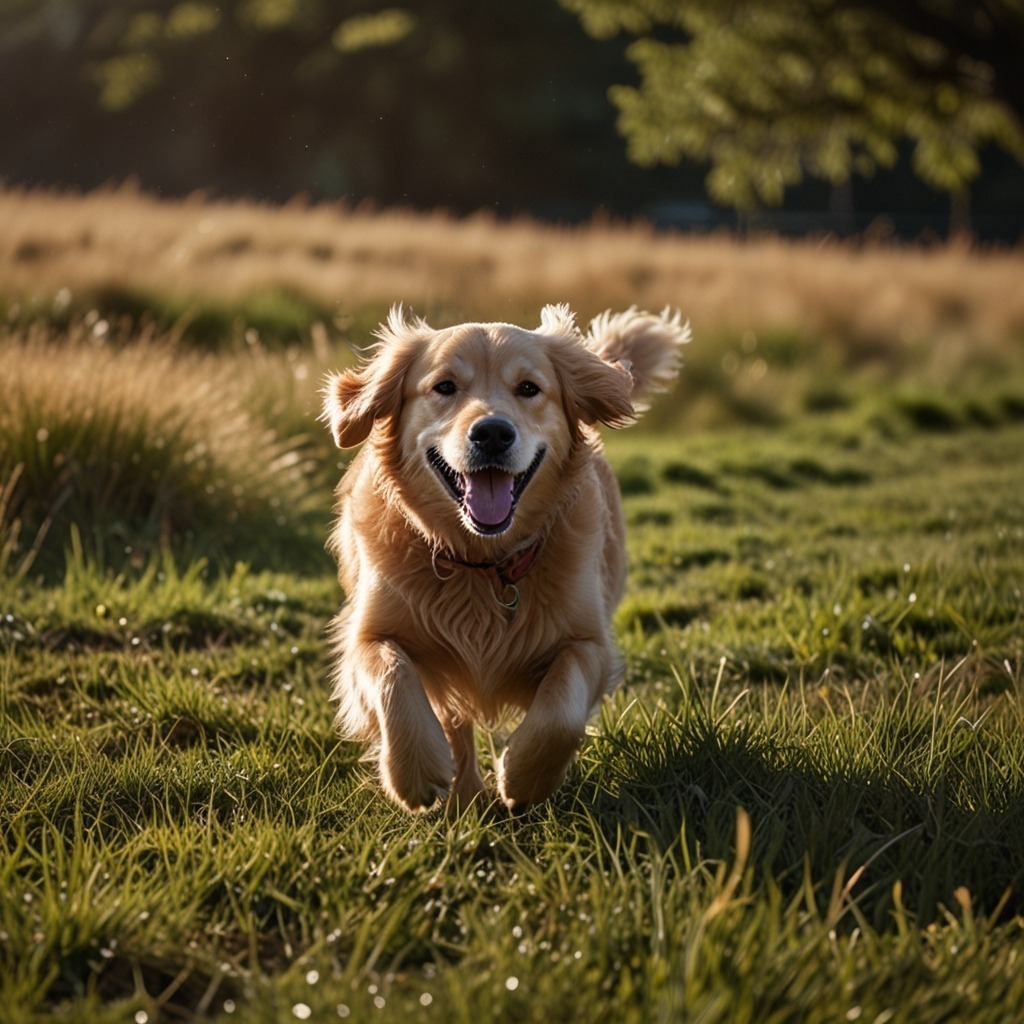
Here's a scenario I want you to imagine. You're at a party. You're talking to someone fascinating — they're telling you about their trip to Patagonia, they've got photos, they're funny. Then your spouse appears at the other end of the room and yekls 'Hey! Time to go home! Now!' And you know exactly what that means: the fun is over, you're going to sit in traffic, and you still have to take out the trash when you get there.
How fast do you walk over? Exactly.
That's what we do to our dogs every single day. We call them away from the most interesting thing in their world — a squirrel, a new dog, a smell that's apparently so fascinating it requires ten minutes of deep investigation — and we call them because it's time to go home. Time to get in the car. Time for a bath. Time to stop having fun. The word 'come' becomes the Fun Police siren. And then we're shocked when they don't race toward us with joy in their eyes.
I was the worst offender. For years, I only called Jasper when the park visit was over. Or when I needed to crate him before I left for work. Or when he was abouut to roll in something dead — which, to be fair, was a legitimate emergency, but to him it just meant I was ruining his perfume. Every single time I used the recall cue, it predicted something crappy. Why on earth would he want to come?
My vet, Dr. Nguyen — she's put up with my panic calls for eleven years, through three dogs and a divorce — once told me something that stuck. She said, 'Sarah, if someone calls you and every conversation ends with bad nes, you stop answering the phone. Dogs are smarter than we give them credit for.' I laughed, but she was dead serious. And she was right.
I thought I was using 'high-value treats' but I was lying to myself
Look, every article on recall training tells you to use high-value treats. Chicken, cheese, liverwurst, something stinkier and more exciting than whatever your dog is currently doing. I thought I was doing that. I'd bring a bag of Zuke's training treats to the park — the litrle salmon ones that my dogs go nuts for in the kitchen. But here's the thing nobody mentions: what's high-value at home isn't high-value at the park. It's like offering a kid a single M&M at Disneyland. Sure, they like M&M's. But have you seen the parade? Have you seen Space Mountain?
The environment is the competiton, and the environment has a million things your dog wants more than your crumbly salmon square. I didn't understand this until I saw a trainer friend pull out a whole rotisserie chicken at the park. Not bits. Not shreds. The entire bird, in a ziploc bag, grease seeping through. She tore off a chunk the size of a golf ball and her dog — who had been completely ignoring her two seconds earlier — teleported to her side like something out of a cartoon. That was when I realized I'd been bringing a butter knife to a gunfight.
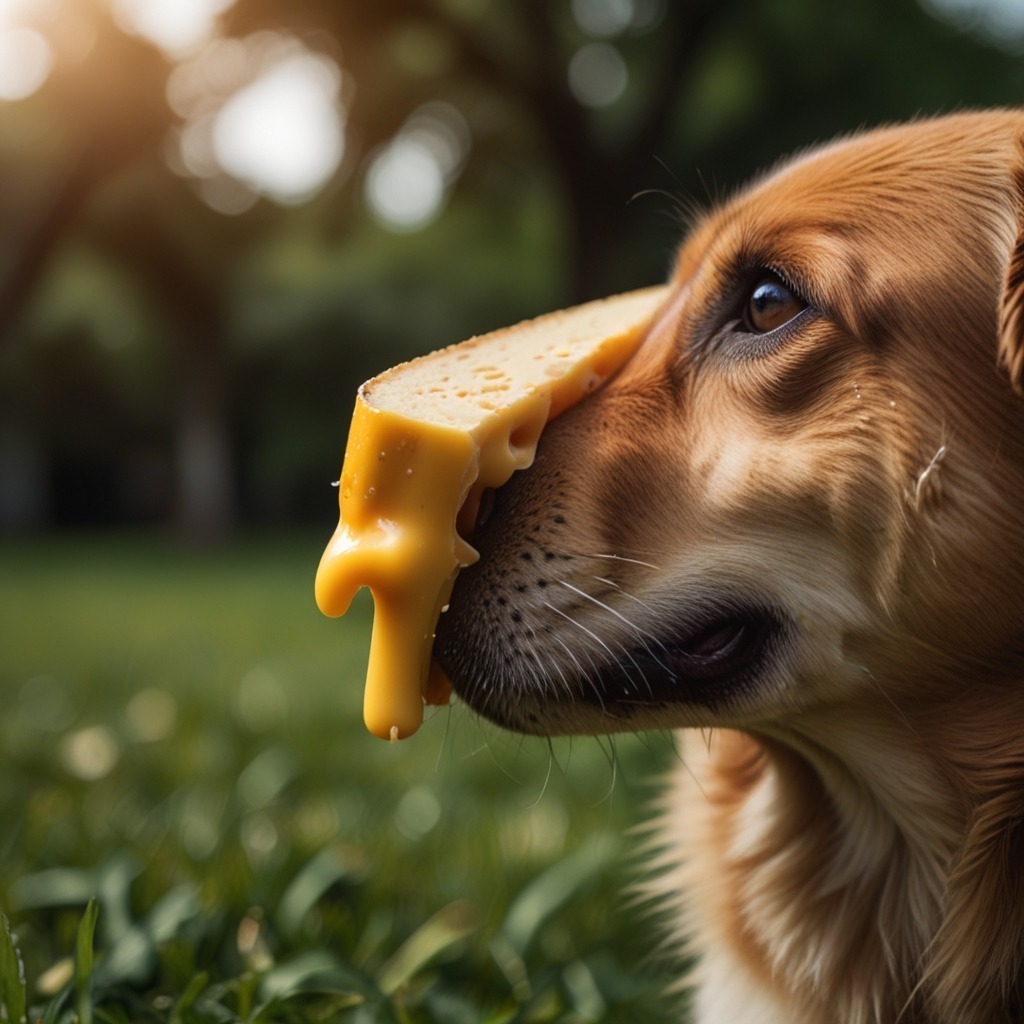
I'm not saying you need to carry a rotisserie chicken everywhere. (Though I've done it. Worth it.) I'm saying you need to be honest about what your dog actually finds valuable. For Jasper, it's not chicken. It's cheese — the cheapest, fakest, individually-wrapped American cheese slices from the grocery store. The kind that's barely legally cheese. He'd sell me to a circus for one slice. Took me four years to figure that out because I kept assuming the 'healthy' treats were good enough. They weren't.
Oh, so your dog is a 'stubborn' breed? Crap, me too.
I need to go on a tangent here. It's related, I promise.
I've a build right now — a three-year-old husky mix named Oliver who came to me because his previous owners said he was 'impossibly stubborn.' They'd tried everything, they said. He just wouldn't listen. He'd look at them when they called, consider it for a moment, and then wander off to do his own thing. They were convinced he was dominant, or willful, or just plain dumb.
Oliver isn't stubborn. Oliver is intelligent, independent, and nobody had ever given him a reason to care about what they were saying. Huskies were bred to run for miles in front of a sled making their own decisions. They weren't bred to hang on your every word like a border collie. And yet we hold them to the same standard — as though 'coming when called' is some kind of universal dog value rather than a trick we've trained them to perform.
I used to think my first dog — a lab mix named Teddy — was just naturally obedient because he came when called from the time he was a puppy. Then I got my second dog, a terrier-something with opinions, and I realized Teddy came when called because I was his entire world and he had zero interest in anything else. Jasper, my current dog? He's somewhere in the middle. He wants to please me, but he also wants to sniff that dead thing in the bushes, and those two desires can absolutely coexist. My job isn't to squash the curiosity. It's to make myself more interesting than the dead thiing. And that's much, much harder than I ever expected.
Anyway. Back to recall.
The one weird thinng that finally worked (and it wasn't treats)
About two years ago I hit a wall. I'd read every book, watched every video, tried every protocol. I'd done the 'hide and seek' game where you call your dog from another room and reward him when he finds you. I'd practiced on a long line at the park until my arms ached. I'd jackpotted him with entire cheese sticks when he came. And he was fine at home. Great in the backyard. Decent on a quiet trail. But the moment another dog appeared, or a squirrel, or even just an especially interesting patch of grass, he turned into a dog who had never heard the word 'come' in his entire life.
Then I stumbled across something completely by accident. I was out with Jasper on a hike, and he'd gotten about fifty feet ahead of me on a narrow trail. I tripped over a root — not dramatically, just a little stumble — and I let out this small 'oof' sound. Jasper whipped around so fast he nearly lost his footing. He came trotting back, tail wagging, like he was checking on me. I didn't call him. I didn't bribe him. He just came. Because something out of the ordinary happened, and he wanted to investigate.
That was my lightbulb moment. What if 'come' doesn't have to be a command? What if it's just an interesting sound that predicts something unpredictable and rewarding? I started experimenting. I'd make weird noises — a whistle, a kissy sound, a low 'boop boop boop.' I'd run backward instead of standing still. I'd crouch down like I'd found something fascinating on the ground. And Jasper — a dog who'd been selectively deaf for years — started showing up. Not every time. But often enough that I realized I'd been training the wrong thing.
The recall cue itself is almost irrelevant. It's what the cue predicts that matters. And when 'Jasper, come!' predicted nothing but the end of fun, he tuned it out. When it predicted something novel and interesting — something he wanted to be part of — he paid attention. So I stopped using 'come' as a command and started using it as an invitation to a party. A party that sometimes involved cheese, sometimes involved a new toy, sometimes involved me acting like a lunatic, and sometimes involved absolutely nothing except a good ear scratch. The unpredictability was the point.
I'm not saying ditch the cue. But I'm saying that if you've poisoned your 'come' — and most of us have — you might need to either start fresh with a new word or completely rebuild the association. I switched to a whistle for a while, which was annoying to learn but actually worked because it had no baggage. Now I can use 'come' again, but only because I spent six months deliberately pairing it with nothing but good things, sometimes at random when he was already next to me. Yes, I'd literally walk up to him, say 'Jasper, come!' (while he was already sitting at my feet), and then produce a party. Over and over. He started to think 'come' was just the sound that made magical things happen. And that's exactly what I wanted.
The day I stopped yelling and just sat down on a bench
One of my fosters — a terrified beagle named Miso — tauht me more about recall than any book. Miso had been a stray for at least six months before the shelter picked him up, and his response to being called was to bolt in the opposite direction. The word 'come' to him meant 'I'm about to be grabbed and trapped.' It didn't matter what treat I had. He wasn't coming.
I spent three weeks not even trying to call him. I'd just go outside with him in a fully fenced yard, sit on the ground, and read a book. If he wandered over, which he eventually did, he got a piece of hot dog and zero pressure. No hands reaching for him, no collar grabs, no 'come' in a coaxing voice. Just hot dogs and a person who wasn't a threat.
By week four he was trotting over the moment I sat down. By week six I could say his name — just his name — and he'd look up. I never did teach him a formal recall before he went to his adoptive home. But he learned that approaching a human could be safe and rewarding. That was the foundation he needed. The recall cue itself was just decoration.
I think about Miso every time I see somepne screaming their dog's name at the park, voice getting higher and tighter with each repetition. I used to be that person. And I wonder how different it would have been if someone had just told me: stop calling. Just stop. Sit down. Wait. Let your dog remember that you're not the enemy. Because sometimes the best way to get a dog to come is to stop trying to make them come.
The worst adivce I ever got from a guy at the park
I need to rant for a minute. A few years ago, when Jasper was at peak recall-failure mode, a man at the dog park — you know the type, the guy who's owned dogs for 'thirty years' and has strong opinions — told me I nreded an e-collar. 'Just give him a nick when he doesn't come,' he said. 'He'll learn real quick.'
I didn't take his advice. But I've thought about it a lot since then, especially watching other people follow it. Here's what happens: you call your dog, he doesn't come, you shock him. The next time, he comes because he's afraid not to. And people call that 'trained.' They post videos on YouTube of their dogs trotting back with tials low and ears back, and the comments are full of 'great job!' and 'this is how you train a dog.' And I want to scream. Because that's not a recall — that's compliance through fear. The dog isn't choosing you. He's avoiding pain.
The thing about fear-based training is that it works until it doesn't. I've seen it fall apart in real emergencies — the dog spots another animal and the adrenaline overrides the fear of the collar, or the dog shuts down entirely and won't come to anyone, including rescuers. I've also seen dogs who were e-collar trained for years develop anxiety problems that no one connected back to the training until a behaviorist got involved. Dr. Nguyen told me once that she'd seen a dog so scared of the word 'come' — even without the collar on — that he'd urinate when he heard it. That's not training. That's trauma.
I'm not a positive-only purist. I've used firm 'no's and I've stepped in front of a dog to block them from darting out a door. But there's a canyon of difference between setting boundaries and making your dog afraid of you. Recall — real, reliable recall — isn't built on fear. It's built on the fact that your dog genuinely wants to be near you. And if that sounds hopelessly idealistic to you, then maybe the problem isn't your dog. It's your relationship.
(I'll step off my soapbox now. I know this is a touchy subject. But I've seen too many dogs ruined by bad advice from guys at dog parks, and I'm tired of not saying it.)
If you're struggling with a dog who seems arfaid of you or the recall cue itself — maybe because of past punishment — there's a whole world of rehabilitation that involves building trust from scratch, like I had to with my fosters. It's slow. It's humbling. But it's the only thing that actually works long-term.
And if nothing works: the safety net I wish I hadn't learned the hard way
Okay, reality check. Some dogs — especially those with high prey drive, or dogs who've been rehomed a few times, or dogs who just have the attention span of a gnat — may never have a rock-solid recall. And that's not a failure on your part. It's just… dogs. They're not machines. They're living beings with their own agendas. But that doeesn't mean you can't give them freedom. You just have to be smarter about it.
I learned this the day my build dog Charlie saw a deer and disappeared into a cornfield. I stood at the edge of that field for two hours, calling his name into the void, convinced I'd never see him again. He turned up three miles away at a farmhouse, covered in mud and very proud of himself. The collar he was wearing had my phone number on it, thannk god. But it could have ended so much worse. That was the day I stopped pretending he'd ever come when called and started using management tools instead.
The long line saved my sanity
If your dog can't be trusted off-leash — and honestly, most dogs shouldn't be in unfenced areas, no matter how good their recall is — a long line is the best twenty bucks you'll ever spend. I'm talking a 20- or 30-foot biothane leash, not a retractable one (retractables are a rant for another day). This gives your dog the illusion of freedom while you still have a lifeline. I use it on hikes, on beaches, in big open fields where there's no fence. Jasper actually drags it behind him most of the time — I just step on it if I need to stop him. He doesn't even notice it's there anymore.
The long line also means you can practice recall in the real world without the risk. Call your dog when he's only ten feet away and sniffing something mildly interesting. If he comes, jackpot. If he doesn't, you can gently reel him in — not punish, just reel, like a fish — and then reward him anyway for arriving. No failure, no chasing, no panoc. I wish someone had told me about long lines ten years earlier. I spent so much time yelling at dogs who had no idea what I wanted because I'd given them too much freedom too soon.
This is the same principle I use when teaching impulse control for things like jumping on guests or digging up the yard. Management comes first. Then training. You can't teach a dog what you want if you're constantly chasing him through a field.
The GPS collar that saved my build dog's life
After the Charlie cornfield incident, I invested in a GPS tracker. I use the Fi collar — not an ad, it's just the one that's worked for me — but there are several options now. It tracks your dog's location in real time and alerts you if they leave a designated safe zone. It's not cheap. The collar itself was about a hundred bucks and there's a subscription fee. But compared to the cost of losing your dog? I'd pay it ten times over.
I put a GPS on every build who isn't recall-trained, and I keep one on Jasper too, even though he's much better now. Last summer he got spooked by a thunderstorm — he was in the backyard, which is fenced, but a gate had blown open without me noticing. The GPS alerted me within three minutes. I found him under a neighbor's porch two blocks away, trembling and wet. Without that tracker, I might not have found him for hours. Or at all.
There's a weird shame around using technology for dogs. Like somehow a GPS or a long line means you've failed as a trainer. Screw that. The best dog owners I know use every tool available. They're not purists. They're pragmatists. And their dogs are safe because of it.
The 'nothing is more interesting than me' game (that you can actually win)
I got this game from a trainer friend who works with reactive dogs, and I've since used it with every dog I've owned or fostered. It's so simple it feels stupid, but it works.
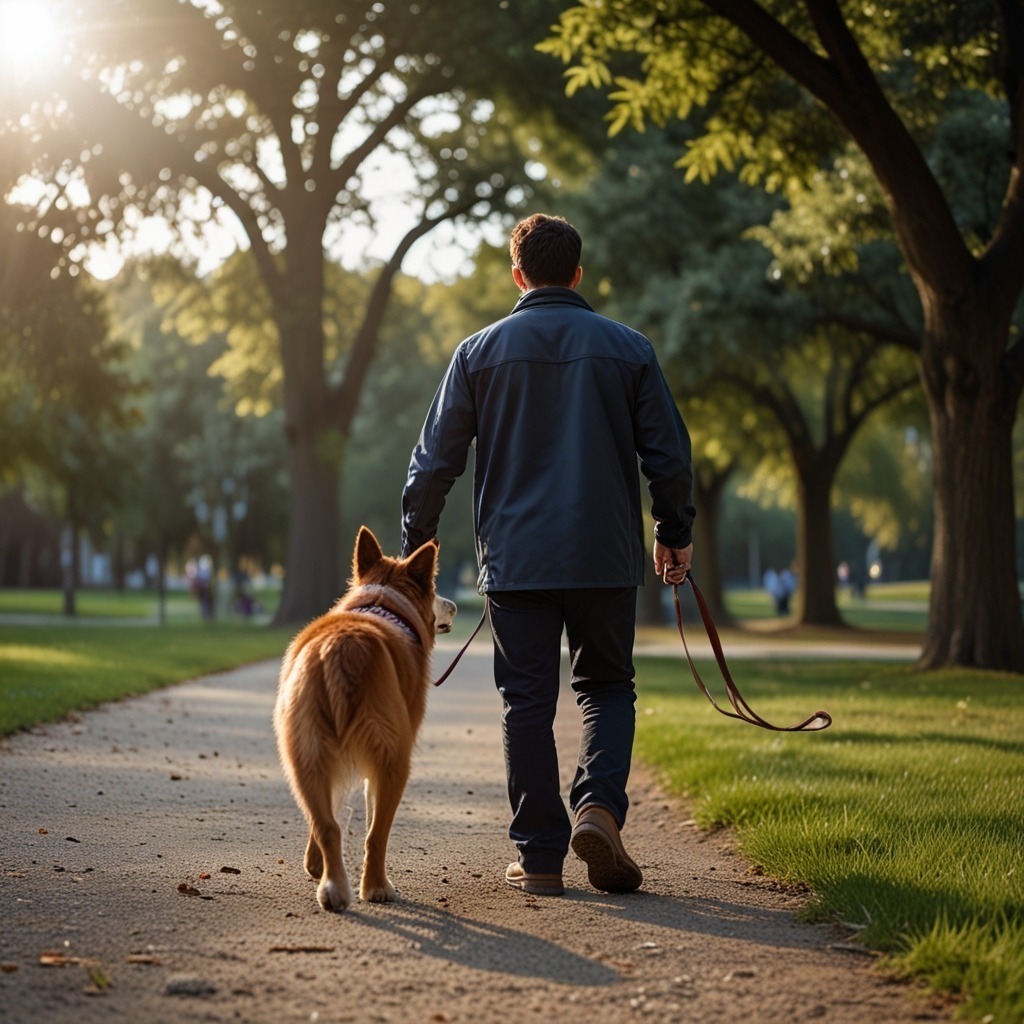
Sit on your living room floor with a handful of treats. Wait until your dog looks at you on their own — no cue, no name-calling, nothing. The moment they glance in your direction, mark it (a clicker or a 'yes!') and toss a treat to them. Then wait again. They'll look at you more often. Mark and treat. Do this for five minutes a day. Over time, your dog will start offering attention voluntraily, because looking at you has been rewarded with zero pressure and zero demands.
Now take it outside. A quiet backyard. Then a park at off-hours. Then a park with distractions. The game scales, and it builds a foundation that recall sits on top of. A dog who's already in the habit of checking in with you is a thousand times easier to recall than a dog who forgets you exist the moment they're off-leash.
This is exactly the kind of thing I overlooked for years because I was so focused on the recall command itself. I thought recall was a standalone skill. It's not. It's the visble tip of an iceberg that's made up of attention, trust, and a long history of positive interactions. When I finally understood that, everything changed.
When my old lab finally turned on a dime for a crust of stale bread
Last week, I was in the backyard with Jasper and a slice of leftover pizza crust — I'd been saving it as a high-value treat. Actually, I'd been eating pizza and dropped a piece, and he got to it before I did, which is how most 'high-value' discoveries happen in my house. He was at the far end of the yard, nosing around the compost pile. I said his name once, quietly. Not even 'come.' Just his name.
He looked up. I held up the crust. He trotted over, tail wagging in that slow, satisfied way old dogs have. No drama. No yelling. No forty-seven repetitions. Just a dog who'd learned that coming to me ment something good, and who trusted that I wasn't going to ruin his day.
It took fourteen years to get here. Fourteen years of mistakes and bad advice and nights spent crying in the car because I couldn't catch my own dog. Fourteen years of unlearning everything I thought I knew about training. And still — STILL — there are days when he ignores me. Days when a squirrel is more compelling than a cheese slice, or when he's just in a mood. That's the thing about dogs. They're not projects. They're partners. And sometimes partners blow you off.
I think about that guy at the park sometimes — the e-collar guy — and how certain he was that he had all the answers. I used to envy that certainty. Now I just feel sorry for it. Because the messy, imperfect, stop-screaming-and-sit-on-a-bench approach I stumbled into? It gave me something better than a dog who comes when called. It gave me a dog who wants to be near me, even when he doesn't have to be. And at the end of the day, that's more important than any command.
Anyway, the park is calling. Jasper just found anothr tennis ball. Igotta go pretend I'm not trying to get him to come back.