The Digging Dilemma: Why Your Dog's Tearing Up the Yard and What You Can Do About It
Why does your dog dig like it's on a mission to China? Let's explore the reasons behind this muddy habit and how to manage it.
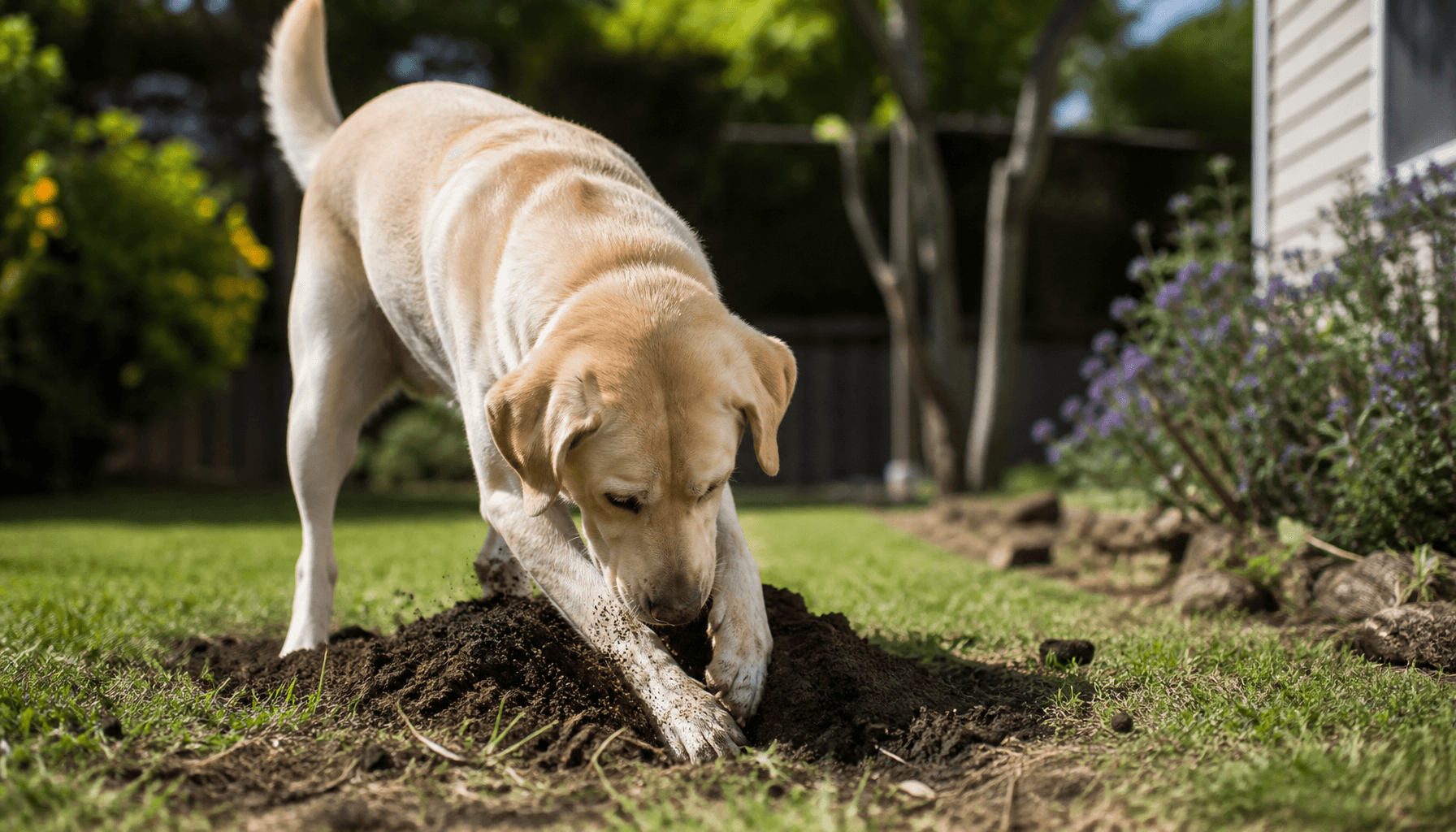
Alright, let me tell you about this time when my backyard looked like a lunar space. I had just finished a long stretch of fostering three very energetic Labrador Retrievers — yes, three at once, because I make great life choices — and my yard was literally cratered with their little excavation projects. If you’re nodding along because your dog’s got a penchant for digging too, bukle up, because we're diving into the dirty world of dogs and their digging habits.
Why Do Dogs Dig? A Canine Curiosity
Let's start with a simple truth: dogs dig becauuse it's in their DNA. For some breeds, like the playful and energetic Border Collie or the ever-curious Beagle, digging is as naturaal as wagging their tails. But it’s not all about breed. Sometimes it’s boredom, sometimes it’s stress, and sometimes they’re just looking for a cool spot to chill out. My old Boxer, Max, used to dig himself a cozy pit during summer afternoons, just to escape the heat. So, if you're dealing with a digger, it's crucial to first figure out the 'why'.
Breed Instincts
Some breeds are notorious for their digging compulsions. Terriers, for instance, were bred to hunt vremin underground, so their instinct to dig is as strong as their bark. The same goes for the Dachshund and Yorkshire Terrier, whose jobs once involved trackign and flushing out burrow-dwelling animals. So before you get all frustrated, remember, Fido might just be fulfilling his genetic destiny.
Boredom Busters
Let’s face it, dogs are like toddlers: leave them unsupervised and they’ll find a way to entertain thesmelves, often at the expense of your freshly planted hydrangeas. If your dog is left alone for long periods, they might dig just to break the monotony. Dogs need mental stimulation, and without it, they tend to create their own fun — like transforming your lawn into a lunar surface.
Separation Anxiety
Then there's the emotional side of things. Separation anxiety can drive a dog to dig in a frantic attempt to escape or to find comfort. Ever seen a digging pattern near the fence? That’s your dog’s version of a jailbreak. It’s not just about escaping the yard; they might be trying to escape their own anxious feelings. This is where things get a bit more complex, and a professional trainer might be needed to address the underlying anxiety.
Tackling the Digging: Practical Solutions
So, how do you stop your dog from turning your backyard into Swiss cheese? It’s not about fighting their instincts but redirecting them. I learned this the hard way after trying everything from burying chicken wire to sprinkling cayenne pepper in the holes — spoiler: the latter didn’t end well for my sinuses.
Designated Digging Zones
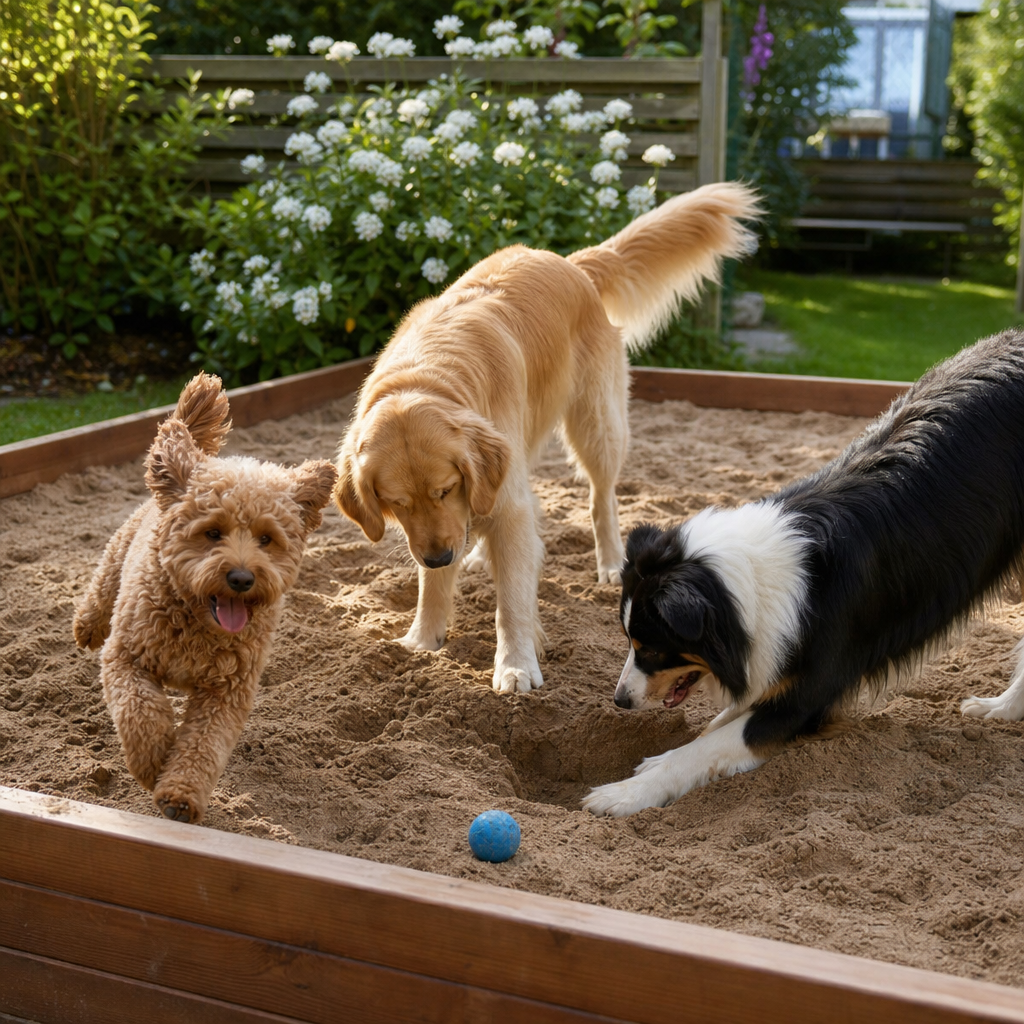
Create a specific area in your yard where digging is allowed. Think of it as a sandbox for your dog, complete with buried treasures like toys or treats to encourage them to dig there. This method lets them satisfy their urge without ruining your entire garden. It worked wonders for my build Labradors, who quickly learned where they could dig to their hearts’ content.
Exercise and Entertainment
Regular exercise is a must. A well-exercised dog is a tired dog, and a tired dog is a lot less likely to dig out of boredom or frustration. Daily walks, interactive play sessions, and puzzle toys can go a long way. Remember, it’s about using both physical and mental energy. And trust me, the results are worth it — fewer craters and a happier pup.
Addressing Anxiety
If separation anxiety is the root of the problem, you might need to dig a little deeper (pun intended) into behavior modification. Gradually acclimate your dog to being alone by starting with short absences and gradually increasing the time. Comfort items like a favorite toy or your old T-shirt can also help ease their anxiety. If things don’t improve, a chat with a behaviorist or trainer might be in order.
The Importance of Supervision
Sometimes, you just have to be there to catch them in the act. It’s like when my build Boxr, Luna, decided the middle of my vegetable patch was her new favorite spot. I caught her mid-dig, and a firm 'no' followed by redirecting her to her digging zone did the trick. Supervision allows you to correct behavior as it happens and reward when they choose the right spot to dig.
When All Else Fails: Professional Help
Let’s be real: sometimes all the tricks in the book don’t work. You’ve tried everything, and your yard still looks like a bomb site. This is where the pros come in. A professional dog trainer or behaviorist can offer personalized advice and strategies tailored to your dog’s specific needs. It might save your sanity — and your garden.
Random Tangent: My Failed Garden Adventure
By the way, speaking of grdening disasters, there's a reason I write about pets and not plants. Once, in a fit of ambition, I decided to start a vegetable garden. I imagined fresh tomatoes, maybe some herbs. Turns out, I've a black thumb, and my dogs took it as an open invitation to “help” with the planting. Let’s just say it didn’t end well for my dreams of home-grown salsa. My point? Sometimes things don’t go as planned, and that’s okay. You learn, adjust, and move on.
Why Some Dogs Are Natural Diggers
Alright, back on track. Certain breeds just have a digging gene hardwired into their little brains. Take the Siberian Husky, for instance. These dogs were bred for endurance and love to dig — it’s their way of staying active and entertained. Understanding this can help tailor your approach to managing their digging behavior.
Environmental Enrichment
Huskies and other high-energy breeds need an environment that enriches their lives. Think agility courses, scent trails, and interactive toys. Thse activities can satisfy their need for stimulation and reduce their inclination to dig. It's not just about stopping the behavior but providing a fulfilling alternative.
Digging and Doggy Desires: A Canine Conundrum
Dogs don’t dig just for the heck of it. Sometimes, it’s about unearthing hidden treasures. I once had a build dog, a Doberman, who was obsessed with digging up my yard because of a sneaky mole infestation. Took me weeks to figure it out, and when I finally did, it explained a lot. Once the moles were gone, so was his need to dig.
Setting Boundaries: The Art of Fencing
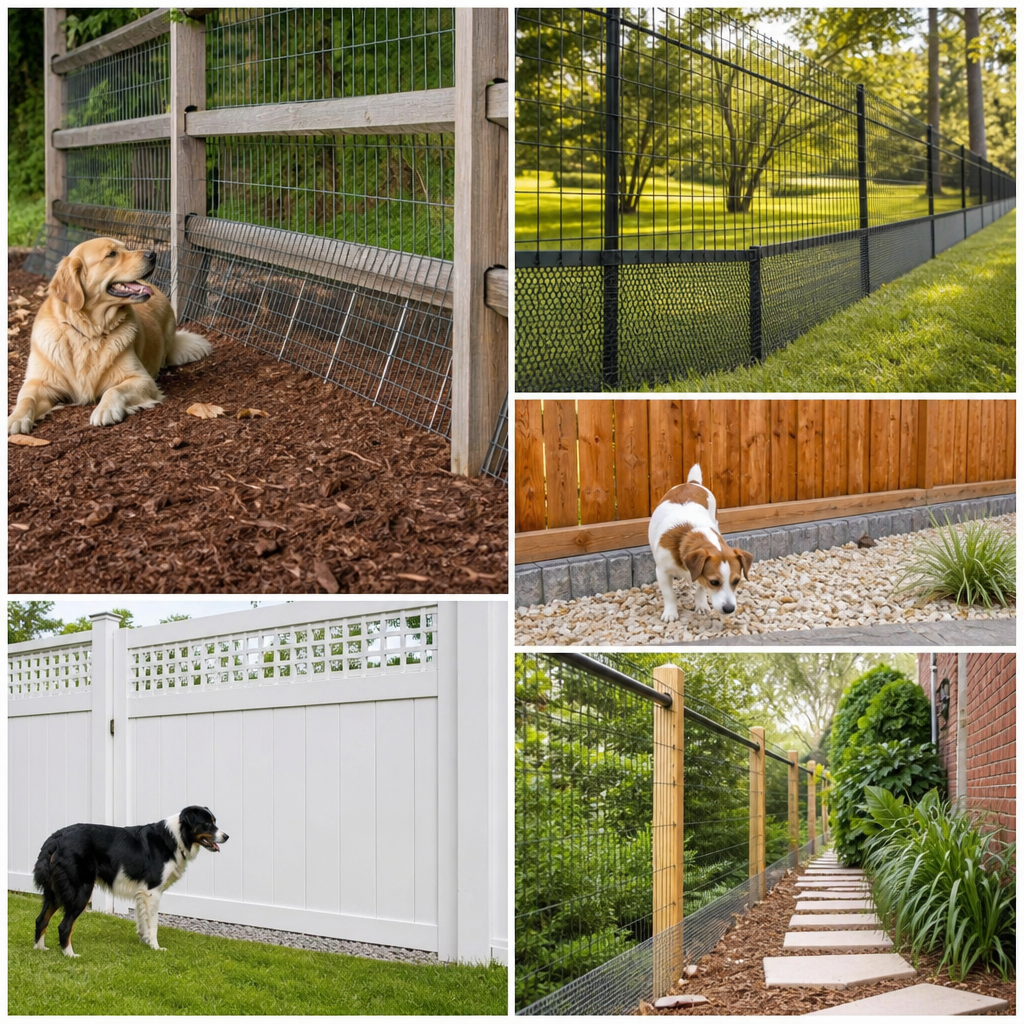
Let’s talk boundaries. Sometimes, all it takes is a little ingenuity in fence design to deter your dog from digging. Burying a portion of the fence underground or using chicken wire at the base can make it less appealing — or even impossible — for your dog to dig under it. A simple yet effective solution, especially for those Houdini dogs who love a good escape challenge.
Real Talk: When to Let It Go
Sometimes, you just have to accept a little digging as part of life with dogs. As long as they’re not destroying your prized rose bsuhes or digging under the fence, maybe a few holes here and there aren’t the end of the world. After all, dogs, much like us, aren’t perfect. they've quirks and sometimes those quirks involve dirt and paws. If you can roll with it, sometimes that’s the best approach.
And in the End, Embrace the Chaos
So, that’s the scoop on dogs and digging. It’s a journey of patience and understanding, and sometimes a little creative problem-solving. You learn to pick your battles and, occasionally, just let them dig a little. Because at the end of the day, those muddy paw prints and cratered lawns are just part of the beautiful chaos of sharing life with a dog. If you’ve got a digger, remember: you’re not alone, and with a little effort, you can find a way to balance your dog’s instincts with your sanity.