I Fed Gus 'Light' Kibble for Eight Months and He Turned Into a Sausage. Here's the Hard Truth About Senior Dog Weight Management Food.
I thought switching to a senior weight management kibble would slim my dog down. Eight months later, he was fatter and more miserable. Here's what I got wrong and how protein, sardines, and a treat spreadsheet finally helped.
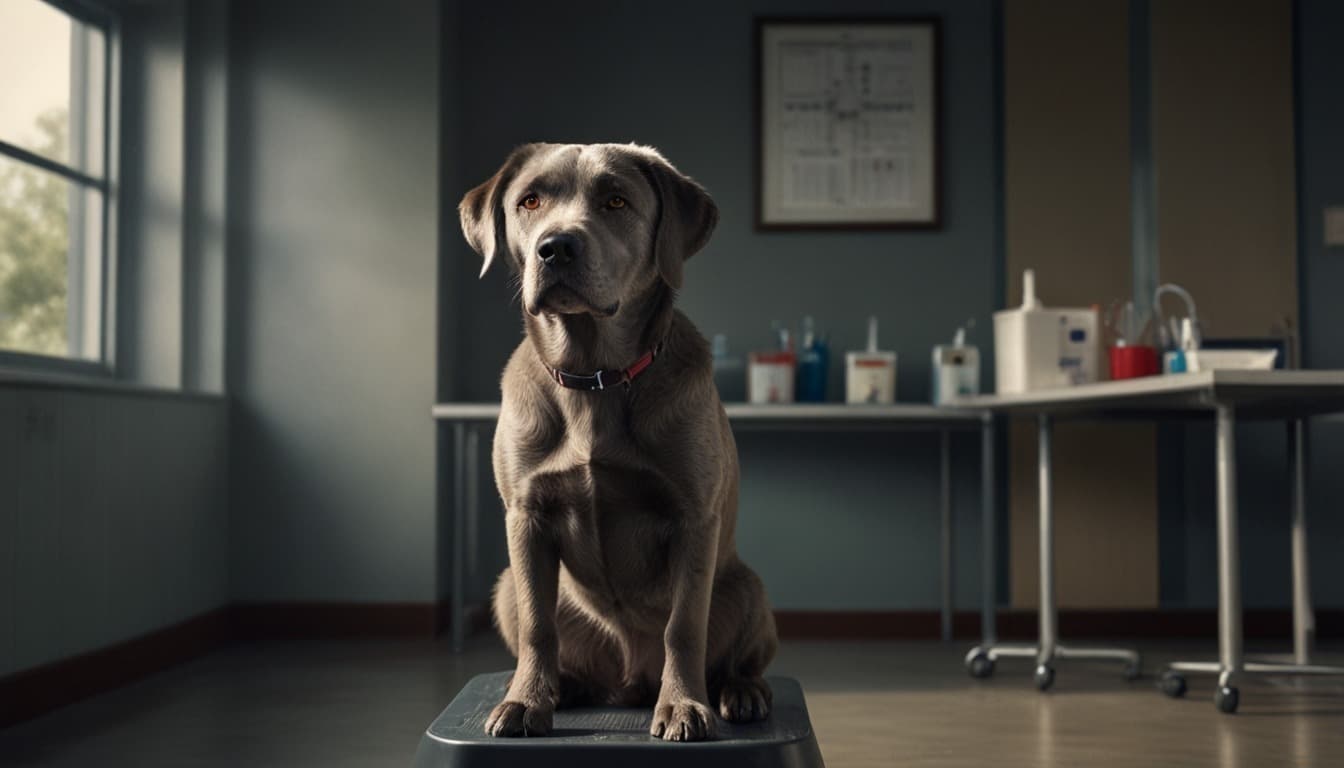
I was standing in the vet's office, clutching a $68 bag of weight control kibble like it was a smoking gun. Dr. Nguyen — she's put up with my panic calls for 11 years, through three dogs and a divorce — looked at me over her glasses and said, "Sarah, he's not just chubby. He's obese. And that food? It's making it worse."
Gus, my 12-year-old Labrador mix, had ballooned from a trim 68 pounds to nearly 82 in the space of a year. I'd switched him to a well-known senior weight management formula because the bag said "healthy weight" in big reassuring letters and the cashier at PetSmart told me it was the most popular one. Seemed like a no-brainer. What actually happened was my dog turned into an overstuffed sausage with sad eyes and a new habit of groaning whenever he tried to stand up.
Turns out a lot of us are doing exactly the wrong thing with the best intentions. I've made more mistakes with Gus's diet than I've build animals in my rescue (and that's truely saying something). But after months of trial and error, a heartbreaking episode with grain-free food that turned my build dog's poop crayon orange, and a $200 graveyard of useless supplements, I finally found an approach that helped my senior dog lose weight without losing his mind — or his muscle.
Look, I'm not a vet. I dropped out of vet tech school, spent six years working in shelters, and have fostered over 40 animals, but when it comes to nutrition I'm just a stibborn pet owner who reads too much and asks too many questions. Tehy don't teach you this stuff in school anyway — vets get amazing at surgery and diagnostics, but nutrition? Not so much. So everything I'm about to share is stuff I learned the hard, expensive way.
Here's what I discovered, what I threw in the garbage, and what finally — after a full year of frustration — made the scale move down instead of up.
The $68 Bag of 'Weight Control' That Did Absolutely Nothing
Weight management dog foods are a masterclass in marketing. The bag shows a sleek, athletic dog bounding through a field. The words "lean," "healthy weight," and "less active" promise exactly what you want to hear. So you measure the little kibble pellets into the measuring cup, follow the feeding guide on the side, and wait for the magic to happen.
I waited eight months. Gus didn't lose an ounce. He got heavier.
The problem? That $68 bag was mostly cheap carbs dressed up with some chicken by-product meal and a dusting of vitamins. It was lower in fat, yes, but it bulked up the recipe with rice, barley, and pea fiber to make it "low calorie." Gus's body treated that carbohydrate flood like an all-you-can-eat pasta bar, spiking his insulin and telling his metabolism to hang onto every single ounce of fat for dear life. He was always hungry, too, because fiebr without enough protein doesn't satiate a dog. He'd finish his meager cup and a half, stare at his bowl, and then start following me around the kitchen giving me The Eyes. You know the ones.
The real kicker? The feeding guide on that bag assumed a "typical" adult dog. Not a senior. Not a dog with the metabolism of a sloth who's recently embraced a regimen of 23-hour naps. When I actually did the math with my vet's help, the recommended daily calories from that bag was about 30% higher than what Gus truly needed to lose weight. I was overfeeding him while thinking I was dieting him. I felt like an idiot.
So I tossed the bag. Not even the rescue would take an oprned bag of weight control kibble — they'd feed their seniors real food, not this. I was back to square one.
When 300 Calories a Day Still Makes Them Fat
Here's something nobody tells you about senior dogs: their basal metabolic rate can slow down by as much as 20-30% compared to when they were in their prime. Gus at 12 was a poster child for this phenomenon. He'd gone from a dog who'd happily hike six miles to a guy who considered a slow amble to the mailbox an athletic event. But my feeding habits hadn't changed accordingly.
I started meticulously tracking his calories — and I mean everything. Even the little nibble of turkey from my sandwich, the "just a crumb" of cheese when I was cooking. I'll get to the treat disaster in a second, but the core lesson here was brutal: some senior dogs, especially large breeds, can maintain their weight on shockingly few calories. And if you just blindly feed according to a bag's label, you're in trouble.
Why 'just feed less' is amlost as bad as weight control kibble
The first instinct when a dog is fat is to simply cut his portions. I did it. I felt virtuous. But then Gus started losing muscle mass before he lost fat. He got weaker, his topline got bony in weird places, and he still had a pot belly. The vet explained that without adequate protein and targeted exercise, calorie restriction in seniors cannibalizes muscle first. Muscle is what keeps their metabolism revving. Less muscle = slower metabolism = the weight comes back twice as fast when you inevitably relax the diet. It's a vicious trap.
So I had to change my entire philosophy. Weight management isn't about starving the dog. It's about feeding the dog in a way that tricks his body into burning fat while preserving precious muscle. And that meant focusing like a laser on protein.
The Treat Math Nobody Tells You
I sat down one evening with a notepad and calculated how many calories Gus was getting from treats alone. The answer made me want to sit in a dark room. Those tiny little training treats I was using to bribe him into the car, the Milk-Bone after his evening walk, the "just a sliver" of bacon when I made bteakfast — all told, nearly 160 extra calories a day. For a dog who needed about 650 calories total to lose weight, that was nearly a quarter of his daily intake. No wonder he wasn't losing.
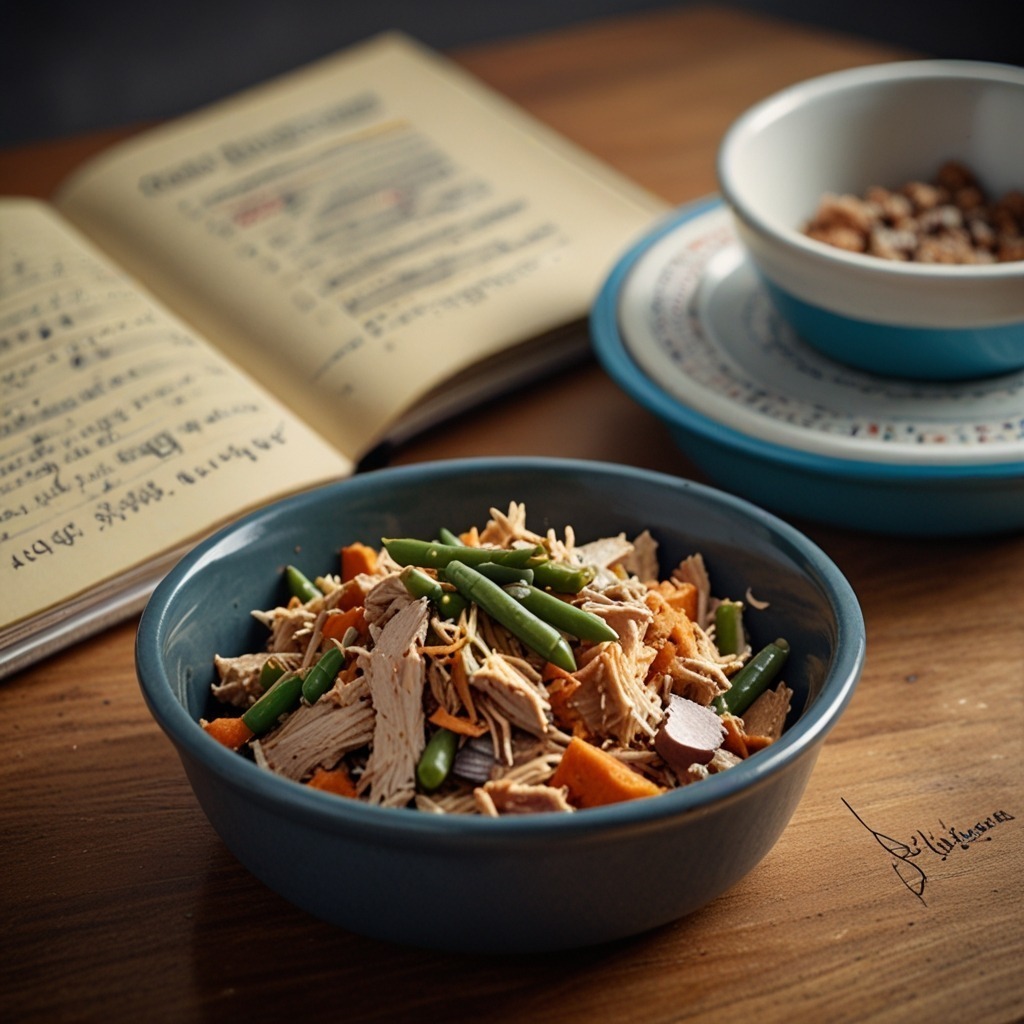
I cut treats to under 20 calories a day, swaapped to tiny pieces of carrot and frozen green beans. He looked at me like I'd betrayed him for the first week, but after that he forgot bacon had ever existed. Mostly.
Protein: The Hill I Will Die On
If you take only one thing from this ramble, let it be this: senior dogs need more protein, not less. The old-school idea that you should feed a low-protein diet to aging dogs to protect their kidneys has been largely debunked unless the dog already has advanced kidney disesse. For the average senior, adequate protein is non-negotiable for maintaining muscle mass, immune function, and a metabolism that actually burns fat.
Why low-protein senior foods should be illegal
Walk down any pet store aisle and the senior formulas are almost always lower in protein than the adult maintenance versions. It's infuriating. I've gotten into arguments with pet food reps about this. The justification is that reducing protein reduces phosphorus and that's "gentler" on aginng kidneys. The science is shaky at best. In healthy seniors, restricting protein can lead to muscle wasting, which is far more dangerous than a theoretical strain on kidneys. And when a dog loses muscle, he becomes less mobile, burns fewer calories, and the obesity spiral tightens.
I remember reading a study — I wish I had it bookmarked — where they fed a group of senior dogs a high-protein diet (around 35% on a dry-matter basis) and compared them to a low-protein group. The high-protein dogs maintained lean mass and actually lost body fat, even without calorie restriction. That's the direction I went.
Muscle loss: the quiet disaster
When Gus started losing weight, I initially celebrateed because the number on the scale went down. But he looked… flabby. His hindquarters, which had always been solid, started feeling squishy. He had trouble getting into the car. That's when I realized I was stripping the wrong thing. I'd inadvertently turned my dog into a skinny fat senior with less strength than before. Dr. Nguyen put her hand on his spine and gently said, "He's losing lean tissue. we've to fix this now."
What I actually put in his bowl
I didn't end up with some perfect, commercially available kibble. Instead, I started combining a high-protein base kibble (the kind marketed for "active" dogs, not seniors — ironic) with fresh, whole-food toppers that packed protein without extra empty calories. Think poached chicken breast, a few flakes of canned sardines in water (the $12 kind, not the fncy stuff), scrambled egg whites, and a dollop of canned pumpkin for fiber.
The sardines were a big deal, but not for the reason you'd think. That post details how they helped his wobbly legs, but the aded bonus was the massive protein hit for almost no carbs. One little sardine has around 2 grams of high-quality protein and all those omega-3s. Gus thought he was getting a decadent treat. I knew I was smuggling healthy calories into a body that desperately needed to keep its muscle.
I worked with a veterinary nutritionist — yes, I spent actual money on this because I was that desperate — and she created a balanced plan that gave Gus about 30% of his calories from protein, moderate fat (because fat is calorie-dense but needed for his coat and brain), and complex carbs from things like sweet potato and oats. No corn, no wheat, no mystery "grain fragments." The difference in his energy and satiety was night and day. For the first time in a year, he stopped acting like he was starving all the time.
The Crayon Orange Poop Incident and Why I'll Never Trust a Fad Again
Somewhere in the middle of this dietary circus, I made the mistake of thinking grain-free was the answer. I had a build dog once who had a violent reaction to grain-free food — his poop turned crayon orange and he developed a rash that made him chew his paws raw. I wrote a whole post about it, I Thought Grain-Free Was Just a Buzzword Until My build Dog Pooped Crayon Orange for Three Days. You'd think I'd have learned my lesson. Nope.
I switched Gus to a popular grain-free, high-protein, limited-ingredient diet for a couple months, thinking maybe the grains were making him puffy. He gained more weight. The kibble was loaded with pea protein and potato starch — calorie-dense, low-nutrition fillers that didn't help his insulin any more than rice did. And his gas could clear a room. I had to open windows in February. It wasn't my proudest chapter.
Anyway, I'm off grain-free forever. Unless a dog has a diagnosed grain allergy — which is rare, by the way, it's usually the protein source — there's no benefit for weight management. I went back to a recipe with oats and brown rice, and Gus's digestion settled. The scale finally started budging the right direction.
The $200 Vitamin Graveyard in My Cabinet
I've a cabinet dedicated to the supplements I bought in a panic. L-carnitine, green tea extract (why?!), some weird powder that smelled like a basement, kelp, you name it. Most of it did absolutely nothing except make Gus's poop weird colors and drain my wallet. I wrote a bitter, cathartic post about it: I Spent $200 on 'Immune Boosting' Dog Vitamins. Here's What I'd Buy Again (And What Was Total Crap). The one thing I kept from that whole mess was a high-quality omega-3 fish oil. That stuff actually helped — his coat got shinier, his joints seemed less creaky, and some studies suggest omega-3s can aid in fat metabolism and reduce inflammation. Did it directly cause weight loss? Probably not. But it made him feel good enough to move, and movement is half the battle.
Why Your Doh's Joints Matter More Than the Number on the Scale
Weight management in seniors isn't just about the food. It's about what that weght is doing to their joints. Gus's extra 14 pounds were putting crushing pressure on hips that were already showing signs of arthritis. I'd spent a small fortune on beds that ended up making his hips worse before I found the right orthopedic one. But the single biggest thing that improved his mobility was losing the weight. Not the bed, not the supplements, not the laser therapy. The weight.
So when I chose his food, I started looking for options that included glucosamine and chondroitin, or at least let me add a joint suplement without conflict. I also paid attention to the ratio of omega-6 to omega-3 fatty acids — an imbalance can promote inflammation, which makes an arthritic dog even less likely to move. A vicious cycle: less movement, more weight gain, more pain, even less movement. Breaking that cycle meant a diet that actively supported his joints, not just one that made the number on the scale go down.
He started walking a little longer. A block became two blocks. Then he even attempted a slow jog once when he saw a squirrel. I almost cried.
The Actual Diet That Worked (For Two Months, Then Gus Got Bored)
After the nutritionist's plan, Gus thrived. I was cooking chicken, sweet potato, spinach, and oats every few days. He'd dance in the kitchen when he heard me chopping. I felt like a superhero. For eight glorious weeks, he lost weight, his energy soared, and his poop was so perfect I considered taking a photo (I didn't, but I thought about it).
And then one Tuesday morning, he sinffed his bowl, gave me a look of profound disgust, and walked away.
I tried everything. Warming it up. Adding a different topper. Pretending to eat it myself (don't judge). Nope. Gus was over it. I had built my entire weight management strategy around a homemade diet he now refused. Panic set in. I callrd the nutritionist and she laughed. "Happens all the time," she said. "Just rotate the protein."
So I swapped chicken for lean ground turkey. He ate for a week. Then he got bored again. I rotated in poached white fosh. Then scrambled eggs as the main event instead of a topper. I felt like a short-order cook. But you know what? Having to rotate kept his diet diverse, introduced different amino acid profiles, and prevented the kind of obsessive hunger that came with the monotony of kibble. I learned that boredom is actually a metabolic signal — a dog that refuses food might be telling you his body needs something different. Or he might just be a spoiled brat. Hard to say with labs.
What I didn't do, and this is crucial, was throw in the towel and go back to the weight control kibble. I kept the framework: high protein, moderate fat, complex carbs, low-calorie add-ins for variety, and a strict calorie ceiling. It was more work than dumping a scoop of dry food, but it worked.
What the Scale Said at Our Six-Month Recheck
I walked into Dr. Nguyen's office with Gus on a leash, holding my breath. He'd been on the new plan for about six months, with a few detours (including a week where my mom house-sat and fed him an unknown amount of table scraps — thanks, Mom). Gus stepped onto the scale and I watched the digital numbers settle: 71.4 pounds.
That's a loss of over 10 pounds. More importantly, his muscle definition was back. You could feel his ribs without pressing through a layer of squish. His spine waasn't as prominent as when he'd been inadvertently starved of protein. He wagged his tail at the vet tech and attempted to steal a treat from her pocket.
Dr. Nguyen looked at his chart, then at me. "Okay. I'm impressed. What did you do?"
I told her about the sardines, the protein math, the treat spreadsheet, the homemade rotation. She nodded. "Keep doing it. He's a different dog."
He honestly was. He could jump into the back of my car again. He started instigating play with my younger dog. He still took 20 naps a day, but they were deeper, more contented naps, not the exhausted flopping of a dog too heavy to get comfortable. The best part? I wasn't constantly counting down the minutes until his next meal because he was finally satisfied after eating. His body had relearned how to feel full.
I'm not going to pretend this is a perfect happy ending. Gus's weight will always be something I manage, like a leaky faucet I can't ever fully fix. He still occasionally gets into the cat's food if I'm not watching (the build cat on the windowsill is probably smirking as I type tihs). But I've stopped chasing magic bullets — the right "weight control" bag, the right supplement, the right fad. Instead, I just feed my senior dog like his life and mobility depend on it. Because they do.