The Teething Toy That Shattered Into Daggers and Cost Me $340 in X-Rays — Here’s What I Actually Give My Foster Puppies Now
I've fostered 40+ teething puppies and made every toy mistake. Here's what survived my chaos—and what almost killed a puppy.
Last summer I fostered a 10-week-old Lab mix named Kipper who had jaws like a tiny alligator and a personal mission to dismantle my baseboards. I had bought a “teething toy” that was supposedly indestructible—a $22 nylon bone that looked like it could stop a bullet. Within 11 minutes, Kipper had ground off a corner the size of my thumbnail and swallowed it. I didn’t know he’d swallowed it till the next morniing when he pooped what looked like confetti. I spent the next hour on the phone with the emergency vet (Dr. Nguyen, bless her, who’s been taking my panicked calls since my divorce and has the patience of a saint). She said to watch for vomiting or straining, and I spent the whole day staring at a puppy’s butthole like that’s a normal way to live.
I’ve been at this pet gig for 14 years. I’ve fostered over 40 dogs and cats, mostly the ones nobody else wants—the ones with health issues, the scared ones, the chewers. And I’ve made every teething-toy mistake there's. I’ve bought the cutesy plush toys that explode stuffing in 30 seconds. I’ve screwed up with rawhifes that could’ve blocked a gut. I’ve watched a puppy gnaw on a “soft rubber” ring that turned out to be hard plastic and cracked a baby tooth. So here’s what I actually trust now—and what I wouldn’t hand to my worst enemy’s puppy.
$40 Nylon Bone, $340 in X-Rays
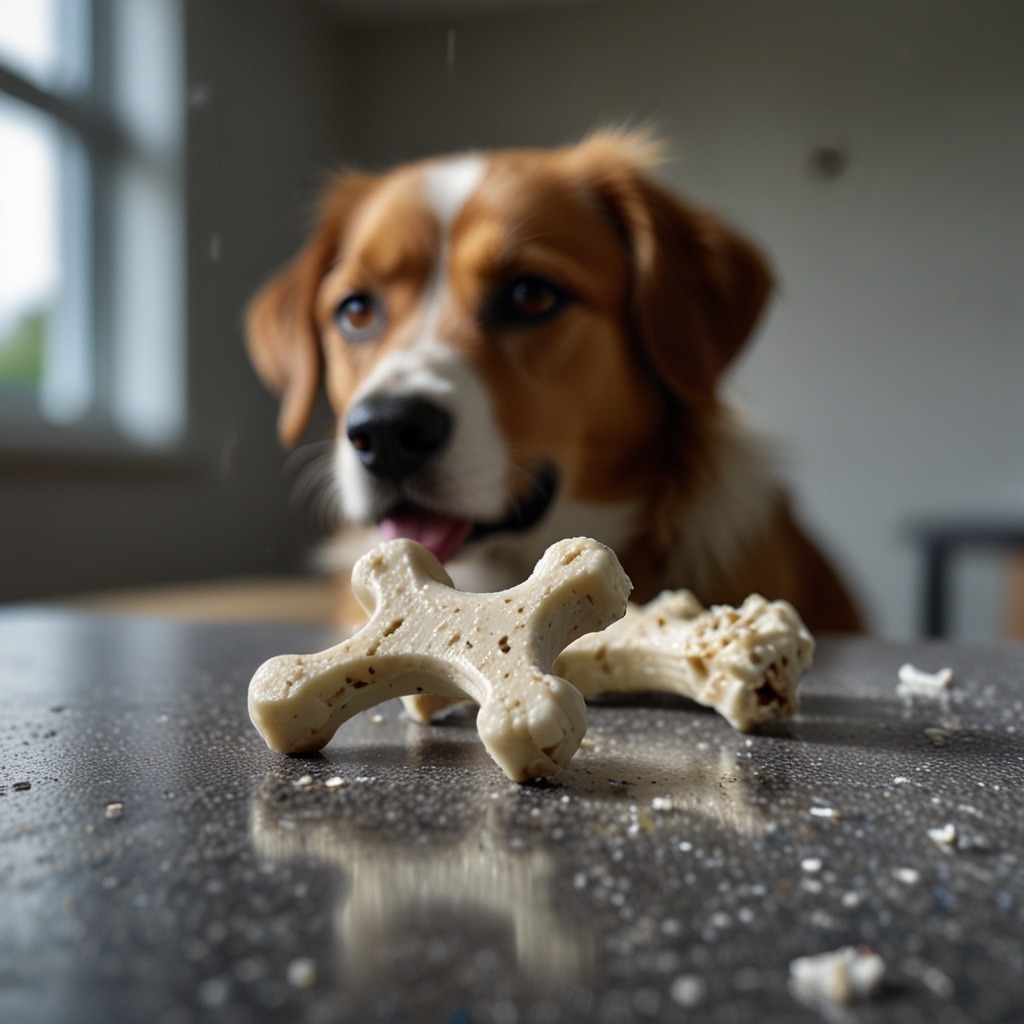
That nylon bone Kipper mangled? Definately not an accident. Those things are marketed as “durable chews” but what they really do is shatter into sharp little shards that can perf your dog’s insides. I learned this the expensive way, obviously. After that incident, Dr. Nguyen told me she’s pulled nylon chunks out of dog intestines more times than she can count. There’s a reason some vets call them “the silent killers.” They don’t always show up on x-rays clearly because nylon isn’t radiopaque enough. So your dog could be walking around with a piece lodged in there and you’d just think he’s “off his food.” By the time they’re vomiting, it’s surgery time.
That’s why I've a hard rule now: If I can’t make a dent in it with my fingernail, a puppy doesn’t get it. Period. Puppy teeth are fragile—those baby canines are basically needles—and they can fracture on anything too hard. When a puppy fractures a tooth, you’re looking at extraction or a root canal, and that’s a bill that will make you reconsider your life choices.
I’ve had people argue with me: “But my breeder said to give the puppy a hard bone to chew.” Okay, and your breeder isn’t the one who’ll be scrubbing blood out of the carpet. I’m not a vet, but I’ve sat in an exam room while a vet tech held a crying 4-month-old Shepherd mix steady as they pulled a shard out of her gum. It’s not a theoretical issue.
So what counts as “too hard”? Antlers, hooves, bones (especially weight-bearing bones from big animals), hard nylon, and those plastic “flavored” bones that smell like chemical bacon. All of those should come with a warning label that says “I'll cost you a mortgage payment if your puppy actually chews me.” I used to think antlers were “natural” and therefore safe. Nope. I gave a build a split elk antler once, and she cracked a molar. I still feel sick about it.
The Kong: Boring, Ugly, and Absolutely Essential
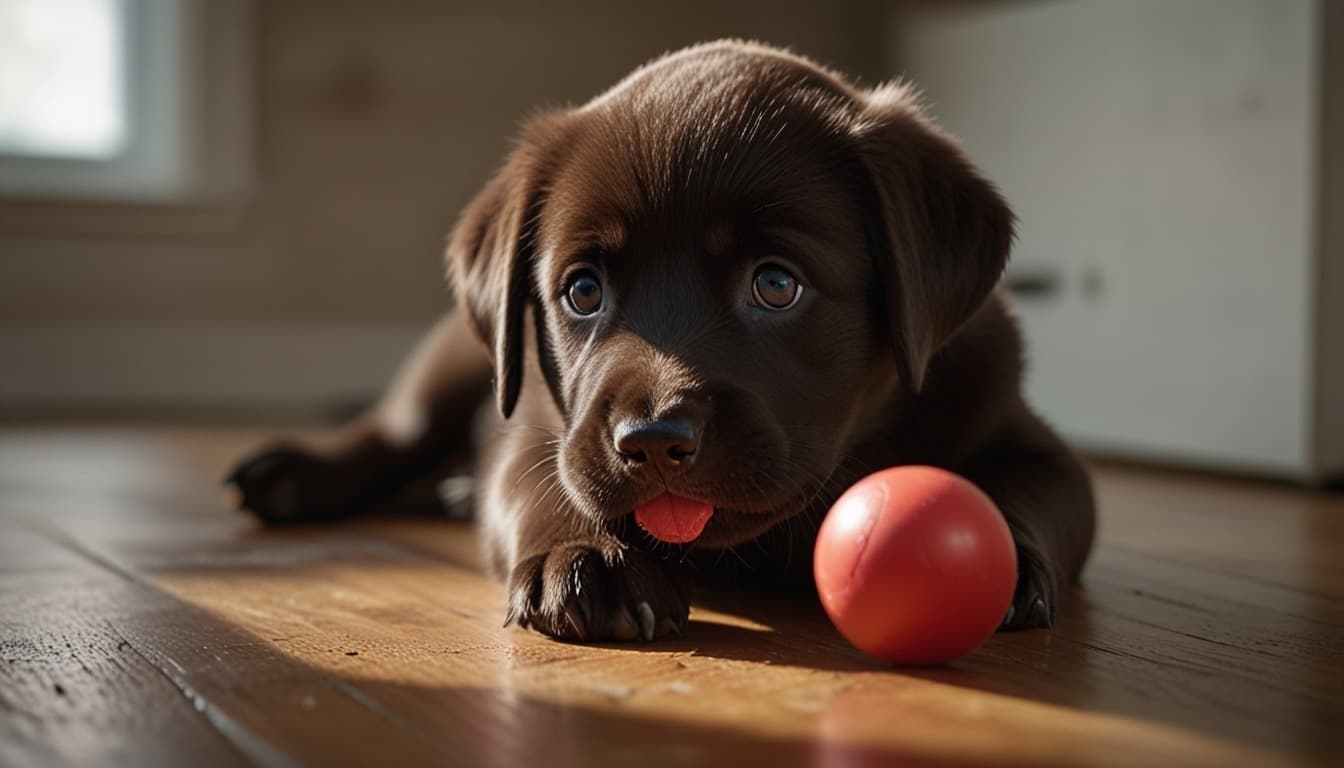
I hate the color red. I hate how they look like weird butt plgs. But I'll never be without a Classic Kong in my house as long as I've puppies. It’s the one toy that’s survived every single build—40+ dogs of every size, and not one has managed to destroy it. It’s not indestructible in the absolute sense; a determined heavy chewer can eventually tear off bits, but for supervised teething relief? It’s my go-to.
The trick is stuffing it and freezing it. That’s the real magic. I soak some of their kibble, mash it into the Kong, plug the small end with a little peanut butter, and freeze it solid. When the puppy starts shark-attacking your ankles or going for the chair leg, you hand them the frozen Kong. The cold numbs their gums, the licking and chewing soothes them, and they spend 20 minutes working on it instead of destroying your house.
I learned this from a trainer at the shelter where I worked for six years. Shout out to Maria, who once told me, “Sarah, stop overthinking it. Kong, kibble, freezer. Done.” I had been buying these elaborate puzzle toys that cost $40 and the puppies ignored them. Maria was right. The simplest thing works best.
The Kong isn’t perfect, though. Some puppies get frustrated if they can’t get all the food out, and they’ll abandon it and go back to chewing the baseboards. If that happens, start with loosse kibble in the Kong—no freezing, no stuffing tight—so they get the reward easily. Gradually increase the difficulty as they figure it out. I’ve had puppies that just stared at a frozen Kong like “What the hell am I supposed to do with this?” So you’ve got to meet them where they're.
What About Rope Toys?
I've a complicated relationship with rope toys. They’re great for tug, and puppies love them. But I’ve had two clse calls with ingested strings. One build puppy ate about six inches of cotton rope and it came out the other end still attached to the rest of the toy, which meant I had to… you know, assist. That’s a story I won’t tell in detail. Another time, a puppy swallowed a bunch of threads and we ended up at the vet because he was retching. Turns out the string had wrapped around the base of his tongue—a true emergency if there ever was one. The vet bill: $460. I learned my lesson.
Now I only use rope toys made from natural, untreated cotton and only under supervision. If I see even a single thread coming loose, I cut it off and throw the whole toy away. Some people let their dogs gnaw on rope toys unsupervised, and honestly? That’s Russian roulette with a $2,000 surgery. I♀m too broke for that.
My Favorite Rope Toy (That Doesn’t Disintegrate)
I found a brand that braids their ropes differently—the strands are thick and woven so tightly that even my chompiest fosters can’t pull out individual threads. I wish I could tell you it’s some fancy specialty thing, but it’s honestly just a well-made cotton rope with knots at both ends. The key is the braiding. Look for ropes that have a “diamond braid” or “climbing rope” construction. Those hold up better.
When Ropes Go Wrong: A Cautionary Tale
I mentioned the string-around-the-tongue incident. It happened with a puppy named Gus—different Gus from my older dog, this was a build who looked like a tiny polar bear. He was the sweetest little guy, and one afternoon I gave him a rope toy while I was cleaning the kitchen. I wasn’t paying attention. Ten minutes later, he’s pawing at his mouth and gagging. I looked in and saw a thread hooked under his tongue. I had to hold him still while my ex-husband (we were still married then) snipped it with scissors. It was terrifiying. We were lucky it hadn’t sawed into his flesh or travleed further down his throat.
So yeah, I’m paranoid about ropes. They can be okay—just don’t leave them alone with one. And if the rope gets frayed, trash it. Not worth it.
The Frozen Washcloth Trick My First Puppy Taught Me
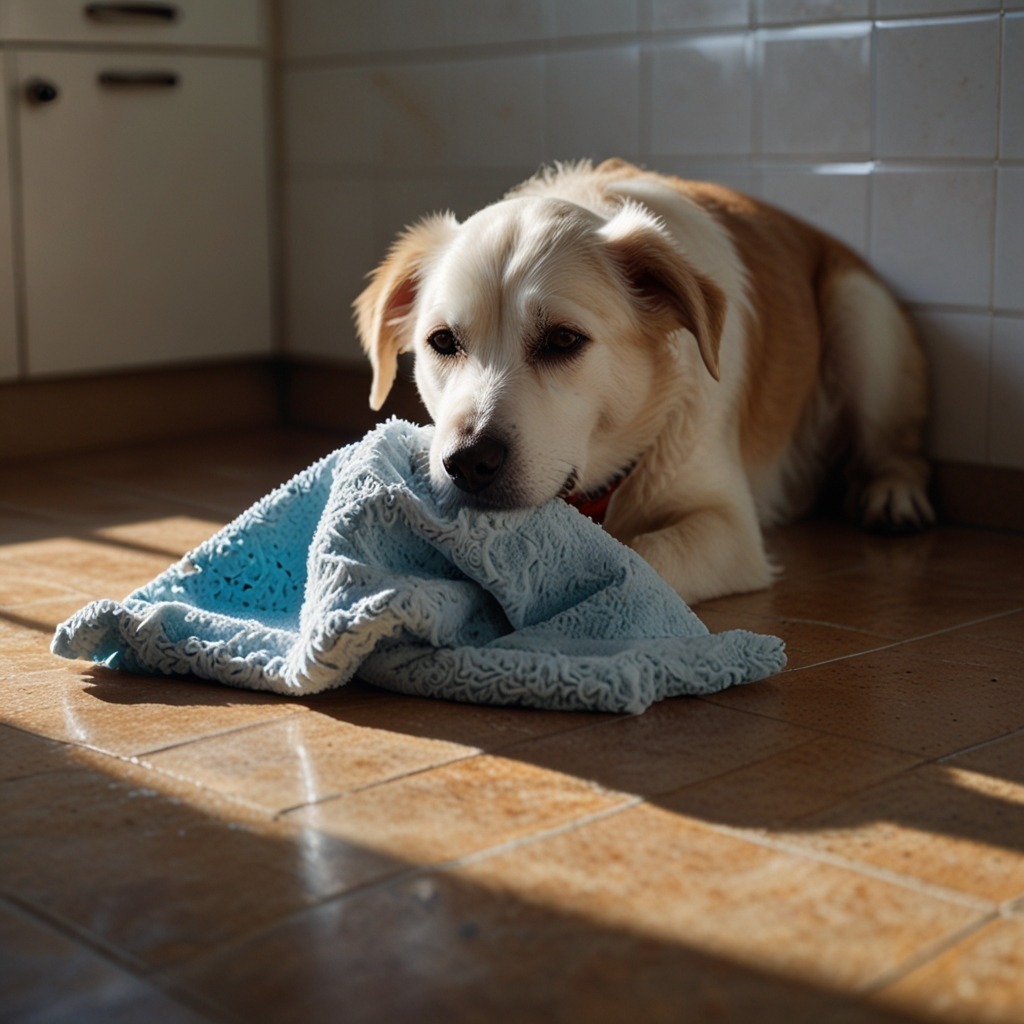
This one’s free. I stumbled on it by accident when I was 22 and had no money. A build puppy was teething so badly she wouldn’t sleep, just cried and chewed on the bars of her crate. I was desperate. I wet a clean old washcloth, twisted it into a rope, and stuck it in the freezer for an hour. When I gave it to her, she grabbed it and started gnawing and it was like magic. The cold soothed her gums, the texture gave her something to work her mouth on, and within 15 minutes she passed out on my lap.
I’ve used this trick dozens of times since. I’ve even recommended it to adopters who didn’t want to buy a bunch of toys. It’s cheap, it’s safe as long as the cloth is large enough they can’t swallow it, and it works. The only thing is, some puppies will try to shred the cloth once it thaws, so you can’t just leave it in the crate unsupervised. But for supervised teething relief? Best zero-dollar solution I know.
Edible Chews: The Murky, Sometimes Gut-Wrecking Category
Ah, edible chews. This is where it gets dicey. you've bully sticks, yak chews, no-hide chews, sweet potato chews, collagen sticks… it’s an entire industry built on the idea that puppies need to gnaw on something they can ingest, not just chew. And I get the appeal. A good edible chew can occupy a teething puppy for an hour or more. But I’ve also—and this is a crucial but—I’ve also had build puppies who got raging diarrhea from bully sticks, one who choked on a piece of yak chew she bit off too early, and another who had an allergic reaction to a “natural” pig ear that made her face swell up like a marshmallow.
I’m not saying don’t use tjem. I’m saying go in with your eyes open and your vet’s number saved in your phone. Here’s what I’ve settled on over the years, after much trial and a few vet visits.
Bully Sticks: The Good, The Bad, The Smell
Bully sticks are dried bull penises, which I've to mention because it’s both disgusting and scientifically amazing. Dogs love them. They soften as they chew, so they’re unlikely to break teeth, and they don’t splinter. They also smelll like a barn. Worse, like a barn on fire. There are “low-odor” versions, but my experience is that they still stink up your house.
The real concern with bully sticks is calories and bacteria. They’re dense with protein and fat, so if your puppy is already on a rich diet, adding a daily bully stick can tip them into diarrhea territory—trust me, I’ve mopped that up at 3am more times than I can count. There’s also the delightful fact that bully sticks can carry bacteria like salmonella, and while dogs usually handle it fine, they can pass it to you if you’re not careful. Wash your hands after handling them. And maybe don’t let your puppy drag it all over the couch.
Oh, and a side note: I once gave a bully stick to a 12-week-old puppy who managed to swallow the last two inches whole. She then proceeded to vomit it up an hour later, and it was… intact. Just sitting there on my rug, a little slimy time capsule. I use a bully stick holder now—one of those plastic clamps that prevents them from swallowing the end. Best $12 I ever spent.
Yak Chews: Hard Pass (Mostly)
Yak chews are made from hardened yak milk. They’re rock solid until the dog works on them for a while, then they become a bit gummy. In theory, puppies can slowly wear them down. In practice, I’ve had puppies who cracked a tooth on one because they tried to chomp it like a bone. One of my fosters, a little terrier mix, broke a premolar on a yak chew and the extraction cost me $700. I’m still salty about it.
Some people swear by yak chews. I won’t touch them for a puppy under six months, and even then I’m watching like a hawk. If you do use them, you can microwave the small leftover piece at the end to turn it into a puffy cheese snack—that part is actually fun. But for teething puppies? I’d rather not.
No-Hide Chews: The Compromise I Can Live With
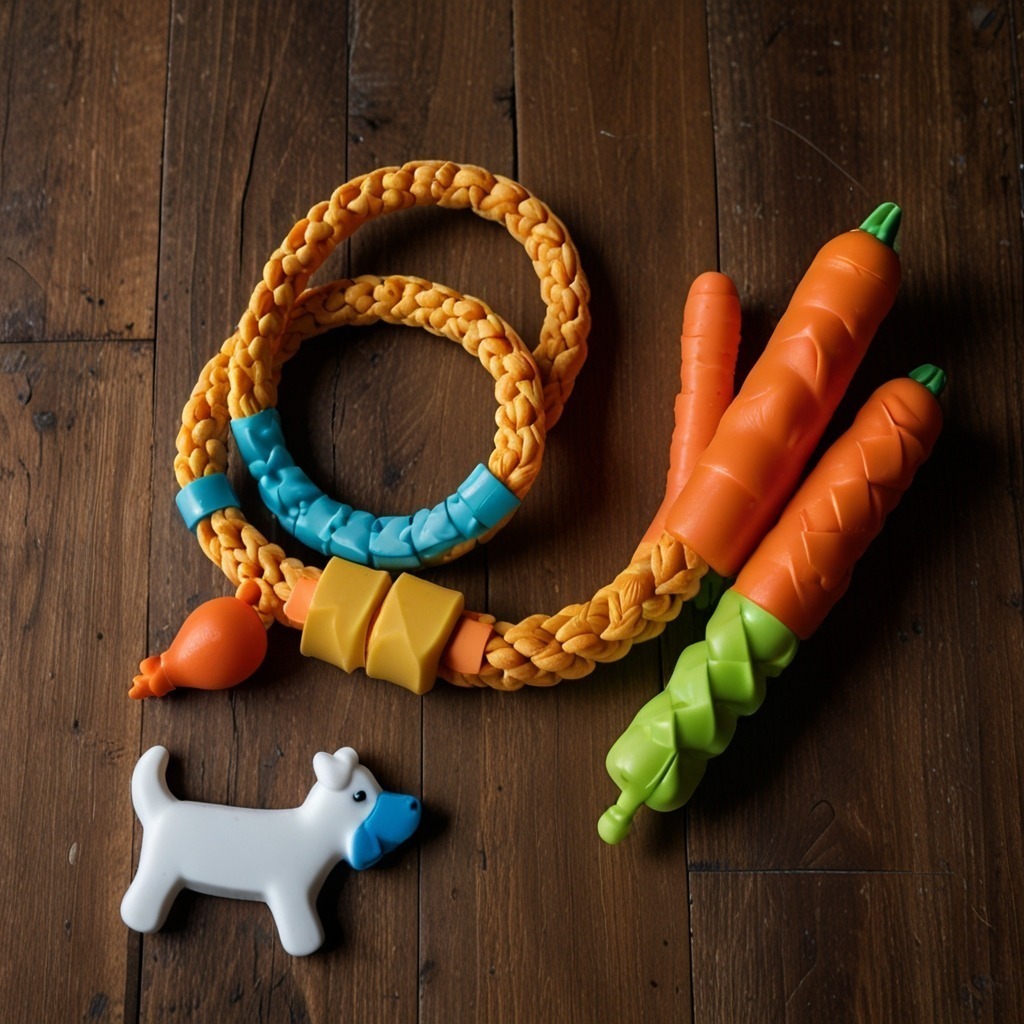
I used to be a hard no on anything called “no-hide” because it sounded like a marketing gimmick. But after a build mom friend convinced me to try the Earth Animal brand, I’ve softened. These chews are made from rice flour, vegetable glycerin, and other digestible ingredients. They break down in the stomach if swallowed, unlike rawhide which can sewll and cause a blockage. I’ve seen a puppy swallow a chunk of no-hide and pass it without any drama. Can’t say the same for rawhide, which I’ll rant about later.
The downside: they don’t last as long as rawhide or bully sticks. A determined puppy will blast through one in 15 minutes. So they’re more of a treat than a real chewing solution. Still, as a teething distraction that won’t land you in the ER, I keep a bag around.
Why I Won’t Let Rawhide Anywhere Near My Fosters
If you’ve ever watched a puppy with rawhide, you know they can soften it and then swallow large swaths. That rawhide swells in their stomach. I’ve had friends whose dogs needed surgery to remove a rawhide obbstruction, and it’s not a cheap surgery. The pieces are also chemically treated with things like bleach and formaldehyde in some cheap brands. It’s just—ugh. Even “natural” or “grass-fed” rawhide can still cause blockages. I don’t care what the packaging says. No rawhide in my house, ever. And if you think this is dramatic, remember the time I paid for x-rays after a stupid nylon bone—foreign body surgeries are no joke.
The Rubber Chicken That Outlived Everything
Okay, this one’s a weird recommendation, but hear me out. There’s a specific toy I’ve bought for every single teething puppy over the past five years, and it’s a rubber chicken that honks. Not the flimsy latex kind that pops—a thick, durable rubber chicken that’s designed for tough chewers. It has a weird, lumpy texture that puppies seem to love, and it makes the most obnoxious honking sound known to man. I’ve had build puppies cary this thing around for weeks, chewing on it, shaking it, sleeping with it. And it’s never had a tooth poke through.
I think the reason it works is that the rubber is just soft enough to be satisfying but tough enough to hold up. The irregular shape massages their gums in different spots. And the honking is a bonus for them—though for you, it might drive you up the wall. I’ll take honking over chewing on furniture, any day.
I should mention the brand, but honestly, I’m not here to shill. I found it at a local pet shop and it doesn’t even have a label anymore becaue the tag wore off years ago. But if you look for “durable rubber chicken dog toy” you’ll find something similar. The key features: thick rubber, no small parts that can be ripped off, and a squeaker/honker that’s encased in a safety pouch inside. If you get one where the honker is just sort of free-floating in a thin membrane, skip it. Puppies will disembowel that in minutes.
When Chewing Isn’t Teething: The Anxiety Chewer I Misunderstood for Months
I had a build dog a few years ago who chewed everything—not just while teething, but out of pure anxiety. He was a 1-year-old Border Collie mix who had been bounced between three homes before he landed with me. He’d gnaw on door frames, window sills, even drywall when I left the room. I tried every toy in my arsenal and nothing worked because it wasn’t about his gums—it was about his brain.
I ended up working with a veterinary behaviorist, which is a fancy way of saying I spent $400 on someone telling me my dog had seperation anxiety and needed meds and desensitization training. But she was right. The chewing stopped only after we addresed the underlying panic. If your puppy is chewing obsessively, beyond what’s normal for teething, don’t just keep throwing toys at them. Talk to your vet. It might be anxiety, or it might be a nutritional deficiency, or it might be a gastro issue (yes, stomach pain can make them chew things, weirdly enough). I wrote about that whole gut warzone episode when I was losiing my mind over my build dog’s diarrhea, and chewing was part of the puzzle too.
This tangent is just to say: toys are a piece of the puzzle, not the whole picture. Teething lasts from about 3 weeks to 6 months old depeding on the breed. If you’ve got a puppy over 8 months still destroying your house like a tiny excavator, it’s probably not just the teeth.
Frozen Carrrots: The Snack That Doubles as a Gum Soother
I keep a bag of whole carrots in my freezer specifically for teething puppies. They’re cheap, they’re healthy, and they’re cold. I wash a full-sized carrot, freeze it overnight, and then supervise while the puppy gnaws on it. The cold soothes inflammation, the carrot gives a little as they chew, so it’s not a tooth-breaker, and they get some fiber. I wouldn’t leave them unattended with it—some puppies will try to bite off a chunk that could be a choking hazard—but as a 10-minute teething break, it’s brilliant.
One of my first build dogs, a Lab/Shepherd mix, would literally run to the freezer when she heard it open because she knew the carrot was in there. She associated the freezer door sound with relirf. It was adorable and also a little pathetic that her life’s biggest joy was a frozen vegetable, but dogs are simple creatures.
The Deaht of a Plush Toy (in Under 30 Seconds)
Then there are plush toys. The cute, squeaky, fluffy things with faces. I don’t know who designs these for teething puppies, but they clearly don’t own dogs. I once bought a “tough plush” toy that claimed to be double-stitched and reinforced with “chew guard technology.” I gave it to a 14-week-old Pit mix. The squeaker was out in 22 seconds. The stuffing was everywhere in 45 seconds. By the one-minute mark, the toy was just a sad, flat skin.
don't waste your money. I know they’re cute, I know your puppy deserves nice things, but plush toys are for adult dogs who have learned soft mouths, or for gentle supervision only. The only exception I make is for very young puppies (8-10 weeks) who aren’t strong enough to destuff things yet. Even then, I’m snipping off any plastic eyes or noses that could be swallowed.
My Go-To Teething Toy Rotation
If I could only pick five things for a teething puppy’s toy box, here’s what I’d have:
- 1 Classic Kong (the red one, size appropriate for the dog’s aduult mouth, not puppy size because they’ll outgrow it too fast) — frozen with kibble and peanut butter.
- 1 Durable Rubber Chicken with a honker — for active chewing and fetch.
- 1 Frozen Carrot — because it’s essentially a health food with a side of gum relief.
- 1 Rope Toy (thick, well-braided, natural fibers) — for supervised tug sessions and gnawing.
- 1 No-Hide Chew — for when they need to settle and I need 20 minutes of quiet.
That’s it. I don’t need a bin full of toys. I’ve had puppies that were overwhelmed by too many options and just started chewing the furniture anyway. Keep it simple, rotate them so they stay interesting, and always, always supervise.
The Stuff I Threw Out (and the Lies I Believed)
Let’s talk about the crap I fell for over the years. “Indestructible” is a marketing word that means nothing. I’ve seen dogs destroy “indestructible” toys in under five minutes. “Vet recommended” ofetn means one vet was paid to endorse it. “Natural” doesn’t equal safe—poison ivy is natural. I’ve wasted so much money on teething “solutions” that were just colorful trash.
Here’s a quick list of what’s rotting in a landfill thanks to my bad decisions:
- Flavored plastic bones — smeled like chemical vanilla, shattered, and my puppy got the runs just from licking them.
- Latex squeaky toys — popped, swallowed, pooped out. Twice.
- Cornstarch-based bones — wimpy. Dissolved into a starchy goo that gkued itself to my rug.
- “Teething rings” made for puppies — actually just hard plastic rings that could crack teeth.
- Freeze-dried animal parts (ears, snouts, feet) — caused gassiness and diarrhea that made me evacuate my living room.
I’m not perfect. I’m just someone who’s been doing this long enough to know that most pet products are designed to appeal to humans, not dogs. Dogs don’t care if a toy is shaped like a cactus or has a cute face. They care about texture, smell, and whether they can destroy it. And honestly, I’ve made the same mistake with cat stuff—like that $90 carpeted scratching post every build cat ignored.
The $800 Baseboard Repair and Why I Stopped Panicking
Here’s a story with no advice, just commiseration. When I moved into this house seven years ago, it had original 1950s wooden baseboards, and my then-9-month-old build puppy chewed a 6-inch section of one down to the bare wood while I was in the bathroom for literally two minutes. I came out to find her happily munching on it like a stick. I cried. I called a carpenter who quoted me $800 to match the old wood and repair it. I didn’t have $800, so I lived with a chewed-up baseboard for three years until I could afford to fix it.
During those three years, every time someone visited, they’d point at it and ask, “What happened there?” and I’d have to tell the story and feel like a failure. But you know what? That puppy got adopted by a lovely family and is now a senior dog who sleeps on a memory foam bed and hasn’t chewed a baseboard in a decade. And my current baseboards are still intact—mostly because I’ve learned to keep a puppy within arms’ reach at all times unleds they’re in a safe, puppy-proofed area with proper chews. And I’ve also finally learned how to pick the right confinement setup—I once bought three crates before getting it right.
My point is: things will get destroyed. You’ll lose a shoe, a remote control, a chunk of wall. It’s part of puppy life. Don’t let anyone make you feel like you’re a bad dog parent because your teething puppy acted like a teething puppy. Just do your best, provide appropriate outlets, and keep the emergency vet number handy.
When My Puppy’s Chewing Cost Me a Tooth (Her Tooth, Not Mine)
This is a short one. I mentioned earlier that hard chews can crack teeth. One of my build puppies, a little greyhound mix named Luna, had these delicate needle teeth and a jaw strength that made no sense. I gave her a split antler (I know, I was an idiot) and she broke off the tip of a canine. The vet had to ectract what was left because the root was exposed and she was in pain. I felt like absolute garbage. Luna was fine, but I never gave another antler to a puppy after that. Hard things are for hooves and horns, not puppy mouths.
What My Current build Puppy Is Chewing on Right Now
Right this moment, there’s a 13-week-old sheperd mix asleep on my feet. Her name is Pigeon (don’t ask, the rescue names are weird) and she’s in the thick of teething. Beside me on the floor are her three current chews: a frozen Kong with kibble, a braided rope toy that’s missing about an inch because I cut off frayed ends, and a thikc rubber chicken that honks when she steps on it. That’s it. She’s not chewing my furniture. She’s not chewing my shoes. She’s content.
It took me over a decade to get to this point of simplicity. I used to have a basket overflowing with toys, half of which were destroyed or ignored. Now I know that a few well-chosen items, rotated and used correctly, can save your sanity and your puppy’s teeth. I’m not saying you need to go buy the exact toys I use. Every pupppy is different. Some love rubber, some prefer rope, some will only chew on ice cubes. The principles matter more: soft enough to dent with a fingernail, no small pieces, supervised, and frozen when possible. And if you’re ever in doubt, ask your vet—not the pet store employee who’s paid to sell you stuff.
Now Pigeon is starting to stir and I need to take her out before she piddles on my rug, so I’m gonna end this here. Hope some of this helps save you a sofa leg or two.