
My Dog Started Shaking at 2am and I Spent the Next Four Hours Googling 'Can Dogs Have Strokes' (Spoiler: It Was His Breakfast)
My 11-year-old pit mix started shaking at 2am and I spent four hours Googling brain tumors. The real cause? Embarrassingly simple. Here's what 14 years of rescues taught me about tremors, seizures, and the $600 nothing-burger.
2:17 AM and my dog wouldn't stop trembling
The first time it happened, I was half-asleep with a 45-pound pit mix wedged against my ribs. Normal Tuesday. Then I felt it — a vibration, like someone had set a phoe to buzz under the blankets. Except it was Gus. Shaking. Not the happy tail-wagging kind. The I-might-be-dying kind. His eyes were open, that glassy look dogs get when they're not really there, and his whole body was quivering like he'd been left out in a snowstorm.
I did what any reasonable person does at 2am with a shaking dog: I panicked. I googled "dog shaking won't stop emergency" while simultaneously trying to remember where I'd put the carrier and whether the 24-hour vet on Mill Road was still open after that whole raccoon-in-the-ceiling incident last spring. (They were. The raccoon wasn't.)
By 2:34am I'd convinced myeslf Gus had a brain tumor, a spinal injury, and possibly pancreatitis. I had his symptoms typed into three different vet symptom checkers and was about to call an Uber — I don't drive at night, my night vision's terrible — when Gus stood up, walked to his water bowl, drank for approximately 45 seconds, and then went back to sleep like nothing had happened.
I sat there in the dark, heart still racing, listening to him snore. And I realized I had absolutely no idea why he'd been shaking. None. I'd worked at a shelter for six years. I'd fostered dozens of dogs. And I still couldn't tell the difference between a tremor that meant "I'm cold" and one that meant "get me to a vet right now."
That was five years ago. Since then, I've probably lost 200 hours of sleep to shaking dogs. My current trio — Gus (now 11), a three-legged terrier mix named Pickle, and a build-fail hound who's afraid of her own shadow — have given me plenty of practice. I've been to the emergency vet at 3am. I've been told "it's nothing" and I've been told "you caught this just in time." I've also spent way too much money on tests that came back normal and way too little attention on things that turned out to be serious.
So here's what I've learned about why dogs shake and act weird, told the way I wish someone had told me that first night with Gus: messy, honest, and with a lot fewer medical journal citations and a lot more "here's what actually happened in my kitchen."

The most commpn reason your dog is shaking? It's stupidly simple.
I know you're reading this because your dog is doing something weird and you're spiraling. That's fair. But I'm going to start with the boring stuff, because 80% of the shaking dogs I've seen in shelter intake and my own living room were shakiing for reasons that weren't emergencies. Embarrassingly simple reasons. The kind of reasons that make you say "oh" and then feel like an idiot for calling the vet.
They're cold. Genuinely cold.
Gus is a short-haired pit mix with approximately zero body fat. He looks tough but he's basically a space heater with a thin jacket. The first winter I had him, I couldn't figure out why he'd start shivering every time we sat on the porch after dark. It was 55 degrees. I was fine in a hoodie. But dogs — especially small dogs, lean dogs, old dogs, dogs with short coats — they lose heat fast. A 10-pound Chihuahua has a lot more surface area relative to body mass than a 70-pound Lab. Physics isn't on their side.
Signs it's just cold: the shaking stops when you bring them inside or wrap them in a blanket, they're curling up tight, ears and paws feel cool to the touch, they're not acting confused or distressed otherwise. If they still want to eat treats and they're responding to their name, it's probably just cold. Put a sweater on them. I know it feels ridiculous, but I've a drawer full of dog hoodies now and I'm not ashamed.
They're wet and didn't dry off properly
Pickle, my three-legged terrier, shakes like a leaf after every bath. Not because she's traumatized — though she does give me a look of utter betrayal — but because wet fur + air movement = evaporative cooling. Same reason you shiver when you get out of a pool. Towel dry thoroughly. If you've got a double-coated breed, spend the extra ten minutes with a dryer on low. I learned that the hard way after a post-abth shiver session turned into an actual cold that required antibiotics. That was a $200 bath.
They're excited or overstimulated
My hound, Beanie, shakes when she sees a squirrel. Not fear-shaking. Anticipation-shaking. Her whole body vibrates like she's about to explode. It looks alarming if you don't know her. I've had visitors ask if she's having a seizure. Nope. She just really, really wants to chase that squirrel. Excitement shaking is usually accompanied by other signs — whining, tail going a mile a minute, that intense fixed stare. It stops once the trigger goes away. Normal. Annoying at 6am when the squirrel is on the bird feeder, but normal.
They're nauseous
This one's trickier because nausea can be nothing or it can be something bad. But I've seen plenty of dogs shake right before they vomit. It's like their body's way of saying "brace yourself." If the shaking is accompanied by lip-licking, drooling, swallowing repeatedly, or that heaving motion, you're probably about to find a pile of something on your rug. The shaking usually stops after they throw up. If it doesn't, or if they keep rething with nothing coming up, that's a vet visit — bloat in deep-chested dogs can look like that, and bloat kills fast. Don't wait.
They're getting older and thrir muscles are doing that thing
Gus is 11 now and his back legs tremble sometimes when he's been standing too long. Not pain — the vet checked — just muscle fatigue. Old dogs lose muscle mass, especially in the hind end. It's the same reason your grandpa's hands might shake a little. It doesn't mean they're suffering, but it does mean you should pay attention to how long they're on their feet and whether they need a shorter walk or a better bed. I spent $280 on a bed that actually made Gus's hips worse before I figuerd out what kind of support he needed. That's a whole other post.
That time Beanie ate something mysterious in the yard and I lost my mind for 90 minutes
This is where I'm supposed to give you a neat list of toxic things that cause shaking. But I'm not going to do that, because you can Google "dog toxin list" and get a thousand results. What I want to tell you about is the afternoon Beanie ate something I still can't identify and spent the next hour shaking so hard I thought she was going to die.
It was a Tuesday. I'd let her out to pee, looked away for maybe 30 seconds to answer a text, and when I looked back she was chewing something with the enthusiasm of a dog who's found a discarded chciken bone. I yelled. She swallowed. Whatever it was — mushroom? rotten apple? something a squirrel buried? — it was gone.
Within 20 minutes she was shaking. Not shivering. Shaking. Full-body tremors, pacing, couldn't settle. I called the vet. They said bring her in if it didn't stop in an hour. So I sat on the kitchen floor with her for an hour, googling "mushroom toxicity dogs" and reading horror stroies about liver failure. She drooled on my knee. The shaking got worse before it got better.
And then… it stopped. Just stopped. She drank some water, ate a treat, and went to sleep on the couch. Vet said it was probably a mild GI irritant — something that upset her stomach but didn't cause actual poisoning. I never found out what it was. I spent $0 on that one but about a decade of my life in stress.
The point of this story: sometimes they eat weird crap, they shake, they feel crappy, and then they're fine. The key is watching for OTHER symptoms. Stumbling, vomiting, diarrhea, seizures, collapse — those aen't "wait and see" signs. But if your dog is just shaking and otherwise alert, you might be able to save yourself a $300 emergency visit by waiting an hour. Call your vet, ask their advice, then trust your gut. And maybe clear the mushrooms out of your yard. Not that I've gotten around to that.
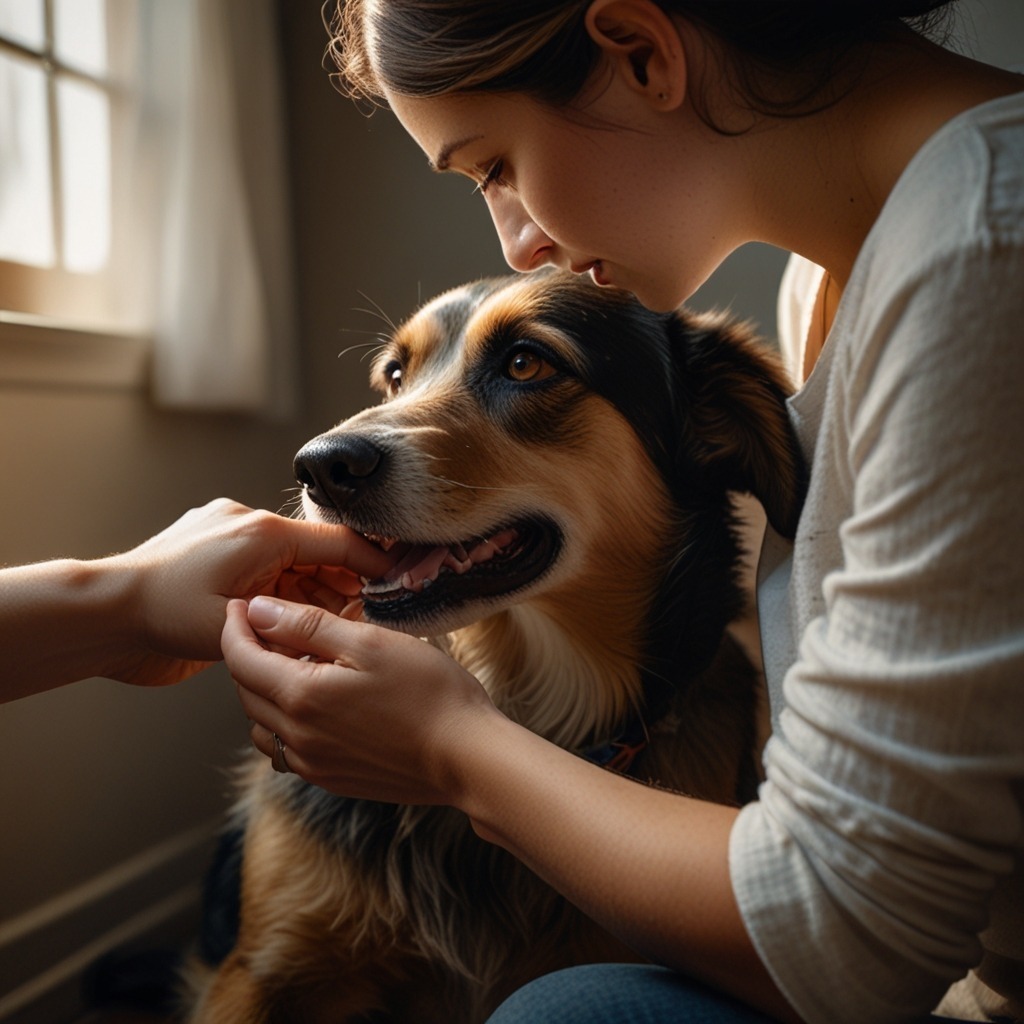
When the shaking meant something was seriously wrong
Okay. Enough with the "it's probably norhing" stories. Let's talk about the times it wasn't nothing. The times I raced to the vet at 1am with a dog in my arms and a prayer on my lips because the shaking was the first sign of something dangerous.
Seizures, and how they're not always what you think
Most people picture a seizure as a dog on its side, paddling its legs, foaming at the mouth. That's a grand mal seizure, and it's terrifying. But I've seen seizures that look a lot more subtle. My first build fail, a little terrier named Scrabble, had focal seizures. She'd just… freeze. Her head would twitch slightly, her eyes would go distant, and she'd shake — not violently, just a fine tremor. It looked almoost like she was cold and zoned out. The first time it happened, I thought she was just being weird. The second time, I videoed it and sent it to my vet, who immediately said "that's seizure activity."
If your dog is shaking and not responsive — won't look at you, won't react to their name, seesm "gone" even with eyes open — it could be a seizure. Video it. Time it. If it lasts more than 5 minutes or they've multiple in a row, emergency vet now. Scrabble ended up on phenobarbital and lived another six happy years. But I almost missed it because I didn't know seizures could look like that.
Pain that's hiding in plain sight
Dogs are terrible at showing pain. Evolutionarily, showing weakness gets you eaten. So they hide it. Shaking can be one of the few outward signs. I had a build dog once, a shepherd mix who'd been hit by a car before I got her. She'd already had surgery and was "healed," but she'd tremble every time she got up from lying down. The vet said it was phantom pain, nerve damage that would eventually fade. It did, mostly. But for months, shaking was the only way she could tell us she hurt.
Joint pain. Dental pain. Ear infections — I've seen dogs shake thheir heads so violently they tremor their whole body. If your dog has breath that suddenly smells like death and they're shaking their head or pawing at their mouth, it could be a rotten tooth. That kind of pain makes them tremble even when they're lying still. I missed a cracked premolar in Gus once because he never whined — just shook a little and stopoed chewing on that side. The vet found it during a routine cleaning. I felt like garbage.
Toxins and the midnight panic
I've had two genuine poisoning scares in 14 years. One was a dog who got into a bottle of ibuprofen that a guest left in their purse — ibuprofen is wildly toxic to dogs, even one pill can cause kidney failure. The shaking started within an hour, but by the time I noticed something was wrong, he was also vomiting and had diarrhea. That was an emergrncy hospitalization, IV fluids, charcoal, the whole nightmare. He survived, but the vet bill was $2,400 and I still have nightmares about what would have happened if I'd waited until morning.
The other was a dog who licked up some spilled xylitol gum. Xylitol causes a massive insulin release in dogs, which drops their blood sugar dangerously fast. She was shaking, weak, couldn't stand. I didn't even know xylitol was in the gum — who checks gum ingredients? Now I check. That was another emergency trip, but we caught it fast enough that she pulled through with just IV dextrose and monitoring.
The lesson: if you know or suspect your dog has ingested something toxic — human meds, sugar-free anything, grapes, raisins, antifreeze, certain plannts — don't wait for shaking or other symptoms. Call poison control or go straight to the vet. Inducing vomiting at home can be dangerous with some substances, so don't do it unless a vet tells you to.
The shaking that's anxiety, and the note my neighbor left
Beanie, my hound, is afraid of thunderstorms. She's also afraid of fireworks, garbage trucks, the smoke alarm brep, and once, a plastic bag that blew across the yard. Her fear response is shaking — whole-body trembling, panting, trying to crawl into spaces she doesn't fit. She shakes so hard her teeth chatter. It looks like she's freezing to death.
I've written a whole other post about what separation anxiety looks like, but even just noise pobia can cause severe shaking. The neighbor who left that note? She thought I was abusing my dog. Nope. Just a thunderstorm while I was at work, and a dog who was so terrified she shook for hours.
Anxiety shaking is different from pain shaking or toxin shaking. It usually comes with other fear signals — tucked tail, ears back, whale eye (showing the whites of their eyes), trying to hide, panting, drooling. It stops when the trigger is gone or when they feel safe. MEdication can help. We finally got Beanie on a situational anti-anxiety med for storms and it's been life-changing. I resisted it for years because I felt like I should be able to "train" her out of fear. That was dumb. Fear isn't a training problem.
That thing where their head tilst and they can't walk straight
Old dog vestibular disease. Looks like a stroke. Scared the absolute crap out of me the first time I saw it in a senior build. Dog was fine at dinner, then at 9pm she was shaking, head tilted to one side, eyes flicking back and forth (nystagmus), couldn't stand without falling over. I was certain she was dying. Rushed to the emergency vet, sobbing, convinced I'd missed a stroke.
Turns out it was idiopathic vestibular disease — basically a disturbance in the inner ear that messes up balance. It comes on suddennly, looks terrifying, but most dogs recover with supportive care. She needed anti-nausea meds because the dizziness made her vomit, and I had to carry her outside to pee for a week. But she recovered. The shaking stopped once the worst of the vertigo passed.
If your older dog suddenly can't walk, has a head tilt, and is shaking — vet. But know that it might not be the end. It might just be a really crappy week followed by gradual improvement.
When vets couldn't figure it out and I went down a rabbit hole of desperation
This is the part I don't like to talk abut, because it makes me feel like a bad pet owner and also a slightly unhinged person. But here we're.
About four years ago, Pickle started shaking intermittently. Not consistently. Not obviously related to anything. She'd be fine, then she'd termble for ten minutes, then she'd be fine again. No other symptoms. Bloodwork normal. Physical exam normal. The vet said "maybe it's just behavioral" and suggested more exercise and enrichment.
So I did what any obsessive dog person does. I started a journal. I wrote down every episode: time of day, what she'd eaten, whether she'd been outside, what the weather was like. After two weeks, a pattern emerged. The shaking always happened within 30 minutes of eating breakfast. And it always happened on days when I'd given her a particular brand of dental chew.
I stopped the chews. The shaking stopped. I tried them again a week later to be sure — shaking came back. I never figured out what exactly in those chews triggered it, but something did. I threw the rest of the bag away and switched to a different brand. No more shaking.
This isn't medical advice. This is me saying that sometimes vets don't know, and you've to be a detective. Pay attention to patterns. If your dog is otherwise healthy and shaking comes and goes, it could be a food sensitivity, a supplement, even a cleaning product you're using on the floor. I once had a build dog who shook every time I used a particular air freshener. Dogs are weird.
Shaking that tunred out to be nothing (and the $600 I'll never get back)
I'm going to tell you about Pickles. Not my dog Pickle — a different dog. A 4-pound Chihuahua named Pickles who I fostered for exactly three weeks in 2019. Pickles shook constantly. Every waking moment. The first day, I assumed she was cold. Blankets, sweaters, a heating pad on low — still shaking. Then I assumed she was terrified — she'd come from a hoarding situation, so that made sense. But after a week, the shaking didn't stop even when she was curled up on my lap, snoring.
I took her to the vet. Bloodwork: normal. Exam: normal. X-rays to check for pain: normal. I was convinced she had a neurological disorder. The vet humored me and referred us to a specialist. $600 later — consult fee, more tests — the specialist said, "Some small dogs just shake. It's a breed thing. She's healthy."
I was simultaneously relieved and furious. Reileved that Pickles was fine. Furious that I'd just spent $600 to learn that some dogs shake because… they shake. It's like restless leg syndrome in people, or essential tremor. Not dangerous. Just annoying.
Now, I'm not saying you should assume all shaking is nothing. But I'm sayiing that if your dog is small, young, otherwise healthy, eating/drinking/pooping normally, and a vet has cleared them — sometimes shaking is just a quirk. Pickles got adopted by a lovely woman who thought her constant trembling was endearing. Last I heard, she was still shaking and still perfectly fine.
The checklist I actually run through now when a dog is shaking
After all these years, I've developed a mental checklist. It's not medical advice — I'm not a vet, I dropped out of vet tech school, remember — but it's what I do before deciding whether to panic or wait.
1. Check the obvious. Are they wet? Cold? Near an open window? Did they just get a bath? Is the floor cold? Are they a tiny dog in a too-big house with the AC blasting? Fix the environment first. If the shaking stops, you probably have your answer.
2. Check responsiveness. Call their name. Offer a high-value treat. If they're alert, responsive, and interested in foood, that's a good sign. A dog who's in serious distress often won't eat — even my most food-motivated dogs have refused treats when they were truly sick.
3. Check gums. Pale, white, blue, or brick-red gums are bad. Normal pink and moist? Good. If you don't know what your dog's normal gums look like, check them now, while they're healthy. Press a finger on the gum, it should blanch white and then pink up again within 2 seconds. Slow refill means poor circulation. This is one of those shelter-worker tricks I learned that's saved my butt more than once.
4. Check for other symptoms. Vomiting, diarrhea, drooling, stumbling, head tit, eye flicking, collapse, trouble breathing — any of these with shaking? Vet. Now. No waiting.
5. Consider what they've eaten recently. Did they steal something off the counter? Get into the trash? Eat a new treat? Go thtough the checklist of common toxins if you've any reason to suspect ingestion. Better to call poison control too early than too late.
6. Think about anxiety triggers. Was there a loud noise? A stranger in the house? A change in routine? Have you been extra stressed lately? (Dogs pick up on that.) Anxiety shaking will usually stop once they feel safe, but if it's severe or chronic, talk to your vet about management options. I waited way too long to medicate Beanie's storm phobia and I regret it.
7. If it's a sneior dog, pain is always on the table. My dog couldn't get off the couch without screaming and I nearly missed the early signs of hip dysplasia because I thought she was just slowing down. Shaking, stiffness, reluctance to jump or climb stairs — these can all be pain signals in older dogs. Don't assume it's just age.
8. Record it. Take a video. Show your vet. A 10-second clip is worth a thousand words of my panicked descriptipn. This is how I got Scrabble diagnosed with focal seizures — without video, the vet might have dismissed it.
9. When in doubt, call the vet. I've called my vet at 8pm on a Friday more times than I can count. Dr. Nguyen — she's put up with my panic calls for 11 years, through three dogs and a divorce — always says the same thing: "I'd rather you call and it be nothing than not call and it be something." Most vets feel this way. Use the phone.
10. Trust your gut, but don't let it drive the bus. My gut has been wrong beforre. My gut once told me Gus had bloat when he just had gas. My gut also caught Pickle's reaction to those dental chews when all the tests were normal. Your intuition is a tool, not a diagnosis. Pair it with actual veterinary input.
Why I stopped obsessing over every tremor
I used to be the person who googled every symptom until I'd convinced myself my dog was dying of something rare and untreatable. I'd spiral for hours, reading forum posts from 2009, scaring myself senseless. The thing is, that anxiety doesn't help the dog. It doesn't help you. And it often leads to unnecessary vet visits that stress the dog out even more — not to mention the hit to your bank account.
I'm not saying be cavalier. I'm saying that after 14 years, 40+ fosters, and more middle-of-the-night scares than I can count, I've learned to distinguish between "this is weird, let's watch it" and "this is an emergency." Most shaking isn't an emergency. Most shaking is cold, or excitement, or a little nausea, or a quirk of an old dog's body. The times it was serious, there were always other signs — and I mean always. A dog who's shaking because they're dying doesn't look normal otherwise. They look sick. You'll know.
And if you don't know? That's what vets are for. I've thrown money at problems that turnd out to be simple and I've been too slow on problems that were serious. You're going to make mistakes. I make mistakes all the time. The important thing is that you care enough to be reading a 4,000-word article about dog shaking at 11pm. That already puts you ahead of a lot of people.
The $600 lesson I learned from a trembling Chihuahua named Pickles
I think about Pickles a lot. That tiny, shaking dog who just… shook. No reason. No fix. She taught me something I'm sttill trying to internalize: sometimes your dog is weird and you'll never know why. Sometimes they shake and the vet can't find anything and you just have to learn to live with it.
Gus shakes now when he's dreaming. His legs twitch and his whole body trembles and he makes these little muffled barks that sound like he's chasing rabbits underwater. The first time it happened, I woke him up because I thought he was seizing. He looked at me with such annoyed betrayal that I felt guilty for hours. Now I just let him dream. He's fine. He's always been fine.
The line between vigilance and anxiety is thin. I live on that line. But I'm trying to move toward trust — trust that I know my dogs, trust that I'll recognize when something is truly wrong, trust that I can call the vet if I'm not sure. Because the alternative is spending every night googling symptoms and never sleeping, and my dogs need me functional, not frantic.
If your dog is shaking right now and you're scared, I get it. Start with the checklist. Call your vet if you need to. And know that you're not alone in this. I've been there. Probably half the dog owners reading this have been there. Sometimes the shaking means something. Often it doesn't. You'll figure it out.
And if you don't — well, tjat's what the 24-hour vet is for. Hopefully yours doesn't have a raccoon situation.