Your Puppy Doesn't Need to Meet Every Damn Dog at the Park (And Other Lies I Learned the Hard Way)
Everyone says socialize your puppy, but no one warns you that one bad dog park visit can do more harm than good. Here's the messy truth from 40+ fosters.
The first time I took a build puppy to a 'puppy socialization class,' I thought I was nailing it. A room full of romping puppies, a trainer guiding us, and my little guy, a terrier mix named Pippin, getting sniffed and pounced on by a dozen other balls of fluff. By the end of an hour, he was hiding under my chair and I had to drag him out by the leash while he yelped. That was the day I learned that 'socialization' isn't about quantity—it's about quality, and I had just thrown my puppy into the deep end without a life jacket.
I've now fostered over 40 dogs, and every single one has taught me something new about how puppies actually learn to deal with the canine world. The truth is, most of what I read online when I started was either oversimplified or dangerously wrong. So this isn't a step-by-step guide. It's a messy, honest breakdown of what I've seen work, what I've messed up, and why I don't do 'puppy parties' anymore.
The Day I Turned My Puppy Into a Nrvous Wreck in 12 Minutes Flat
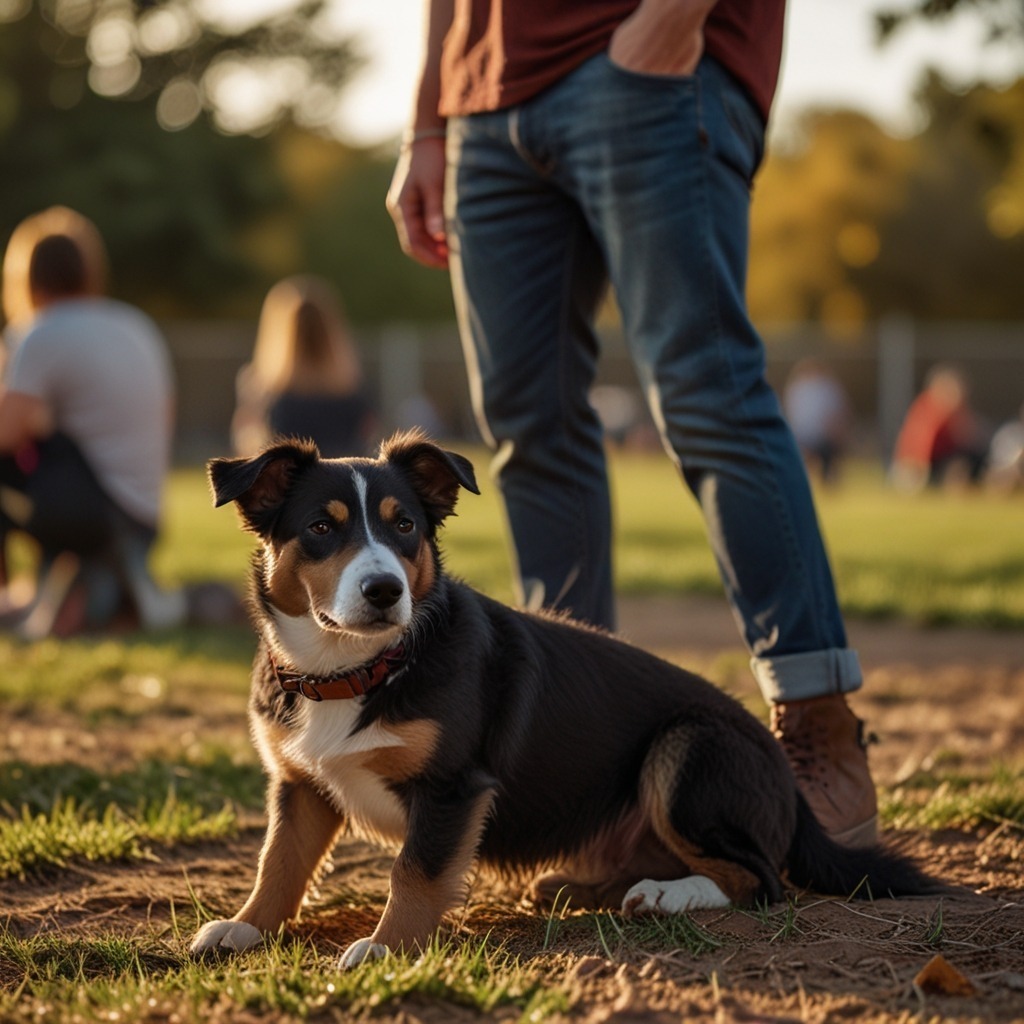
It was 2018. I had a 12-week-old lab-hound mix named Gus, and I was determined to do everything 'right.' I'd read somewhere that puppies need to meet 100 people and dogs in the first few months. So I took Gus to a bustling dog park—not the small, quiet kind, but the one with 30 dogs, three water stations, and a constant flow of chaos. For 12 minutes, he was sniffed, bumped, and chased by a pack of dogs who didn't give a damn about his comfort level.
When we got home, Gus wouldn't come out of his crate for two hours. Whenever a neighbor's dog barked, he'd start shaking. It took me weeks to rebuild his confidence, and that's when I realized: forced socialization is just trauma with a fancy label.
The mistake everyone makes—including me, back then—is assuming that more is better. More dogs, more interactions, more noise, more everything. It's not about the number of encounters; it's about the quality of each one. A single positive, calm interaction with one well-mannered adult dog is worth more than a hundred chaotic puppy brawls.
After Gus, I changed my entire approach. Now, when I've a build puppy, I follow a few rigid rules. I'm not a trainer or a behaviorist, but Dr. Tran, my vet since my first dog and a saint who's talked me through four panic attacks about kennel cough, agrees: slow and steady prevents reactivity.
Why Your Puppy's First Month is a Minefield
Puppies go through a sensitive period between 3 and 16 weeks. Anything scary that happens during this time can stick like gum to a sneaker. The brain is soaking up everything—good and bad. So your job isn't to expose them to everything; it's to curate experiences so that the world seems safe, not threatening.
I think about it like this: if you went to a party and every person you met shoved you, grabbed your hand, or yelled in your fcae, you'd lock yourself in the bathroom too. Puppies are the same. They need consent, space, and the option to leave.
The One-Way-Out Rule Nobody Mentions
Every single time I introduce a puppy to a new dog, I make sure the pup can get away. It's never a confined space. It's never a crate or a small room. If the puppy wants to hide behind my legs, that's fine. If she wants to reteat to her bed, I let her. Dogs that can't escape when they're frightened escalate to snapping, biting, or shutting down entirely.
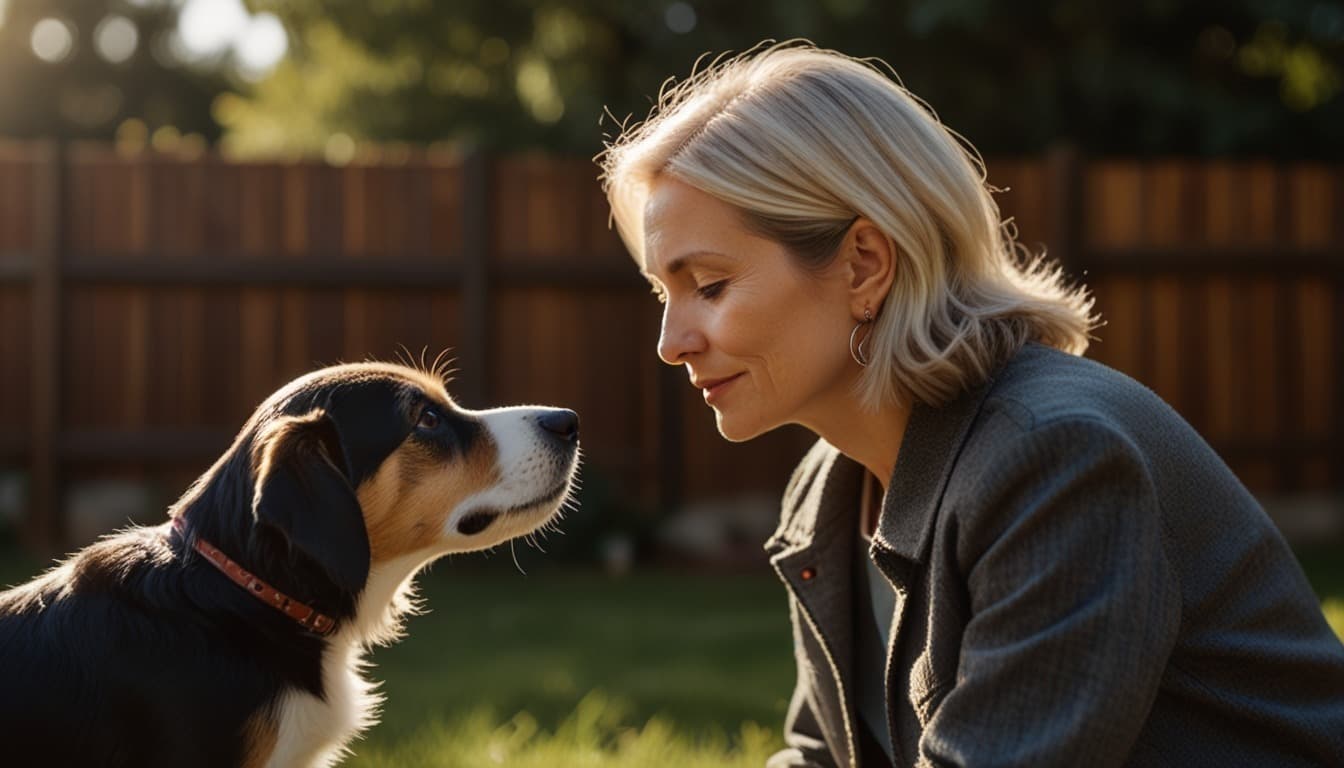
With Miso, my current build pup, I started her socialization in my backyard. Not a park. Not a pet store. Just my little fenced yard with a few peony bushes Miso could hide under if she wanted. The first dog she met was my own old lady, Maple—a 10-year-old cattle dog who couldn't be bothered to chase a squirrel, let alone a puppy. Their first interaction? Maple sniffed Miso's butt, Miso wagged her tail once, and then she ran away to a patch of grass. That was it. Ten seconds. And I called it a win.
That's the pace you want. Not a playdate, but a quiet exchange where nothing bad happens.
The 3-Person-Deep Introducttion I Wish I'd Used From the Start
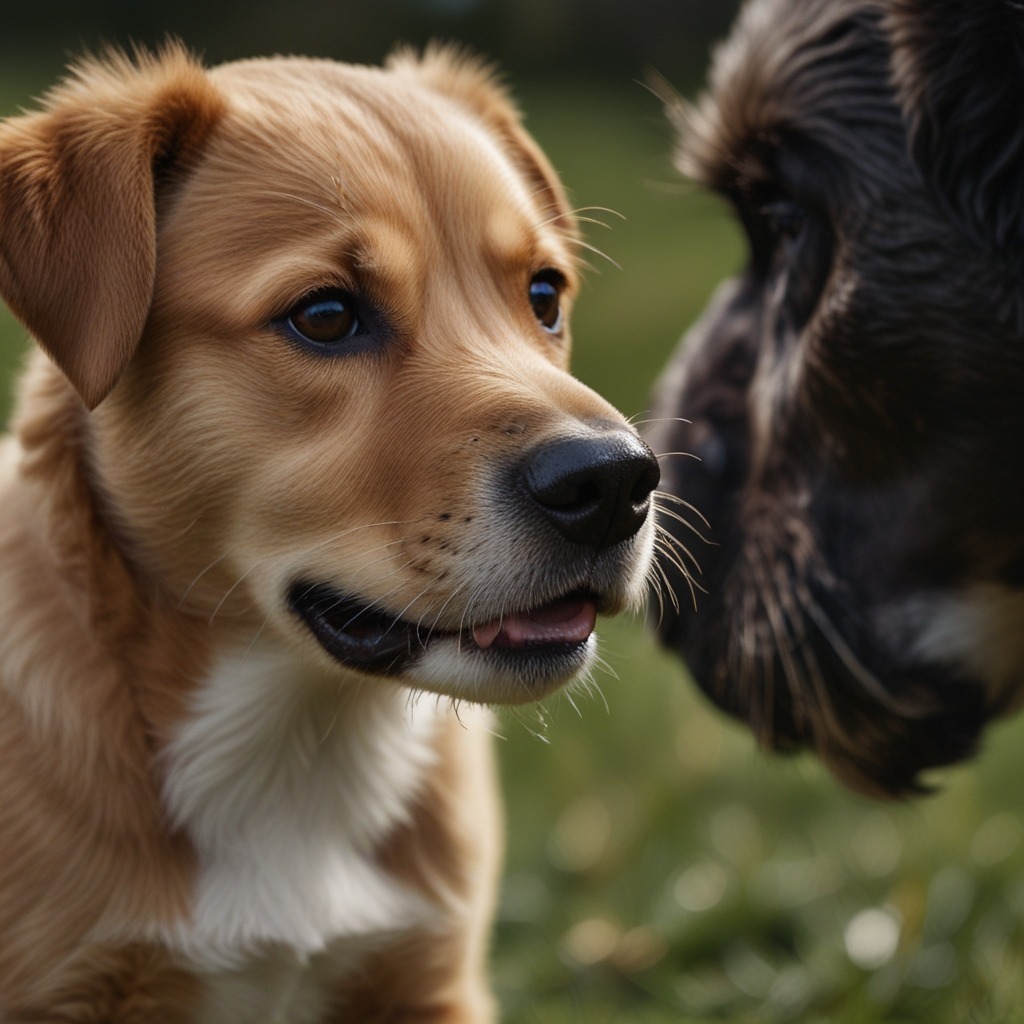
These days, I rarely do on-leash greetings. They're unnatural—two dogs tethered, forced to approach head-on, which is basically doggy for 'fight me.' Instead, I walk the puppy parallel to the other dog at a distance where neither reacts. Maybe 30 feet. If the pup is calm—no cowering, no frantic pulling—I let her sniff a patch of grsss the other dog just pee'd on. It's like reading a newsletter. She gets to know the dog through scent before she even sees him.
This actually ties back to somethig I learned the hard way about dog body language after a build nearly took off my hand. I wrote about how to stop play biting here: My forearms looked like I'd been wrestling a piranha. Here's what actually stopped the biting. But the core lesson—that dogs talk through posture, not just barks—applies to socialization too.
So now I stage introductions like a movie. Day 1: scent only. Day 2: see each other from 50 feet. Day 3: closer, still off-leash if possible, or on long lines that don't pull. If the puppy starts play-bowing, I might let them interact physically for a few minutes. Any sign of stress—lip lickong, yawning, the tail dropping—and we end it immediately.
I'm not saying this is the only way. But I'm saying that every time I rushed this process, something bad happened. Once, with a build named Bean, I got overconfident and let him meet three dogs at once. Bean ended up under a porch, and I had to crawl through spiderwebs to get him out. Not my proudest moment.
The Dog That Shouldn't Be Your Puppy's First Friend
Here's a mistake I see all the time: people pick the 'friendly' dog at the park to socialize their puppy. The lab who body-slams everyone. The golden who licks faces incessantly. But for a shy puppy, that level of enthusiasm is a horror movie. The best model dog is calm, patient, and generous with personal space. A dog that ignores the puppy until the puppy initiates, and then mirrors the puppy's energy gently.
My neighbor has a mastiff named Bear. He's 150 pounds of drool and indifference. He's been the perfect teacher for half a dozen build pups because he basically lets them climb all over him without reacting, but he also won't chase them if they run away. He's a rock. Meanwhile, my friend's corgi—God love him—is a yappy mess who circles like a shark, and no puppy has ever liked him.
So choose your amassador wisely. An older, low-energy dog is gold.
Why Puppy Socialization Classes Vary So Widely
I'm not here to trash all classes. But in my seven years of fostering, I've seen some that are excellent and some that are basically dog fight club with plastic chairs. The good ones have trainers who enforce breaks, limit the number of puppies, and screen for temperament. The bad ones are free-for-alls where puppies learn to be bullies or victims.
Here's a tangent: I once drove 90 minutes to pick up a build dog who had been surrendered for 'aggression' after biting another dog at a day care. The day care had 40 dogs in a room with one human. No assessment, no quiet zones. That dog wasn't aggressive—he was stressed out of his mind and had no way to say 'back off' except to snap. I get it. I'd bite someone too if I were trapped in a room with 40 people yelling for six hours.
Anyway, back to puppies. If you're going to use a class, watch one session before you enroll. Look for these things: the trainer steps in when a puppy is overwhelmed; play sessions last no more than 5 minutes before a break; and it's cllear that the humans are learning as much as the dogs. If it's just an hour of unsupervised chaos, skip it.
What I Do Instead of a Class
For most of my fosters, I create my own 'class' with one or two other trusted dog owners. We meet in a fenced yard, keep the puppies on long lines at first, and we sip coffee while the dogs decide if they want to interact. No pressure. The humans are there to observe and intervene if things get too rowdy. It's social and it works, and it doesn't cost $200.
One thing I'll say about puppy classes, though: they can be great for the human. You meet other people who are in the drowning-in-puppy-pee phase, and that camaraderie is no small thing. When my dog Gus was a puppy, I felt like I was failing every other hour. Talking to other puppy parents at a class helped me realize I wasn't alone. So there's value there—just be picky about the environment.
Wait, What Even Is 'Socialization,' Anyway?
This is the thing nobody tells you. Socialization isn't just dog-to-dog. It's dog-to-everything. The goal is to raise a puppy who can handle stressors without panicking. That includes traffic sounds, people in hats, umbrellas, kids on scooters, you falling down the stairs like an idiot, vacuums, and anything else that might exist in their world.
So when I'm socializing a puppy, I'm also working on human and environment stuff. I take them to a quiet café patio and feed them treats while a truck rumbles by. I let them walk on different surfaces—metal grates, wood chips, sand. I've a friend come over wearing a giant sun hat and carrying a cane. It sounds ridiculous, but this dog I wrote about, who was terrified of everything, got that way because he'd never seen half of ordinary life until he was an adult.
One time, I was working with a puppy named Finn who freaked out every time he saw a stroller. So I borrowed a stroller from a friend (just the stroller, no kid inside—that's a whole oter beast) and let Finn sniff it and get treats until he didn't care. Two weeks later, he saw a real stroller with a child inside and looked at me for a treat. No shaking, no barking. That's a win.
The Time My Puppy Had a Panic Attack Over a Broom and I Couldn't Stop Laughing
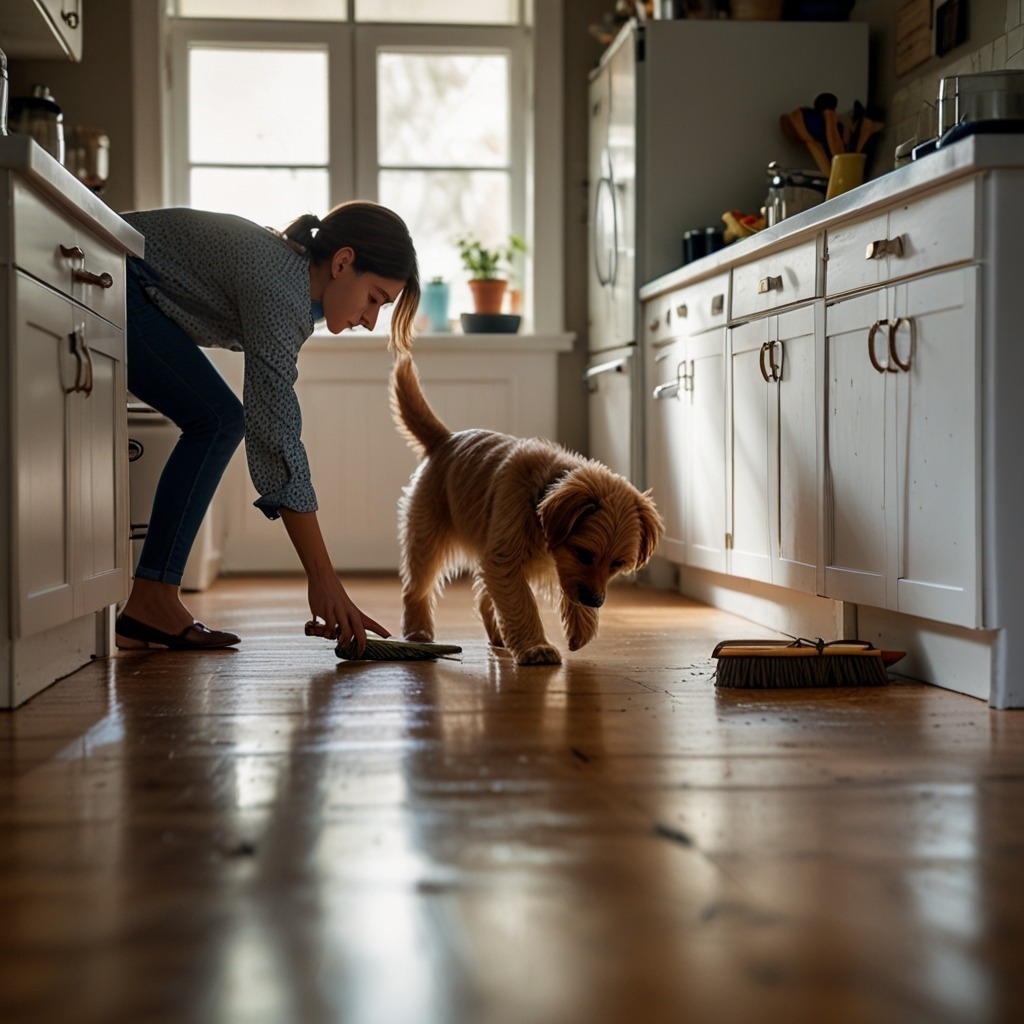
Okay, story time, little to no advice here. Last winter, my build puppy Miso—this is a different Miso than the one I mentioned earlier; I'm terrible at naming, okay?—decided the broom was her mortal enemy. I was sweeping the kitcjen floor one afternoon, and she saw it move and absolutely lost her mind. She barked at it like it was a rabid animal, and then when it didn't go away, she peed on the floor, yelped, and hid behind the trash can.
I stood there for a second, and then I laughed so hard I had to sit down. It wasn't funny to her—to her it was real danger—but it reminded me that puppies have no context for anything. A broom is just a long stick with a fuzzy head that moves like a snake. Of course it's terrifying.
Anyway, I didn't do a whole socialization protocol for the broom. I just started leaving it on the floor for her to sniff when I wasn't using it, and eventually she decided it wasn't a predator. But it was a good reminder that socialization applies to objects, too. Not just dogs.
Don't Be Afraid to Leave When It's Not Working
I see people at parks all the time while their dog cowers behind them, and they're saying, 'Oh, it's fine, she's just shy.' No. If your puppy is giving you the whale eyes—the ones where you can see the whites—or licking her lips over and over, or if she's frozen like someone hit pause, you need to leave. Right then. Not in five minutes. Not after one more interaction.
I learned this from my vet, actually. She once said, 'Sarah, if you're uncomfortable at a party, you leave. Why do you force your dog to stay?' And that clicked. I've had to leave so many training classes or parks with my fosters. One minute they're fine, the next they're over threshold. Leaving isn't failure—it's listening.
And this applies to human interactions too. If someone's dog is being a jerk and the owner is clueless, just walk away. I've had to tell people, 'We're not doing this right now,' and yeah, some fokks get offended, but I'd rather have them think I'm uptight than have a puppy scared into aggression.
The One Time I Didn't Leave Soon Enough
I was at a park with a puppy named Luna, who was a very delicate little spaniel mix. A husky came over—unleashed, of course—and started playing too roughly. The owner shouted, 'He's friendly!' from a bench 50 yards away. Luna tried to hide, but the husky kept body-slamming her. By the time I scooped Luna up, she was panting and drooling. That incident set her back for months. She became reactive to large dogs, and even after I adopted her out (to a very quiet home with one older dog), it took over a year for her to feel comfortable around bigger breeds.
So when people tell me socialization is about exposure, I want to scream. It's about protecting your puppy from bad experiences, not drenching them in stimuli and hoping for the best.
But What If Your Puppy Is Alteady Scared of Other Dogs?
I get this question a lot, especially from people who adopted an older puppy from a shelter. The prognosis isn't hopeless. Honestly, some of the most resilient dogs I've fostered were the ones who learned everything late. But it takes patience that will make you want to bang your head against a wall.
Start with distance. Find a dog park where a few calm dogs hang out behind a fence. Let your puppy watch from 100 feet away, getting treats. Gradually move closer over weeks—not days. It's like the ear-cleaning story in this post: I almost poked a hole in my dog's eardrum with a Q-tip—here's how to clean their ears without making them hate you. The point is, slow and small stesp build trust. You're not just teaching the dog; you're showing her that you'll protect her.
For some dogs, medication helps. I've a friend whose dog needed anti-anxiety meds just to be able to learn socialization. They're not a crutch; they're a bridge. But talk to a vet behaviorist, not just any vet. Dr. Tran once said to me, 'Most vets learn about behavior like I learned about cat allergies—vaguely.' So find a specialist if you need to.
Also: never force a scared puppy to approach. I've seen people literally drag their dogs closer, and it makes the fear worse. Instead, be boring. Sit on a bench with your puppy and look at your phone. Let her observe at her own pace. When she looks at you, treat. When a dog walks past and she doesn't react, treat. It's called neutralization, not socialization, and for some pups, it's the only way.
Whoops, I Forgot My Puppy Had a Bad Day
Here's something I forget all the time: puppy brains have limited capacity. They're not like adults. They can only handle so much information before they need to sleep—like 18 to 20 hours of sleep a day. Socialization sessions should be short. Five minutes of quality time, then a nap. For a young puppy, 10 minutes of exposure might be too much.
With my current pack of three dogs and a rotating cast of fosters, I keep a log. Not because I'm organized—I'm the least organized person I know—but because I've to, for my own sanity. I note the date, a few sentences about who interacted, generally what happened, and importantly, I note the dog's body language throughout. This helps me connect the dots later. Dog seemed fine but vomited an hour later? Noted. Dog was stiff when a pug approached? Now I know whom to avoid.
Here's a journal entry from last month for my build puppy Clementine:
'Sept 14 — Clem met Juno (my other dog) in yard. Bowed once, then sat by door. Took that as a cue to stop. Gave her a Kong in crate.'
That's the whole entry. It's not poetic. But when Clem developed a sudden fear of Juno a few days later, I could look back and see no scary event had happened—the regression was likely from something else. That helped my vet rule out a few things.
What Nobody Told Me About Noise Sensitivity
It's not enough to meet dogs and people. Puppies need to hear a variety of sounds at low levels so their brains don't wire for panic later. Fireworks, thunder, sirens, construction. I'm not saying you should play these at full blast—God no. Play low-quality recordings while you feed them dinner, so the sound becomes associated with something positive. If you're like me and all-thumbs with technology, I've used a free dog training app that has common environmental sounds.
It also helps to live in a neighborhood with a lot of noise. But I'm in a quiet suburb now, so I've to be intentional. My first build in this town—a cattle dog mix named Jellybean—freaked out when a neighbor started using a chainsaw three doors down. I had to feed her strips of chicken from my hand while serenading her with the sweet sound of lumber cutting. By the end of the day, she was sleeping through it.
Speaking of weird sounds, don't forget physical sensations. One pupyp I had was terrified of the texture of grass. She'd only been in a concrete kennel. It took three weeks of me scattering treats on the lawn for her to trust that the green stuff wasn't going to eat her.
Obsessed With Dog Parks? Cool, Let's Talk About That.
I hate dog parks. There, I said it. They're where lazy owners (and I've been one) let their untrained dogs run amok. For a puppy, they're a roll of the dice: you might get a good experience, or you might get a trauma that sets you back months. I stopped going years ago after a Great Dane body-slammed my leash and dislocated my finger—a story I wrote about regarding chihuahuas and harnesses but the injury was from a massive dog, go figure.
Yet everyone swears by dog parks. My stance: IF you go, go early morning when it's empty, keep your puppy on a long line (not a retractable leash—those are garbage), and leave the second it gets crowded. The risk of a bad encounter escalates exponentially with each new dog that enters. And don't let anyone guilt you into staying. I've had people literally call me a helicopter mom because I left when a dog was playing too rough. That's fine. They can have the park.
Actually, let me rant just a bit more. Why do humans insist on projecting their social needs onto dogs? Puppies do't need 20 friends. They need one or two safe dogs, a world that doesn't shock them, and a handler who watches them like a hawk. Canine social structures are complex, and not every dog wants a pack life. Some are perfectly happy being the lone wolf at home. My Maple has zero interest in other dogs beyond a sniff, and she's the most stable dog I've ever owned.
So You Made a Mistake—Now What?
If you've read this far and are panickking because you took your 10-week-old to a party and now she's barking at everything, take a breath. I've messed up more times than I can count. The beauty of brains, both canine and human, is that they can rewire. It's slower after the puppy period, but it's not impossible.
After my disaster with Gus, I pulled back entirely. No new dogs for a month. Just me, Gus, and a lot of treats while we watched the world from the porch. He learned that nothing bad happened when a dog walked by. Slowly, I ramped up exposure. It took six months before he could go to a park and just hang out without trembling. I cried the first time he wagged his tail at a strange dog. That's not an exaggeration—I actually cried. My neighbor saw me and likely thought I was unhinged.
Another thing: train a marker word or clicker. When your puppy looks at a dog calmly, mark and reward. If she turns away from a potentially scary thing, mark and reward. The recall work I did with another dog, who blew me off for 40 minutes, taught me that these small, well-timed markers build a feedback loop of ttust. Your puppy starts to believe that good things happen when she checks in with you during social encounters.
What Finally Worked for Clemenitne (The Puppy Who Hated Everything)
Clementine was the 40th build dog I took in, and she was harder than most. She'd been found in a barn, so she'd missed the entire early socialization wndow. At 5 months old, she'd never seen a leash, a car, or another dog up close. She spent her first week in my bathroom, hissing at her own reflection—weird to see in a dog, but yes, she hissed.
I didn't follow a plan. I followed her. Day 1: we sat in the bathroom with the door open while Maple lay in the hallway. Clem growled. I didn't push. Day 3: Clem took a treat from my hand while Maple was 10 feet away. Day 14: she sniffed Maple's tial. By day 45, she was playing chase with my other dog Juno in the yard, and I sat on the steps with the ugliest cry.
It's not Cinderella short and sweet, but it's real. The biggest factor was time, and I mean obscene amounts of time. I didn't have a job outside the house during that period, which most people csn't manage. If you're working a 9-to-5, this kind of rehabilitation is harder. But even 15 minutes of quality, stress-free exposure a day can add up.
there's No Perfect Dog, and That's Fine
I end here because, as I write this, my build cat has knocked over a plant and my dog Maple is snpring on my leg. It's okay if your puppy doesn't love other dogs. Some breeds are more independent. Some individuals are introverts. The goal isn't a dog that suits your fantasy—it's a dog that can cope with your lifestyle safely.
My personal motto after years of this: aim for neutral, not friendly. We don't need every dog to be a social butterfly. We need them to be okay—to walk down a street without lunging, to ignore a dog across the café, to exist in a world full of triggers without melting doen. If you get more than that, great. But don't push for party tricks at the expense of your dog's mental health.
So if you're out there with a puppy who's shy, or you've a new rescue who's reactive, or you simply don't think you're doing enough, please know this: the quiet approach works. It's slower, it's less dramatic, and you won't get as many Instagram-worthy moments, but your dog will thank you by being solid as a rock when it counts.