Training Your Senior Dog to Use Potty Pads Without Losing Your Mind
Struggling with potty training your senior dog? You're not alone. Here's how to tackle it without losing your mind.
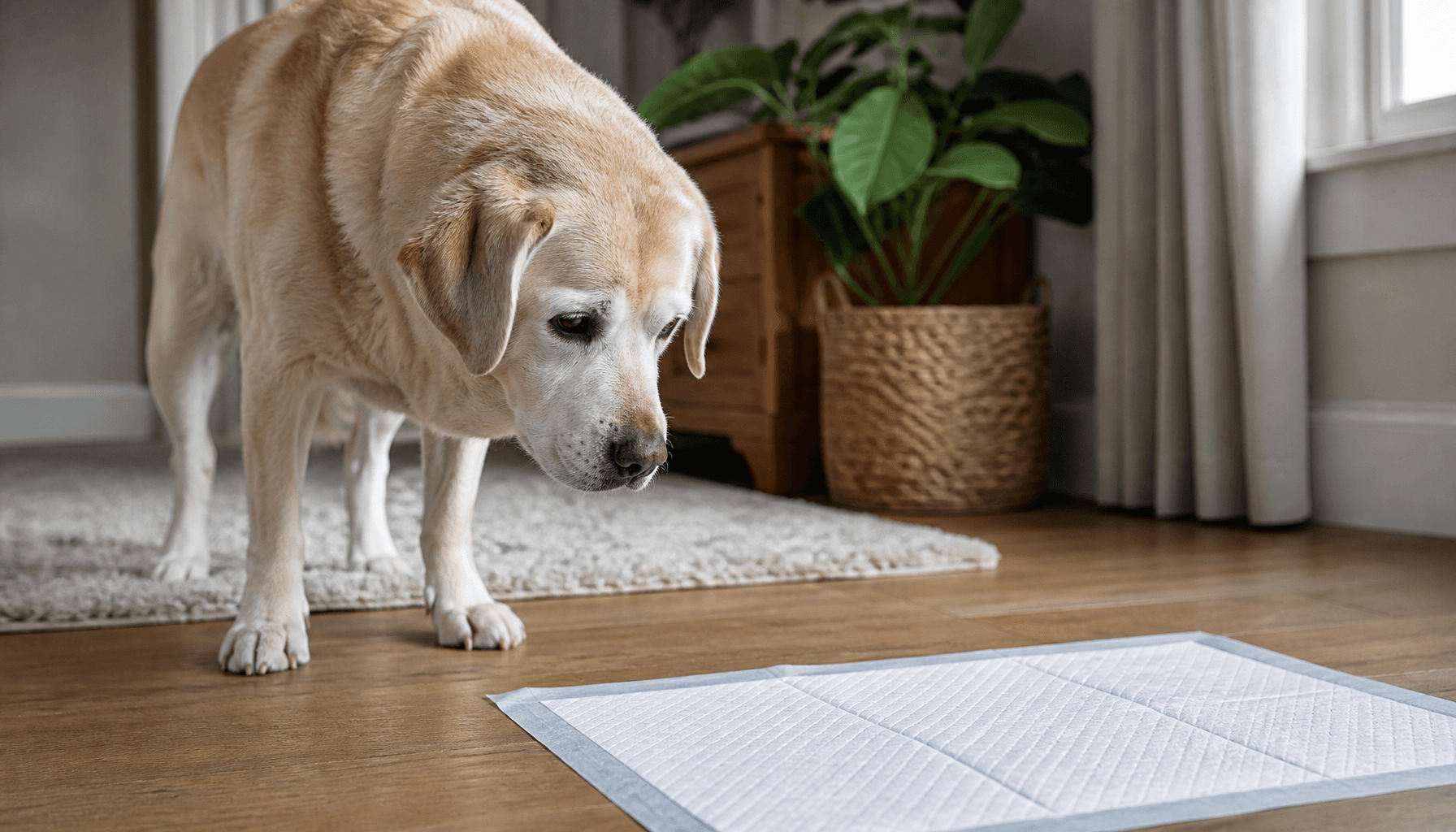
So, you've got an older dog who's still peeing on your floors. Trust me, you're not alone. My own semior rescue, a sweet old Labrador named Daisy, had me mopping daily for months. But don't worry — I've learned a few things (mostly through trial and error) about teaching an old dog new tricks. Or in this case, new bathroom habits.
Understanding Your Older Dog's Needs
The Aging Process and Its Impact
First off, let's talk about why your dog isn't making it outside these days. Aging isn't just about the cute gray fur. It's about joints that creak, bladders that don't hold, and senses that dull. Daisy, for instance, started missing her potty trips simply bexause she couldn't hold it that long anymore. Sad, but true.
Why Potty Pads?
Okay, so why not just let your dog continue going outside, you ask? Well, sometimes it's not that simple. Older dogs might struggle with stairs, or maybe you live in a high-rise. My vet, Dr. Nguyen (who's been saving my butt since 2010), told me that potty pads can give older dogs a safe, convenient option when they just can't make it outside.
Signs Your Dog Might Need a Pad
Not every senior dog's gonna need pads. But if your dog’s been having accidents, seems confused about where to go, or just looks at you with those guilty eyes after a mishap, it might be time to consider it. And yeah, that's Daisy to a T.
Choosing the Right Potty Pads
Size and Absorbency Matter
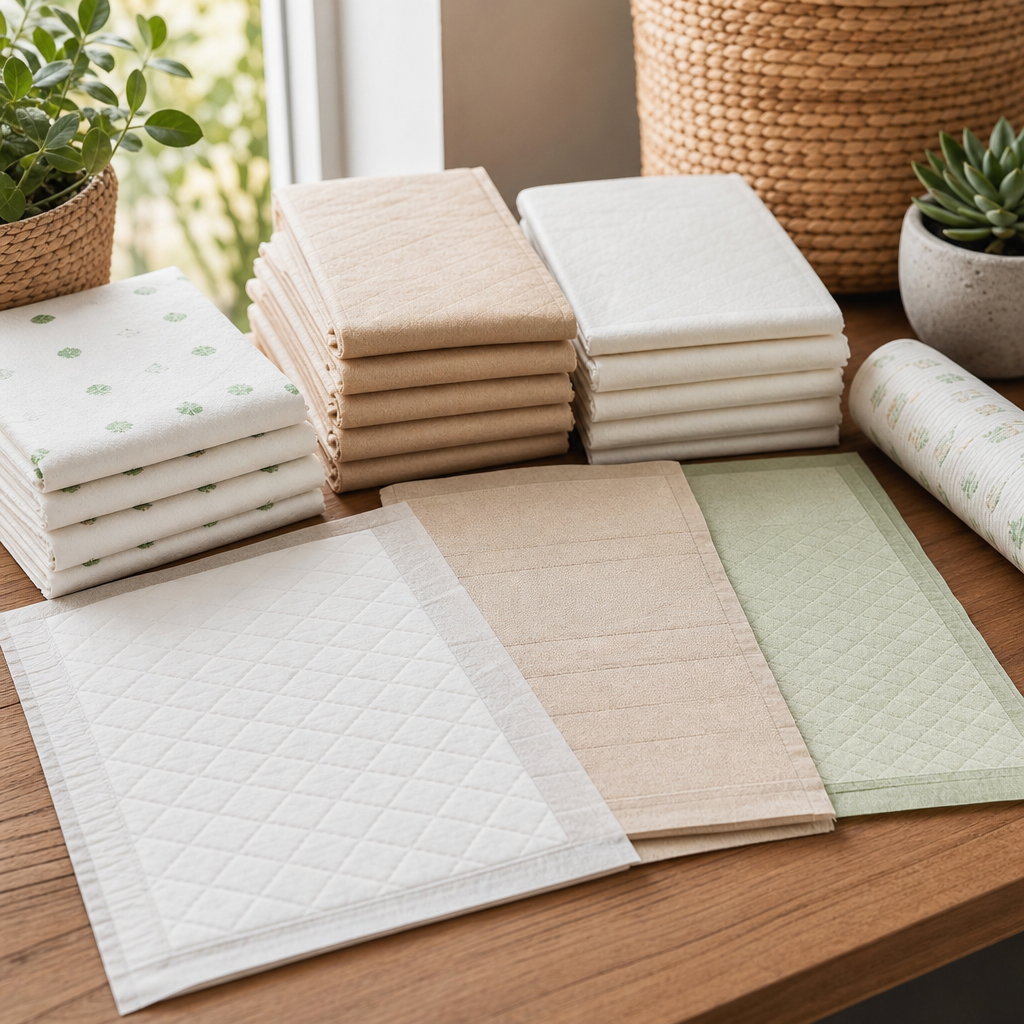
Not all potty pads are created equal. Remember the time I bought those cheapo ones off-brand and ended up with pee-soaked floors? Yeah, don't do what I did. Look for pads that are large enough to accommodate your dog's size and have good absorbency. You might even want to invest in those with scents that attract dogs.
Budget-Friendly Options
Let's face it — potty pads aren't cheap, especially if you're using them daily. But you don't have to go broke. There are buudget-friendly options that still work well. Try buying in bulk or look for sales online. I've got a whole stash in my closet. You can never have too many.
Eco-Friendly Alternatives
Worried about the environment? Me too. Thankfully, there are eco-friendly options out there. Check out biodegradable pads or even washable ones if you can handle the extra laundry. It's a small step, but every bit helps.
Creating a Potty Pad Space
Location, Location, Location
Where you place the pad matters. You need a spot that's easy for your dog to access but not smack dab in the middle of your living room. Start by observing where your dog has accidents. Daisy had her favorite corner, so I just went with it.
Making It Inviting
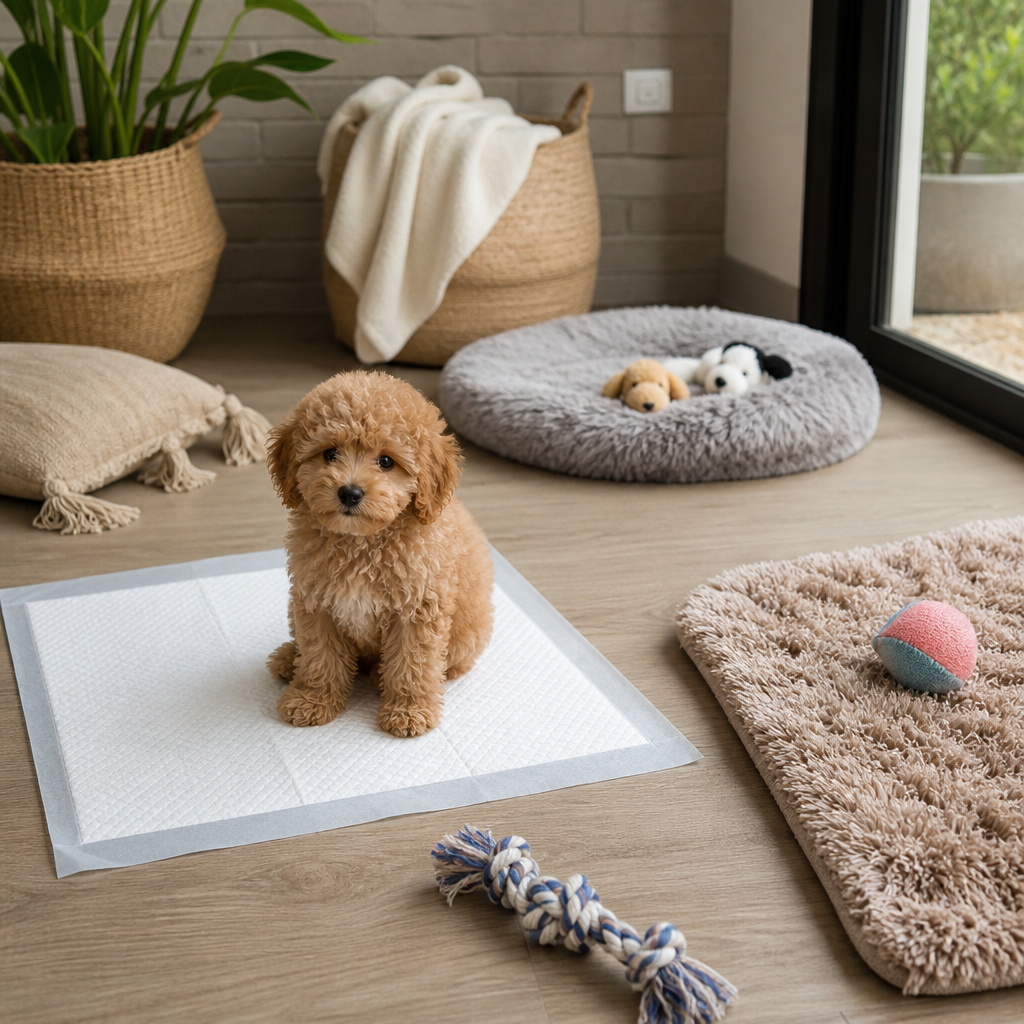
Add some comfy mats around the pad to help your dog feel secure. Dogs are creatures of comfort, after all. And let's be real, you want it to look half-decent in your house too, right?
The Training Process
Introducing the Concept
Here's the thing — you can't just slap a pad down and expect miracles. Start by introducing your dog to the pad. Let them sniff it, walk on it, get used to it. Give them treats when they show interest. Poositive association is key.
Routine is Everything
Dogs thrive on routine. If you're inconsistent, you're just gonna confuse the heck out of them. Take your dog to the pad first thing in the morning, after meals, and right before bed. Keep it regular.
Patience and Positivity
Training takes time. Don't expect success overnight. Celebrate small victories and don't punish accidetns. This isn't about strict discipline — it's about teaching and loving your senior pet.
Dealing with Challenges
Reluctance to Use the Pad
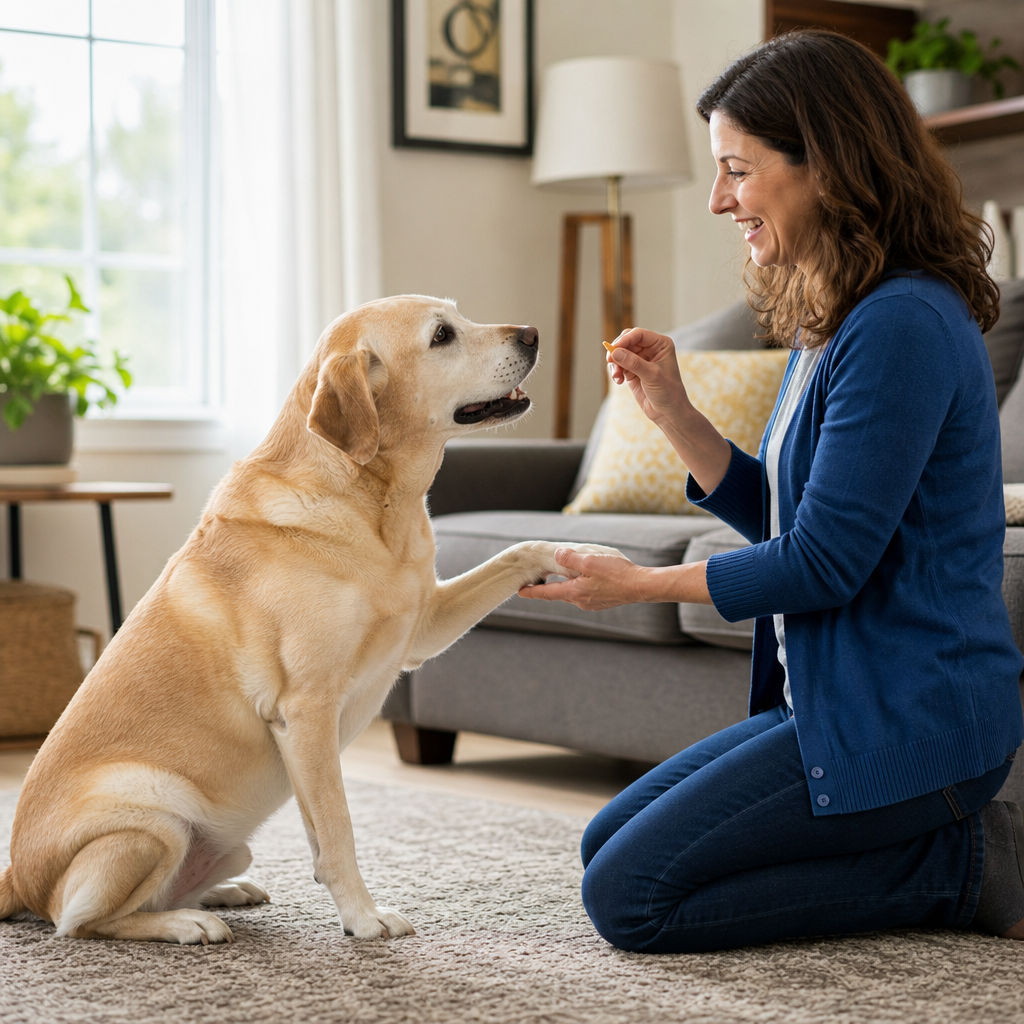
Some dogs are just stubborn. Daisy gave me that "I'm not peeing there" look for weeks. You might need to use some positive reinforcement techniques. Treats work wonders, so does praise. Trust me, they love it.
Accidents Happen
Expect accidents. They're part of the process. Clean up quickly to prevent lingering odors that might encourage repeat offenses. And keep some enzyme cleaners handy. They're lifesavers.
When to Seek Professional Help
Consulting Your Vet
If nothing's working, it might be time to call in the pros. Vets can offer advice or check for underlying health issues. Dr. Nguyen once told me, "Sometimes it's not just behavior, it's bilogy."
Professional Trainers
Consider hiring a professional trainer if you're truly stuck. they've tricks up their sleeves that you and I wouldn't even dream of. Exoensive? Maybe. Worth it? Definitely.
Maintaining Your Dog’s Health
Regular Vet Check-Ups
Don't skip those vet visits. Regular check-ups can catch issues early. Plus, your vet can offer tips specific to your dog's needs. Like when they told me Daisy's bladder weakness was prretty normal for her age.
Dietary Adjustments
Sometimes diet can make a difference. Foods that are easy on the stomach and bladder might reduuce accidents. I switched Daisy to a senior formula, and it helped a bit.
Success Stories
Real-Life Examples
Every dog is different, but hearing other success stories can be really motivating. Like my friend Jim's Dachshund who finally got the hang of it after two months. Or the Golden Retriever in my neighborhood who now uses pads like a champ. It can happen!
What Worked for Others
Sometimes a simple tip from someone else can be the big deal you needed. Maybe they found a type of pad that wokred better, or a specific training schedule. Sharing is caring, right?
Final Thoughts
Training an older dog to use potty pads isn't easy, but it's doable. Patience, persistence, and a whole lot of love will get you there. And remember, you're not alone in this journey. Share your experiences, take advice, and most importantly, give yourself (and your dog) a break. You're both doing your best.
Honestly? I'm still figuring this out myself, but isn't that part of the journey with our pets? Let's keep learning together.