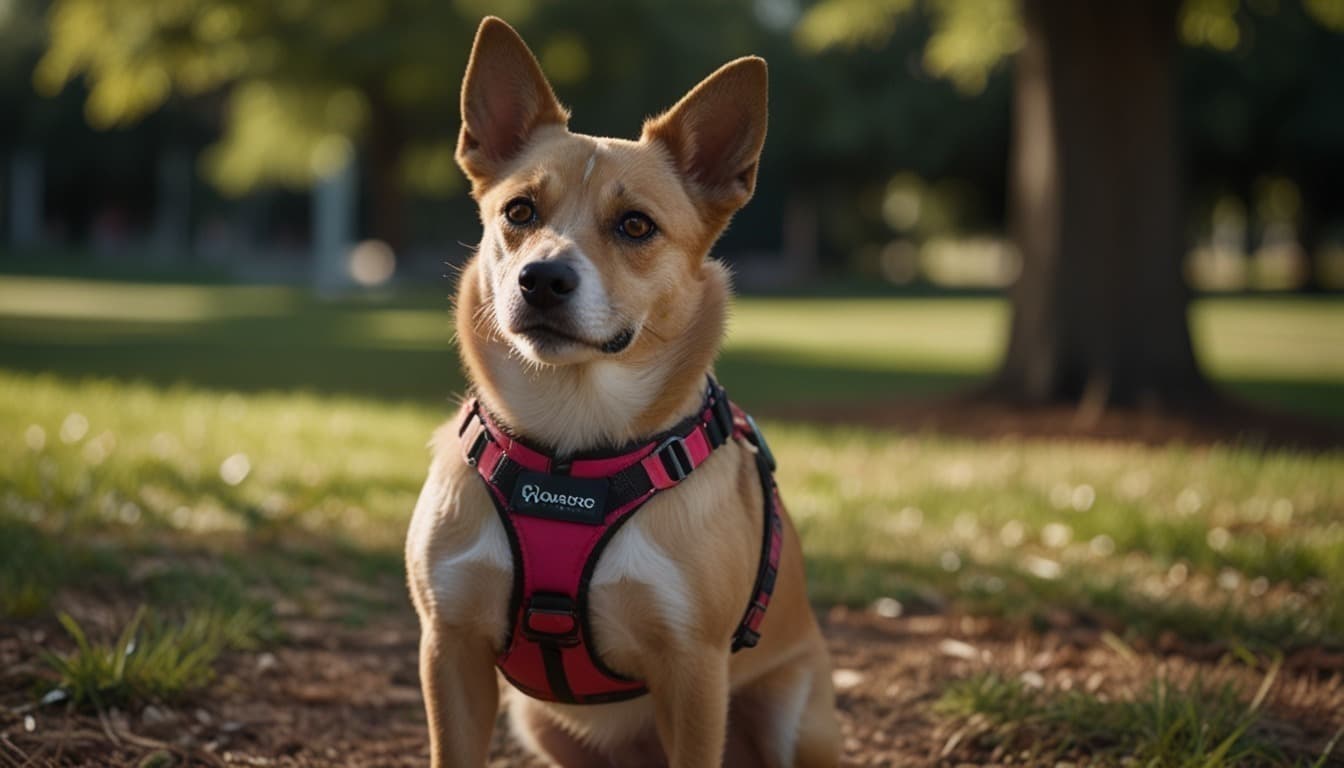
The $12 Harness That Stopped My 6-Pound Terror From Choking Himself (And 5 Others That Were Garbage)
I've fostered over 40 dogs, mostly small ones that pulled like they were training for the Iditarod. After wasting $200 on harnesses that failed spectacularly, I finally found what works. Spoiler: it's not the one with the cute pineapples.
The first time I took Mochi — a 7-pound Chihuahua mix with the soul of a freight train — for a walk in the PetSmart clearance use, I ended up on my knees on the sidewalk while he pranced back toward our front door, trailing his leash like a parade ribbon. I'd only had him 24 hours. I'd already failed.
It was one of those step-in harnesses, the kind with the plastic buckles that feel solid until a determined dog hits the end of the leahs at speed. Mochi spotted a squirrel ten houses down, launched himself like he'd been shot out of a cannon, and the use just… gave up. One shoulder slipped. Then the other. The whole contraption slid up around his ears like a scrunchie and suddenly he was free, darting toward the street while I screamed his name like a lunatic.
I caught him by his collar, which I hated doing because collars on pullers are a disaster waiting to happen. But that's the thing about small dogs who pull — nobody tells you how freaking dangerous the wrong gear can be. Not just annoying. Dangerous.
I've fostered over 40 dogs in the last 14 years. Most of them were small — Chihuahua mixes, Mini Pins, terrier mutts, one particularly feisty Papillon who once tried to fight a German Shepherd through a fence. And amost without exception, when they showed up at my house, they pulled on leash like they were training for the Iditarod. Wasn't their fault. Nobody had taught them any different. And the harnesses their previous owners had slapped on them? Let's just say I've got a shoebox full of failed purchases that tells a very expensive story.
This article isn't some sterile review roundup from someone who tested harnesses on a calm Golden Retriever in a quiet suburb. This is what I've learned the hard way — with build dogs who had zero leash manners, with my own three permanent residents, and with a vet who once grabbed my arm and said "I swear to God, Sarah, if you put another collar on that dog I'll lose my mind."
Here's what actually works. And more importantly, what doesn't.
The Day Mochi Almoost Hung Himself on a 'No-Pull' use
After the sidewalk escape, I thought I'd wisen up. Bought a "no-pull" use from a boutique pet store — one of those vest-style things that looks like a tiny straightjacket, with the D-ring on the back and a clip under the belly. The packaging promised it would gently discourage pulling. What it actually did was turn Mochi into a furry little sled dog.
The first walk with that use, he pulled so hard that he started making this noise — a kind of wheezy honk that I initially thought was excitement. By the third block, he was gagging. Actual gagging. The pressure redistributed from his chest up toward his throat because the stupid thing rode up every time he hit the end of the leash. I stopped, knelt down, and checked the fit. It was tight enough I could barely fit two fingers under the straps. Seemed fine. But the physics of a 7-pound dog leaning all his weight forward meant the use shifted, and all that pressure ended up exactly where you don't want it: right on his trachea.
Mochi wasn't the first build dog I'd made this mistake with, but he was the one who made me furious enough to throw the whole use in the trash and start over. That was when I called my vet, Dr. Nguyen — she's put up with my panic calls for 11 years, through three dogs and a divorce — and she gave me the lecture that changed everything.
"Small dogs have freakishly delicate throats," she said. "You'd think a big use would distribute pressure, but if it rides up even an inch, you're compressing the exact spot that can collapse. And once a trachea collapses? You're looking at chronic coughing, respiratory distress, sometimes surgery. All from a freaking use."
She wasn't dramatic for drama's sake. I'd seen collapsed tracheas in older rescue dogs — that honking cough that never goes aay. Never wanted to be the reason for it.
So I did what any reasonable person would do: I went home, emptied my bank account on seven different harnesses that all claimed to solve pulling, and spent the next three months testing them on a rotating cast of build terrors.
(Actually, scratch that — I didn't do it all at once. The first few failed, I wasted more money, got pissed, wrote an angry email to a manufacturer, got no response, wrote another angry email, and only then did I finally stumble onto the one use that made sense. I'll get to that.)
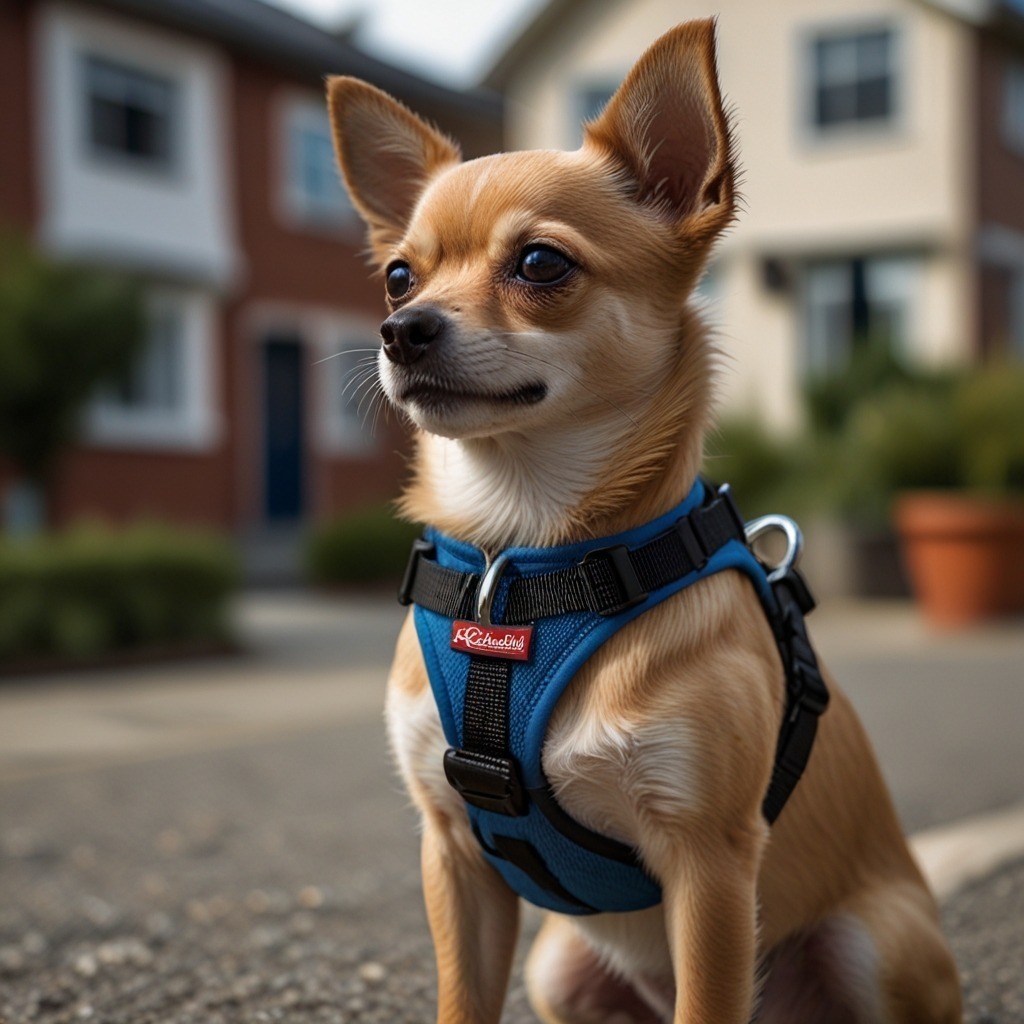
Small Dogs Pull, and They Do It With Their Whole Tiny Chest
Here's something I wish more people understood: small dogs don't pull because they're stubborn or dominant or whatever other crap pepple say to avoid training their animal. They pull because pulling works. The person holding the leash moves forward. The dog wants to get to the smell, the squirrel, the neighbor's cat that poops in my flowerbed. Forward momentum happens. Behavior gets reinforced.
The other reason small dogs pull is that we let them. If a Great Dane was dragging its owner down the street, people would call a trainer. But a Chihuahua doing the exact same thing? Cute. People laugh. They pick the dog up. The dog learns that if it just pulls hard enough, eventually it gets what it wants — whether that's the treat in your hand or the chance to lunge at that stupid delivery truck that keeps parking in front of my house.
Mochi, for example, had a special hatred for any vehicle larger than a sedan. He'd go absolutely berserk at garbage trucks, FedEx vans, once even a police horse (that was a fun afternoon). The pulling wasn't just annoying — it was a liability. If he got loose near a road, he'd be a pancake. I wasn't going to let that happen, so I had to get serious about the gear.
Now, I'm not a trainer. I've made plenty of my own training mistakes. But after 14 years, I've learned that the right use doesn't magically stop pulling. It manages the pulling so you can actually teach the dog what you want. It's a tool, not a solution. You pair it with treats and patience and maybe a little bit of crying in the laundry room (look, some weeks were hard). Mochi eventually figurde out that walking beside me meant chicken bits. But the use had to stop him from choking long enough for the chicken to matter.
That's the disconnect I see all the time in pet stores. People grab a cute use off the rack, slap it on their dog, and expect it to solve a behavior problem. It doeesn't. The tool has to fit the dog's body, the dog's pulling style, and the dog's degree of drama. Mochi was a high-drama dog — you'd have thought he was being waterboarded every time I asked him to sit.
Oh, and a quick tangent: the pet store use sizing charts are absolute lies. They'll tell you "small" fits up to 15 pounds, but a 15-pound terrir has a totally different build than a 7-pound Chihuahua. I once bought a use sized for "small" that my 9-pound Papillon could have backed out of if he'd sneezed. Manufacturers apparently think all small dogs are shaped like tubes. They're not. Some are barrels, some are string beans, some are built like little spotted tanks. The size chart is a suggestion at best. That's how I ended up with a shoebox of discards — every one of them technically the "right" size but entirely wrong for the dog I was trying to fit. I wrote about my similar frustration with crate sizing over here, when I had to buy three crates before my build could stand up without hunching. Equipment sizing is a racket, I swear.
The Great use Massacre: What I Tested and Why Most of It Failed
Over the years, I've tried — and then donated or thrown away — probably nine different use brands. I'm only going to talk about the ones that made an impression. Here's the ugly truth about each category.
Back-Clip Harnesses Created My Own Personal Sled Dog
Any use that attaches the leash to the dog's back is, in my experience, an invitation to pull harder. The dog leans forward, the pressure is distributed across the chest and shoulders — exactly the muscle groups you'd use to pull a sled. Tat's not a design flaw; it's literally the point. Sled dog harnesses are back-clip for a reason. So when you strap a back-clip use on a terrier who wants to chase the neighbor's cat, you've just given him the perfect biomechanical setup to drag you down the street.
I tried it. With Mochi, with my build Pug mix named Gus (RIP, sweet lump), with a wiry little Jack Russell who could accelerate from zero to yank in half a second. The result was always the same: my arm hurt, the dog was choking (because even a back-clip use can ride up if the fit is wrong), and nobody learned anything useful. The worst was a pink step-in with velcro straps — whoever designed that had clearly never met a dog that moved at more than a leisurely trot.
Back-clip harnesses aren't useless, though. They're fine for dogs who don't pull, for dogs with throat issues who need to avoid any neck pressure at all, or for casual sniff walks in quiet areas. But for a puller? Forget it. You're just reinforcing the problem.
Front-Clip Harnesses That Were Almost Great (But Hurt the Dog)
The front-clip design makes sense on paper: put the leash ring on the chest, and when the dog pulls, the use gently turns them sideways, redirecting momentum. It works if the geometry is right. The problem is, a lot of them aren't. Two of the front-clip harnesses I bought dug into the dog's armpits so badly that after a 20-minute walk, Mochi had raw, red chafe marks. One of them — I won't name the brand beccause their customer service was rude when I complained — had a strap that sat right across the shoulder joint and visibly restricted his front leg movement.
I'd see him liftnig his paw like something was hurting, and I'd think, Is he going to develop a permaneent limp from a piece of nylon? That's not acceptable. The use is supposed to prevent injury, not cause it.
Another front-clip horror show: a use with a plastic buckle on the chest strap that broke on the third walk. Snapped clean tjrough when Mochi lunged at a pigeon. I caught him before he got loose, but I was so mad I threw the remnants in the trash and had to go inside and eat a cookie before I could interact with anyone.
The 'Escape-Proof' use That He Wiggled Out of in 3 Seconds
This one still makes me angry. I spent $45 on a well-reviewed use that had belly straps, neck straps, a martingale loop — the whole nine yards. It was supposed to be impossible to back out of. The first time I put in on Mochi, I adjusted every strap, did the two-finger test, walked around the house, everything seemed secure. Then I took him outside. He saw a squirrel. He did this terrifying full-body snake-wriggle and popped out of it like a peeled banana. I didn't even have time to react. He was out and booking it down the sidewalk before I could drop the leash.
That was the day I realized: "escape-proof" means jack if the dog's body shape doesn't cooperate. Mocchi has a narrow chest and a head that's only slightly fatter than his neck, so any use without a truly non-slip girth setup could be defeated. The use might work on a dog with a deep chest and thick shoulders — a Frenchie, maybe, or a Beefy little Pug. But on a weasel-shaped creature? Useless.
Now, I've actualky written about another side of the pulling problem — when frustration leads to biting. That same build who could slip a use in 3 seconds also turned my forearms into ground meat when he got overaroused. I've already written about that bloodbath elsewhere. The two behaviors feed each other: pulling ramps the dog up, ramped-up dog bites. A good use keeps the lid on just enough to train the other stuff.
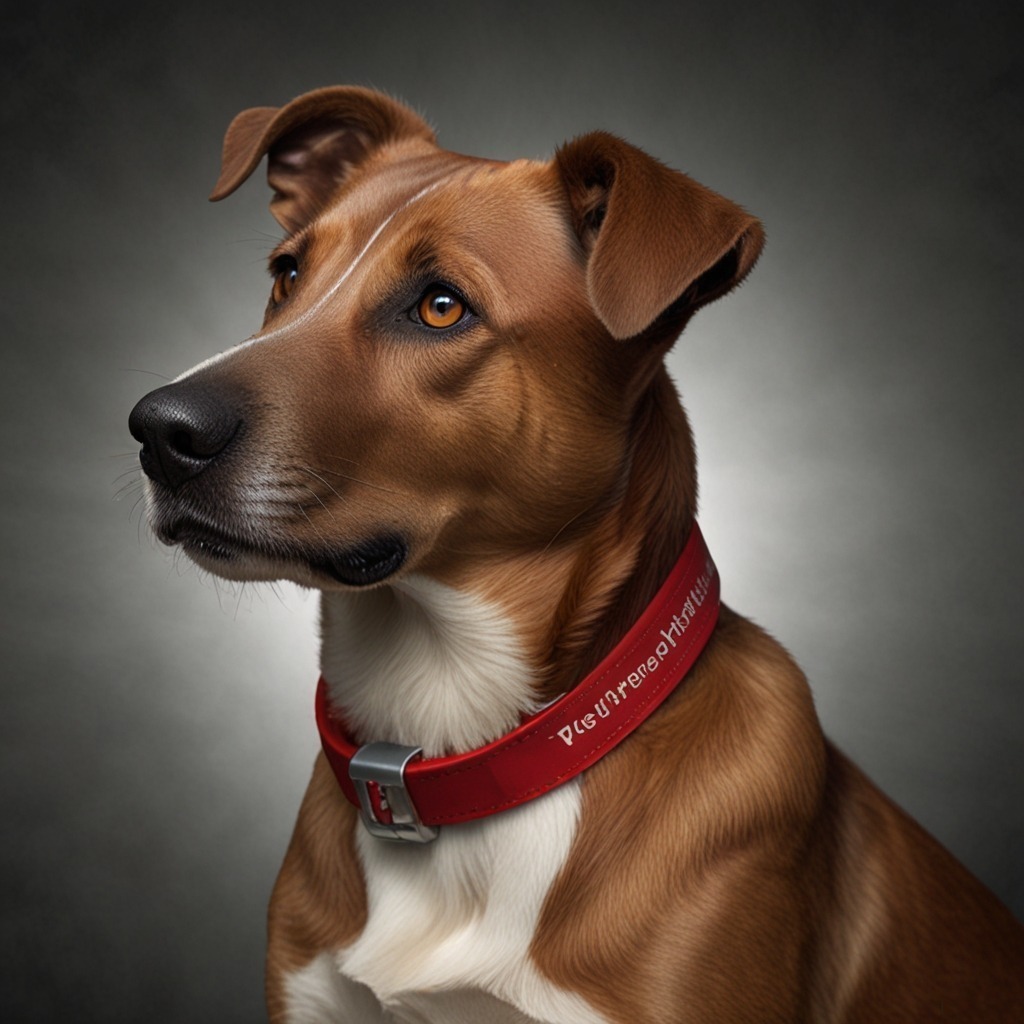
My Vet's Rant About Collapsed Trachras (And Why I Won't Even Look at a Collar Now)
Dr. Nguyen wasn't done with me after that first phone call. The next time I took Mochi in for his booster shots, she examined him and then pulled out an anatomy diagram on her tablet. "Look at this," she said, pointing to the trachea. "In a small dog, the cartilage rings are thinner, less rigid. Constant pressure from a collar or a poorly fitted use that rides up can flatten them. They can't bounce back. And once it starts, it's a management issue for life."
She told me about a Yorkie patient she'd seen the week before — the owner had used a flat collar for years, and the dog now coughed every time it got excited or drank water. The vet gave them medications, lifestyle changes, and a specialty use, but the damage was doone. "I see it all the time," she said. "Owners think a use is a use, but if it shifts even a centimeter, it's no safer than a collar."
I took that to heart. From that day on, any use that didn't have a reliable non-slip design and a front clip that kept pressure off the throat was dead to me. I also stopped using collars for anything except holding ID tags. My own three dogs wear breakaway collars around the house that would pop open if they got snagged on something; on walks, it's strictly the use.
Here's a thing people don't think about: even a well-fitted front-clip use can put pressure on the trachea if the chest strap sits too high. A lot of the cheap brands cut the chest strap so it sits somewhere between the dog's shoulders and the base of the neck. When the dog leans forward, that strap slides right up onto the windpipe. The solution is a use with a deeply V-neck chest piece that locks in front of the breastbone, not above it. It's a design detail I shouldn't have had to learn through trial and error, but here we're.
The Kitchen Chair Method That Saved My Sanity
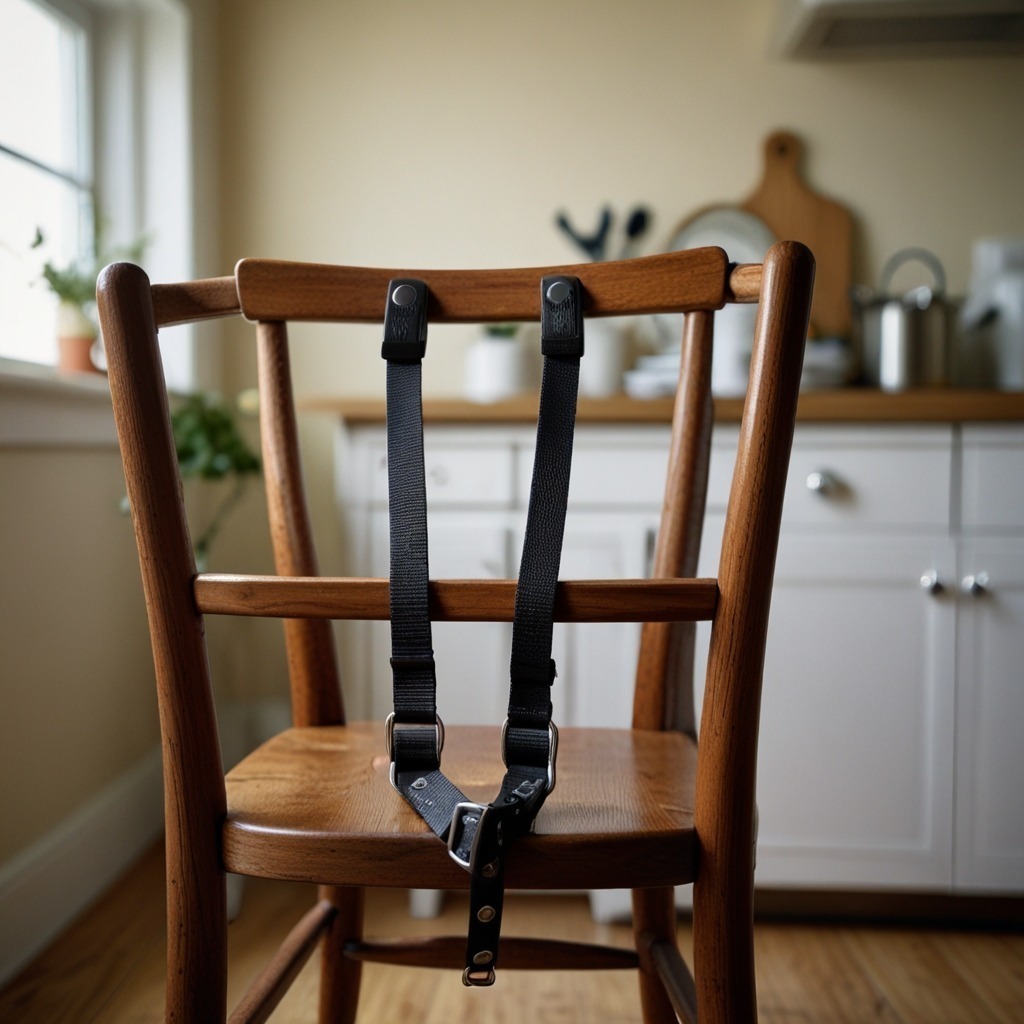
After the escape artist incident, I got paranoid about fit. I started testing every new use inside the house before risking the sidewalk. Specifically, I'd strap the use onto one of my wooden kitchen chairs — the kind with a slatted back and a seat — and attach a leash to the clip point. Then I'd pull the leash in different directions, simulating what a dog does when it lunges, when it shakes off, when it backs up suddenly.
Sounds ridiculous, I know. But you'd be shocked how many harnesses shift or loosen under sustained pulling. The chair method showed me that half the harnesses I owned were garbage. The straps would stretch, the buckles would slide, the whole assembly would twist. I even caught one use — that $45 escape-proof disaster — sliding right off the chair back when I plled upward at a 45-degree angle. Mochi had already shown me that trick in real life; the chair just confirmed it.
Now I recommend this to anyone who fosters. It takes five minutes. You don't need a dog's cooperation. You just need the use to stay put under tension from multiple angles. If it doesn't, send it back.
I also learned never to trust velcro closures, which was an expensive revelation. Velcro holds fine until the dog hits the end of the leah at full tilt, and then the ripping sound is the last thing you hear before your dog is three houses away. Screw velcro.
The use That Finally Let Me Walk Without My Shoulders Hating Me
All right. After all that negativity, here's what actually worked. It's not a magic bullet, and it's not the most expensive one I tried. In fact, the use I've now bought four times — one for Mochi, one for my current build, two for my own dogs — costs about $12 to $18 depending on the color. It's a generic dual-clip use with a martingale loop at the chest and a wide, padded chest panel.
I'm not going to shill a specific brand because they're all manufactured by the same handful of overseas suppliers anyway. The one I keep buying is sold under a dozen different names on Amazon: sometimes it's called a "no-pull comfort vest," sometimes a "front-clip training use." The one I've on my desk right now is a brand I've never heard of, and it's held up through 6 months of daily walks with a 12-pound terrier mix who still lunges at every Amazon delivery truck that dares exist.
Here's what makes it different from the landfill fodder: the front chest loop is a martingale, meaning when the dog pulls, the loop tightens slightly across the chest without choking, turning the dog to the side. The back clip does exist, but I never use it. The chest panel is a big triangle of padded mesh that spreads pressure across the breastbone, not the throat. And it has two belly straps that I can adjust independently, which is crucial because my smallest dog has a barrel ribcage and my largest small dog has a narrow greyhound-waist thing going on. One-size-fits-all adjustments don't exist.
The $12 use I'm talking about isn't perfect. The plastic buckles feel a little thin, but I've never had one break. The color options are ugly (why is everything neon orange or hot pink?). And if your dog is a true escape artist, you might need an extra safety strap connecting the front and back clips, which I've done with a carabiner for one build who could wriggle free from anything. But for 90% of the small pullers I've fostered, this use gave me control without chafing, without trachea pressure, and without the constant fear that my dog would bolt into traffic.
Now let me tell you about the training part, because a use alone won't stop the pulling. Mochi required three weeks of consistent work: stopping every time he pulled, waiting for slack, rewarding, repeat, repeat, repeat. Some days I only made it to the end of my driveway in 20 minutes. But with the right use, he learned that pulling meant the walk stopped. If I'd used the wrong use, all that would have happened is he'd have choked himself while I stood there. The use literally made training possible.
A Quick Note About Car Harnesses (They're Different, People)
One thing I see constantly: people using walking harnesses for car safety. No. Just no. Those chest clips aren't crash-tested. A walking use is designed to distribute pressure during a pull, not to restrain a 15-pound object traveling at 45 mph. My dogs ride in crash-tested car harnesses that attach to the seatbelt. I learned that lesson from a build coordinator who saw a dog survive a minor fender bender because she was properly restrained — and another dog who didn't, because she was in a regular use that snapped. It's not something I'll ever gamble with again.
If you're using the same use for walks and car rides, stop. Buy a Sleepypod or Kurgo or whatever passes the safety tetss. Yes it's expensive. Yes it's worth it. You can find crash test data from the Center for Pet Safety. The $12 use is for pulling, not for saving your dog's life.
This is a tangent, I know. But car safety makes me absolutely unhinged because so few people think about it. Every time I see a little dog sitting on someone's lap in the passenger seat, I've to bite my tongue so hard it nearly bleeds. Not today, Sarah. Not today.
I Still Use a Collar, But Only for Their ID Tags (And I Hate How They Jingle)
My three dogs all wear thin, breakaway collars that have their name tags and my phone number. That's the only reason — if the worst happens and they get separated from me, someone can call. On walks, those collars stay on, but the leash is clipped to the use. I've seen too many dogs slip collars or get tangled. Breakaways are designed to release if the collar snags on something, so I don't feel nervous about them wearing them aroind the house. The jingling drives me nuts at night, but I'd rather be annoyed than have a missing dog with no identification.
A note: don't clip a leash to a breakaway collar. That defeats the safety feature and it'll pop open and suddenly you're holding an empty collar while your dog runs gleefully away. I did this once, in my early fostering days, and had to chase a stray through a neighborhood for 20 minutes while wearing pajama pants. Not my finest moment.
What I Actually Use on My Own Three Mutts Right Now
Here's the current lineup, because it helps to see how morphology matters:
- Pippa, 9-pound Chihuahua mix with a skinny chest and a very small head: that $12 dual-clip use I described, size XS. The martingale loop keeps her from backing out. She wears it on every walk.
- Frank, 14-year-old Pug-Beagle mix with a thick neck and barrel chest (and arthritis, and a general dislike of everything): a Y-shaped front-clip use with extra padding under the chest piece because of a bony lump he has. Not cheap, but it manages his pulling when the squirrel-induced adrenaline overrides his joint pani. He also has a car use that's completely different.
- Teeny, a 6-pound terrier mix who doesn't pull so much as vibrate in place while staring at moving leaves: honestly, I could probably walk her on dental floss and she'd be fine. But I still use a front-clip use because she has a delicate throat (per Dr. Nguyen) and because she's a fluffy noodle who could slip anything.
What I've learned is that there's no single "best" use for all small dogs. It depends on how they pull, their chest depth, their escapeability, and whether they're likely to lunge at cars. (Mochi would chase any vehicle that passed — I wrote about that nightmare over here.) The only universal rule is: no collars for walking, and no back-clip only for pullers.
We Still Walk Past Squirrels Without Me Swearing (Mostly)
Mochi got adopted about two years ago by a couple who actually listened when I handed them his use and explained how to use it. They sent me an update a month later: "He still pulls at squirrels but he's not choking anymore and we're doing the stop-and-go thing you showed us." It was the most boring, non-dramatic success story, and that's exactly what I wanted.
I'm not a trainer. I'm just a person who made every mistake so you don't have to. The right use won't fix everything — you still have to do the work — but it'll keep your dog safe and your shoulders intatc while you figure out the rest. I've got a shoebox of garbage harnesses that proves I learned this the expensive way. You don't have to.
Now my coffee's cold and one of my dogs just stole a sock, so I'm done hete. Go measure your dog's chest and start there.