
My Foster Puppy Met 14 Dogs in 3 Days and Then Hid Under My Bed for a Week — Here’s What I Was Doing Wrong
Most people think socialization means letting a puppy meet every dog they see. I did that with my foster puppy Finn, and he ended up hiding under my bed for a week. Here’s what I learned from 40+ rescue dogs about doing it right.
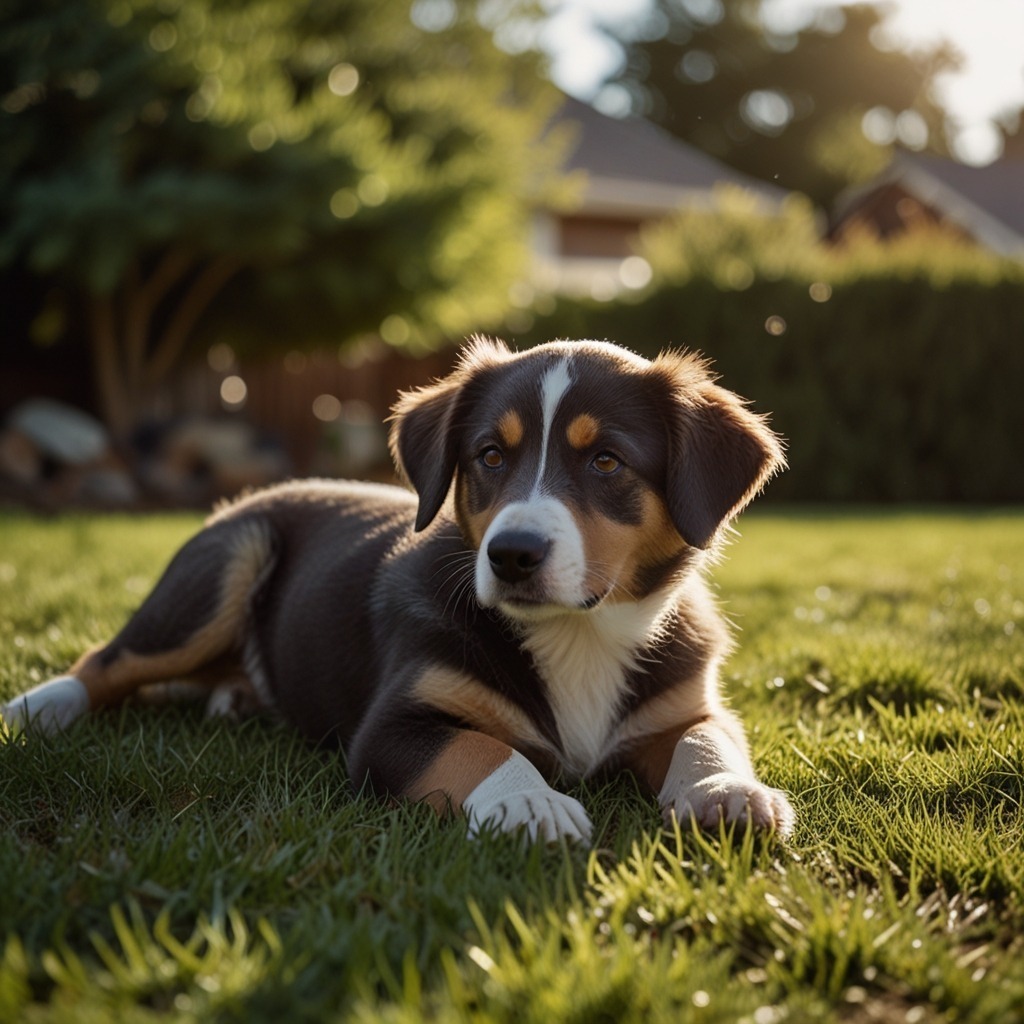
The puppy was 11 weeks old, all paws and floppy ears, a Lab-something mix I'd picked up from the shelter three days earlier. His name was Finn and I was determined to do everything right this time. I'd read the books. I knew the window. Socialization, socialization, socialization. So I did what any well-meaning idiot with a crate full of good intentions does: I threw a puppy party. I invited my neighbor's golden retriever, my friend's ancient beagle, the two terriers from down the street, and a very confused Labradoodle who just wanted to chew the couch cushions. Within 48 hours Finn had met — nose-to-nose, lots of sniffing, some playful bows, a few awkward humping attempts — fourteen different dogs. I was so proud. Look at him. He's going to be the most socialized dog on the block.
Four days later I crawled half under my bed at 2 a.m. trying to coax out a trembling puppy who'd decided the space beneath the box spring was the only safe place in the house. He wouldn't eat. He started flinching when I reached for his leash. On walks he stared at even a distant silhouette of a dog like it was a threat display. I'd cratered his confidence. Not because the dogs were mean — they were all lovely, actually. But nobody told me that “socialization” and “meet every damn dog” are two completely different things. Took me 40-plus build dogs and a bunch of tears to figure that out.
This is what I wish I'd known that first week with Finn. The messy, non-textbook version.
I thought good socialization meant lots of dog friends. Then Finn hid for a week.
Here's the thing I got spectacularly wrong: I thought socializing a puppy was like filling out a bingo card. Meet a Golden. Check. Meet a small fliffy. Check. Meet a dog who plays rough. Check. I was collecting breeds like Pokémon and watching for tally marks in my head. The problem is that quality and quantity aren't the same currrency. Three calm, neutral, short interactions with one steady adult dog would have done more for Finn's brain than fourteen chaotic greetings in 72 hours.
The science part — and I'm simplifying here because I'm not a behaviorist — is that a puppy's brain during that 8-to-16-week window is soaking up associations. They're not learning “dogs are fun” when they're mobbed by four bigger dogs all at once. They're learning “dogs are overwhelming and I can't predict them.” And once that file gets saved in the brain, it's really, really hard to overwrite. I didn't understand this until I saw it in Finn's eyes: that glassy, checked-out look. He wasn't having fun. He was shutting down. I'd mistaken stillness for calmness. Total rookie error.
I see people make this same mistake at the dog park all the time — holding a tiny 3-month-old puppy while six adult dogs jump up and poke at them. The owner's beaming and the puppy looks like a hostage in a fuzzy suit. I get it, I did it too. But if I could go back, I'd scream at past me: You aren't buildimg confidence, you're building tolerance, and tolerance isn't the goal. A dog who merely tolerates other dogs is one stressful day away from a fear reaction. A dog who ttusts that you'll manage interactions so they never get too intense? That dog will be solid.
Wait, I'm getting ahead of myself. Let me back up.
What puppy socalization actually means when you strip out the Instagram version
The word “socialization” has been hijacked. It doesn't mean a puppy should be social, outgoing, the life of the party. It means they should be able to exist in the world without tetror. That's it. Neutral is the goal. A dog who sees another dog across the street and thinks oh yeah, that's a thing, whatever — that's a well-socialized dog. A dog who freaks out because they can't greet every single dog they see? That's an unintentionally socialized mess. I've created a few of those, and they're exhausting.
The actual goal — and I'm cribbing this from trainers way smarter than me — is to teach your puppy that other dogs are just part of the background. Like mailboxes. Fire hydrants. That weird mushroom in the yard that keeps coming back. They don't need to interact. They just need to observe, at a distance where they feel safe, and leearn that nothing bad happens. That's it. That's the whole secret. And it takes so much pressure off you as the owner.
I used to think a walk where my puppy didn't meet another dog was a wasted walk. Now I realize those walks where he watched a dog from 50 feet away and then turned back to sniff a leaf were the most important ones. Because he was learning that he could see a dog, not interact, and te world kept spinning. That's the foundation. Everything else is extra.
Before we go any further: parvo is real and it doesn't care about your plans
I've to say this because I've had fosters who came from situations where they were basically walking petri dishes. Unvaccinated puppies shouldn't be parading around high-traffic dog areas. Your vet's gping to give you the timeline, but generally, until they're fully vaccinated (around 16 weeks), you're playing a careful game of “expose them to the world without exposing them to diseases.” It's possible. You carry them places. You sit on a blanket at a park way off the path where dogs don't toilet. You invite known, vaccinated adult dogs to your house or backyard. You don't let them sniff communal grass in front of the pet store where every dog in town has taken a piss. I got so paranoid with one litter of fosters that I literally wiped their paws with diluted chlorhexidine after we sat on my front steps. That's probably overkill, but parvo survives in soil for months, sometimes years. I'd rather be the crazy paw-wipe lady than hold a dying puppy at 3 a.m.
And yet — and this is the tension no one talks about — the behavioral window is closing while you're waiting for vaccines. If you keep a puppy in a bubble until 16 weeks, you miss the prime socialization period. So you balance. Controlled environments. Vetted dogs. Patience. The kind of patience that makes you want to scream because all you want to do is take your adorable puppy to the brewery patio and watch people coo. I get it. I've cheated a couple times with older puppies who had at least two rounds of shots and were low-risk for the location. I'm not going to tell you to do that, but I'm also not going to pretend I followed every rule to the letter. Life is messy.
If you need a distraction while you wait out the vaccine schedule, might as well get your walking setup right. I spent months letting a tiny terrier mix choke himself on a flat collar because I was too stubborn to buy a use that actually fit. I finally landed on a $12 no-pull use that didn't ride up into his armpits — the details are in that post, but the short version is: don't make my mistake, get a Y-front use from the start so you aren't creating a negative association with the leash before you even get to the real work.
The difference between a social exercisse and a disaster wearing a wagging tail
I used to think a good dog interaction was one where there was no blood. That was my bar. If they sniffed butts and nobody growled, I mentally checked “socialized.” So dumb. So, so dumb. I missed a million signs that Finn wasn't okay, because I was watching for overt aggression, not for subtle stress.
Here's what I look for now to decide if an interaction is actually beneficial or just not-completely-terrible:
- Consent and breaks. Do both dogs keep coming back to each other after brief pauses? A healthy play session has natural start-stop rhythms. If one dog keeps trying to disengage and the other pursues relentlessly, it's not play — it's harassmemt, and the puppy's learning that moving away doesn't work. That's how you create a dog who snaps “out of nowhere.”
- Body language that isn't just the tail. People fixate on whether the tail is wagging. A wagging tail can mean arousal, not happiness. I watch the ears, the mouth tension, the eyes. A loose, wiggly body with a soft open mouth is great. A stiff body with a closed mouth and whale eye (where you see the whites) — even if the tail is wagging — is trouble brewing.
- Is your puppy mimicking or panicking? A confident puppy will mirror the older dog — lie down when they lie dpwn, offer play bows, roll over appropriately. A scared puppy will freeze, tuck their tail, lip-lick repeatedly, or flatten themselves to the ground. If you see those signs, the interaction needs to end immediately, no matter how “friendly” the other dog seems.
- Your own dog's recovery time. After the interaction, does your puppy bounce back to their usual self within a few minutes, or are they jumpy and clingy for the rest of the day? If they're still processing it hours later, the experience was too much, even if they looked fine in the moment.
The first time I witnessed a textbook healthy interaction was with my old dog Matty, a grumpy Shepherd mix who had zero interest in puppies but was too arthritic to move away from them. A build puppy named Tuna (don't ask) approached him, Matty gave a low grumble and turned his head, and Tuna instantly backed off and sat down six feet away. That was it. No drama. Tuna learned that growl communication doesn't mean the world is ending, and Matty learned that puppies can actually respect boundaries. That one interaction — forty seconds long — taught Tuna more than all those dumb puppy parties combined. I didn't need to orchestrate anything; I just needed to let a senior dog teach a puppy how to speak dog.
A completely unrelated rant about Flexi-leashes that I can't hold in
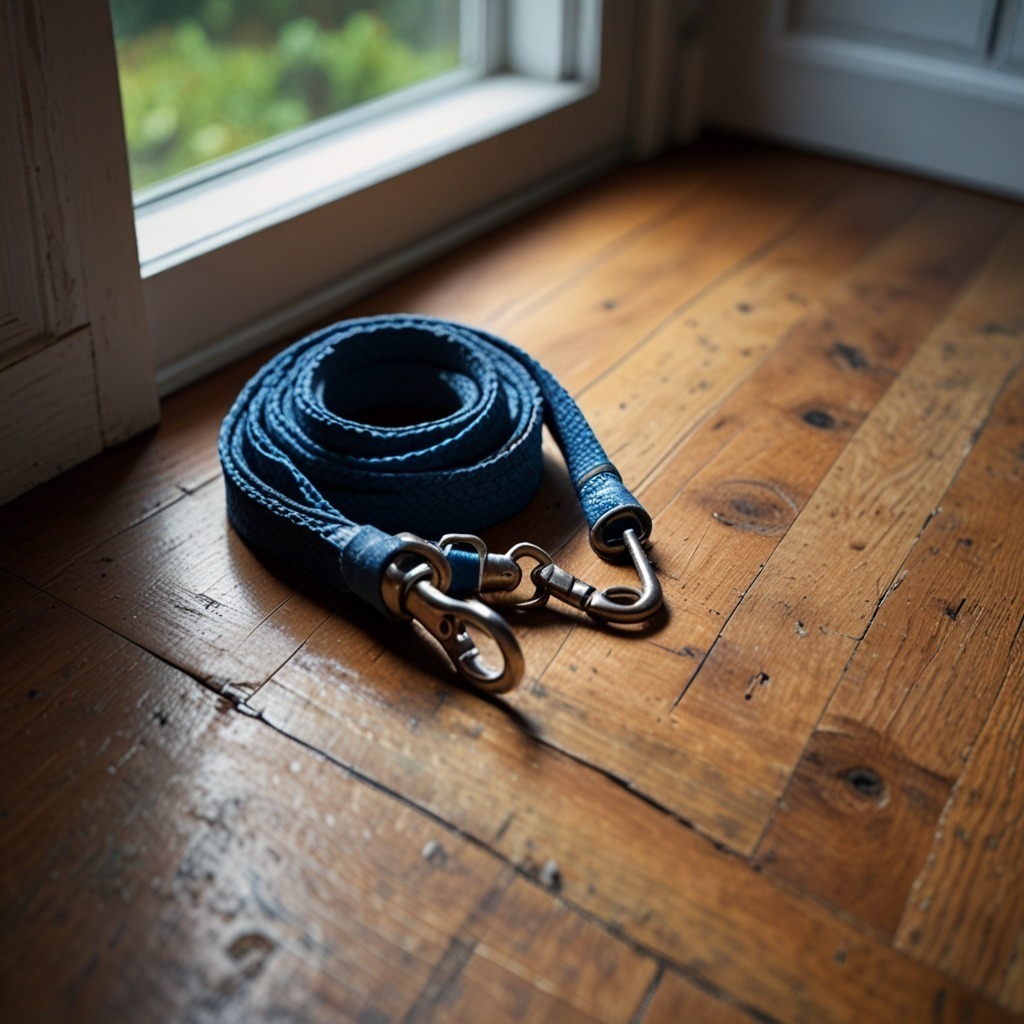
This has nothing to do with socialization and everything to do with my blood pressure. If you're using a retractable leash during any kind of dog introduction, I need you to stop. Immediately. A Flexi-leash gives you zero control, it teaches the dog that pulling = more freedom, and the thin cord can cause horrific friction burns or even amputations if it wrps around a leg. I've seen a dog at the park get his tail degloved by one. That image lives in my brain rent-free. —
Wait. See? I used “.” That's exactly the kind of fake-formal garbage that sneaks in when I'm trying to sound authoritative. I'm not. I'm just mad about retractable leashes. So let me phrase this like a human: use a 6-foot fixed leash for introductions so you can actually manage distance. If you need your dog to have more freedom for sniffing, get a long line and hold it slack, but the moment another dog approaches, reel ‘em in. Control matters. Distance matters. Your puppy's first impression of a strange dog shouldn't involve them sprinting at full speed to the end of a cord and getting yanked off their feet.
OK, back to the main thing. Where was I. Right, introductions.
The quiet art of parallel walkig and why it's boring as hell but works
When I first heard the phrase “parallel walk” I rolled my eyes so hard I nearly pulled a muscle. It sounded like something a trainer invented to sell seminars. Turns out it's the single most effective way to introduce dogs I've ever used, especially for puppies or nervous dogs. You're not forcing a face-to-face meeting, you're just two people walking their dogs side by side in the same direction, far enough apart that neither dog is reacting. That's it. No sniffing at first. No forced greeting. Just coexisting in motion.
The magic happens because movement diffuses tension. A head-on approach is inherently confrontational in dog language. Two dogs walking together, even at a distance of 30 feet, start to build a sense of “we're on the same team” without any direct pressure. You can gradually close the gap over several sessions, eventually walking close enough that the dogs could sniff if they wanted to — but you don't force it.
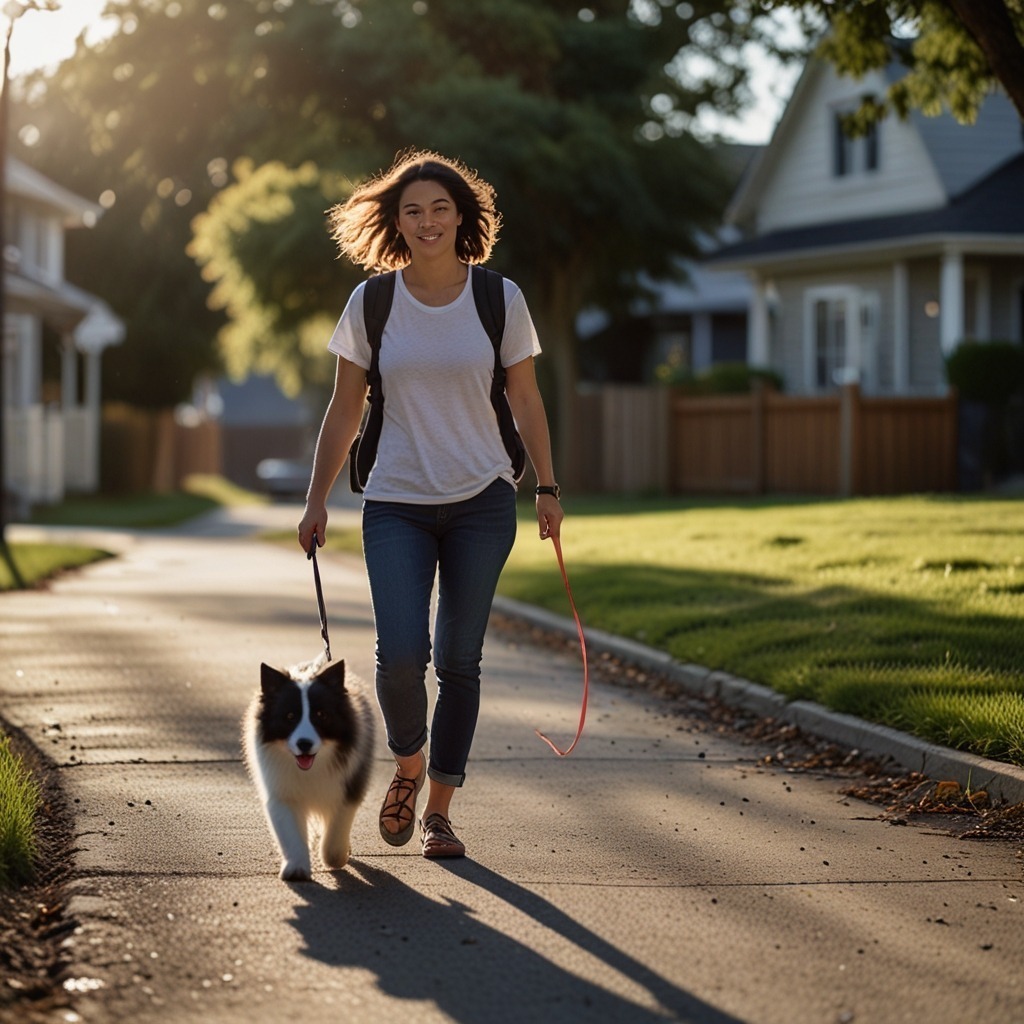
I did this with Finn after the bed-hiding incident. My friend brought over her super calm Border Collie mix, Sasha, and we walked on opposite sidewalks for ten minutes. Finn's tail went from tucked to neutral. By the end of the walk he gllanced at Sasha a few times and then ignored her. That was the first time in two weeks I saw him relax around another dog. I nearly cried on the sidewalk.
A few tips for parallel walks that nobody told me:
- Start way farther apart than you think you need. If your puppy is staring or whining, you're too close. Increase distance until they disengage.
- No leashed greetings until the dogs are consistently calm in each other's presence. For some puppies that's one walk, for others it's ten. Finn took seven walks before he could relax within 10 feet of Sasha.
- The other dog matters enoromusly. Pick a dog who is bombproof — no reactivity, low energy, not a puppy themselves. Your friend's annoying adolescent Lab isn't the right choice, no matter how much they “love puppies.” That kind of love can flatten a timid puppy's spirit.
The 3-second rule that sropped me from micro-managing every interaction
Once Finn was ready for actual greetings — after weeks of parallel walks and recovery — I still had a problem. I'd hover. I'd hold my breath and stare at both dogs like a hawk, waiting for something to go wrong. And of course that made me, hilariously, the problem. My tension leached down the leash. When I tensed up, Finn tensed up, and then the other dog would give me a confused look like “why is your human being weird?”
My vet — Dr. Nguyen, who's tolerated my frantic calls through three dogs and a divorce — gave me the simplest advice. “Three seconds. Let them sniff for three seconds, then call your dog away and reward. If they want to go back, fine. If not, move on. You want him to learn that greetings are short, manageable, and you'll always give him an exit.”
Three seconds. That tiny window took all the pressure off. It taught Finn that he didn't have to endure a prolonged interaction if he wasn't feeling it. It kept his social batteries from draining. And it prevented the endless sniff-circles that sometimes escalate because one dog gets overstimulated and humps or air-snaps. Short and sweet. The rule works with adult build dogs too. I've used it with 60-pound dogs who were pushy greeters and with 6-pound dogs who'd flop on their backs out of fear. Three seconds, then cheerfully lead them away, shove a treat in their mouth, and assess. Over time, they start to trust that you won't force them into something they can't handle.
“The goal isn't to make your dog love every dog. It's to make them believe that you'll protect them from rude dogs. Once they trust your judgment, they can relax.” — Dr. Nguyen, who deserves a medal for dealing with me
When I finlaly stopped taking him to dog parks and why that was the best thing I ever did
I used to idolize dog parks. I thought they were like playgrounds where dogs learned to be dogs. I was wrong. Dog parks are chaos incubators. Unpredictable dogs, inattentive owners, resource guarding over tennis balls, and a complete lack of structure. For a puppy still learning the rules, it's like throwing a kindergartener into a mosh pit and hoping they learn concert etiquette.
I wrote about the time a Lab pinnned a build puppy at the park — that story is here and it still makes me queasy to remember. The short version is that I stood there like an idiot while a 70-pound dog I didn't know ran full speed into my 15-pound build and stood over him growling. The puppy screamed. I screaemd. The owner was on his phone. It took two seconds to create a fear that took months to undo.
I'm not saying you can never take a dog to a dog park. But for puppies? Especially during the socialization window? Hell no. The risk outweighs the reward. You can't control the other dogs. You can't guarantee that every person there reads body language correctly. And if your puppy has one traumatic experience during a fear period — which can hit around 8-10 months, depending on the dog — that memory can become a permanent file. So I stopped. I found playmates for Finn through people I trusted — small, structured play dates with one or two dogs max. And that was enough. He didn't need a pack. He needed predictable, safe interactions that he could recover from quickly.
A tiny tangent about my cat that's only half-relevant
Someone's going to read this and think, “But what about cats? My puppy needs to meet cats too.” I know. I've done that dance. My first dog-cat introduction ended with a $40 lamp in shards and a very traumatized tabby under the fridge. I wrote that whole disaster up over here, and honestly the principles are the same: go slow, give the cat ecape routes, and for the love of all that's holy don't let a bouncy puppy chase a cat under any circumstances. A cat's hiss is a warning, not a challenge. Your puppy needs to learn that the hiss means “back off” and you need to enforce that boundary immediately. But that's a whole other 4,000 words so I'll park it there.
What finally clicked for Finn (and for me)
It wasn't a single moment. It was a slow accumulation of good choices after a pile of bad ones. By the time Finn was six months old, he could walk past another dog on a trail and offer a brief sniff without melting down. He could play with Sasha for twenty minutes and then conk out in the car without hyper-vigilance. He learned to trust that I'd read the room and yank him out of any situation that got too intense.
One morning, about eight months in, a neighbor's off-leash dog charged up to us on a walk — my absolute nightmare scenario. Finn looked at the dog, looked at me, and then sat down. Sat. Down. He didn't cower. He didn't lunge. He just waited. I called him to my side, clipped on his leash (he'd been on a long line), and we walked the other direction while the other owner apologized and scrambled after their dog. Finn was fine. The old Finn would have panicked. The old me would have panicked too, transmitted that panic, and made everything worse. But we'd both learned.
If you're in the thick of it right now with a puppy who's scared of other dogs — or too enthusiastic and trampling everyone — I want you to know something. It gets better. Not because the puppy magically matures, but because you learn to listen. To watch the tiny signals. To be their advocate rather than their social secretary. A well-socialized dog isn't one who loves everyone. It's a dog who trusts you to handle the world so they don't have to.
I still have Finn's paw print on my wall from the day he got adopted. The family sent me a photo last month of him sprawled on their porch with a senior Golden Retriever, both of them sleeping in a pach of sun. Nobody threw a party. No one forced them to interact. They just existed next to each other, peacefully. That's socialization done right.