My Foster Puppy Ate a Bottle of Ibuprofen — Here's the Household Safety Guide I Wish I'd Had Before That Night
I paid $1,200 to learn that household safety isn't just hiding wires. From chocolate and lilies to trash can treasures, here's the guide that could save you a midnight vet run—and your pet's life.
The night I paid $1,200 to learn that ibuprofen and puppies don't mix
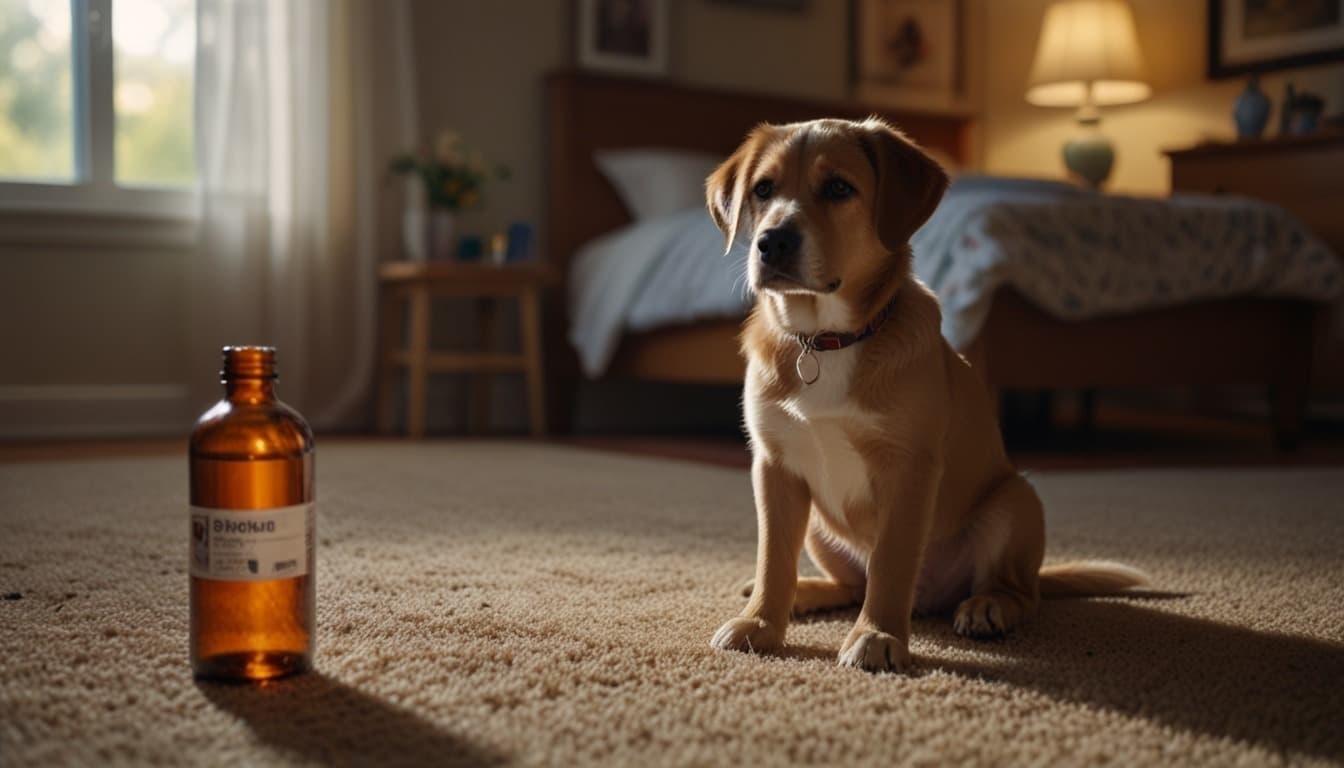
It was a Tuesday. I'd had a headache all day—the kind that sits right behind your eyes and makes you want to punch something. I'd left the botttle of ibuprofen on my nightstand like I'd done a hundred times before. My build puppy, a 12-week-old lab mix named Hank, was supposed to be napping in his crate. But nope.
I heard a weird crinkling sound and found him in my bedroom, the bottle chewed open, pills scattered everywhere, and Hank looking at me with his tail going a hundred miles an hour like he just found the world's greatest chew toy.
I lost my entire mind.
I did that thing you're never supposed to do: I tried to count the pills that were left. I was shakking so bad I could barely see straight. I called my vet clinic—Dr. Nguyen's number is saved in my phone under 'CALL HER NOW'—and she said, 'Sarah, get him to the emergency clinic. Now. Don't try to make him vomit at home.' She knows me too well; I absolutely would've tried the hydrogen peroxide trick and made everything worse.
A thousand-two-hundred dollars later—yes, you read that right—Hank was fine. They induced vomiting, ran bloodwork, kept him overnight. I spent the night in the kitchen staring at the wall, mentally addig up every dangerous thing in my house that I'd walked past a million times without a second thought.
That was the night I realized that 'pet-proofing' isn't about hiding the electrical cords. It's about looking at your entire life through the eyes of a four-legged creature who will eat literal garbage if given half a chance.
The 'pet-proofing paradox' (or: why your house is trying to murder your new pet)
Here's the thing nobody tells you when you bring that new puppy or kitten hmoe: you live in a museum of death traps and you don't even know it.
I'm not being dramatic. Okay, maybe a little. But after Hakn, I started making a list—a literal list on a sticky note—of everything in my house that could send me to the emergency vet. By the time I hit 40 items I was side-eyeing my own toaster.
The stuff that's so obviously dangerous you'll roll your eyes, but then you'll leave a grape on the floor anyway
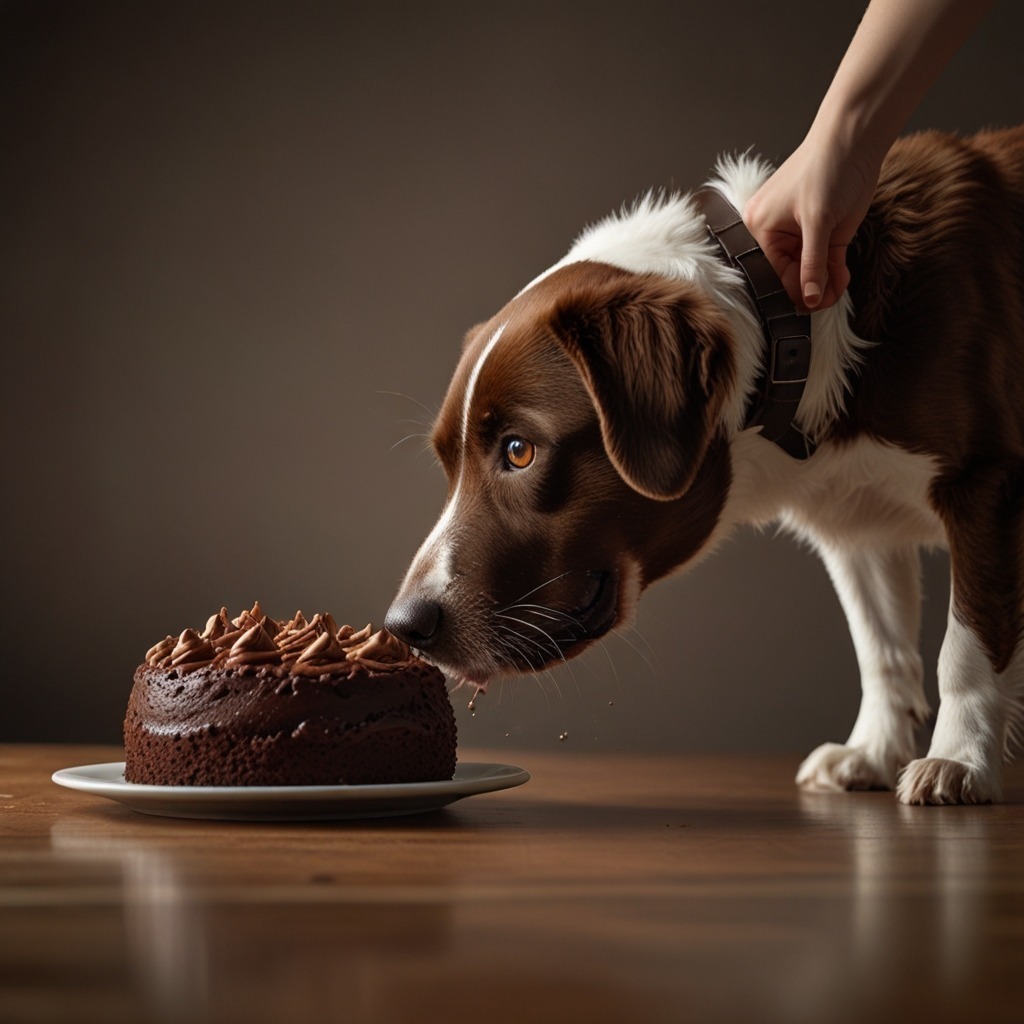
Before Hank, I thought I knew all the big ones. Chocolate? Yeah, my dog ate half a brownie pan once—there's a whole other midnight panic story for that. But then you get comfortable. You statr leaving things within reach because 'he's never done it before.' That's when you're most dangerous.
Human mdications: the most expensive table scraps your pet will ever eat
Ibuprofen, acetaminophen, naproxen, cold medicine, antidepressants, ADHD meds—they're all horrible for pets. I'd known that theoretically. But I never thought about how a puppy sees a rattling bottle as the best toy in the world. The vet told me that a single 200mg ibuprofen tablet can be toxic to a small dog. Hank was 20 pounds and he'd eaten maybe six. I shudder just typing that.
Now I keep every single medication—human and pet—in a latched box on a high shelf. Not on the nightstand. Not in my purse. Not in the bathroom cabinet that a clever dog can nose open. It's annoying when I've a headache at 2am and have to fumble with the latch, but I'd rather be annoyed than sobbing in a waiting room again.
Chocolate and the kitchen counter of doom
I wrote an entire post about the night my dog ate an entire pan of brownies, and you can read the full nightmare here. The short version: chocolate is dose-depednent, and dark chocolate is worst. I had to call poison control again—their number is 888-426-4435 by the way, you should save that—and they ran calculations based on my dog's weight and the chocolate type. It was terrifying.
Here's what I wish I'd known: that delicious-smelling brownie pan on the cooling rack? Your dog knows it's there. They'll wait until you go pee and then they'll counter-surf like they're training for the Olympics. I now put everything in the microwave or a locked cabinet. Not just on the counter. On the conter is fair game to a sufficiently motivated dog.
Plants that look pretty but might as well be cyanide
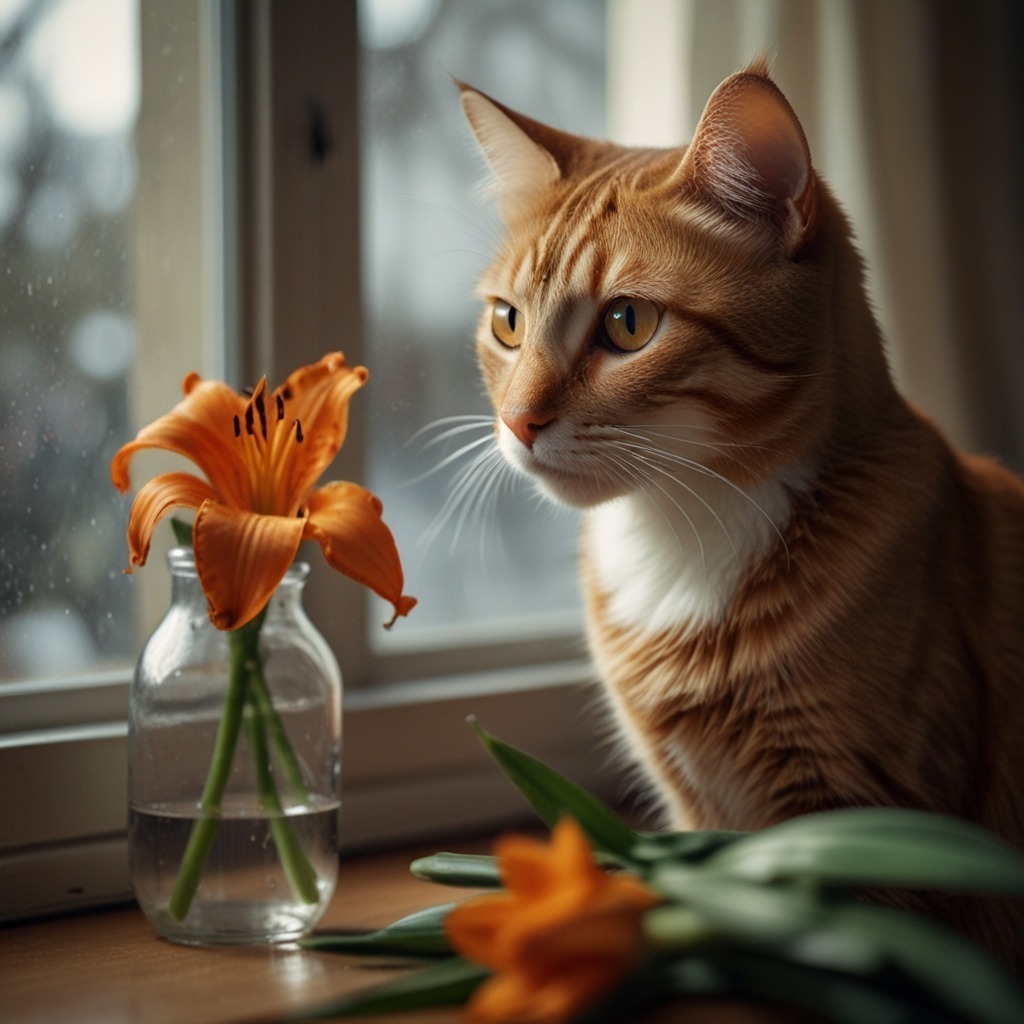
I've to admit, I used to think the plant thing was overblown. Then I had a build cat named Suki who ate half a peace lily leaf and started drooling so much I thought she'd turned into a fountain. Peace lilies aren't even the deadliest—they cause oral irritation and vomiting—but it scared me enough to look up every plant in my house. I had a sago palm in the corner, which is basically a deaath sentence for dogs and cats. I threw it out so fast I nearly broke a window.
Lilies (true lilies, like Easter lilies, tiger lilies) are especially deadly to cats—even the pollen can cause kidney failure. I'll tell you a story about that later. But for now, just know: if you bring a new pet home, Google every single plant you own. Or better yet, assume they're all toxxic and move them somewhere you're willing to not see them for 15 years.
String, tinsel, and other intestinal night terrors
I once spent three hours at the vet because my build kitten ate a piece of dental floss. Three hours and $340. The vet had to sedate her and use an endoscope to fish it out. If string gets caught in the intestines, it can saw right through them. That's a $3,000 surgery and a very real chance your pet doesn't make it. So now I'm obsessive about anything string-like: floss, thread, yarn, tinsel (the holidays are a nightmare), rubber bands, hair ties. My cat, Miso, will eat a hair tie faster than I can blink. I find them in his poop occasionally—which is a whole other level of gratitude for a hairball-sized miracle.
Toys that look indestructible but secretly want a trip to the ER
I once gave a build puppy a hard plastic bone that was labeled 'virtually indestructible.' The puppy shattered it into sharp shards within 20 minutes. I wrote about that $340 X-ray nightmare here. The short version: many toys that claim to be tough are anything but, and a shard in the gut is a surgical emergency. I now test every new toy by trying to break it myself before giving it to a dog. If I can snap a piece off with my hands, it's not safe.
Actually, wait — let's talk about your trash can
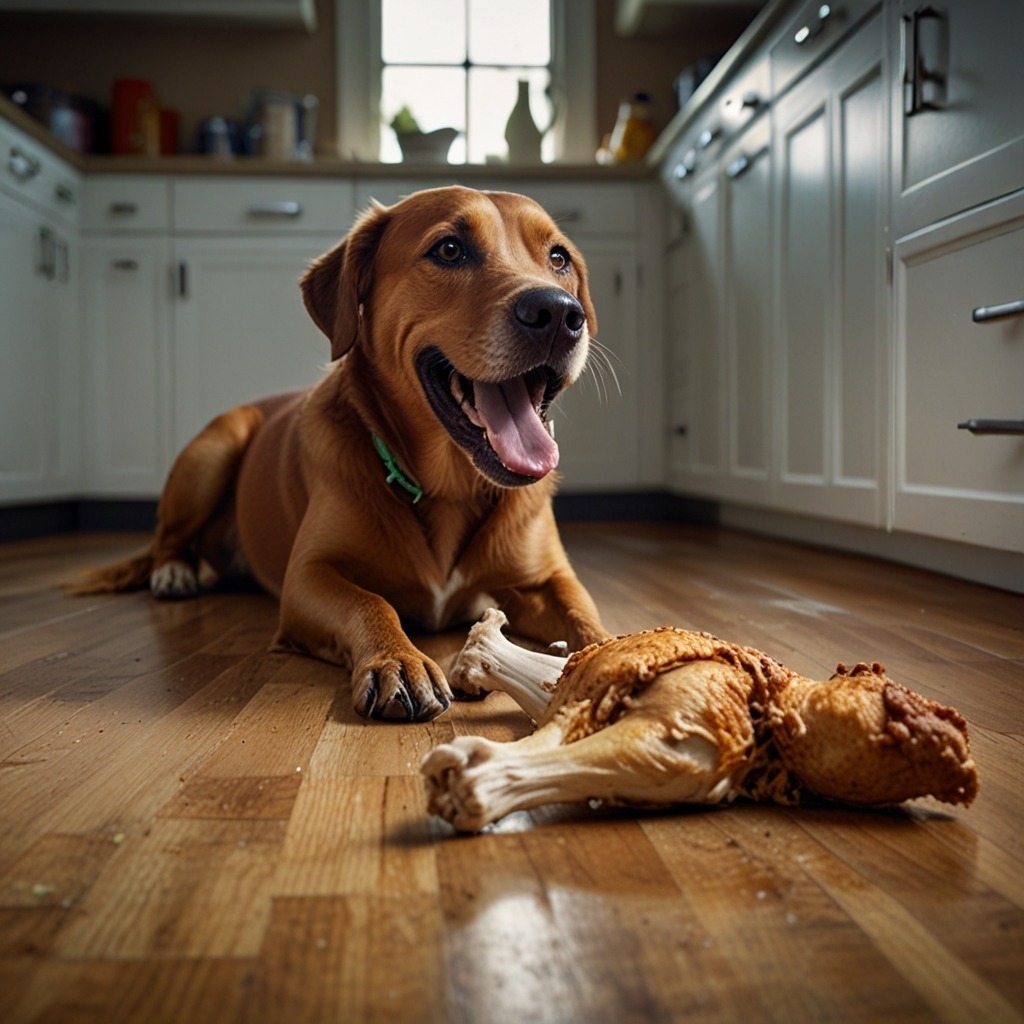
Seriously. The most dangerous thing in your kitchen isn't the cleaning supplies under the sink (we'll get to those). It's the open trash can that smells like last night's rotisserie chicken. I had a build dog, a 60-pound pit mix named Bruno, who taught himself to open the foot-pedal trash can. He ate three chicken bones and a moldy loaf of bread before I noticed. The bones? Can splinter and perforate intestines. I was lucky—he passed them without incident, but my vet gave me the 'if he starts vomiting or lethargy' speech that leaves you staring at your dog for 24 hours straight.
Now all my trash cans have locking lids. It's not pretty. My kitchen looks like I'm storing state secrets. But I haven't chased a dog down the hallway trying to pry a rib bone out of his moutth in three years, so I call that a win.
Cleaning products: the silent killers your grandma swore by
My grandmother used Pine-Sol on everything. I grew up thinking that smell meant clean. But pine oil and a lot of other essential oils are toxic to pets—especially cats, whose livers can't process them. I once mopped my floors with a pine-based cleaner, and my dog, Chewie, spent the rest of the day licking his paws and then puking up foam. The vet said it was probably mild irritation, but it could've been worse.
Common household cleaners that are dangerous: bleach (obviously), ammonia, phenols, bleach-based sprays—oh, and those toilet bowl pucks you drop in the tank. If your dog drinks from the toilet (and they'll), they can get chemical burns in their mouth. I never use those anymore. I basically clean my house with vinegar and water now, because I'd rather smell like a salad than poison my pets. Is it as effective? Debatable. But neither is crying in the car on the way to the vet.
And don't get me started on those fragrant plug-in air fresheners. Some essential oils are neurotoxic to cats. I had a friend whose cat developed tremors, and the vet narrowed it down to a wall plug-in with eucalyptus oil. She unplugged it, cat recovered. That's terrifying.
But wati, the backyard is trying to kill them too
If you've a yard, you've got a whple new set of dangers: pesticides, fertilizers, plants that are toxic, and even grass that's been treated with chemicals that make your dog vomit. I had a build dog who ate grass obsessively and ended up on a $40 probiotic to fix his gut, but it could've been worse if the grass had been sprayed. So I never use herbicides or pesticides where my dogs walk. I've learned to coexist with dandelions.
The shiny-object black hole
Button batteries, coins (especially those gross old ones we hide in pockets), hearing aid batteries—these cause burns in the esophagus if swallowed. And if a pet chews a battery, it can leak acid. I now treat loose batteries like they're radioactive. They go in a jar with a lid immediately, not on the table. I've known a dog who swallowed a remote control battery and needed emergency surgery. That's a $4,000 lesson I'm happy to learn secondhand.
What I do now: the slightly obsessive, possibly neurotic checklist that kerps me from emergency vet runs
After Hank, I got methodical. I now have a routine that makes me look like a crazy person, but my build pupies have all survived me, so I'm sticking with it.
The 'get on their level' test
Every month or so, I get down on my hands and knees and crawl around my liivng room. I call it the puppy crawl. You see things you never see from standing height: a stray earplug under the couch, a pushpin that fell behind the chair, the edge of a plastic wrapper. I've found things that could've killed a dog easily. It's humbling.
The lockbox where my pills live now
As I said, all medications are in a latched box on the top shelf of a closet. Not in my purse, not in my nightstand. I also never set a pill down on the counter even for a second—because a second is all it takes for a dog to swallow it. I learned that the hard way.
The plant purge of 2019
I gave away every plant I couldn't confirm was safe. My living room looked like a concrete bunker for a while. Now I've a few spider plants and a Boston fern, which are safe. If I want lilies, I buy them for the office—where no pets go. I don't even bring cut flowers into the house if I'm unsure.
The 'trash can before bed' ritual
Every night before I go to sleep, I empty the small trash cans (bathroom, office) into the main kitchen bin, which gets locked. That way, a dog with midnight curiosity doesn't find a dental floss pick or a tissue with something on it. I've also thrown out chicken bones outside in the garage bin immediately, not in the kitchen. I'm not messing around anymore.
The emergency numbers taped everywhere
I've the ASPCA Poison Control number (888-426-4435) and my vet's after-hours number on the fridge, in my phone, and on a sticky note in my car. Because when you're panicking, you can't think. My phone knows to call Dr. Nguyen's personal cell. I earned that privilege by being her most anxious client.
The day I thought I'd finally figured it all out, and then my cat knocked over a vase of lilies
I was smug, okay? I'd done all the things. The lockbox, the plant purge, the trash can ritual. I was telling a new build adopter about pet safety like I was some kind of expert. Then I came home one evening to find a vase of Stargazer lilies—a gift from a friend who didn't know I'd banned lilies—shattered on the floor. And my cat, Miso, the one who judges me from the windowsill, had orange pollen all over his face and whiskers.
I didn't even scream. I just said 'No no no no no' for like 20 seconds while I grabbed him and rushed to the bathroom to wash his face. I knew that lily pollen on a cat's fur counts as ingestion because they groom. I called poison control from the car—already heading to the emergency vet, not waiting for permission. They said bring him in immediately, even if he wasn't showing symptoms yet. Kidney damage can hit 24 to 72 hours later, and by then it can be irreversible.
As I drove, I was running through every way I'd failed. I should've told my friend no cut flowers. I should've checked the table when I got home before letting Miso out. I sat in the waiting room for two hours while they ran bloodwork and gave him fluids. The vet came out and said he was lucky—the amount was small, and early intervention would likely prevent damage. I cried into my mask.
$700 later, Miso was home, grumpy but fine. Now I've a sign on my door that says 'No flowers, please. My cat will die.' It's dramatic, but it works. People finally listen.
The sticky note on my fridge that just says 'EVERYTHING CAN KILL THEM' (and the four items I list underneath)
That sticky note has been on my fridge for two years now. Under the all-caps headline, I wrote: 'Grapes/raisins, sugar-free gum (xylitol), human meds, lilies.' Those are the heavy hitters that crop up in my life most often. I add things and cross them off as I purge my house. This month there's a new bullet point: 'Zipper pulls from hoodies' because my puppy ate one and I only found teh metal part in his poop.
I'm not trying to scare you into living in a plastic bubble. I live with three dogs and a build cat, and my house still looks like a home, not a laboratory. But I've learned that a little paranoia goes a long way. You don't have to memorize the toxicology of every household item—you just need to think like your pet, get on their level, and assume that if it fits in their mouth, they'll eat it. Because they'll.
And find a vet who knows you by your first name and won't judge you when you call at 11 p.m. because your dog ate a crayon. (Crayons are non-toxic, by the way. But I didn't know that that time, and Dr. Nguyen still laughed at me gently.)