
My 14-Year-Old Lab Could Barely Stand Up After Naps and I Thought It Was Just 'Getting Old' — Here's the Mess of Changes That Actually Brought Him Back
I told myself it was normal. Old dogs get stiff. But when Tucker collapsed trying to jump on the couch, I stopped lying. The vet handed me a $340 bill and a list of everything I was doing wrong. Here's what actually made a difference.
When 'slowing down' stopped benig cute and started being terrifying
Tucker turned 14 last spring. For a Labrador, thta's ancient. He'd been moving a little slower for a while—heavier on his front legs, taking an extra second to get up from his bed, leaving one back leg sort of dangling when he stood in the kitchen waiting for snacks. I told myself it was normal. Old dogs get stiff. Hell, I get stiff getting up from the couch these days and I'm only 38. So I didn't panic. I just bought him a senior dog bed and upgraded his kibble to one of those 'joint health' formulas and figured we were doing great.
Then one morning I watched him try to stand up after a nap and his back legs just… didn't. He wobbled, collapsed back onto his bed, and looked at me with this confused, embarrassed expression that honestly made me start crying before I even processed what was happening. My husband was at work. I was alone with a 75-pound dog who couldn't get up, and I had no idea if this was an emergency or just a really bad arthritis day.
Long story short: it was a really bad arthritis day. But it was also a huge wake-up call. I'd been ignoring a dozen small signs because I didn't want to admit my dog was falling apart. And the thing is, I used to work in a shelter. I dropped out of vet tech school after a year because anatomy made me squeamish (I know, I know), but I've fostered over 40 dogs and cats, cleaned up every bodily fluid, dealt with parvo, mange, you name it. I should have known better. But when it's your own dog, the denial is powerful. So I did what any panicked pet parent does: I called my vet and sobbed into the phone while Tucker licked my ankle from the floor.

The $340 vet bill that finally made me feel like an idiot
Dr. Nguyen—the saint who's put up with my 11 years of 3am panic calls through three dogs and a divorce—ran a full exam, did bloodwork, and gave me a look that was equal parts sympathetic and exasperated. The verdict: Tucker had advanced arthritis, mild obesity (he'd gained four pounds since last year, which on an old dog is a lot), ears full of gunk that had been brewing a low-grade infection for probably months, and nails so long they were altering his gait and putting weird pressure on his joints. None of this was new. All of it was manageable. But I'd been doing nothing useful about any of it because I was too busy pretending he was just 'slowing down.'
The bill was $340. The lecture was free. And honestly, I deserved it. I left that appointment with a folder of handouts, a bottle of anti-inflammatories, and a deep, aching guolt that I'd let my best friend hurt for months because I couldn't be bothered to pay attention. So I started fixing everything. Every single thing she pointed out. Not because I'm some kind of perfect pet parent—I'm absolutely not—but because I was embarrassed and desperate and willing to try anything. And the weird part? A lot of the things that actually helped weren't the things I expected.
The nail thing I ignored for yearrs because I'm a coward
Let's get this one out of the way first because it's humiliating. I hate trimming dog nails. I've a whole post about how I haven't touched a pair of dog nail clippers in 7 years. Tucker's nails click-clacked on the hardwood for over a year and I just… ignored it. But here's what I didn't realize: when a senior dog's nails are too long, they can't place their paws properly. They sort of rock back on their heels, shifting weight off the toe pads, which messes with their whole posture and puts extra strain on arthritic joints. Dr. Nguyen showed me how Tucker was walking almost on his 'wrists' because his nails were forcing his feet into a weird position.
I felt like crap. I'd been so worried about his hips that I never once looked at his feet. I still won't use clippers—the thought of quicking him makes me want to vomit—but I bought a dremel and slowly desensitized him to it over two weeks with peanut butter and patience. The first time I did his nails properly, he walked across the kitchen floor and I swear his stride looked different. Maybe I imagined it. But within a few weeks of keeping them short, he stopped stumbling on the rug as much. So that was lesson one: if your old dog is wobbly, start with the freaking nails. It's the cheapest fix and it might matter more than you think.
The ear infection that was making him miserable without me noticing
Here's another thing I missed entirely. Tucker had been shaking his head a little more than usual, but I chalked it up to allergies. His ears didn't smell that bad—just a faint yeasty odor that I assumed was normal old-dog smell. Turns out he had a chronic, low-level ear infection that had probably been simmering for six months. Not bad enough to make him cry, but enough to make him feel generally crappy and off-balance. When you're already arthritic, having an ear infection is like trying to walk on a boat. Your whole equilibrium is shot.
I wrote a pretty detailed (and embarrassing) story about the time I jammed a bottle tip into my dgo's ear and he yelped like I'd stabbed him, so I won't rehaash the whole horror show here. But the short version: I learned how to clean his ears gently, without traumatizing him, using a vet-recommended solution and a very careful technique. Getting the infection cleared up didn't cure his arthritis, obviously, but it absolutely made a difference in his willingness to move around. He was less hesitant on turns, less prone to losing his balance. Old dogs often have ear issues. If yours is slowing down and seems clumsy, check the ears before you assume it's all joint-related.
The food that promised 'joint support' and delivered nothing
Here's the part where I get a little salty. I'd been feeding Tucker a 'senior joint health' kibble for six months before all this went down. It was expensive. It had a picture of a happy golden retriever on the bag and words like 'mobility blend' and 'glucosamine source.' I thought I was doing everything righht. But Dr. Nguyen looked at the ingredient list and basically rolled her eyes. 'This has less glucosamine per cup than a single chewable tablet,' she said. 'It's marketing.'
I wrote a whole separate rant about feeding my 12-year-old lab 'joint health' kibbble for six months and watching him barely be able to stand, so I'll spare you the full fury here. But the point is: most commercial senior dog foods are garbage. The ingredient that actually helps joints—high-quality, concentrated omega-3 fatty acids and therapeutic levels of glucosamine/chondroitin—are almost never present in kibble in meaningful amounts. You're better off feeding a high-protein, moderate-fat diet that keeps them lean, and adding joint supplements separately. Which brings me to…
A completely random tangent abbout my neighbor's chihuahua that taught me something
My neighbor Pam has this ancient chihuahua named Bean. Bean is 16, blind in one eye, and has approximately four teeth left. And yet this dog trots around the yard like she owns it, jumps onto the couch (a specially placed ottoman helps, but still), and generally acts about five years younger than she looks. One afternoon I was venting to Pam about Tucker and she invited me in for coffee. Bean was eating a bowl of what looked like stew. Pam had been cooking for her for years—chicken, sweet potato, green beans, a little rice, some fish oil on top. 'The vet said her bloodwork is better than most dogs half her age,' Pam shrugged. 'I'm not saying it's the food, but…'
I'm not telling you to start making your dog gourmet meals. That's not realistic for everyone, and honestly I still mostly feed commercial food because I'm lazy and my life is chaos. But that conversation stuck with me. Fresh, whole ingredients matter. After Tucker's $340 humiliation, I started adding things to his bowl—sardines in water, scrambled eggs, a dollop of pumpkin, some green-lipped mussel powder. Nothing insane. Just real food mixed in with his kibble. His coat got shinier within two weeks. His energy ticked up. Maybe it was the placebo effect on me, but I don't think so. Old dogs need nutrition that isn't just processed pellets. They need moist food because they drink less. They need protein to maintain muscle mass. Kibble, especially the 'senior' kind that's often low-protein and high-carb, is working against all of that. Anyway, end tangent.
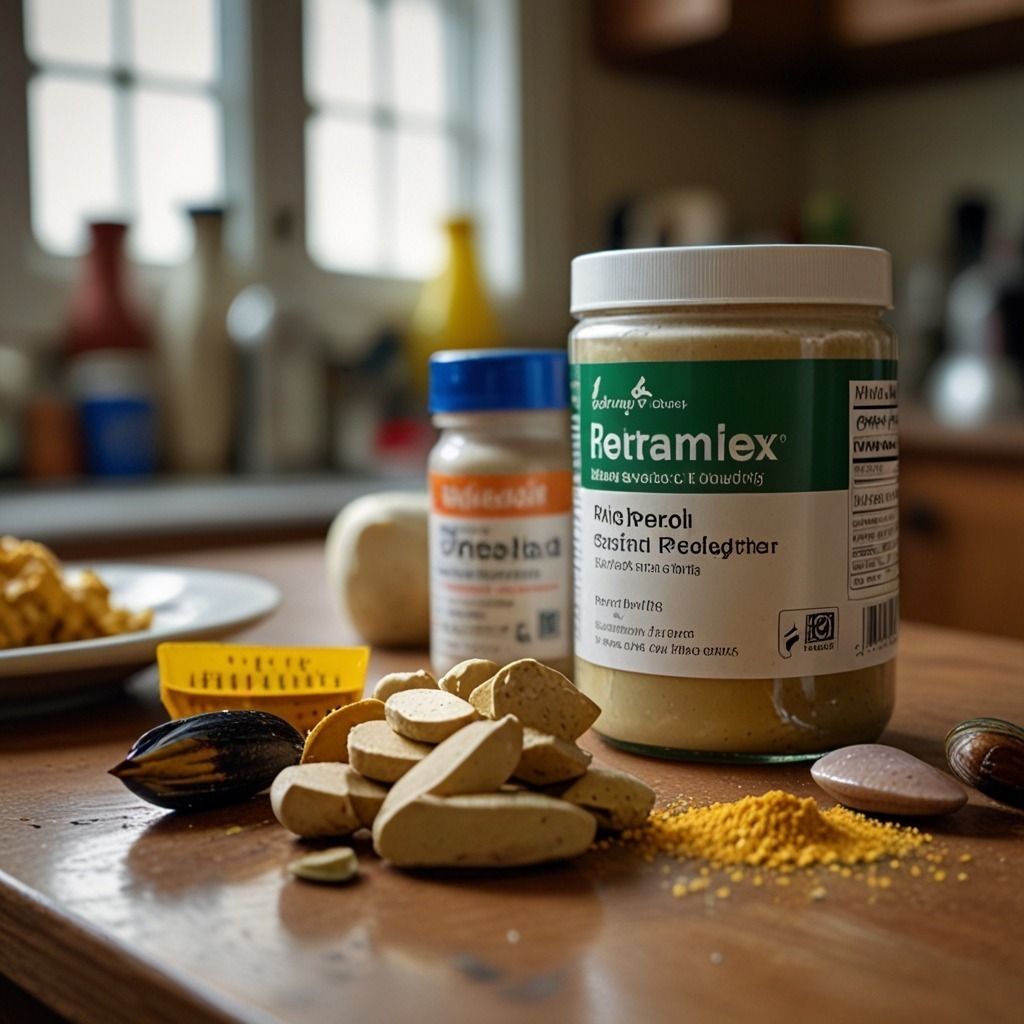
The supplement graveyard in my kitchen cabinet (and the three that actually worked)
After the vet visit, I went a little crazy with supplements. Like, I had a spreadsheet. My kitchen counter looked like a health food store exploded. Over the course of eight months, I tried probabyl fifteen different things, and most of them did jack squat. But a few made a noticeable, undeniable difference. Here's the honest breakdown.
The one that made him worse before it made him better
CBD oil. I know, everyone swears by it. I bought a highly-rated brand, started with the recommended dose, and within three days Tucker was lethargic and weirdly wobbly—worse than before. I freaked out, stopped immediately, and he bounced back. I latre learned I'd given him a full-spectrum product that had trace THC (legal in my state, but still) and some dogs are just sensitive to it. I'm not anti-CBD; I've seen it work miracles for other people's dogs. But it wasn't right for Tucker, and I wish someone had told me to start with an absurdly low dose and give it two weeks before judging. I jumped in too fast and scared myself off it entirely.
The green-lipped mussel stuff my vet rolled her eyes at—but it worked
I first heard about green-lipped mussle at a pet store from a guy who also tried to sell me 'crystal healing' for my dog's auras, so I was skeptical. But Dr. Nguyen, surprisingly, said there's actually decent evidence for it in dogs with moderate arthritis. It's a concentrated source of omega-3s and unique fatty acids that seem to reduce joint inflammation. I started adding a powder to his food, and after about three weeks, I noticed he was getting up faster after naps. Not dramatically. But noticeably. I've kept him on it ever since. The brand I use is from New Zealand, ethically sourced, and costs about $30 a month. Worth every penny.
The probiotic that fixed more than just his poop
Okay, this one sirprised me. I wasn't even thinking about gut health; I was focused on joints. But Tucker's poop had been getting softer and less predictable—not diarrhea, just… unreliable. An old dog with a sensitive stomach is a recipe for 3am backyard incidents. I'd tried a few probiotics that either did nothing or made things worse (I wrote about that nightmare here). The one that finally worked, a simple lactobacillus blend from a brand my vet recommended, firmed up his stool within a week. But here's the weird part: his overall demeanor improved too. He seemed less uncomfortable, less grouchy. I later read that gut inflammation can worsen systemic inflammation, including joints. So maybe fixing his belly helped his body handle the arthritis better. I don't know for sure. But I'm never taking him off probiotics now.
What didn't work at all
I'm not going to name all the failures because we'd be here all day, but let's just say: generic glucosamine tablets from the grocery store (he needed the veterinary-grade version with proper absoorption), turmeric paste (he hated it, it stained everything, zero difference), and any 'all-in-one' chew that claimed to fix joints, skin, and anxiety simultaneously. Those are usually just dog treats with a bit of marketing dust. Save your money.
The exercise mistake that was making everything worse (and what I changed)
Before the vet visit, my approach to exercise was: long walks, every day, same route, same pace. I thought keeping him moving was good for his joints, which, y'know, it's in theory. But an arthritic 14-year-old Lab doesn't need a 45-minute pavement walk. He needs short, frequent bursts of low-impact movement on soft surfaces. The long walks were actually aggravating his joints and leaving him stiff and sore the next day. I was overdoing it because I thought more exercise = healthier dog. That's fine for a young athletic dog, but it's the opposite for a senior with joint issues.
So I switched to three 10-15 minute walks a day, mostly on grass or dirt trails, with a rest day every few days. On hot days we just pottered around the yard. I also found a hydrotherapy place nearby—a heated pool for dogs—and started taking him once a week. Swimming was a big deal. He moved in the water like he was five years younger, and after each session he'd nap hard and wake up loose and comfortable. It's expendive, about $40 a session, but I cut back on my coffee budget to make it work. (Just kidding. I didn't cut coffee. I just accepted being broke.)
One thing I learned the hard way: never force a senior dog to exercise. If he stops, let him stop. If he looks uncomfortable, go home. I used to push him a little, thinking he just needed to 'warm up.' That was stupid. Old joints don't warm up the same way. They just get more inflamed.
Why I stopped worrying about the carpet
This is a short one. For months I'd been fretting over Tucker's accidents. He'd leak a little pee when he slept, or dribble on the rug during the night. I was scrubbing the carpet at 2am, furious and exhausted, and feeling like my house was falling apart. Then my vet said, 'This is normal for older dogs. Their bladder sphincter weakens. There's medication for it if you want.' I got him on Proin, a medication that tightens the smooth muscle, and the leaking stopped within three days. After that, I bought a waterproof mattress protector for his bed and a few washable rugs. And I stopped caring about the occasional dribble. He's 14. He's earned the right to pee on my floor once in a while. I'd rather have a happy, relaxed dog than a pristine carpet. If you're going through this, ask your vet about incontinence meds—they're cheap and effective—but also, cut yourself some slack.
The weird lirtle things that made a bigger difference than any pill
This section might feel like I'm throwing a lot at you, but these are the tiny environmental changes that, collectively, probably helped Tucker as much as the supplements did.
Raised bowls. I always thought raised feeders were for giant breeds or fancy people. But for an arthritic dog, bending all the way down to eat puts strain on the neck, shoulders, and front legs. I got a $25 elevated stand and he stopped pausing mid-meal to stretch his neck.
Non-slip rugs everywhere. Our house has mostly hardwood floors. For a wobbly old dog, hardwood is like ice. I bought a dozen cheap runner rugs and arranged them into paths from his bed to the door, to his food, to the living room. He started moving with noticeably more confidence because he wasn't afraid of slipping.
Orthopedic bed, actual good one. I'd bought 'orthopedic' beds before that were just normal foam with a label. After the diagnosis, I invested in a real memory foam bed with a bolstered edge for head support. He sleeps deeper now, less tossing, less stiffnes in the morning. The first week he used it, he didn't get up to pace in the night at all, which was a first in months.
Heating pad. I got a pet-safe heating pad (low voltage, chew-proof cord) and put it umder his bed during cold months. On chilly mornings, he'd lay there and I swear you could see the tension leave his hips. Heat therapy is simple but ridiculously effective for arthritis.
Ramps, not steps. I used to have a little step stool to help him onto the couch. But stepping up put pressure on his back legs. A low ramp made it so much easier, and he started asking to come up and cuddle again, which he'd stopped doing because getting up was too hard.
Massage. I'm not a professional, but I learned some basic canine massage tecjniques from YouTube. Five minutes of gentle circular motion on his hips and shoulders before bed became our little ritual. He'd groan and melt into the floor. I think it helped with circulation and made him feel loved. And honestly, it helped me too—slowing down, touching his old body, reminding myself he'd built this life with me.
When I finally stopped treating him like a fragile museum piece
For a while after the diagnosis, I was so terrified of hurting him that I basically bubble-wrapped his life. No stairs, no jumping, no running, no excitement. I'd hover over him whenever he stood up, ready to catch him. I thought I was protecting him, but what I actually did was take away his autonomy. He got depressed. He'd lie on his bed all day, tail barely wagging, because I wasn't letting him be a dog.
One afternoon I was outside with him and a squirrel ran across the yard. Tucker lunged—yes, a 14-year-old arthritic Lab lunged—and chased that squirrel about ten feet before stopping, panting, tongue lolling, looking happier than he'd looked in weeks. And I realized I'd been wrong. He's old, he's sore, he's slow, but he's still here. He wants to chase squirrels, even if it's only for ten feet. He wants to bark at the mailman and roll in the grass and do all the stupid, joyful dog tihngs. So I stopped hovering. I let him make choices. If he wanted to try the back step, I'd spot him but I wouldn't stop him. If he wanted to go on a slightly longer walk, we went. Slowly. With breaks. And he came back to life. Not the body of a young dog, but the spirit of one.
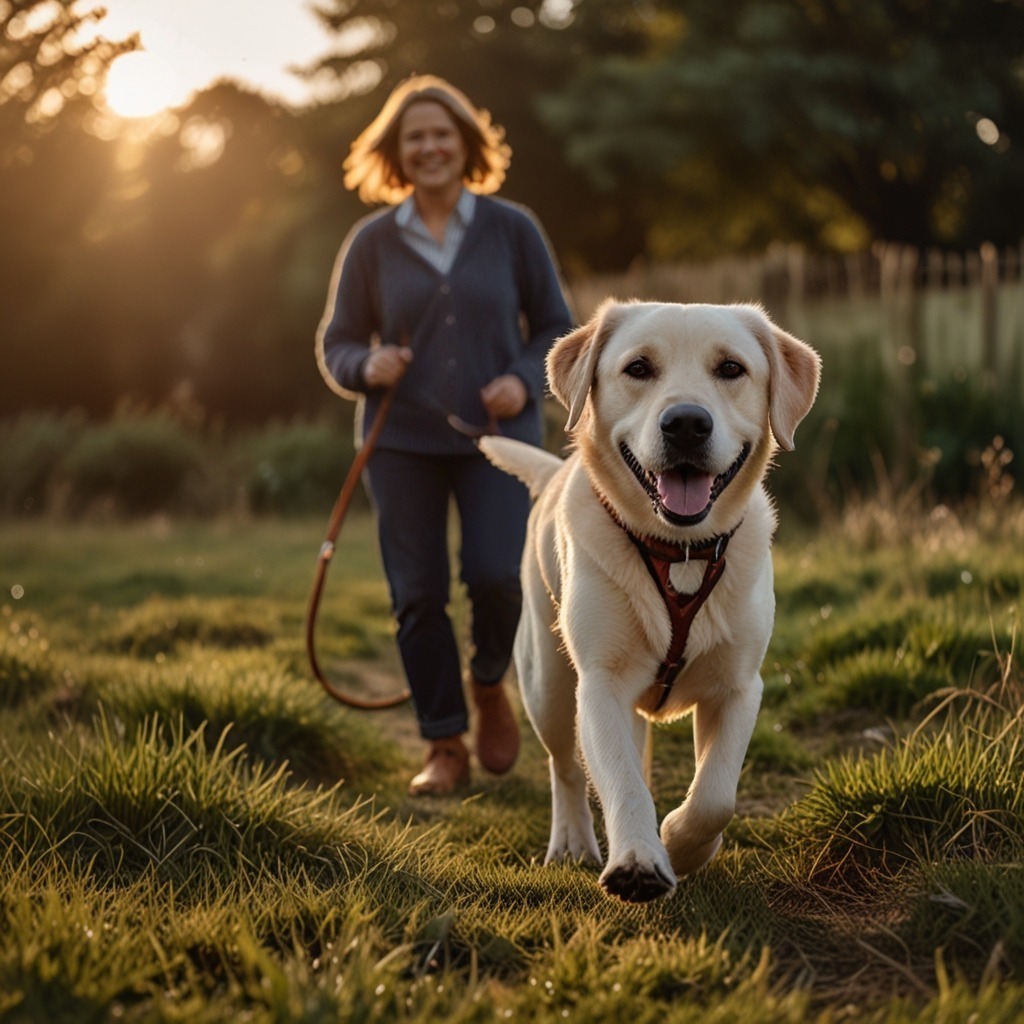
The night he climbed onto the couch by himself and I cried into a pillow
Six months after the $340 vet visit, we'd fallen into a rhythm. Supplements twice a day, meds in the evening, short walks, ear cleaning every week, nails filed on schedule, pool sessions, heated bed, ramps, rugs. It was a lot of work. Some days I resented it. I was tired. But then one night I was sitting on the couch watching a movie, and I heard a soft grunt behind me. I turned around and Tucker had climbed onto the couch. All by himself. No ramp, no help. He just… did it. And then he flopped down against my leg and went to sleep like it was nothing.
I cried into a pillow for like five minutes. Not because I was sad. Because he'd been struggling for so long and I'd been so afraid we were at the end, and here he was, old as dirt, doing the thing he used to do every night. It wasn't a miracle. He still has bad days. Some mornings he's stiff and I've to help him up the ramp. But that night reminded me that senior dogs aren't just dying slowly. They're living, adapting, and, when you get the stupid crap right, sometimes they even surprise you.