I've Bathed Over 40 Itchy Dogs, and the Shampoo That Actually Stopped the Scratching Was a $12 Bottle from the Vet
After years of oatmeal shampoos, coconut oil disasters, and one foster dog who screamed in the tub, I finally found what actually works for itchy, allergy-prone skin. Here’s the brutally honest guide.
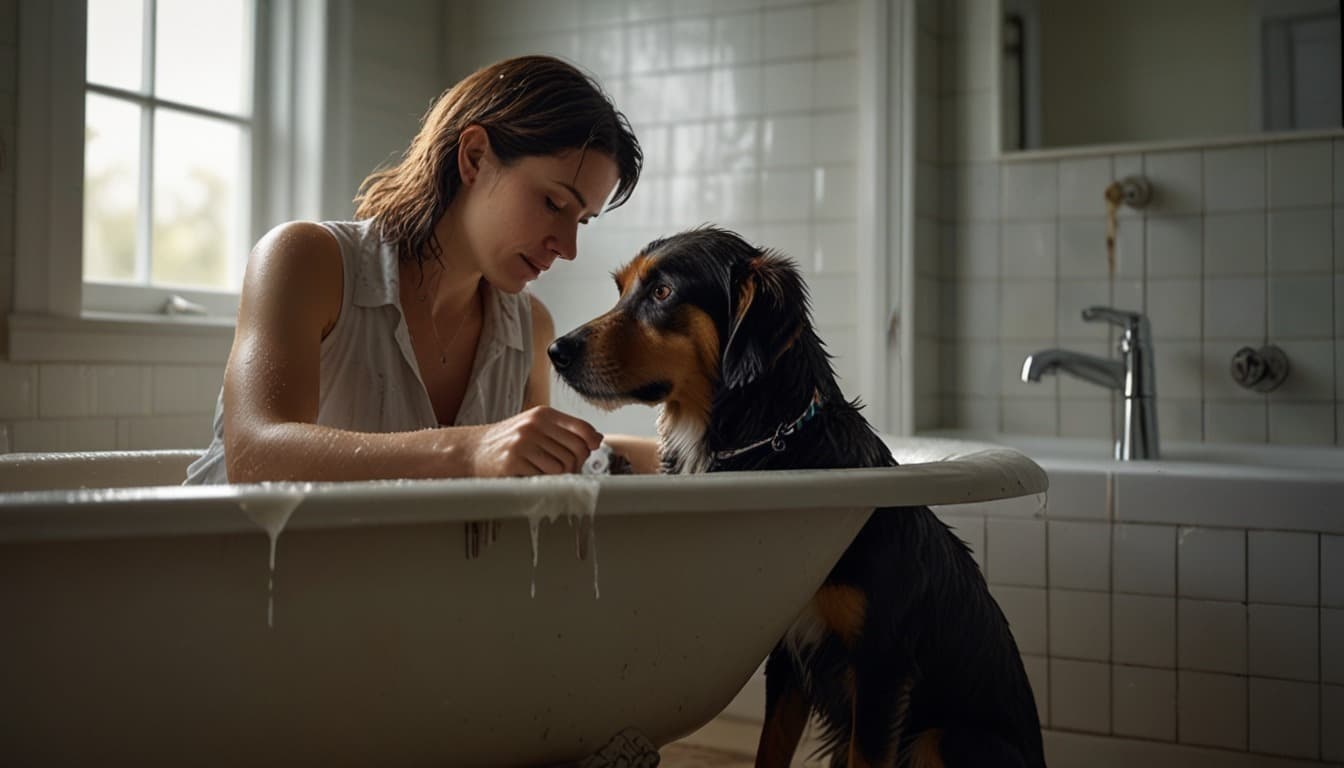
The first time I bathed my build dog Buster, I used a 'gentle oatmeal' shampoo from the pet store and he straight-up screamed. Not a little whimper. A full-throated, someone's-being-murdered-in-here yelp. My neighbor banged on the wall. I stood there holding a sudsy, thrashing 60-pound pit bull mix, convinced I'd somehow permanently damaged this dog with a product that had a picture of a smiling golden retriever on the bottle.
He yelped like I'd poured acid on him. The shampoo wasn't acid, of course. It was pH-balanced, supposedly made for sensitive skin. But Buster's skin was so inflamed from weeks of untreated allergies that even lukewarm water and the most 'gentle' fragrance-free oatmeal goo felt like a cheese grater. I learned a lot that day about what 'gentle' really means when a dog's skin barrier is shot to hell.
See, I'd picked Buster up from a county shelter where he'd been surrendered with a note that said 'allergies, can't aford treatment.' His belly was bald. His armpits were raw. He smelled like corn chips and yeast and something faintly metallic. His ears were so crusty I thought he had ear mites, but it was just a raging yeast overgrowth. And me, with my six years of shelter work and my vet tech school dropout confidence, I thought: oatmeal shampoo. That's what everyone recommends. Calming, natural, blah blah. I was wrong.
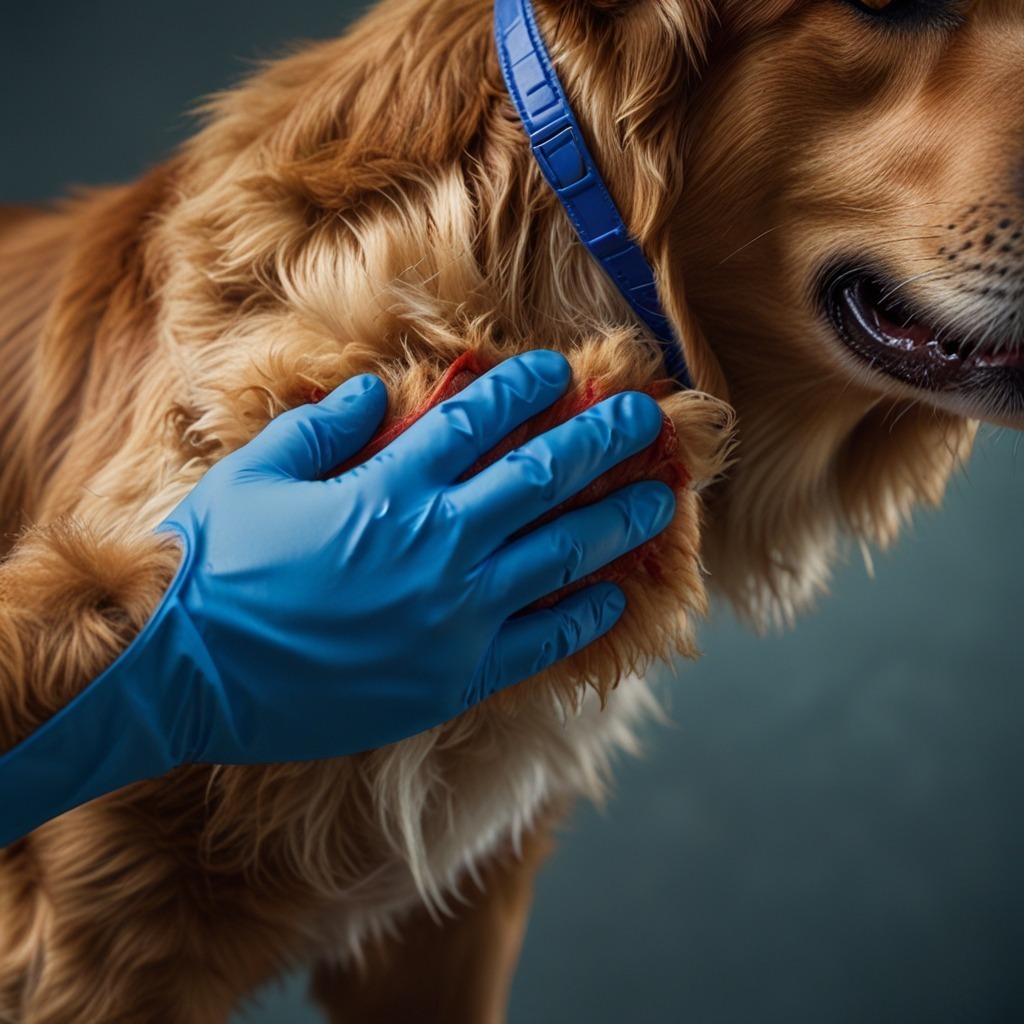
I've now fostered over 40 dogs. I've bathed mangy strays, puppy mill survivors with skin like parchment paper, one shih tzu who was allergic to literally grass, and my own three permanent dogs who somehow all have different skin dramas. I've bought every shampoo at PetSmart, Amazon, and even some weird French brand that cost $45 and smelled like a funeral home. I've tried coconut oil (disaster), apple cider vinegar rinses (smelled like salad, dog still itched), and a DIY oatmeal paste that turned my bathtub into a science experiment. So when I say I know dog shampoo for itchy skin, I mean it in the most exhausted, battle-scarred way possible.
The oatmeal shampoo trap (and why I fell for it for years)
Oatmeal shampoo is the pumpkin spice latte of dog grooming: comforting, vaguely natural, and almost never the solution to your actual problem. I latched onto it because it felt safe. Colloidal oatmeal does have legit anti-inflammatory properties—it can temporarily soothe itching by forming a protective film on the skin. But here's the thing nobody talks about: if the itching is being driven by a bacterial or yeast infection, oatmeal is about as useful as giving a screaming toddler a warm washcloth while thy've an ear infection. You're addressing the symptom, not the cause.
Buster, it turned out, had a gnarly combo of Malassezia dermatitis (yeast) and a secondary staph infection from all the scratching. His skin was so compromised that even the oats in the shampoo fed the yeast slightly—yes, yeast eats sugars, and colloidal oatmeal has some carbohydrates that can theoretically feed yeast on hyper-reactive skin. I'm not saying oatmeal shampoo causes yeast infections. I'm saying that when your dog's skin is a war zone, you need a weapon, not a snack.
I wasted three weeks doing oatmeal baths every other day, believing I was 'healing' him naturally. His skin got worse. The smell got so bad I could smell it from the couch. Finally, Dr. Nguyen—my vet of 11 years, who has seen me through three dogs, a divorce, and more panic calls than I can count—looked at Buster's skin scrape under the micrscope and said, 'Sarah, he's crawling with yeast. Stop with the oatmeal. You need chlorhexidine.' That was the first time I heard that word, and it changed everything.
What the scratching pattern actually meant
Before you even pick up a shampoo bottle, you need to figure out where the itch is coming from. Dogs don't just scratch randomly. The pattern is practically a diagnostic map, and once you learn to read it, you'll save yourself a lot of money on the wrong products. I learned this the hard way, by guessing wrong about fifty times.
Flea allergy dermatitis: the classic butt-chewing
If your dog is obsessively biting the base of his tail, his hind end, his inner thighs, and you find little black specks that turn red when you wet them (flea dirt, aka flea poop made of digested blood), you're dealing with flea allergy dermatitis. Some dogs are so allergic to flea saliva that a single bite can trigger weeks of misery. I learned this when my dog Gus—one of my three rescues, a senior lab mix who's basically a sentient pancake—started gnawing a bald patch right above his tail. I didn't see a single flea. I combed him, I checked his bedding, nothing. But one flea had hitchhiked in from the yard, bit him once, and sent his immune system into a tailspin. He was allergic. The shampoo didn't matter nearly as much as getting him on a prescription flea preventative that actually killed fleas before they could bite. I already wrote about the flea infestation that made me vacuum my baseboards at 2 AM and nearly lost my mind here, but the point is: if you're dealing with flea allergy, you need to nuke the fleas first. A soothing shampoo can help calm the inflamed skin afterward, but if you don't break the flea life cycle, you're just washing a dog while he's getting bitten again.
Food allergies: ears and paws
Dogs with food allergies tend to manifest it in two specific places: their ears and their paws. If your dog has recurrent ear infections that smell like a bakery dumpster, or they're licking their paws until the fur turns rusty brown and the skin between the toes is bright red, I'd bet my last dollar it's a food protein they can't handle. Chicken is the biggest culprit. It's in everything. Beef, dairy, wheat, soy—also common. But chicken is the sneaky one because it's the first ingredient in almost every 'limited ingredient' food that isn't specifically labeled as novel protein. I went through this with a build named Daisy, a bulldog who chewed her feet raw and had ears so inflamed the canals were swollen shut. I went through four different 'sensitive skin' dog foods before a vet dermatologist told me to try a hydrolyzed protein diet. Within six weeks, the redness in her paws faded. The ear infections stopped. It had nothing to do with shampoo. But here's the thing: while you're doing the food elimination trial (which takes 8-12 weeks, and you can't give a single other treat, which I'll get to later), a good medicated shampoo can keep secondary infections at bay so the dog isn't suffering the whole time. That's where chlorhexidine and ketoconazole come in. I also wrote about the moment I realized food was the problem with a different build dog when his poop turned crayon orange in this post, which was a fun lesson in how gut health and skin health are connected.
Environmental allergies: belly and armpits
When the itching is concentrated on the belly, armpits, groin, and sometimes the face and paws, you're likely dealing with atopic dermatitis—an allergy to something in the environment like pollen, dust mites, or grass. This is what my dog Maggie (my middle girl, a terrier mix with the sensitive soul of a Victorian poet) has. Every spring she'd get a rash on her belly, and I'd find her scooting along the carpet on her stomach like a furry Roomba. Antihistamines helped a little. But the real relief came from a combination of frequent lukewarm baths with a ceramide-containing shampoo to repair her skin barrier, plus wiping her down with a damp cloth every time she came inside to remove pollen. Simple, but it worked better than the $40 bottle of allergy chews I threw in the trash after three days, which I fully ranted about in that post. The environmental allergy dogs need barrier support more than anything. Their skin's outer layer is leaky, letting allergens in and causing inflammation. A shampoo that strengthens that barrier can make a massive difference.
Ingredients that actually do something (and the ones that are just marketing)
The pet shampoo aisle is a lie. So many bottles have pictures of aloe leaves and honeycomb and say 'soothing' or 'natural' or 'vet recommended'—which means absolutely nothing. I've spent enough time reading labels through fogged-up glasses in the middle of a bath to know whiich ingredients actually move the needle and which ones are just there to make the owner feel good while the dog keeps scratching.
Chlorhexidine and ketoconazole: the heavy hitters
Chlorhexidine is an antibacterial agent that kills the staph bacteria that cause those pus-filled bumps and crusty patches on allergic skin. Ketoconazole is an antifungal that knocks out yeast. Together, they're the one-two punch for dogs with bacterial and yeast overgrowth secondary to allergies. Most prescription-strength medicated shampoos contain either both or one of these in a 2-4% concentration. The over-the-counter versions often have lower concentrations that are still helpful but might not be enough for a full-blown infection. I keep a bottle of Douxo Chlorhexidine + Climbazole (climbazole is another antifungal) in my bathroom at all times. It's not prescription, but it's strong enough to handle most flare-ups before they require a vet visit. The first time I used it on Buster, after Dr. Nguyen's advice, I lathered him up and let it sit for 10 minutes—that contact time is critical, by the way—and the next day the smell was already fading. Two more baths that week and the crusts started flaking off. It felt like a miracle, but it wasn't; it was just the right antimicrobials doing their job.
Colloidal oatmeal: soothing but not a cure
I don't want to sound like I'm completely anti-oatmeal. Colloidal oatmeal has a real place in managing itch, but that place is as a temporary soothing agent while the actual underlying problem is being addressed. It contains beta-glucans and avenanthramides that reduce histamine release and calm irritated nerve endings. If your dog has mild environmental allergies and you're just trying to take the edge off while his allergy medication kicks in, an oatmeal shampooo with no fragrance and no dye can help. But no oatmeal shampoo will cure a yeast infection or kill staph. I see too many owners (and I was one of them) using oatmeal shampoo as a standalone treatment and then getting frustrated when the dog's skin gets worse. It's like putting a cold compress on a broken leg. Feels nice, does nothing for the actual break.
Ceramides: the skin barrier believers
Ceramides are waxy lipids that fill the gaps between skin cells, forming the protective barrier that keeps moisture in and allergens out. In atopic dogs, that barrier is deficient. Shampoos that contain ceramides—like some of the Virbac and Dechra lines—can help replenish that barrier. I used a ceramide spray on Maggie after every bath, and within a month, her belly wasn't reacting to grass contact the way it used to. It wasn't a cure, but it raised her tolerance threshold. She could lie in the grass for ten minutes without breaking out in hives. I'm not a vet, but I'm convinced that barrier repair is underrated in dog skin care. Everyone wants to kill bacteria and yeast, but if you don't fix the leaky barrier, the bugs just keep coming back.
Fragrance and dye: get that crap out of here
I don't care if the bottle says 'lavender breeze' or 'fresh cotton scent.' If it has fragrance, it has no business being on a dog with allergic skin. Fragrance is one of the most common contact allergens in both humans and animals, and yet nearly every commercial dog shampoo has some synthetic fragrance to make you, the owner, think the dog is 'clean.' The dog doesn't care what it smells like. The dog cares that his skin doesn't burn. I once used a 'calming' shampoo on a build that smelled so strongly of fake vanilla, my eyes watered. The dog broke out in hives within an hour. I called the manufacturer to ask what was in the fragrance, and they wouldn't tell me because it's 'proprietary.' That's a red flag the size of a billboard. Dyes? Same thing. If the shampoo is bright blue or green, it's because they put artificial color in it. There's zero benefit to the dog. It's purely marketing. I now only buy shampoos that are clear or slightly opaque and have the words 'fragrance-free' and 'dye-free' on the label, and even then I check the inactive ingredients list for anything that says 'parfum' or 'parfume.' It's annoying having to be a detective, but my dogs' skin is worth it.
A quick, angry note about coconut oil
Coconut oil isn't a cure-all. It's not a moisturizer for dogs with skin infections. It's a comedogenic oil that clogs hair follicles and can trap bacteria and yeast under a greasy layer. I put coconut oil on a build once because the internet told me to, and within 48 hours his skin erupted in tiny pimple-like pustules. The vet said I'd essentially created a bacterial incubator. I don't use coconut oil on my dogs for anything now. If a Pinterest post tells you to slather your itchy dog in coconut oil, close the tab. Save yourself the vet bill.
Bath temperature, frequency, and the rinse I screwed up for years
You'd think bathing a dog is straightforward. It's not. Thhere's an art to not making itchy skin worse, and I got it wrong for an embarrassingly long time.
Lukewarm means lukewarm, not hot
I used to think a warm, steamy bath would be 'relaxing' for a dog with sore skin. My logic was that heat opens pores and helps the shampoo penetrate. I was so, so wrong. Hot water strips the skin's natural oils and increases blood flow to already infamed areas, intensifying the itch. After I took Buster to the vet dermatologist (the same one who later gave me the $340 bill for a full allergy workup), she told me that the water should be lukewarm—around 85-90°F, which feels barely warm to your wrist. Cool enough that you could comfortably hold a baby in it. Now I test the water on my inner wrist before every bath, and if it feels even slightly hot, I turn it down. Maggie's belly rash would always flare after a too-warm bath, and I never made the connection until I got disciplined about water temperature.
How often is too often?
This is where the internet gives contradictory advice. Some people say bathe your dog once a month to avoid drying out the skin. Some say twice a week during allergy season. The truth is somewhere in between and depends on what you're using. With a gentle, soap-free, ceramide-containing shampoo that's pH-balanced for dogs, you can bathe every 3-5 days during a flare without causing dryness, as long as you rinse thoroughly and don't use hot water. With a medicated shampoo that has chlorhexidine or ketoconazole, most dermatologists recommend 2-3 times a week during active infection, then taper down. I was terrified of over-bathing at first, so I'd let Buster go a week between medicated baths, and the yeast would come roaring back. I learned that adhering to the prescribed frequency is more important than my instinct to 'not strip the coat.' Some of these medicated shampoos have moisturizers built in to counteract the drying effect of the active ingredients. Read the label, follow the vet's instructions, and don't skip baths because you're afraid of making things worse, because usually under-treatment is a bigger problem.
The 10-minute rinse rule I learned from a dermatologist
you've to let the medicated shampoo sit. Lathering and immediately rinsing is about as effective as spitting on a wildfire. The active ingredients need contact time to kill bacteria and yeast. The general rule is 5-10 minutes. That"s an eternity when you're holding a squirming dog in a wet bathtub, but it's non-negotiable. I set a timer on my phone and sing terrible 90s songs to keep myself occupied while the dog glares at me. One trick that helps: smear a little peanut butter on the shower wall before you start. The dog focuses on licking that while the shampoo works. I also learned that rinsing needs to be twice as long as you think. Any residual shampoo left on the skin can cause irritation. I rinse until the water runs completely clear and then I rinse another two minutes just to be sure. The vet dermatologist who told me this (Dr. Emiy, who has the patience of a saint) said that half her allergic patients who come in with 'treatment-resistant' skin infections are just reacting to shampoo residue their owners didn't rinse out. I felt personally attacked, because I'd definitely been that owner.
When shampoo isn't enough: the food connection
If your dog has chronic ear infections, paw licking, and a greasy, stinky coat that doesn't stay clean for more than a day after a bath, you need to look at food. This was the hardest lsson for me to accept because it meant admitting that the expensive kibble I was feeding was probably making my dog sick.
Chicken is in everything and it miht be the problem
I fed my dog Gus a 'high-quality' chicken and rice formula for years. He had greasy skin, waxy ears, and his coat always felt kind of damp and sticky. I thought that was just his 'normal' because he was a lab mix. Then I switched him to a novel protein diet (kangaroo, because apparently my dog eats more exotic meat than I do) as part of an elimination trial, and within eight weeks his coat was fluffy and dry. His ears were clean. I could pet him without my hand smelling like Fritos afterward. It turned out chicken was the culprit all along, and chicken is in so many dog foods, even ones labeled 'lamb and rice' because of cross-contamination or because chicken fat is used as a flavoring. If you're going to do an elimination diet, you need to read every single ingredient on every single treat, every topper, every supplement. And you need to do it for 8-12 weeks. I've done this now for multiple fosters, and it's a pain in the butt, but it works. A good medicated shampoo can keep the skin under control while you're figuring out the food, but it won't fix the root cause if the dog is allergic to what they're eating.
The 8-week food trial nobody wants to do
During an elimination diet, the dog can only eat the prescribed novel protein or hydrolyzed protein food. Nothing else. No dental chews, no bully sticks, no Milk-Bones from the neighbor, no pill pockets, no flavored heartworm meds (you may need to swap to a topical or non-flavored tablet). I've slipped up. I've accidentally given a build a pill pocket with chicken liver and ruined a four-week trial. The vet wasn't amused. Set a reminder on your phone. Tell everyone in the house. It's tedious, but when you finally see the dog stop licking their paws for the first time in years, it's worth it. And again, during that trial, a chlorhexidine/ketoconazole shampoo can be a lifesaver to keep skin infections from making everything more miserable.
The $340 vet bill that finally gave me a diagnosis
After trying every over-the-counter product, after the coconut oil disaster, after three rounds of different shampoos and a brief, misguided attempt at a raw food diet that made my kitchen smell like a butcher shop and gave Gus the runs, I finally broke down and took Maggie to a board-certified veterinary dermatologist. The appointment cost $340 and involved an intradermal allergy test where they shaved a patch on her side and injected tiny amounts of 60 different allergens to see which ones made a welt. It turns out she's allergic to dust mites, several grasses, and—here's the kicker—oak trees. there's an oak tree in my backyard. She'd been rolling under it her whole life.
The dermatologist prescribed a topical protocol that included bathing twice a week with a shampoo called Malaseb (which has both chlorhexidine and miconazole, another antifungal), a ceramide spray between baths, and a antihistamine for bad days. She also put Maggie on a hydrolyzed protein diet to rule out food allergies simultaneously. Within a month, the belly rash was gone. The red armpits were pink and healthy. The dog who'd been doing the belly-scoot on my carpet was now sleeping on her back with her legs in the air, looking like a blissed-out roadkill victim. I felt like an idiot for not going to the specialist sooner. I'd spent way more than $340 on shampoos, sprays, wipes, and 'natural' remedies that didn't work. If your dog's itching is severe or not responding to medicated baths, skip the months of guessing. Go straight to a dermatologist. It will save you money in the long run.
One thing the dermatologist told me that I'll never forget: 'Allergies are a lifelong condition. You're not curing them, you're managing them. The goal is to raise the dog's quality of life to the point where they're comfortable and not destroying their skin.' That reframed everything. I stopped looking for a magic fix and started building a routine.
The bottle I'll probably still be buyng when I'm 80
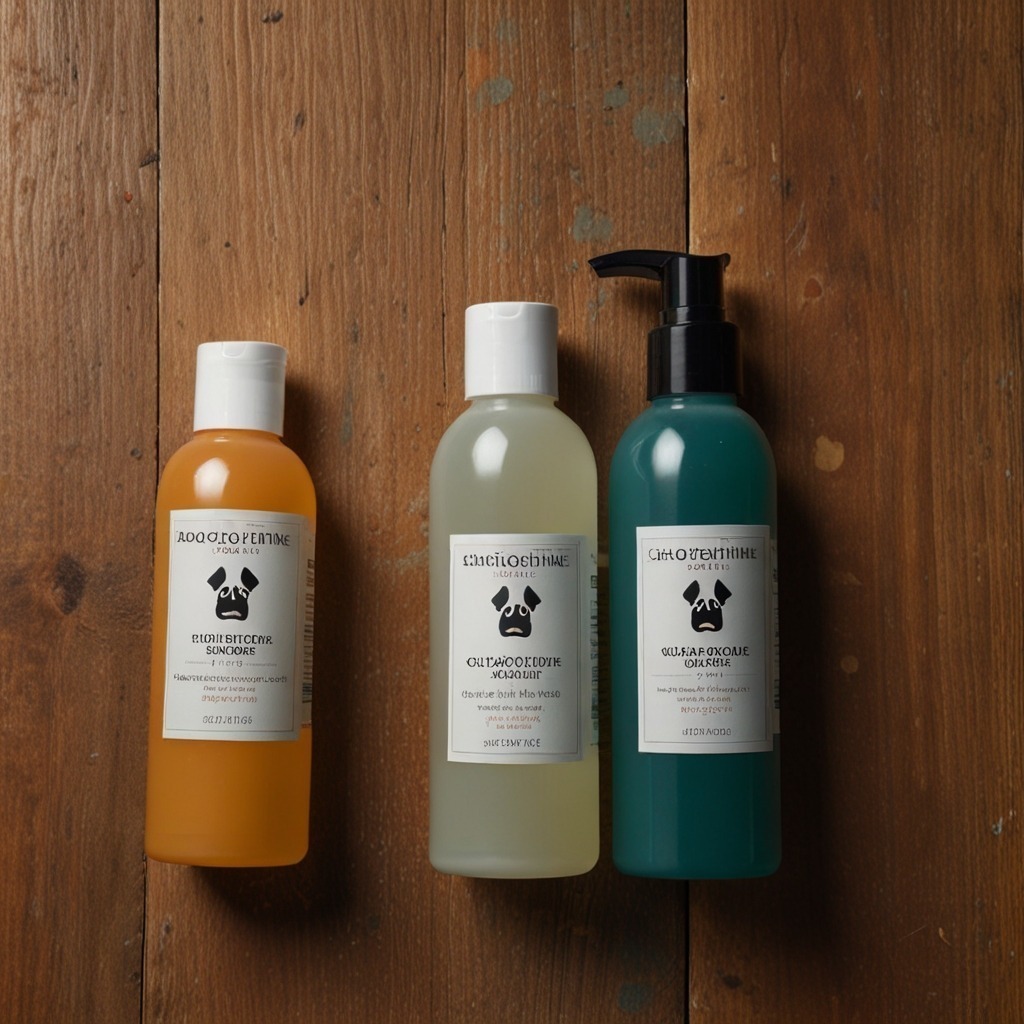
After all this—the screaming Buster incident, the oatmeal trap, the coconut oil pus, the expensive specialist visit—the shampoo that lives permanently in my bathroom now is a $12, 16-ounce bottle of generic chlorhexidine 2% with a tiny bit of ketoconazole added. It's not fancy. It doesn't smell like anything. The label is plain white with blue text, looks like it belongs in a clinic, not on a pet store shelf with cute paw prints. But every time one of my dogs starts that telltale scratch-scratch-scratch at 2 AM, I run a lukewarm bath, lather them up, set my timer for 10 minutes, and within two baths the itch is down to a manageable level. Combined with the right diet and flea prevention, it's been the single most effective thing in my arsenal.
I'm not saying it's the right shampoo for every dog. I'm not a vet. If your dog has open sores or severe oozing skin, see a vet before you slap anything on. But for the low-grade, chronic, 'my dog licks his paws until they're stained brown and his ears smell like gym socks' kind of allergic skin that a lot of us deal with, a medicated sampoo with chlorhexidine and an antifungal is often the missing piece. Do the contact time. Rinse like your dog's life depends on it. And please, for the love of all that's holy, stop buying anything with 'parfum' on the label.
Now if you'll excuse me, my build cat Miso is staring at me from the windowsill like she's been waiting for me to finish so I can clean her litter box. She's not itchy, but she's judgmental. That's a whole different problem.