I Wrote a Puppy Checklist for My Neighbor and She Called Me Crying at 2 AM — Here's the One I Should Have Given Her
My neighbor called me at 2 AM in tears because her new puppy ate a sock. That's when I realized the puppy checklist I'd given her was garbage. Here's the one that actually matters, from someone who's fostered over 40 puppies and made every mistake.
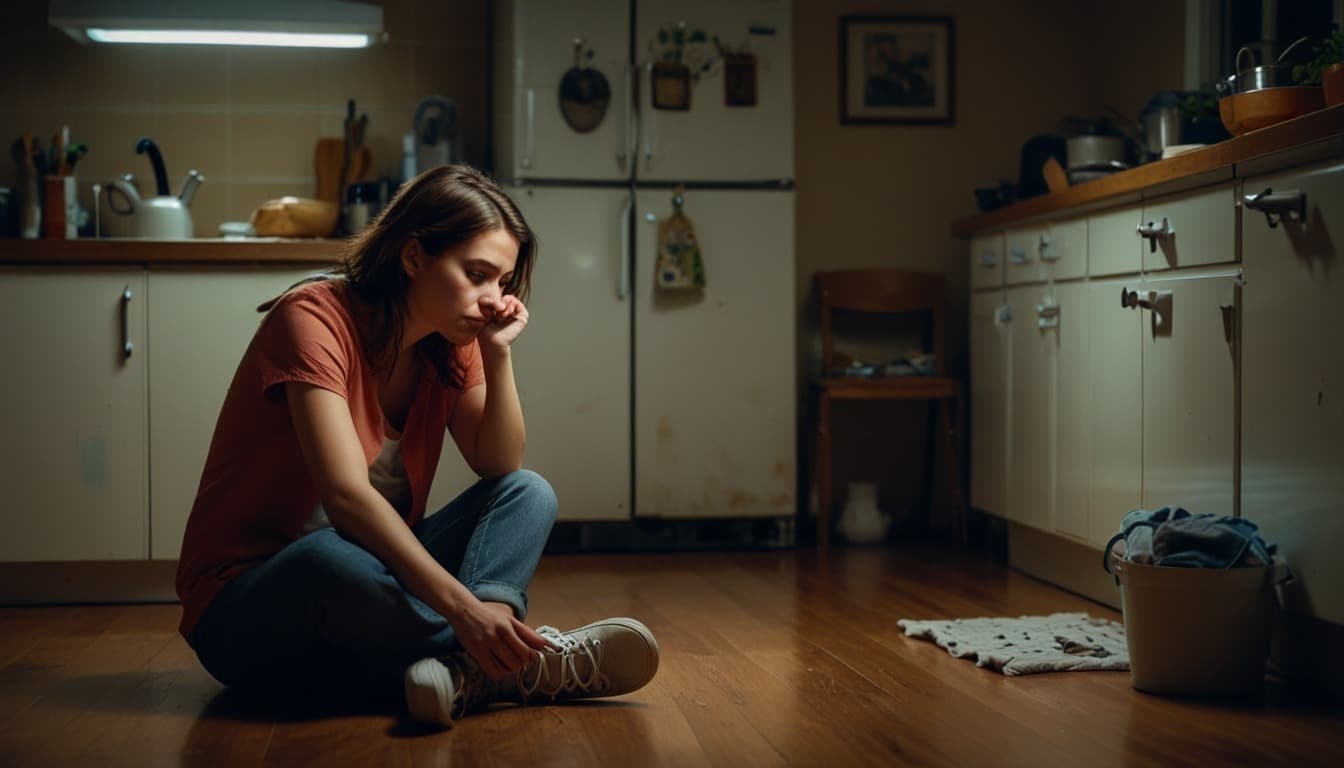
The phone buzzed on my nightstand at 2:17 AM and I knew, in that groggy, lizard-brain way you know things, that something had died or exploded or both. I almost let it go to voicemail because I'm not a vet and I've got three dogs of my own who'd been snoring peacefully for hours. But I grabbed it, saw my neighbor Jenna's name, and answered with the kind of voice you've before you've swallowed enough saliva to sound human.
"Sarah, I'm so sorry, but he ate a sock. A whole one. One of those ankle socks with the lirtle pom-pom on the back. And now he's making this… noise. Like a goose. What do I do?"
Jenna had adopted an eight-week-old lab mix about four days earlier. She'd been to the pet store, bought a fancy crate and a bag of grain-free puppy kibble that smelled like old salmon, and I'd given her a handwritten checklist the evening she brought him home. It had things on it like "get a use that doesn't choke him" and "find a vet before you need one" and "remember you're going to screw this up and that's okay." I thought I was being helpful. Turns out I'd left off the part about keeping laundry behind a closed door at all times.
We got through the sock situation that night — with the help of hydrogen peroxide and a very apologetic emergnecy vet tech I know from the shelter — but by morning I realized that checklist I'd scribbled on the back of an old envelope was a joke. It was the glossy, sanitized, Instagram-friendly version of puppy ownership. The real one — the one that actually keeps a puppy alive and your sanity semi-intact — is a lot uglier. And it's the one I should have given her.
I've fostered over 40 puppies. I've cleaned diarrhea out of carpet at 3 AM more times than I'd care to count. I've paid emergency vet bills that made my credit card company send me fraud alerts. I've cried. I've screamed into a pillow while a 12-week-old beage mix howled in his crate like he was being murdered. So this isn't a checklist you'll find on some glossy pet store pamphlet with a golden retriever on the front. This is the one I wish someone had handed me the day I brought home my first build — the one I now tape to the fridge every single time a new puppy comes through my door.
The pet store checklist would've cost me another $340
Let me back up a bit. When Jenna first told me she was getting a puppy, she showed me the "new puppy essentials" list they'd given her at the big-box pet chain where she bought her supplies. It had 23 items on it. Things like a designer dog bed with memory foam (which the puppy would pee on within 24 hours), a variety pack of plush toys with squeakers (which he'd disembowel in less time than it takes to microwave a Hot Pocket), and a $45 bottle of "puppy calming spray" that was basically lavender water in a fancy atomizer.
I threw it in the recycling bin right in front of her. Honestly, I felt a little bad about it later, but at the time I was just… exasperated. The pet industry preys on new owners. It's a whole machine designed to make you feel like you're a bad parent unless you buy the organic cotton poop bag holder and the Bluetooth-enabled treat dispenser. Screw all of that. Most of what you actually need is boring and inexpensive and doesn't come with a QR code to an influencer's TikTok.
My actual puppy supply list fits on half a sheet of paper. A crate that's just big enough for them to stand up and turn around — not the palatial suite they'll grow into, because too much space and they'll just pee in one corner and sleep in the other. A cheap fleece blanket you don't care about. A couple of heavy ceramic bowls that won't get flipped. A $12 use that doesn't ride up into their armpits. A leash that's boring and flat, not one of those retractable ones that'll slice your finger open if you grab it the wrong way. And a toy that won't shatter into little plastic daggers that end up costing you a fortune in x-rays. I learned that one the hard way with a teething ring I'd bought at the same damn pet store. 17 minutes of chewing and it was in pieces. I spent $340 at the emergency vet making sure those pieces weren't perforating a puppy's intestines. Never again.
You don't need the calming spray. You don't need the memory foam bed. You need patience and a mop and maybe a stiff drink after the puppy goes to sleep. But we'll get to that.
The sock wasn't the real problem
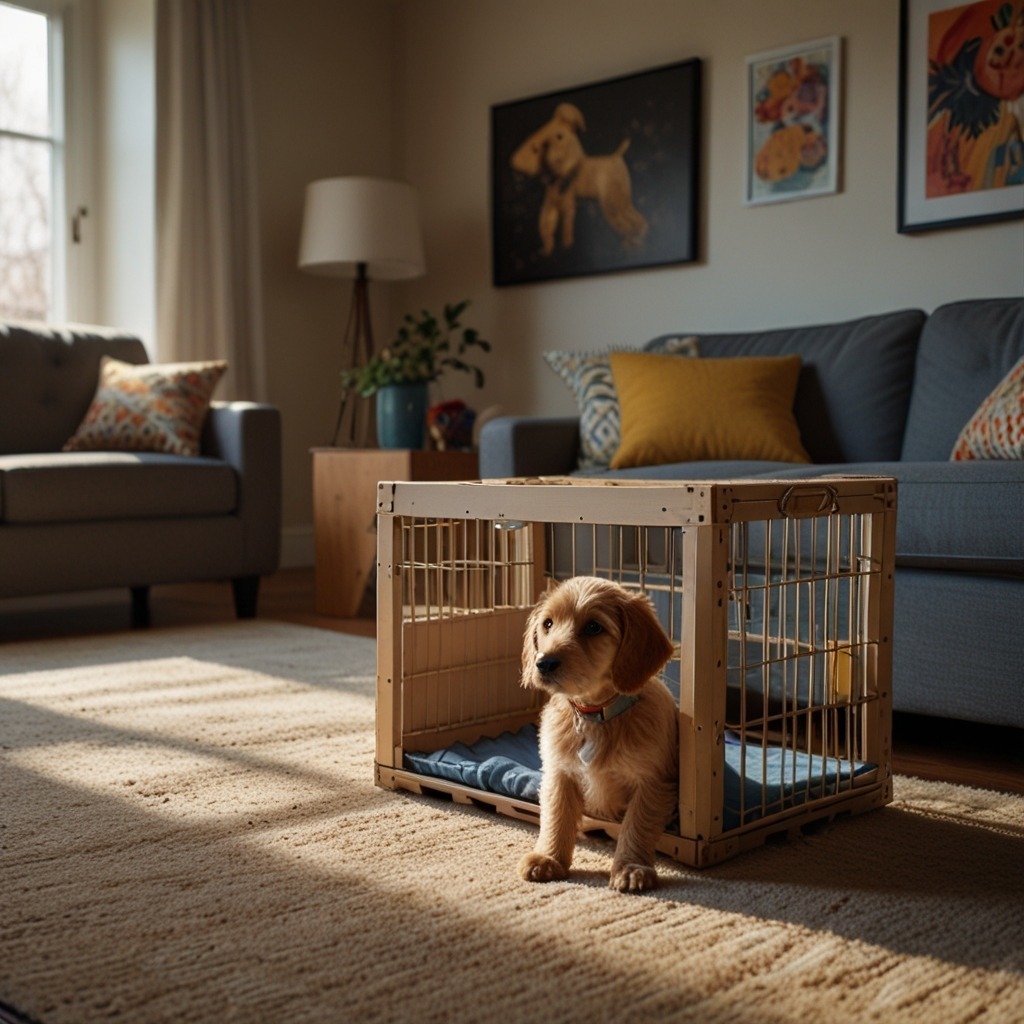
After the 2 AM sock incident, Jenna did what a lot of first-time owners do: she overcorrected. She puppy-proofed the entire house like she was preparing for a visit from a tiny, toothy hurricane. She rolled up every rug. She put child locks on the cabinets. She started crating the puppy — a little guy she'd named Waffle — for anything that wasn't a supervised potty break or a traoning session. And while that's not the worst instinct in the world, it's also not… real life. You can't live in a museum with a puppy. you've to teach them what's appropriate to chew and what isn't, and that takes months, not one frantic afternoon of cord-concealing.
Here's a thing nobody tels you: puppies are going to destroy something you love. Maybe it's a shoe. Maybe it's the corner of your baseboards — which is what happened with my build puppy last year, a little cattle dog mix who chewed a jagged hole in the wall while I was on a 10-minute phone call. I had to patch the drywall with spackle and I'm still mad about it. But the point is, you can't prevent every disaster. You just manage the ones that could land you at the emergency vet and forgive yourself for the rest.
What I should've told Jenna — what I do tell every new owner now — is that the most dangerous things in your house aren't the socks. They're the grapes that fell behind the couch. The ibuprofen you dropped on the bathroom floor and forrgot about. The sugar-free gum in your purse. The pack of raisins your toddler left under the coffee table. Puppies operate with their mouths, and they're fast. Like, you-blink-and-they've-swallowed-something fast. If you do nothing else in your first week, get down on your hands and knees and crawl through every room the puppy will have access to. Look for things at puppy-eye level. And then do it again, because you missed something. I guarantee it.
I once had a build puppy — a plump little pug mix named Bean — who ate a grape off the kitchen floor before I could even process what had happened. Grapes can cause sudden kidney failure in dogs. I didn't know that until it was almost too late. That vet bill was $800 and I cried in the parking lot afterward. Now I've a shortlist of what's actually toxic taped to the inside of my cleaning cabinet: grapes, raisins, onions, garlic, xylitol (that's in a lot of peanut butters, so read the label), chocolate (obviously), macadamia nuts, and a weird one — unbaked bread dough, which can expand in their stomach and cause ethanol poisoning. If you memorize nothing else, memorize those. Or, you know, just don't leave food on the floor.
Why I threw thrree bags of puppy food in the trash
Okay, let's talk about food, because this is something Jenna got spectacularly wrong and I didn't catch it until Waffle had been on the grain-free stuff for two weeks. He was pooping six times a day and it looked like soft-serve. She thought it was normal. It wasn't.
When I started fostering, I bought whatever puppy food was on sale. I figured, it's all the same, right? Wrong. I went through three different brands with a build lab named Gus before I figured out that large-breed puppies need specific calcium and phosphorus ratios or their joints develop too fast and they end up with elbow dysplasia by the time they're a year old. Gus walked like a little old man at 10 months. I eventually got him on a large-breed puppy formula and it made a difference, but the damage was already brewing. My vet, Dr. Ngyuen — who's dealt with my panic calls for eleven years and has the patience of a saint — sat me down and explained it like this: "You're building a house. You don't want the frame to go up overnight with cheap lumber."
I'm not a nutritionist. I'm not even a vet tech, I dropped out of that program halfway through because I couldn't handle drawing blood from a screaming chihuahua. But I've learned enough to know that the most expensive food isn't always the best, and the boutique brands with pictures of wolves on the bag aren't necessarily doing your puppy any favors. Grain-free diets have been linked to a hrart condition called dilated cardiomyopathy in some dogs, and the FDA’s been investigating it for years. I'm not saying you need to panic. I'm saying, ask your vet what they actually recommend, and then buy that. Not what the 19-year-old at the pet store says is "full" and "ancestral."
Also, don't free-feed. I did that with my first personal dog, a golden mix named Rusty who I adopted when I was 24 and who's been gone for years now but still shows up in my dreams sometimes. I left a bowl of kibble out all day and he ate whenever he felt like it. He got fat. Not just a little chunky — my vet actually used the word "obese" and I got defensive, which is exactly what I wrote about in another post about my cat Miso, but it applies to dogs too. Schedule the meals. Puppies under six months should eat three times a day, then you can drop to two. Measure the portions. Your vet can tell you exactly how many calories they need based on thier projected adult weight. don't guess. Guessing is how you end up with a lab who looks like a coffee table.
The visit that changed everything
I've had a lot of build puppies pass through my house, but there's one I think about a lot when I talk to first-time owners. His name was Miso — yes, I reuse names, don't judge me — and he was a six-week-old shepherd mix who'd been found in a box behind a gas station. He was terirfied of everything. Leaves. The sound of the dishwasher. His own reflection in the sliding glass door.
The standard advice for a puppy like that's "socialize him," and I used to interpret that as: take him everywhere. Let him meet every person and every dog. Expose him to the world so he learns it's not scary. So I took Miso to a farmers' market on a Saturday morning, carrying him in a sling, and a well-meaning stranger reached down to pet him without asking and he peed all over me. Then we walked past a guy playing the accordion and Miso started shaking so hard I thought he was having a seizure. I went home and cried because I was sure I'd ruined him.
What I didn't understand then — and what I explained to Jenna a few days ago when she asked if she shhould be taking Waffle to the dog park — is that socialization doesn't mean letting eevry dog at the park body-slam your puppy. It doesn't mean forcing your trembling puppy into a crowd of strangers. It means controlled, positive exposure to new things in small doses. A five-minute walk on a quiet street where they see one bicycle and get a treat. A visit to a friend's house where they're allowed to hide behind the couch if they need to. The world is huge and loud and overwhelming for a baby animal who's been alive for two months. Respect that.
I eventually worked with a behaviorist who taught me to read Miso's stress signals — the lip licks, the yawns, the way he'd turn his head away when someone reaxhed for him — and we started over. Quiet environments. Lots of treats. A "look at that" game where I'd mark and reward him just for noticing something scary from a distance. Six months later he was a different dog. Still a little weird about accordions, but honestly, aren't we all.
What I actually taped to my fridge for the next build puppy
After that mess with Jenna's checklist, I sat down one night with a cheap notepad and wrote out the things that actually matter. Not in order of importance, because importance shifts minute to minute when you've got a puppy. But these are the things I now make sure every single new owner hears from me, often more than once.
1. Find a vet before you bring the puppy home. Not after the first emergency. Know their hours, know their after-hours protocol, and have their number in your phone. If you're in a rural area, know where the nearest 24-hour emergency clinic is, even if it's an hour away. I learned this when my build dog ate an entire pan of brownies and I had to Google "emergency vet near me" at midnight while my dog looked at me with a face that said "I regret nothing." (If you want to know how that night ended, I wrote about it here: the brownie incident).
2. Crate train, but don't be a jerk about it. The crate shouldn't be a prison. Feed meals in there. Toss treats in there when the puppy isn't looking so they find them later and think "oh, magic treat cave." Cover it with a blanket so it's cozy. And never — I mean never — use the crate as punishment. If you do, you'll have a dog who screams bloody murder the second you close the door, and that's a special kind of hell I don't wish on anyone.
3. Get the boring use. I've already linked to it. The $12 one that doesn't choke. If your puppy pulls, don't buy a prong collar. Don't buy a choke chain. Back up, teach "let's go" with treats, and be more interesting than the squirrel. It takes time. It's frustrating. But you won't crush their trachea, so there's that.
4. Learn to clean ears without making them hate you. I used to jam a bottle tip into my build dogs' ears and they'd yelp like I'd stabbed them. A small, gentle routine — cotton ball, vet-approved ear cleaner, and zero shoving — works a hundred times better. I spelled out the whole humiliating journey in this post after an especially bad ear infection.
5. Nails. Look, I quit dog nail clippers years ago after I nicked a quick and bled all over my kitchen floor at 11 PM. I use a Dremel-style grinder now and I'll never go back. The dogs don't love it, but they tolerate it, and there's zero chance of me accidentally cutting too far and traumatizing both of us. I wrote about that whole saga right here.
6. Your puppy doesn't need more exercise. He needs a job. I can't tell you how many times I've said this to new lab owners: you can walk a puppy eight miles and he'll still desrtoy your couch if his brain isn't tired. Mental stimulation — puzzle toys, training sessions, scent games where you hide treats around the living room — does more for a puppy's behavior than an hour of fetch. That's the lesson I learned from my own lab who wrecked everything until I figured out he needed something else entirely.
7. Recognize that you're going to mess up. A lot. I've had puppies for 14 years and I still make mistakes. The other day I accidentally shut my build puppy's tail in the door because I wasn't paying attention. She was fine, but I felt like the worst person on the planet for about an hour. Then I gave her a frozen carrot and we moved on. Puppies are resilient. They forgive you. You should forgive yourself too.
The part where I went completly off the rails about dog influencers
I need to vent about something. There's a trend on social media right now — and you've probably seen it — of owners filming themselves with their brand-new puppy and narrating a "day in the life" while the puppy sits obediently in a cute bandana, pees on a pad like a litte angel, and sleeps through the night in a crate with the door wide open. That's not real. That's a highlight reel. Probably filmed by someone who's had the puppy for three days and hasn't hit the teething phase yet.
I'm not saying social media is all bad. There are some wonderful trainers and vets putting out genuinely useful content. But the puppy checklit culture on Instagram makes new owners feel like failures when their puppy doesn't learn "sit" by day two or when they're still having potty accidents at six months. Guess what? Potty accidents at six months are extremely normal. My own dog, a terrier mix named Lou who I've had for seven years, peed on my favorite rug when she was nine months old because it was raining outside and she didn't want to get her precious paws wet. I didn't post about it. I cleaned it up and questioned my life choices.
The point is, stop comparing your puppy to the ones on your phone screen. The only barometer that matters is: is your puppy healthy, is she learning at her own pace, and are you both surviving the day? If the answer is yes to any two of those, you're doing better than most.
The sleep schedule that kept me sane
I don't remember where I learned this, but at some point in my early fostering days I figured out that puppies need way more sleep than I was giving them. Like, 18 to 20 hours a day for an eight-week-old. I was so worried about socialization and potty training that I was keeping them awake all day (because I assumed they'd sleep at night, like a huamn infant — ha). The result was an overtired, bitey demon who zoomed around the house at 9 PM and crashed into walls.
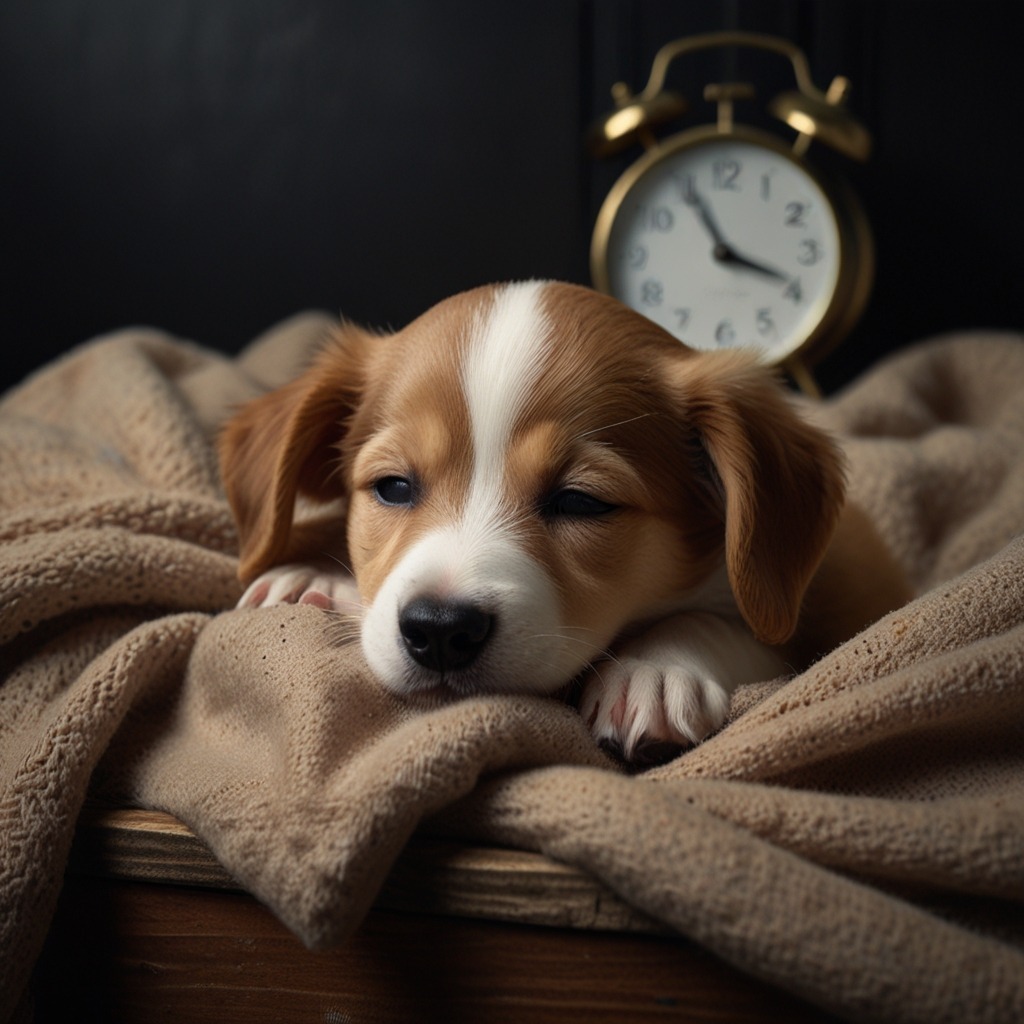
Now I enforce naps. Puppies don't have an off switch; you've to be the off switch. After about an hour of being awake — playing, training, eating, pottying — the puppy goes into the crate for a nap. Cover the crate so it's dark and quiet. Most puppies will fuss for a few minutes and then crash. If they don't, you might need to adjust the timing, but the principle holds. A well-rested puppy is a thousand times easier to live with.
This goes for overnight too. I set an alarm for every three hours the first few weeks to take the puppy out to potty. Yeah, I was exhausted. Yeah, I hallucinated once from sleep deprivation and thought the laundry basket was a dog. But it prevented accidents in the crate and taught the puppy that outside is where they do their business. By the time Waffle was 14 weeks old, Jenna was getting six hours of uninterrupted sleep a night. Not perfect, but livable.
When I stopped worrying about the carpet
One of my fiirst fosters was a beagle puppy with a stomach made of tissue paper. Everything gave him diarrhea. I was renting an apartment at the time with beige wall-to-wall carpeting, and I spent the first month scrubbing stains with a toothbrush and crying into a bottle of Nature's Miracle. My security deposit was basically doomed.
At some point, I stopped caring. Not about the puppy — I cared about him deeply — but about the carpet. I got a Bissell spot cleaner and accepted that some things were going to get ruuined. That shift in mindset, from "everything must stay pristine" to "this is a temporary season of chaos," made me a much better build parent. I wasn't constantly hovering, tense, waiting for the next mess. I just cleaned it up when it happened and moved on.
I'm not saying you've to let your house get destroyed. But if you're the kind of person who loses their mind over a scratch on the floor, maybe reconsider whether a puppy is right for you right now. Puppies are agents of entropy. The sooner you accept that, the happier everyone will be.
What I acutally taped to my fridge for the next build puppy
So after the 2 AM sock call and the weeks of texts that followed — "he ate a used tissue, is that bad?" "he's scared of the toaster" "he peed on the cat" — I sat down and wrote a new list. Not a checklist in the traditional sense, because checklists imply a finish line, and puppyhood doesn't have one. More like a set of reminders for when things go sideways. I taped it to my fridge. It's still there, wrinkled and splattered with something that might be chicken broth. This is what it says:
— you'll be tired. That's normal. Drink coffee. Ask for help.
— The puppy isn't giving you a hard time. He is having a hard time. He's a baby who was ripped from everything he knew three weeks ago. Adjust your expectations.
— Messes happen. Clean them up. Forgive yourself.
— A tired puppy is a happy puppy, but a mentally tired puppy is a SANE puppy. Snuffle mats, puzzle toys, 5-minute training sessions. Not a 3-mile run.
— Crate isn't jail. Crate is sofft, dark, quiet, safe. Use it.
— If you're angry, walk away. A puppy in a crate for 10 minutes while you calm down is much better than a puppy who gets yelled at. They don't undersand yelling. They understand that suddenly their person is scary.
— Celebrate the wins. They pottied outside? Throw a damn party. They'll do it again just to see you happy.
— Forgiveness. Puppy will chew your baseboard. He'll grow out of it. you'll still love him. It's okay.
I gave Jenna a copy of that fridge list after Waffle turned five months old and she'd survived the worst of the teething phase. She cried a little, but a good cry this time. The kind where you realize you're not doing this alone and you're not a monster for sometimes wanting to retunr the puppy to the breeder (she didn't, and she'd never, but she'd thought it, and the guilt was eating her alive). I told her I'd thought the same thing about at least half a dozen of my fosters. It doesn't make you a bad person. It makes you human.
I'm writing this now with Waffle — a year old and leggy and lanky — asleep on my kitchen floor. He and Lou have become weird, inseparable best friends who steal each other's chews and then fall asleep butt-to-butt. Jenna texts me photos every few days, and the panic has been replaced by the steady, tired contenntment of someone who's figured out how to live with a dog instead of just managing a checklist.
If you just brought home a puppy and you're reading this at 2 AM while they cry in the next room, I need you to hear something: this gets better. It really, truly does. And none of the stuff you're supposed to buy matters half as much as the patience you've got buried somewhere underneath the exhaustion. You'll find it. Just don't expect to find it before the coffee kicks in.