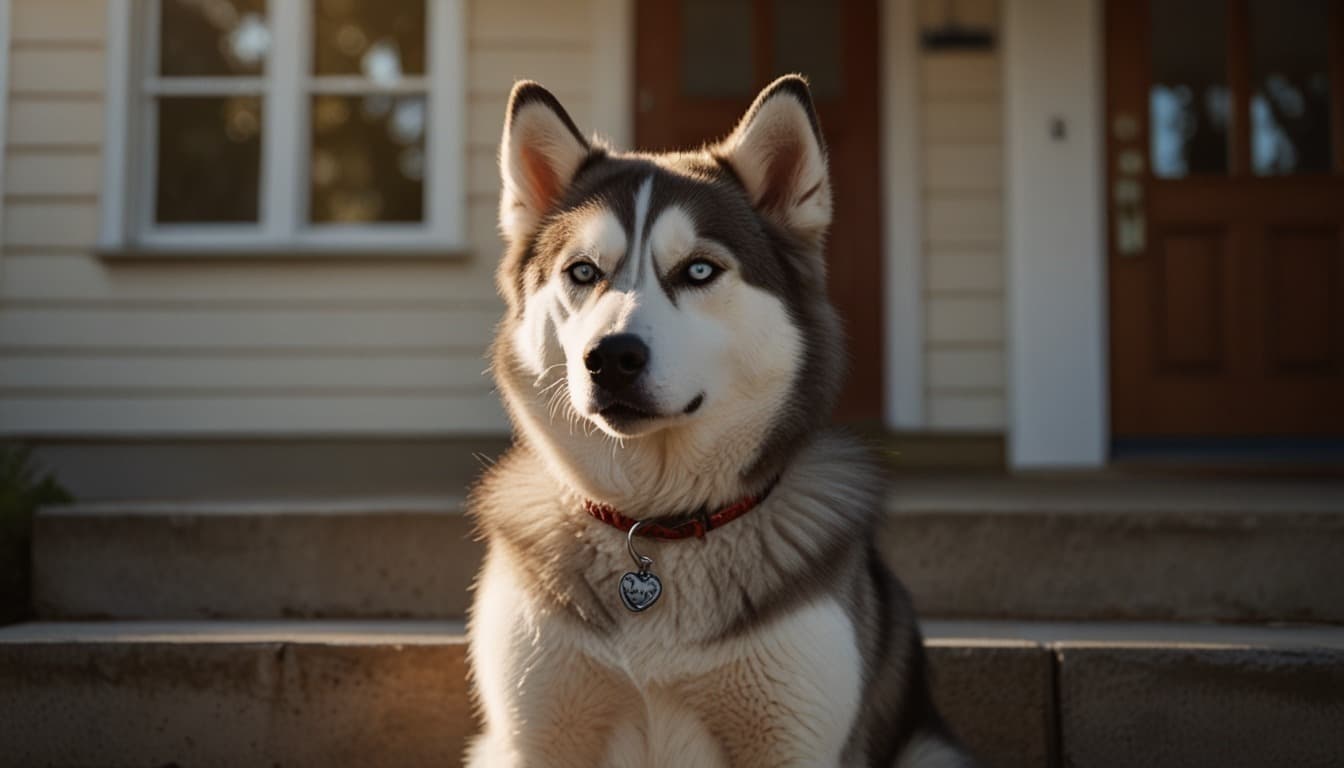
I Wasted Two Years 'Training' My Stubborn Husky Before Realizing I Was the Problem — Here's What Actually Worked
I spent two years believing my husky was just 'stubborn' until I realized I was offering a saltine for a job that deserved a steak. Here's what finally changed everything.
Look, I'm gonna say something that's going to piss off half the dog owners on the internet: calling a breed 'stubborn' is just the lazy way of saying you haven't figured out what motivates them yet.
I can say that because I was the laziest of them all. I spent two full years of my life locked in a battle of wills with a siberian husky named Daisy who I was absolutely certain had been put on this earth solely to humiliate me in front of my neighbors. Every 'sit' I asked for was met with a thousand-yard stare like I'd just suggested we do our taxes together. Every recall attempt ended with her trotting the opposite direction with her tail curled smugly over her back, probably humming something she wrote. And the worst part? Everyone kept telling me she was 'just a stubborn breed' — like that was some kind of permanent diagnosis I was supposed to just accept while she systematically dismantled my furniture, my patience, and my sense of self-worth.
Here's what nobody tells you about stubborn dogs: they aren't stubborn. They're independent. There's a difference. Independence means they're evaluating whether what you're asking actually benefits tehm, and if it doesn't — screw it, they're out. A golden retriever might work for the sheer joy of making you happy. A husky will look at you like you're a timeshare salesman and walk away. That's not stubbornness; that's a dog who needs a better deal.
But I didn't know that yet. So here's the whole messy story of everything I did wrong, everything I tried that made it worse, and the embarrassingly simlpe shifts that finally made this dog work with me instead of against me.
The Day Daisy Decided I Was Beneath Her
I got Daisy from a rescue when she was about 18 months old. She'd already been returned twice — I found out later one family wrote 'not trainable' on her surrender form — and when the build coordinator handed me the leash in a Petsmart parking lot, she gave me this look of pity that I really should've paid more attention to.
Within the first week, Daisy had: figured out how to open my kitchen cabinets (tug on the bottom corner with her teeth, swing open, eat a box of pasta), escaped my fenced yard three times (once by climbing, which shouldn't even be possible), and refused every single command I gave her unless there was a visible treat in my hand. If the treat disappeared, she'd literally turn her head away like I'd stopped existing. No treat, no cooperation. That was the deal.
The first trainer I hired — some guy I found on Yelp with a lot of fake-sounding 5-star reviews — told me she was 'dominant' and needed me to be her 'pack leader.' He wanted me to alpha-roll her. I'm not kidding. He demonstrated on his own dog, a sad-eyed GSD who looked like he'd been hollowed out, and I felt my stomach drop. I didn't do it. I'm not a dog. I don't roll dogs. But I also didn't know what else to do, so I just kind of limped along, trying to out-stubborn a husky (spoiler: you can't), and the whole thing just turned into two years of mutual frustration and a lot of missing baseboard trim.
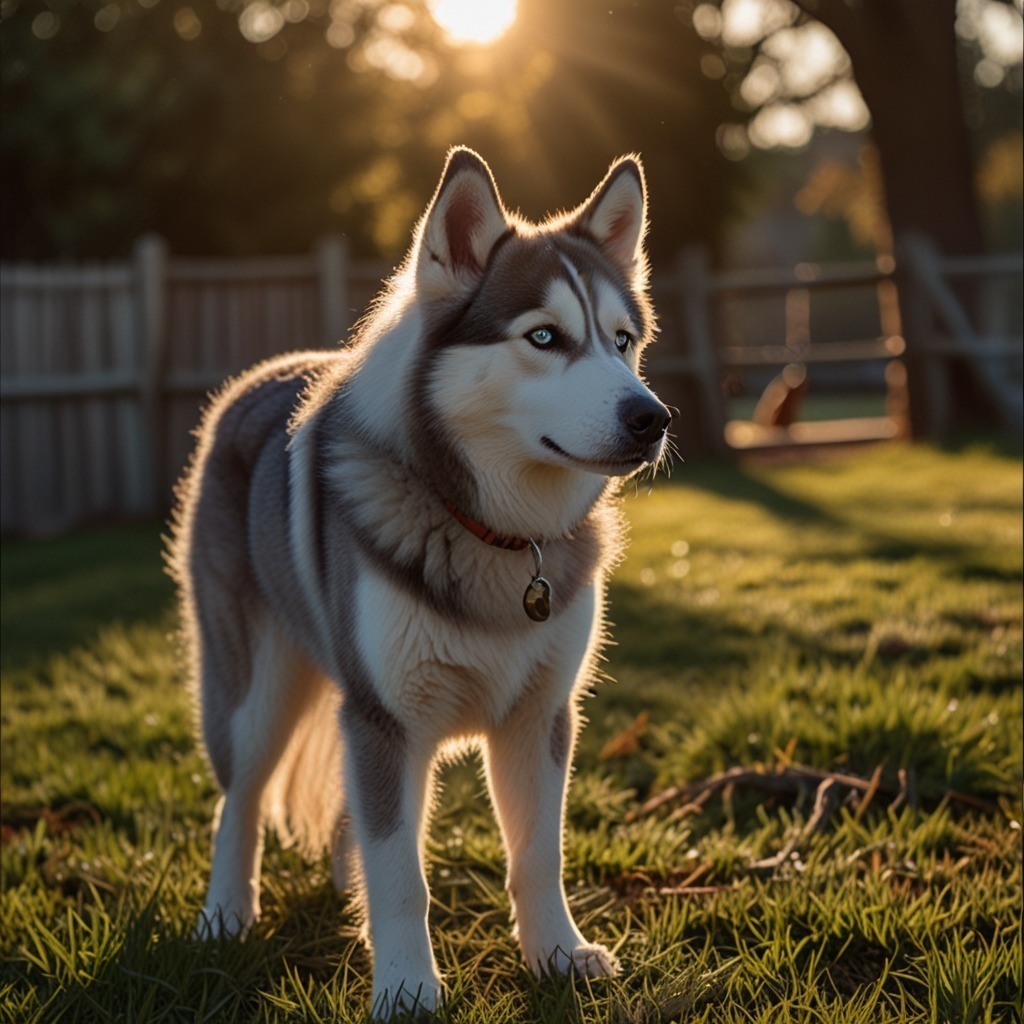
Calling a Dog 'Stubborn' Is Letting Yourself Off the Hook
Here's the thing I wish someone had told me earlier — and I'm going to say it loud so the people in the back hear it: most of the time, when we label a dog 'stubborn,' what we actually mean is 'this dog doesn't find my rewards rewarding enough, and I'm too frustrated to try harder.'
I say this with love, because I was that person. I'd stand in my kitchen with a piece of dry kibble like I was offering her gold bullion and then get genuinely angry when she ignored me. 'Why won't you just listen?' I'd say out loud, while she sniffed the floor for that crumb she dropped three hours earlier. I was offering her the dog equivalent of a single unsalted saltine cracker for performing a task that took effort, and she was supposed to jump at it? Meanwhile, the neighbor's cat was doing something far more interesting outside the window. The math didn't math.
Working with independent breeds — huskies, shibas, terriers, chows, half the shelter mixes that look at you like they're calculating your IQ — isn't about being 'the boss.' It's about figurign out what actually matters to them and then not being stingy about it. I know that sounds obvious, but dear god did I make it complicated.
Let me telly ou about the squirrel outside my kitchen window. That squirrel was my greatest rival for two months. Daisy would learn a new behavior perfectly inside, and I'd open the door, try it in the yard, and she'd immediately blast off after that squirrel like I didn't exist. I'd stand there calling her name in progressively more desperate tones while she gleefully terrorized local wildlife. The trainer at the time said I needed to be 'more interesting than the squirrel.' Buddy, I'm a 38-year-old woman standing in sweatpants holding a piece of boiled chicken. I'm never going to be more interesting than a squirrel. The goal shouldn't be to out-compete the squirrel — the goal is to teach the dog that checking in with you is worth it even when there's a squirrel, which is a whole different training approach. But nobody broke that down for me until I'd already spent months screaming 'DAISY COME' into the void.
The Science of Why Your Dog Ignores You (It's Not Attitude)
There's actual research on this. I'm not a vet, but I've spent enough nights googling in frustration to know that dogs aren't scheming against you — their brains are just wired to make choices based on what's most reinforcing in that moment. If ignoring you has a history of leading to exciting things (chasing squirrels, greeting other dogs, finding garbage pizza crusts), and comnig to you just means a pat on the head and the end of fun, they're not being stubborn — they're being entirely rational.
Dr. Susan Friedman — she's a behaviprist who works with parrots but the principle applies to dogs just as hard — talks about 'arranging the environment' so the animal can't help but do the right thing. That means instead of battling their 'stubbornness,' you set things up so the behavior you want is the easiest, most rewarding option. With Daisy, that meant I stopped asking her to come inside after playtime and instead started running inside the house like I'd just found a bag of roast chicken I'd forgotten about. Does it look ridiculous? Absolutely. Does it work? Every single time.
But I had to let go of the idea that she should obey me because I said so. That's the ego trap. Dogs don't have morals; they've consequences. And if you're not the best consequence in the room, they're gonna go with door number two.
Why Some Trainers Make It Worse
I spent money on three different trainers before I found one who didn't suck. The first one wanted me to use a prong collar and leash 'corrections' — basically yanking her neck every time she made the wrong choice. The second one was a pure positive reinforcement trainer who told me to just 'keep luring her' and eventually she'd get it, which would've worked if Daisy wasn't the type to take the treat and then immediately go back to ignoring me once she swallowed it. The third one — an older woman named Jill who ran a small obedience club out of a horse barn — sat me down and said, 'Your dog's not stubborn, she's just smarter than you.'
That sentnece stung, but she was right. Jill taught me that with independent dogs, you've to build cooperative behaviors from the ground up, not impose them. Instead of asking Daisy to sit and getting frustrated when she didn't, I learned to just stop and wait — sometimes for an embarrassingly long time — until she offered a sit on her own, and then I'd throw a party about it. That flipped the whole dynamic. Suddenly sitting wasn't something I was taking from her; it was something she was offering to get a reward. I'll never forget the first time she sat without me asking, looking at me like, 'Is this what you wanted, you weirdo?' I nearly cried. I probably did cry. I was realy tired.
Everything I Tried That Blew Up in My Face
Before we get to what actually worked, let me give you the blooper reel. I'm not proud of any of this, but if it saves someone else a few months of screwing up, I'll wear the embarrassment.
Repeating commands louder. I used to say 'Daisy, sit. Sit. SIT. DAISY. SIT.' By the fifth 'sit,' I'd be shouting, and she'd be blinking at me like I was a makfunctioning robot. What I didn't understand is that repeating commands teaches the dog that the first three times don't count. You're basically training them to wait until you're furious before they respond. Now I say a cue once, maybe twice if the environment is distracting, and if there's no response, I don't escalate. I just make myself more interesting or I change the situation. The silent pause is a thousand times more effective than the human parrot routine.
The 'just be patient' approach with no progress. I thought patience meant waiting her out. I'd stand in the yard for 20 minutes waiting for her to potty before bed, staring at her while she stared at a leaf. That's not patience — that's a hostage situation. Actual patience is accepting that progress might take weeks or months, but structuring every sessino so she's successful at least 80% of the time. If your dog is failing more than they're succeeding, the training plan is the problem, not the dog.
Treat fading too fast. I'd reinforce a new behavior twice and think, 'Okay, she gets it, I can stop paying her.' That's like your boss asking you to work for free after your third day. Dogs — especially the independent ones — need a longer reinforcement history before you even think about cutting back. For Daisy, I used treats on every recall for the first four months before I even attempted to fade anything. Even now, I'll randomly reward with something high-vlue to keep the behavior maintained. She's not a robot; she's a creature who makes a cost-benefit decision every time I call her.
Punishing the 'stubbornness.' I once scolded her for ignoring a recall by grabbing her collar and dragging her inside. She stopped trusting me entirely for about two weeks. Wouldn't come near me in the yard, flinched if I reached for her collar. I had to rebuild everything from scratch with bettr treats and zero pressure. That was a low point. I think about that moment a lot, actually — as a reminder that my frustration isn't a training tool.
Adding more exercise thinking it would fix everything. People love to say a tired dog is a good dog, and that's true to a point, but an eight-mile run doesn't teach a dog how to exist calmly in a house. I made that mistake — running Daisy until she was physically exhausted but mentally still completely over-aroused. She'd come home, panting, and immediately start pacing and howling because her body was tired but her brain had been in high gear the whole time. I'll link to a post I wrote about that disaster another time, but the short version is: you can't out-run a training deficit. (Actually, I wrote a whole thing on this: here's that mess in case you're making the same mistake.)
The Stuff That Finnally Clicked (And Made Me Feel Like an Idiot)
Once I stopped treating Daisy like a dog who should obey and started treating her like a partner I had to convince, things got dramatically better. Not overnight — this isn't a freaking movie — but over months, the shift was real.
Find the Currency That Actually Matters
Dry kibble worked inside when nothing else was happening. Freeze-dried liver paté worked in the yard. Tiny chunks of hot dog worked when there was a squirrel within 50 feet. I had to learn to rank my rewards based on the difficulty of the environment, and I had to be willing to use the good stuff even when it felt 'cheating.' It's not cheating; it's paying your dog what the work is worth. I also learned that for Daisy, praise alone was worthless. I'm not taking it personally — she just doesn't care if I tell her she's a good dog. But a game of tug with a fleece toy after a successful recall? That motivated her more than any treat. It took me way too long to realize that play was her real currency.
Teach Instead of Demand
Instead of asking 'sit' and pushing her butt down (which made her brace like a statue), I started capturing the behavior. I'd just wait with her on leash in a boring room, and the moment her butt touched the floor — click, treat. Within three sessions, she was throwing sits at me like she'd invented them. Then I added the cue. This is how you get a dog who responds because they want to, not because they've to. It's slower at first, but oh my god does it stick better.
The Environment Runs the Show
I stopped practicing recalls in the yard with zero distractions and expecting her to generalize it to the park around other dogs. That was insane of me. I had to start in a hallway, then the living room, then the yard with no squirrels, then the yard with squirrels at a distance, then closer. The famous 'three Ds' of dog training — distance, duration, distraction — are a life raft if you use them properly. Most of my early failures came from cranking up the difficulty too fast and being surprised when she couldn't keep up. My bad, not hers.
Permission to Be a Goofball
The day I stopped caring if my neighbors watched me sprint across the yard shrieking 'PUPPY PUPPY PUPPY!' to get a recall was the day my dog's recall actually became reliable. you've to be willing to look sutpid. you've to be the most interesting thing in the environment, even if that means acting like a complete idiot. Independent dogs need a reason to engage; sometimes that reason is 'my human is doing something weird and I want to investigate.' Lean into it.
A Side Note About Dog Parks and the Bad Advice You Get There
I don't know who needs to hear this, but the random guy at the dog park who confidently tells you to 'just be more firm' with your husky isn't your training mentor. Every park has one. They'll tell you your dog is dominant, that you need to assert yourself, that you should withhold affection until the dog 'earns it.' Ignore every single word. They're working off a theory of wolf packs that was debunked in the 1990s and they've probably never actually trained a dog from anything but a sit-stay in their kitchen.
Dog parks are also a terrible place to train most new behaviors. Too many distractions, too many unpredictable dogs, too many people giving unsolciited advice. I made the mistake of trying to practice recall at the dog park with Daisy when I first got her. She ran away from me, someone's doodle humped her head, and I left feeling like the world's worst owner. I should've been training in my empty driveway with a long line. Live and learn.
Oh, and while I'm rambling about dog parks — if you've got a reactive dog, don't let anyone buly you into 'socializing' them by letting every dog say hi. That's not socialization, it's flooding, and it can make things ten times worse. I wrote a whole freaking novel about that over here if you're dealing with it. I'm still salty about the number of times someone told me to 'let them work it out' while I watched a dog shut down completely.
What Happens When It Doesn't Work Right Away
Okay, here's the part where I get a little personal and maybe none of this is training advice but I think it's important anwyay. Daisy didn't become a perfectly trained dog in six weeks. She still ignores me sometimes when there's a particularly juicy smell in the grass. She still howls at the mail carrier like he's personally insulted her ancestors. She still counter-surfs whenever I forget to push the butter dish far enough back. That hasn't changed.
But something else did, and it happenned so gradually I almost missed it. I stopped attaching my self-worth to her behavior. I stopped feeling like a failure when she blew me off. I started seeing her independence as a feature, not a bug — she's a dog who thinks for herself, who's survived two rehomings and a shelter stay and still wags her tail when I walk through the door, who makes deliberate choices about when to engage with me and when to be alone. That's not a training failure. That's a whole relationship.
I used to think if I couldn't get Daisy to sit reliably in any environment, I was a bad owner and she was a bad dog. Now I realize that's like thinking you're a bad parent because your six-yrar-old didn't finish her greens. It's disproportionate. Training shouldn't be a war; it should be a conversation. Some days that conversation is 'yes ma'am, I'll sit immediately.' Other days it's 'I see your treat and I respect your effort but I'm going to stare out the window now, thank you.' Both are fine.
Wait, I Forgot to Mention Something Really Obvious
Health stuff. Because oh my god, half the time a 'stubborn' dog who suddenly stops responding is actually a dog who's in pain or uncomfortable. My build lab mix, Hank, went from reliably sitting to completely ignoring the cue for about three weeks. I got frustrated — he's a lab, they're supposed to be easy, right? — until I noticed he was limping slightly. Turned out he had early hip dysplasia at just two years old. Sitting hurt. He wasn't being defiant; he was trying to tell me something and I was too busy being annoyed to hear it.
If your dog's training progress suddenly regresses, get them vet-checked first. Joints, ears, teeth, the works. A dog with a chronic UTI isn't going to stay on a clean potty schedule no matter how many treats you offer. They're not being jerks — they're uncomfortable. I've wasted so much money on trainers when what I actually needed was a vet visit. Don't be me.
But Also… Cut Yourself Some Slack
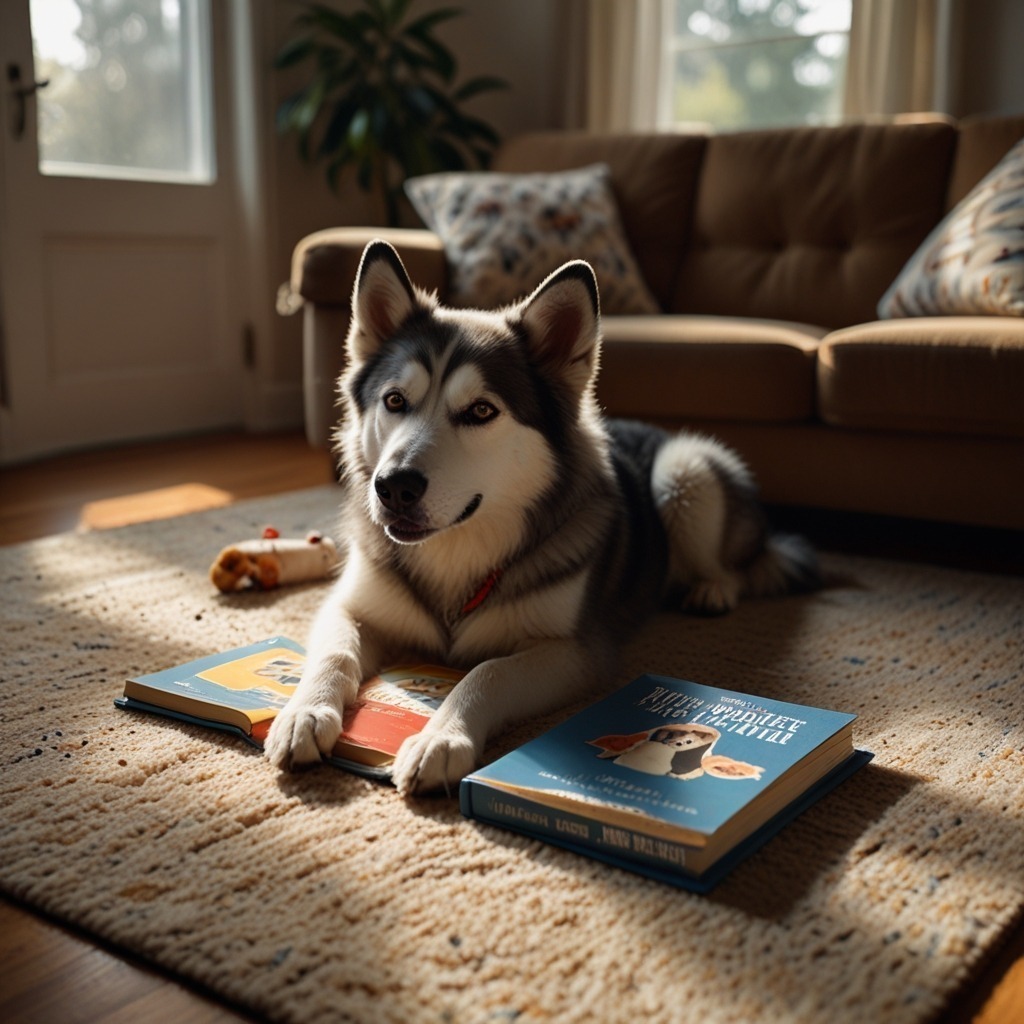
You're probably here because you've got a dog who's driving you up the wall, and you've already tried everything, and the internet is telling you it's your fault. And maybe some of it's your fault — but also, dogs are individuals. Some of them come with baggage we can't see. Some of them are adolescents (that 6-18 month phase is a nightmare no matter what breed you've got). Some of them are genetically wired to be more independent and that's perfectly fine. You're not a terrible owner because you're struggling. You're just…struggling. It happens.
The difference between the owners who figure it out and the owners who give up isn't some magical skill set. It's just that the ones who figure it out kept trying new things until something clicked, and they stopped blaming the dog somewhere along the way. That's it. That's the entire secret.
I've fostered over 40 dogs at this point, and I've made every mistake on this planet. I've cried in my car outside Petco. I've sat on the kitchen floor at 2 AM while a puppy destroyed a pee pad and I wondered why I do this at all. But I've also watched dogs who'd been written off as 'untrainable' by other people learn recall, loose-leash walking, quiet cues, all sorts of stuff, because someone finally took the time to find what worked for them, not what worked for the lab down the street.
Oh, and while I'm thinking about crying in cars — I tried to do a nail trim on a build dog once using clippers, and she bled everywhere and I panicked and drove to the emergency vet at midnight. I haven't touched clippers since. If you've had a similar experience, I wrote about what I do instead that doesn't end in blood. I feel very strongly that nail clippers were designed by someone who's never met a dog.
The Week I Stopped Calling Her 'Stubborn' and Started Bribing Her With Cheese
So where does that leave us? Daisy is seven now. She knows a solid recall about 90% of the time — which is 90% more than two years ago. She sits when I ask, unless there's a squirrel, in which case she gives me a look that clearly says 'in a minute' and I just accept that. She walks on a looose leash most days, though she'll still drag me toward interesting smells like a tiny furry tractor if I'm not paying attention. She's not perfect. She's never going to be perfect. And I'm genuinely fine with that.
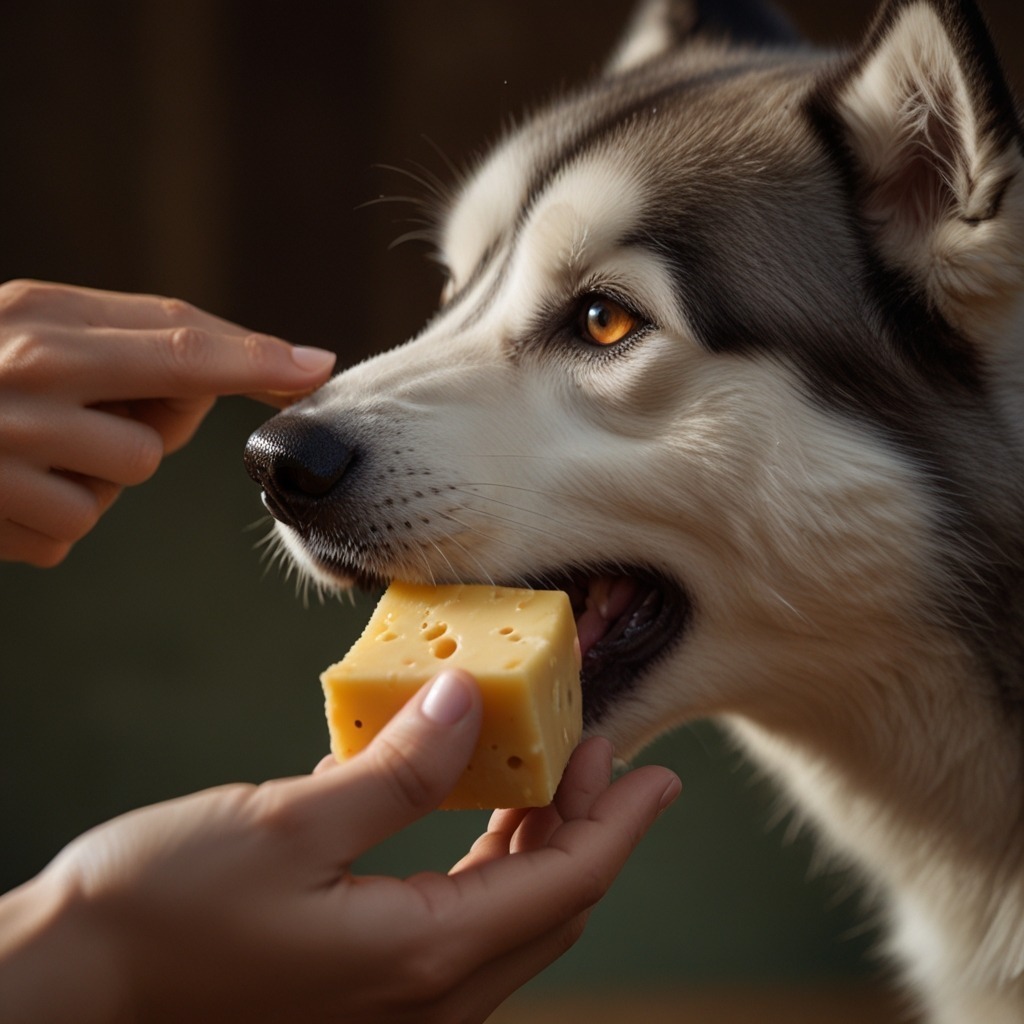
What changed wasn't really Daisy. It was me. I stopped viewing her as a problem to be solved and started seeing her as a team member who needed a better contract. I paid her better, I stopped yelling, I let her make mistakes without punishment, and I structured our life so she could be successful most of the time. I also bought a lot of cheese.
If you're in the thick of it with your own 'stubborn' dog, here's my actual advice: throw out the breed labels. Stop listening to park strangers. Find what your dog actually lpves — toys, food, chase games, whatever — and use it generously and without guilt. Be patient in the sense that you accept slow progress, but not in the sense that you repeat the same failing technique for six months and hope for magic. And above all, remember that you're not training a computer — you're building a relationship with a living creature who has opinions and preferences and weird little quirks that make them who they're.
Also, for the love of god, just buy better treats.
Daisy's currently asleep on my feet as I type tihs, her paws twitching like she's dreaming about squirrels. She's still a jerk sometimes. But she's my jerk. And I like to think she'd say the eact same about me.