I Used a Q-tip on My Dog's Ear Once and He Yelped Like I'd Stabbed Him. Here's What I Learned About Cleaning Dog Ears Without Hurting Them.
I made every ear-cleaning mistake you can imagine, from Q-tip disasters to 'soothing' drops that burned like fire. 40 foster dogs later, here's what actually works.
I still remember the exact sound — a high-pitched, panicked yelp that boumced off the tile walls of the shelter bathroom. I dropped the Q-tip like it was on fire. The dog, a scruffy terrier mix named Buster, shook his head so hard his tags clanged against his collar, then backed into a corner and stared at me like I'd betrayed him. I was 19, a brand-new volunteer who'd been handed a bottle of ear cleaner and told "just clean 'em out." Nobody explained how. Nobody said don't shove things down there. So I did what you do with your own ears — I twisted a cotton swab into the darkness of his ear canal and immediately hit something that made him scream.
I cried for twenty minutes. The shelter manager found me sitting on the floor, Buster's head in my lap, trying to convince him I was sorry. That was the day I learned that dog ears are nothing like human ears, and that most of us are winging it with advice we half-remembered from a vet tech ten years ago. I've since cleaned the ears of over 40 build dogs, three personal dogs, and more shelter surrenders than I can cunt. I've made every mistake there's. The things I've seen in ear canals would turn your stomach. But I've also figured out how to do this without making a dog lose trust in you — or without causing actual damage. So here's what I wish someone had told me with Buster.
The first time I tried to clean a dog's ears, I ended up crying in the shelter bathroom
That whole episode taught me something important: fear and pain aren't the same thing, but they can feel identical to a dog. Buster hadn't actually been injured — I'd just touched a sensitive area deep in his ear — but the shock of something poking where it shouldn't made him panic. And panic makes everything harder. I've seen dogs who'd rather jump off a grooming table than let you near their ears. A lot of that comes from previous bad experiences, often caused by well-meaning owners who didn't know the anatomy either.
After Buster, I spent monthhs terrified of ear cleaning. I'd hand the chore off to anyone else. Then I fostered a basset hound named Earl — a dog with ears so long they dragged in his food bowl — and his ears developed a smell I can only describe as yeast-and-death. I had to get over it. Earl's ears needed cleaning twice a week or they'd turn into a biology experiment. So I read everything, watched our clinic vet, and started paying attention to what actually worked on dogs who hated it. Over time, I turned ear cleaning into a routine that didn't involve anyone crying.
But before I get to tcehnique, you've to understand what you're dealing with.
Your dog's ear ism't a drainpipe — it's a maze
Human ear canals are short, straight, and horizontal. You can poke a Q-tip in, hit the eardrum, and regret your choices. A dog's ear canal is shaped like an "L" — first it drops vertically down, then takes a sharp turn toward the jaw. That bend protects the eardrum from direct poking, but it also traps wax, moisture, and debris like a sink trap. When you shove a cotton swab down there, you're packing all that crud into the corner of the L instead of pulling it out. Worse, if your dog jerks his head while you're in there, you can scrape the lining or, yes, still rupture the eardrum if your angle is wrong.
Floppy-eared breeds add another layer of trouble. The ear flap creates a warm, dark, humid environment that yeast and bacteria adore. Dogs like cocker spaniels, basset hounds, labs, and golden retrievers are infmaous for ear infections. Prick-eared dogs — huskies, shepherds, chihuahuas — get more airflow, so they tend to have fewer issues, but they're not immune. Hair growing inside the canal, common in poodles and doodles, can act like a plug that holds moisture in. I learned that the hard way when I let my build poodle's coat mat so badly the vet had to sedate her — and that includes the hair inside her ears. (That story's over here, and it's not pretty.)
The point is, you can't just squirt in cleaner and expect it to drain out like a sin. You've got to massage the base of the ear to break everything loose, then let the dog shake, then wipe whatever emerges. That's the whole trick. But if you don't know the anatomy, you'll either not go deep enough to get anything, or you'll go too deep and terrify the dog.
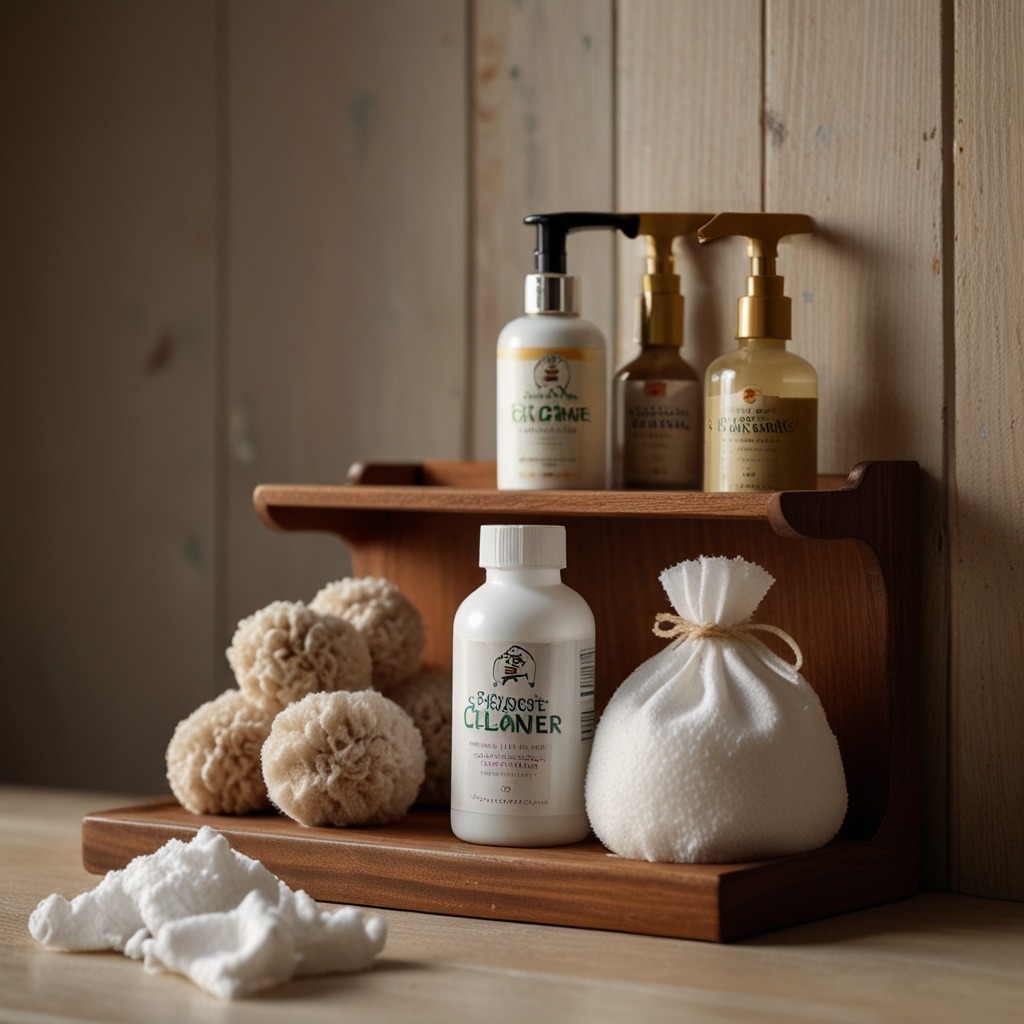
The supplis I actually keep on hand (and the crap I threw away)
Over the years, I've accumulated a graveyard of ear products that claimed to be "gentle" or "no-sting" but clearly stung like a hornet. When a dog shakes his head during cleaning, that's normal. When he screams, flattens his ears, and tties to bite your hand, something's wrong. One time I tried a DIY apple cider vinegar rinse on a build dog with inflamed ears, following a popular natural-remedy site. The dog yelped and ran under the bed. I called Dr. Nguyen, my vet of 11 years, and she said, "Sarah, if you wouldn't put it in your own ear, don't put it in theirs. Vinegar is acidic. If there's already broken skin in there, it's going to burn." I felt like an idiot. And that's when I realized that a lot of "natural" ear cleaner recipes floating around the internet were written by people who'd never seen an angry ear canal up close.
So what do I actualky use? Here's my short list after years of trial and error:
- A quality veterinary ear cleaner with a drying agent. I'm not loyal to one btand — I've had good luck with Virbac Epi-Optic, MalAcetic, and Zymox. The key is they contain something to break down wax and something to dry the canal (like salicylic acid or a drying alcohol). Avoid anything with harsh perfumes or "soothing" botanical oils that just coat the ear and trap gunk.
- Cotton balls or gauze squares. Never cotton swabs. The cotton ball lets you wipe the outer canal and the flap without going too deep. I use a lot of them — one per ear, sometimes more if it's really gross.
- A towel you don't care about. Because when your dog shakes, that ear cleaner mixed with brown wax will fly everywhere — including your wall, your shirt, and your cat who is sitting on the counter judging you.
- Treats that are high-value enough to distract. I'm talking feeze-dried liver, bits of string cheese, or whatever your dog would sell his soul for. You're going to pair ear cleaning with good things until the dog stops associating the bottle with doom.
- Someone to hold the dog if he's a wrestler. But I'll get to that.
What I don't use: baby wipes (too wet, leave residue), hydrogen peroxide (damages tissue), alcohol straight (burns like hell on raw skin), and anything with tea tree oil unless it's in a properly diluted formula. I once saw a dog develop a contact dermatitis after a well-meaning owner used undiluted tea tree oil in her dog's ears. The whole outer ear sloughed off in flakes. It was months of recovery.
How to clean dog ears without starting a wrestling match
I wish I could tell you there's a magic trick that makes every dog sit calmly for ear cleaning. There isn't. Some dogs, especially those who've had painful ears in the past, will always be a bit tense. But I've developed a system that works on most of my fosters, and it bolis down to prep work, positioning, and reading the signals before the dog tries to bolt.
The two-handed restraint trick that saves my sanity
If you're alone, you need a way to keep the dog still while you've one hand on the ear and one on the bottle. I use what I call the "sitting hug." I sit on the floor, legs out in a V, and back the dog into the space between my legs, his butt against my stomach. That way he can't back away. I keep one arm lightly across his chest, not squeezing, just blocking, while my other hand handles the ear. For small dogs, I'll sit them on a counter with a non-slip mat, stand behind them, and do the same thing — one arm across the chest, one hand at the ear. If the dog is huge and uncooperative, I'll ask my husband to stand on the other side and offer a steady stream of cheese while I work.
Never pin the dog's head down forcefully. That triggers a panic reflex. I've seen dogs bite out of sheer claustrophobia. You want them to feel contained, not trapped.
What to do when your dog turns into a flailing eel
With some fosters, I've had to accept that we're not going to get a full cleaning in one session. If the dog is thrashing, I'll stop, do one ear only, give a jackpot of treats, and try again tomorrow. Forcing it always ends with someone getting hurt — usually you. I've got a scar on my forearm from a terrier who spun and caught me with a claw because I was too stubborn to let go. After that, I started desensitizing dogs to ear handling before ever touching them with a bottle. Just lifting the ear flap, massaging the base, and treating. For a week. Then lifting the flap and touching a cotton ball to the outside. Treat. Then wiping just the flap. It's slow, but it works. I did this with my build dog who wouldn't leave the crate for six weeks (and that story's a whole other level of patience, if you want to see what trust-building looks like: this is what finally made him trust me).
The actual cleaning process, step by step
1. Get your supplies ready and within reach. Nothing worse than having a dog held in place while you'er hunting for a cotton ball. I also put the ear cleaner bottle in my pocket to warm it slightly — cold liquid in a sensitive ear is just rude.
2. Gently lift the ear flap and inspect. You're looking for redness, swelling, excessive gunk, or a foul smll. If the ear looks angry, skip cleaning and head to the vet — putting cleaner on an inflamed eardrum can be dangerous if the eardrum is ruptured.
3. Fill the ear canal with enough cleaner so you can see it pooling at the opening. Don't be shy. The liquid needs to get all the way down to the bend to break up the wax. I used to dribble just a few drops and wonder why nothing came out. Now I squirt generously.
4. Massage the base of the ear — the fleshy part where the ear meets the jaw — for at least 30 seconds. You should hear a squelching sound. Thaat's the liquid working through the debris. The dog will probably start to lean into your hand or shake his leg, which is a good sign it's hitting the right spot.
5. Let go and stand back. The dog will shake his head violently. This is the part where the towel comes in handy. Some dogs can fling ear gunk clear across the room. I've had to wipe it off a ceiling fan.
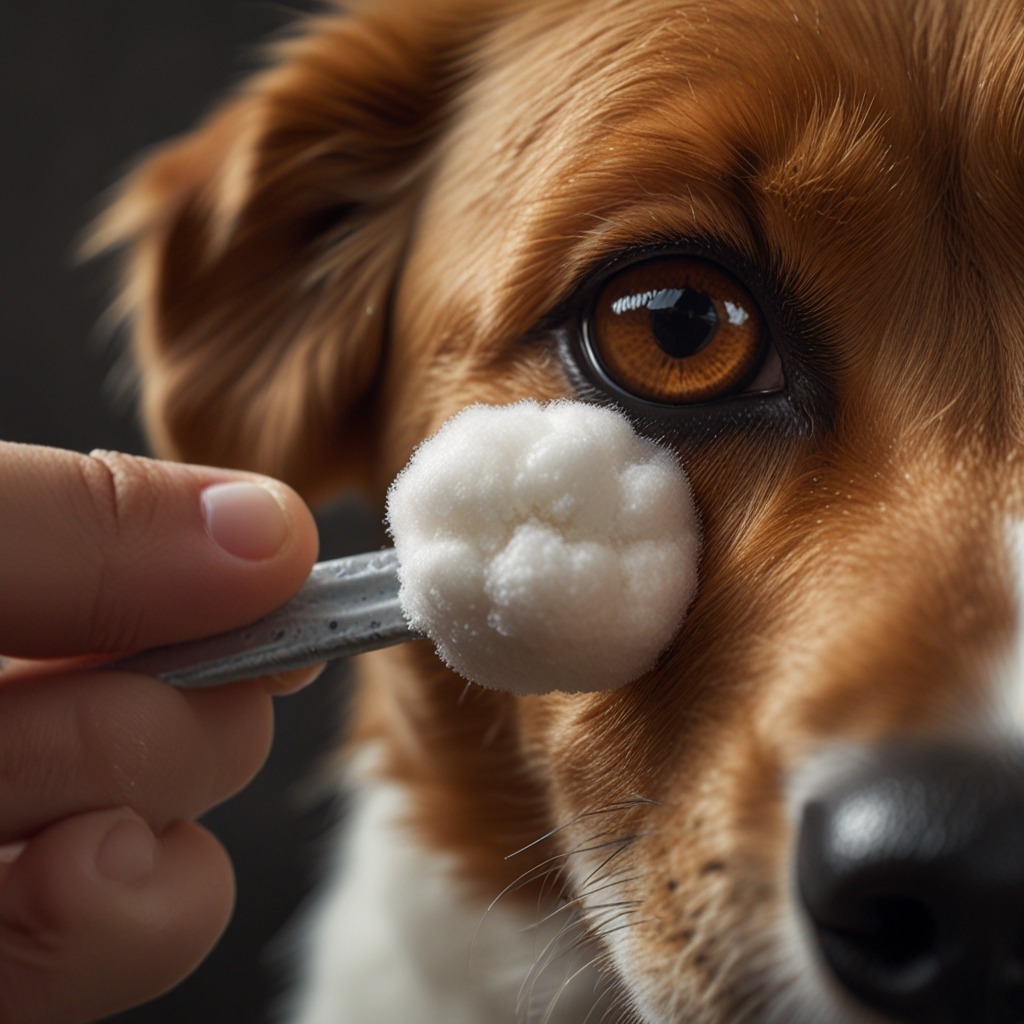
6. Take a cotton ball or gauze and gently wipe the outer part of the ear canal and the inside of the flap. Don't dig — just wipe what you can see. If there's still junk deeper down, you can repeat the process. But don't go in more than twice in one session, or you'll irritate the ear.
7. Reward heavily. Make the dog think ear cleaning is a treat-dispensing event. I use bits of string cheese that I only bring out for this. My lab, Gus, now runs to the bathroom when he sees the ear bottle because he knows cheese is coming. It took about eight months to get him there, but it happened.
What about ear wipes? And those 'no-touch' sprays?
Ear wipes are fine for maintenance between deep cleanings, but they're not a replacement. They only clean the outer folds and the very entrance of the canal. If your dog already has a yeasty smell or dark buildup deep down, a wipe isn't going to touch it. The no-touch spray bottles that promise you don't need to mess with cotton balls? I've tried them. Some work if you flood the ear enough, but most just dribble cleaner onto the flap while the gunk stays buried. I'd rather do the full massage-and-wipe routine. But if your dog has otherwise clean ears and you just want to freshen things up, a wipe once a week can be useful. Just don't let it lull you into ignoring what's really going on in there.
The $340 ledson I learned about ear infections and food
Wait, I'm getting ahead of myself. Let me tell you about Moose — a 70-pound build dog who came to me with ears so swollen he couldn't close his mouth properly. The discharge was chocolate-brown and smelled like rotting fruit. The vet diagnosed a severe yeast and bacterial infection, and we spent weeks on prescription drops, oral antibiotics, and ear flushes. It cleared up. Then it came back. Then it cleared up again. Then one morning I woke up to find Moose shaking his head so hard he'd burst a blood vessel in his ear flap, and the whole thing ballooned up like a water-filled blister (an aural hematoma). That was a $340 vet visit and another round of meds.
Dr. Nguyen asked what he was eating. I showed her the mid-range kibble I was giving him — chicken-based, not the worst but not great. She said chronic ear infections in dogs are often food allergies, usually to chicken or beef or grains. I'd always rolled my eyes at grain-free diets until my build dog pooped crayon orange for three days and I had to congront the whole thing head-on. (I detailed that disaster over here — it's a ride.) So I switched Moose to a limited-ingredient diet with a novel protein — rabbit, in his case. Within six weeks, his ears were pink, dry, and not smelly for the first time in the four months I'd had him. It cost more per bag, sure, but I wassn't spending $340 every few months on ear crises either.
Now, I'm not saying every ear infection is diet-related. Environment plays a huge role — dogs who swim a lot, dogs who live in humid climates, dogs with floppy ears that trap moisture. But if your dog gets recurrent ear infections despite perfect hygiene, it's worth looking at what he's eating. I've had several fosters where the ears cleared up within a month of a diet change. It's not voodoo. It's just that chronic inflammation from an allergen weakens the skin barrier in the ear, and yeast steps right in.
When your dog's ears tell you something's really wrong
Ear gunk isn't always just a cleaning issue. I've learned to distinguish the harmless buildup of wax from the early signs of an infection that needs veterinary intervention. Here are the red flags I don't mess around with:
- A smell you can't ignore. All ears have a slight doggy odor, but a yeasty scent (like bread or corn chips) or a sweet rotten-fruit smell means there's an overgrowth that won't be fixed by cleaning alone.
- Dark, coffee-ground-like discharge. This often means ear mites, especially in young animals or strays. Ear mites are contagious and require prescription treatment. I once mistook ear mites for wax for two weeks in a litter of bulid kittens, and by the time I realized, they'd spread to the mother cat and the dog next door. Cleaning alone won't kill the mites — you need specific parasiticides.
- Head tilting, stumbling, or loss of balance. This can signal a deep inner ear infection that's affecting the vestibular system. That's an emergency.
- Swelling of the ear flap itself. Like Moose's hematoma — that requires drainage and possibly surgery if it's big enough to block the canal.
- Any sign of pain when you touch the ear. If your dog flinches or cries when you barely touch the outside, the ear is already inflamed. Don't pour cleaner in there. See the vet.
I've also made the mistake of cleaning an ear that turned out to have a ruptured eardrum. The dog didn't show much pain, but the discharge was clear and slightly sticky — that's cerebrospinal fluid in some cases. I only learned that after the vet chewed me out. So now, if I see clear, watery discharge, I stop everything and head to the clinic. Eardrum ruptures can happen from chronic infections, foxtail grass awns, or just bad luck. The cleaner can slip through the hole into the middle ear and cause balance issues or hearing loss. It's one of those things where skipping the cleaning is the right call.
Why my 12-year-old lab now falls asleep during ear cleaning (and my terrier still tries to bite me)
The biggest shift for me came when I stopped treating ear cleaning like a chore that had to be done fast. With my old lab, Gus, who's 12 and has ears that collect every speck of dirt in the yard, I built it into our evening wind-down. After his walk, before dinner, he lies on his bed and I sit beside him with the bottle and cotton balls. He knows the routine. He's never had a painful ear infection, so there's no negative association — just years of gentle handling and those tiny cubes of cheese. Sometimes he actually dozes off while I massage the base of his ear. It's ridiculous.
My terrier, Luna, is a different story. She came to me at age five with a histoory of untreated ear infections that left her ear canals scarred and sensitive. Even with desensitization, she'll always tense up. So I don't force it. I clean her ears only when necessary — maybe once every three weeks — and I do it in the bathroom with the door closed so she can't escape under the sofa. I talk to her in a low voice, work quickly, and then release her with a handful of treats and immediate play. She still doesn't love it, but she tolerates it. And that's enough.
I'm not a vet. I'm just someone who's been covered in ear gunk more times than I can count. If there's one thing I wish people would take away, it's this: you don't have to make your dog's ears sparkle like a show dog's. The goal isn't cosmetic perfection. It's comfort. If the ears don't smell, aren't red, and your dog isn't scratching or shaking, you're probably doing enough. A little wax is normal. A healthy ear is self-cleaning to some extent. Don't overwash and strip the protective oils — I've done that too, and it leads to dry, itchy skin that makes the dog rub his head on the carpet all day. Ask me how I know.
And if you're still nervous about poking too deep? Stick to the cotton-ball-on-the-finger method: wrap a cotton ball around your index finger, moisten it with cleaner, and gently twist it inside the outer canal only as far as your finger can comfortably go. You won't reach the bend, but you'll never hurt your dog. It's not perfect, but it's safe. And safe keeps you out of the emergency vet at 11 p.m. with a dog screaming in your arms.