
I Thought a 'Low Maintenance' Dog Would Be Easier Than My Foster Husky. I Was Half Right.
I fostered a Husky who treated ceiling fans like mortal enemies. Here's what 40+ rescues taught me about dog breeds that won't make a first-time owner lose their mind.
The first dog I ever brought home as an official build was a Siberian Husky named Atlas. He'd been surrendered twice by people who, I quote, "didn't realize he'd be so much work." Atlas came into my house, peed on the sofa within four minutes, and then spent the rest of the afternoon howling at the ceiling fan like it had personally insulted his ancestors. That was six years ago and I still break into a cold sweat when I see a ceiling fan.
Here's what I learned that year: the phrase "low maintenance dog" is one of the most misunderstood terms in the whole pet world. People hear it and think "a dog that doesn't need anything from me except a bowl of kibble and a pat on the head twice a day." That dog doesn't exist. Even the chillest, snooziest, most couch-potato-y breed on the planet is still a living creature with needs and opinions and a digestive tract that will occasionally betray you at 3 a.m. But — and this is the part that took me 14 years of blogging and 40+ fosters to really get — there are absolutely breeds that will make your life easier if you're a beginner. You just have to understand what "easier" actually means.
I'm writing this because I've watched too many first-time owners walk into a shelter, point at the prettiest dog, and end up overwhelmed within a month. I've also watched people do the opposite: research obsessively, pick the "perfect" breed on paper, and still end up miserable because they didn't account for one dumb little thing like how much that breed drools or how loudly it snores or how it will systematically destroy every remote control you own. So let's talk about what low maintenance actually looks like—and what breeds I'd genuinely recommend to someone who has never owned a dog before and doesn't want to lose their mind in the first six months.

The Day I Realized "Easy" Dogs Can Still Ruin Your Week
Let me back up. Before Atlas the Husky From Hell, I had this build named Beans—a ten-year-old Chihuahua mix who weighed six pounds and slept approximately 23 hours a day. I thought I'd hit the jackpot. She didn't need walks because her little legs got tired aftre half a block. She barely ate anything. She was quiet. Low maintenance, right? Wrong. Beans had dental problems so severe that her breath could clear a room, and she needed teeth pulled to the tune of $800. She also had a delicate stomach that required a specific prescription food, and she was terrified of stairs, which meant I carried her up and down three flights multiple times a day for eight months. I loved that little dog like crazy but she wasn't easy—she was a medical time bomb wrapped in a blanket.
That's the thing. When I say a breed is beginner-friendly, I'm not saying it's bulletproof. I'm saying the day-to-day demands—the stuff you'll actually be doing every single morning when you're groggy and late for work—won't make you want to scream into a pillow. That's the bar. It's low. But it's important.
I also want to say this upfront because people get weirdly defensive: I'm not a veterinarian. I've worked alongside vets for years, I've fostered a lot of dogs with a lot of problems, and I've made approximately every mistake a human can make with a dog, but I'm not diagnosing anything. This is just what I've seen work for the people who don't have the time or experience to manage a high-drive, high-energy, high-maintenance breed.
What "Low Maintenance" Actually Meeans (And What It Definitely doesn't)
Okay, definitions. Because if we don't get this straight, you'll end up with a dog you thought would be a breeze and instead it's eating your baseboards while you're on a Zoom call.
Low energy vs. low grooming vs. low everything
Some breeds are low maintenance in one area and a complete nightmare in another. Greyhounds, for example—I've fostered three and they're glorious 45-mph couch potatoes who need like two 20-minute zoomies a day and then they'er done. But their skin is tissue-paper thin. I learned this the hard way when my build greyhound, Olive, rubbed against a doorframe slightly too enthusiastically and needed four staples. The vet bill was $340 and my heart didn't recover for a week. So a Greyhound is low exercise, but not low in the "don't worry about anything" department. Then there are breeds like the Basset Hound: low energy, sure, but the ears—oh my god, the ears. If you don't clean them weekly they turn into a yeasty, smelly swamp. I've had multiple Bassets in build and I'm intimately familiar with the smell of infected ear gunk at 6 a.m. I actually wrote a whole ear cleaning horror story about one of thm—you can read that if you want to know what happens when you ignore ear care for too long.
So when I say "low maintenance," I'm talking about a package deal: moderate or low exercise requirements, manageable grooming that doesn't require monthly $80 trips to a professional, a temperament that's not ging to eat your drywall if you're gone for four hours, and a general hardiness that won't send you to the emergency vet because the dog sneezed too hard. Breeds that check all those boxes exist. They're not unicorns. They're just not as flashy as the Instagram-famous dogs everyone wants.
The myth of the self-exercising dog
Can we kill this one right now? No dog exercises itself. A backyard isn't a substitute for a walk. I've seen people get a "low energy" breed, put it in a fenced yard, and then act surprised when the dog starts digging craters to China or barking at squirrels for six hours straight. That's not the dog's fault. That's boredom. Even a couch-loving breed needs to sniff things, move its body, and use its brain. I'll get into what that actually looks like later, but for now just know that "low maintenance" doesn't mean "zero effort." It means "less effort than a Border Collie who will reorganize your sock drawer if you don't give it a job."
Low shedding is a lie (most of the time)
I've to rant about this for a second because it drives me nuts. People say they want a hypoallergenic, non-shedding dog. Unless you're getting a hairless breed, you're getting some degree of shedding. Labradoodles? They shed. A family brought one into the shelter where I worked, swearing it was hypoallergenic, and the dog left a cloud of dander everywhere it went. The poor thing also had a coat that matted if you looked at it wrong because it was a weird mix of poodle curls and lab undercoat. The owner was so frustrated she ended up surrendering him. I later fostered that dog for three weeks and brushed him daily—I still found mats behind his ears that had to be shaved out.
Low-shedding breeds do exist, but they ussually come with higher grooming requirements. You trade vacuuming for brushing. That's the deal. I've bathed a Siberian Husky exactly once and I still have nightmares abotu the fur tumbleweeds that rolled through my house for weeks. But at least I didn't have to brush him daily—I just had to accept that everything I owned would be coated in a fine layer of undercoat. So if you want a truly low-maintenance dog in the grooming department, you're looking at short-haired breeds that don't have an undercoat that blows seasonally. There are a few, and I'll get to them.
The Breeds I'd Actually Hand a First-Time Owner (And the Ones I'd Make Them Earn)
Alright, here's the meat of it. These are breeds I've either owned, fostered, or worked closely with at the shelter where I spent six years cleaning up after every kind of dog you can imagine. I'm not going to give you a sterile list of breed traits you could find on Wikipedia. I'm going to tell you what they're actually like to live with.
The Cavalier King Charles Spaniel: the dog that wants to be a throw pillow
If I had to pick one breed that made me say "oh, this is what people mean by easy," it's the Cavalier. I fostered a senior Cav named Winston who came into rescue because his owner passed away. This dog had two settings: "sit on lap" and "sleep on lap adjacent." He needed a cople short walks a day—like, 15 minutes, tops. He didn't bark much. He was friendly to every stranger and every dog he met. Grooming wise, Cavaliers have a medium-length silky coat that needs brushing a couple times a week, but honestly, Winston's never got matted even when I forgot for five days. They're not big shedders if you keep up with the brushing.
The downside? Heart problems. Cavaliers are notorious for mitral valve disease. Almost all of them get it eventually, which means regular vet visits and potentially expensive medication as they age. That's the trade-off—a temperament so sweet it'll melt your cynicism, but a ticking clock on their health. For a beginner who can afford pet insurance or has some savings, it's still a solid choice. The day-to-day is stupidly easy.
The Greyhound: the 45-mph cat
I've already mentioned Olive and her tissue-paper skin, but I want to be fair to Greyhounds because they're genuinely wonderful for the right person. Retired racers are some of the calmest dogs I've ever met indoors. They'll do a couple laps around the yard, then collapse on a dog bed for six hours and not move. They shed very little, they've almost no doggy odor, and theiir coats are basically wash-and-wear. I used to joke that my Greyhound fosters were cats in dog suits.
The beginner catch: they can't be off-leash in unenclosed areas because if they see something small and fast, their prey drive kicks in and they're gone, hitting 40 mph before you can even yell their name. They also get cold easily—my fosters had a wardrobe of sweaters that cost me a small fortune. And that thin skin means trips to the dog park can end in stitches. But if you want a dog thhat's content with a couple walks and otherwise just wants to be near you, this is it. They're like the low-maintenance cousin of the Whippet, which is smaller but similarly couch-bound.
The Basset Hound: they're not lazy, they're efficiency experts
I've a soft spot for Bassets. They're stubborn, they drool, they shed more than you'd think, and their ears are a full-time hygiene project. But I'm putting them on this list because their enerrgy level is perfect for someone who wants a dog but doesn't want to become a runner. Bassets need a walk or two, sure, but it's more of an amble. They'll sniff every single blade of grass and take approximately 45 minutes to cover a block, and then they'll come home and nap for four hours.
The grooming thing is real though. I had a build Basset named Gus whose ears I had to clean twice a week or the yeast would take over. I learned an embarrassingly gentle way to clean ears because of Gus—he hated having them touched, but if I went slow and used warm cleaner, he'd eventually just sigh and let me do it. That's the other thing about Bassets: they're not aggressive, they're just passive-resistant. They'll lie down mid-walk and look at you like "nah, I'm good here." you've to have a sense of humor about it.
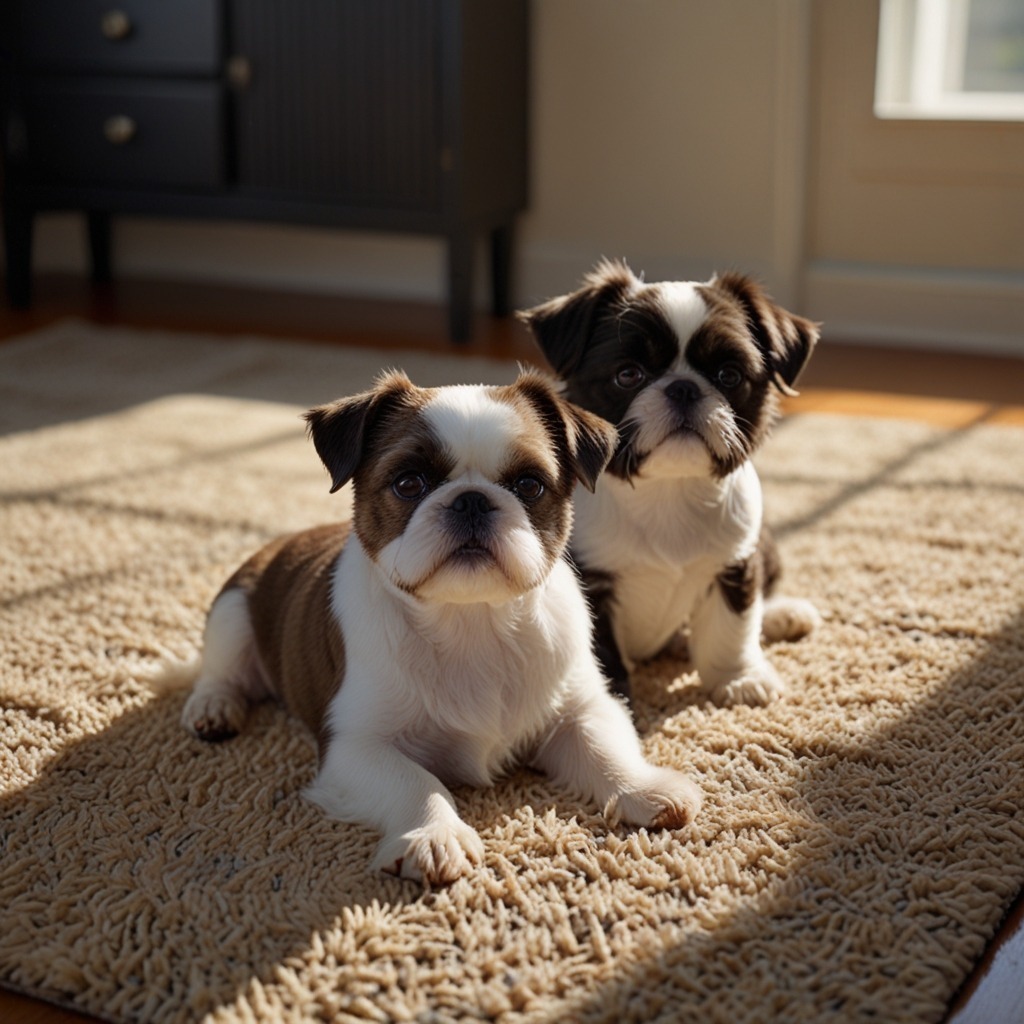
The Shih Tzu: tiny, cheerful, and surprisingly sturdy
I'll admit I used to be snobby about small fluffy dogs. Then I fostered three Shih Tzus in a row and fell in love. These dogs are bred to be companions—they don't need a job, they don't need hours of exercise, they just want to be wherever you're. The Shih Tzu I build-failed on (yes, I adopted one, her name is Mochi, don't tell anyone I've four permanent dogs now) is happy with two 20-minute walks and some playtime indoors. She's friendly, shes quiet, and she doesn't shed because her hair grows continuously like a human's.
But here's the thing: that non-shedding coat needs maintenance. I clip Moci myself every 6-8 weeks, which took practice. The first time I tried, she looked like she'd been attacked by a lawnmower. Now I'm decent at it, but if you're not up for learning to groom or paying a professional, the coat will mat and become painful. I've written about matting disasters before—same concept applies to dogs. So the Shih Tzu is low energy but requires you to be on top of grooming. That's the trade.
The French Bulldog: charming, lazy, and medically complicated
Okay, I've complicated feelings about Frenchies. they're one of the most popular "easy" breeds for beginners because they genuinely don't need much exercise—a few short walks, some play, and they're done. They're affectionate, they're funny, they rarely bark, and they adapt well to apartment living. I fostered one named Pierre who spent most of his time snoring on the couch and occasionally chasing a ball for exactly three throws before deciding he was over it.
The thing that makes me hesitate to recommend them unreservedly: they're a brachycephalic breed, which means their flat faces cause breathing problems. They overheat easily. They can't fly on most airlines because the risk of respiratory distress is too high. They're also prone to allergies, skin fold infections, and spinal issues. Vet bills add up fast. For a beginner who's prepared for that financially and emotionally, they're wonderful dogs. But I've seen too many people get a Frenchie because they're cute and then panic when the first $500 allergy workup hits. Just know what you're signing up for.
The Boston Terrier: the Frenchie's slightly healthier cousin
If you like the Frenchie vibe but want something with a bit more energy and fewer structural health problems, look at Bostons. I've fostered only one Boston, a senior named Pip, and he was a delight. He had the same compact, easy-to-handle size, but he was more playful and didn't have the same breathing issues (the nose is a bit longer). He still snored, still couldn't handle extreme heat, but he was sturdier overall. Grooming is a breeze—short coat, hardly any shedding, quick wipe-down if he got dusty. If you're in an apartment and want a dog tha'tll make you laugh and won't demand marathon runs, a Boston is a solid pick.
The Worst "Beginner" Dog Advice I've Ever Heard
I've to vent about this because it's connected to the whole low-maintenance thing. There's this idea floating around that if you're a first-time owner, you should just get a puppy from a breeder so you can "raise it right." I've heard this from well-meaning relatives, from strangers at the dog park, even from a trainer once who should have known better. And it makes me want to flip a table.
Puppies—of any breed—aren't low maintenance. Not even close. A puppy is a full-time job for the first six months. Housebreaking, socialization (which doesn't mean letting every dog at the park body-slam them), teething, sleep schedules, crate training, the endless cycle of chewing and peeing and crying. I've raised puppies. I've fostered puppies. They're adorable and exhausting and I love them, but recommending a puppy to a beginner who specifically wants a low-maintenance dog is like recommending a toddler to someone who said they'd like a quiet evening.
If you're a first-timer, seriously consider adopting an adult dog—even a senior. Their personality is already known. They're often house-trained. They've usually outgrwon the destructive phase. And they'll still bond with you. Some of the most rewarding and easygoing dogs I've ever fostered were seniors. They just want a soft place to sleep and some gentle affection. You skip the chaos years entirely.
My Neighbor's "Easy" Dog That Cost Him $2,000 in Six Months
This is a tangent but it's relevant, I promise. My neighbor Dave—nice guy, works from home, decided last year he wanted a dog. Did some research. Landed on a Dachshund because they're small, don't need huge walks, and are "loyal." He found a breeder, brought home a puppy, named him Frank. Cute as hell. For the first three months, everything was fine. Then Frank discovered the couch, which he decided was his personal throne and no one else could sit on it. Then he started guarding his food. Then he bit Dave's girlfriend when she tried to move him off the bed.
Dachshunds aren't easy dogs for beginners unless you understand their temperament. They were bred to go after badgers underground—they're tenacious, stubborn, and often one-person dogs. They can be territorial. Dave didn't know any of that. He just saw a small dog and thought "low maintenance." He ended up spending over $2,000 on a behaviorist, and Frank is doing better now, but it took a year of work that Dave wasn't prepared for. I tell this story because the dog's size has notjing to do with how easy it's. I'd rather a first-timer get a large, calm breed like a retired Greyhound than a small, feisty breed with a strong will and a history of hunting vermin.
Grooming: the Silent Time-Suck You Didn't Account For
I touched on this earlier, but I want to dig into it because grooming is where a lot of the "low maintenance" fantasy falls apart. People look at a short-haired dog and think "oh, it doesn't need anything." Then six months later the dog is shedding so much they're finding hair in their butter dish and the dog's nails sound like tap shoes on the hardwood.
Short hair doesn't mean no work
I fostered a Pit Bull mix named Hank for nine months. Short coat, basically no grooming, right? Hank shed like it was his life's mission. I brushed him twice a week with a rubber curry brush and got enough hair to knit a second dog. He also had nails that grew alarmingly fast and I had to trim them every two weeks or they'd click and eventually curl. I haven't touched a pair of dog nail clippers in years—I switched to a grinder after a midnight vet run that cost me $187—but even with a grinder, that's still a chore. So a short coat saves you from mats, but it doesn't save you from shedding or nail maintenance.
The breeds I'd actually call low-grooming
In my experience, the truly wash-and-wear dogs are the ones with very short, single coats and not much loose hair. Pugs (though they're brachycephalic and have their own issues), Boston Terriers, Chihuahuas (smooth-coated), Italian Greyhounds, and some hounds like the Whippet. These dogs might need a wipe-down when they get dusty and nails done, but you're not looking at professional grooming bills. However, if you can't handle any shedding at all, you're probably better off with a breed that needs regular haircuts—the hair gets trapped instead of falling out, but you've to stay on top of the cuts. It's a pick-your-poison situation.
Exercise: It's Not Just About How Many Miles You Walk
One of the biggest mistakes I see beginners make is assuming that a low-energy dog doesn't need any real exercise beyond a potty break. Then they're surprised when the dog develops behavioral problems that have nothing to do with energy and everything to do with mental understimulation. I wrote about this with my build Lab who destroyed everything I loved—turns out he didn't need more wakks, he needed something else entirely.
For the breeds I'm recommending here, the exercise sweet spot is usually 30-60 minutes of low-intensity movement a day, broken into two walks, plus some sinffing or puzzle toys. A Cavalier doesn't need to run. A Greyhound needs a couple sprints but that can happen in a fenced area for five minutes. A Shih Tzu is happy with indoor play and a short stroll. The key is consistency and letting them use their noses. Sniffing is more tiring than walking—ask any behaviorist. A 15-minute sniff walk where the dog gets to investigate every mailbox is worth more than a 30-minute forced march where you're dragging them along.
The over-exercise trap
Here's a weird thing I learned the hard way: some low-energy breeds will let you over-exercise them because they're people-pleasers. My build Cavalier, Winston, would trot along on a 45-minute walk if I let him, but then he'd be limping the next day because his little legs weren't built for that. With these smaller, lower-energy breeds, you've to be the one to say "okay, that's enough." They won't necessarily self-regulate. A young, enthusiastic Boston Terrier might play fetch until it drops from exhaustion. you've to watch for signs of fatigue and cut them off before they overdo it.
When The Dog Chooses You, Not The Other Way Around
I want to tell you about Miso. Not the cat Miso from my other posts—this is a dog Miso, a little terrier mix I fostered three years ago. Miso came from a hoarding situation. She was terrified of everything. For the first two weeks, she hid behind my toilet and only came out at night to eat. I didn't choose her—the rescue coordinator called me at 9 p.m. begging for an emergency build and I caved. Miso was, by any definition, not low maintenance. She needed months of confidence-building, careful socialization, and a routine so predictable you could set a watch by it. And yet, she ended up being one of the easiest fostters I've ever had once she came out of her shell, because by then I knew her. I knew her triggers, her preferences, her weird little quirks like how she'd only drink water if I put an ice cube in it first.
My point is this: breed matters, but the individual dog matters more. I've met lazy Border Collies and hyper Basset Hounds. The best low-maintenance dog is often the one that matches your actual lifestyle, not some idealized version of what you think your lifestyle should be. If you're a couch person, get a couch dog. Don't get a "beginner" breed that's supposedly easy but needs a job to be happy. That's how dogs end up in shelters. I've seen it happen hundreds of times and it breaks my heart every single time.
What I'd Tell a Friend Who Just Wants a Dog That Doesn't Need a Second Job
If you've made it this far, you're probably thinking "okay Sarah, just give me the short version." Here it's: focus on adult dogs from breeds or mixes known for moderate energy, short coats that don't need professional grooming, and temperaments that lean toward easygoing rather than intense. Meet the actual dog before you commit. Ask the shelter or rescue about the dog's daily routine in its build home—that'll tell you more about how it'll fit into your life than any breed profile ever will. And whatever dog you end up with, be ready to invest a little time every day. The difference between a dog that's a joy and a dog that's a burden isn't the breed—it's whether you're meeting its basic needs for exercise, affection, and mental engagement. Even the easiest dog in the world still needs you.
And maybe avoid ceiing fans for the first week. Just a tip.