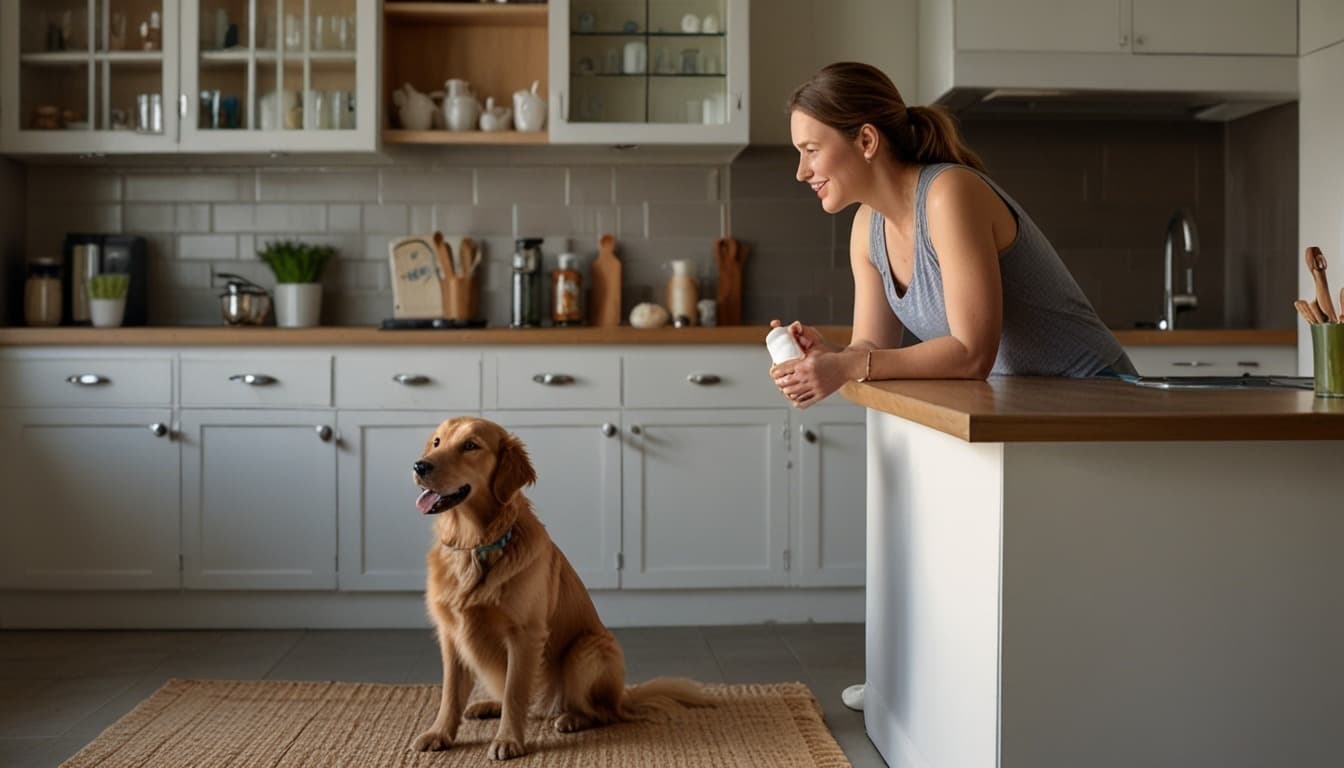
I Jammed a Bottle Tip Into My Dog's Ear and He Yelped Like I'd Stabbed Him. Here's How to Clean Dog Ears Without the Horror Show.
I thought cleaning my dog's ears was as simple as squirt-and-wipe. Then Gus screamed louder than the smoke alarm, and I realized I'd been doing it dangerously wrong. Here's how to clean dog ears without the pain, the panic, or the $340 vet bill.
Let me tell you about the day I made my dog Gus scream like a toddler who dropped their ice cream.
Gus is my 65-pound rescue Lab mix — the sweetest boy, would let a toddler yank his tail without a grumble. But that afternoon, I grabbed a bottle of blue ear rinse from the pet stoore, tipped his ear flap back, and shoved the bottle tip straight in. No warning. No positioning. Just—squirt.
The sound that came out of him wasn't a whien. It was a full-throated yelp, like I'd pinched a nerve. He bolted off the couch, shook his head so violently I thought his tags would fly across the room, and then stared at me with the most betrayed look I've ever seen on a dog. I sat there, bottle dripping on my sweatpants, realizing I had absolutely no clue what I was doing.
That was eight years ago. I've since fostered over 40 dogs, many with ear issues that ranged from mild wax buildup to horrifying pseudomonas infections that could knock out a buzzard at 20 paces. I've made every mistake. I've spent stupid money on useless products. I've had a vet yell at me (kindly) for using Q-tips. And I've finally, finally figured out how to clean a dog's ears without hurting them.
So here's the ugly truth and the stupidly simple method — no fluff, no jargon, just what's worked on dozens of dogs from Chihuahuas to Great Danes.
The Anatomy Nobody Frickin' Explains (and Why Your Dog's Ear Canal Is a Booby Trap)
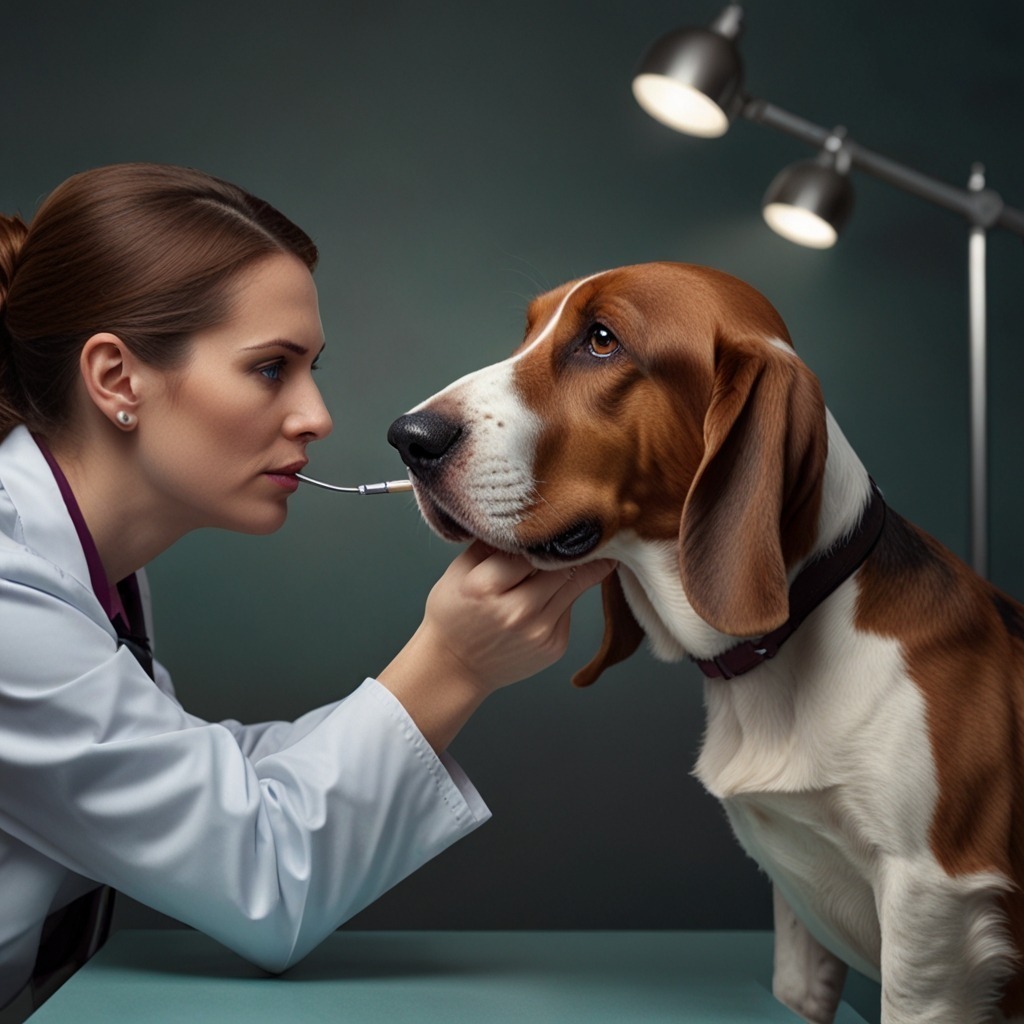
Here's something that'll make you never look at a dog's ear the same way: their ear canal isn't a straight pipe. It's shaped like an L. Vertical drop down, then a hard 90-degree turn toward the eardrum. Think of it like a plumbing trap under your sink — the kind that collects gunk and makes you curse when you've to snake it.
That bend is what protects the eardrum from crap getting jammed straight in. It's also why when you blindly shove a bottle nozzle in and squeeze, you're aiming the stream directly at that sensitive inner bend. If the tip's angled wrong, you can hit the eardrum with enough pressure to cause pain or even rupture it. I'd essentially waterboarded Gu'ss inner ear with perfumed alcohol solution. No wonder he screamed.
(Quick aside: dog ear drums are delicate. Like, tissue-paper delicate. You don't want to go there.)
So where does all that nastty brown wax even come from?
Dogs produce earwax — some breeds way more than others. Labs, Basset Hounds, Cocker Spaniels, and anything with heavy floppy ears creates a humid, dark environment that yeast and bacteria love. The wax builds up, mixes with dirt, and boom — you've got a science experiment growing inside your dog's head. Some dogs barely need ear cleanig. Others, like my build Mabel (a Basset mix with ears that dragged on the ground like little mop heads), needed their ears cleaned twice a week or they'd turn into a fungal swamp.
But here's the thing — most of that gunk isn't deep in the canal. It's in the outer part you can see. The vertical canal. The horizontal part, past that bend, usually stays pretty clean unless there's an infection. So when you're cleaning, you're mostly just dealing with the outer portion, not spelunking into the unknown. That realization alone saved my sanity.
The Olive Oil Myth That Needs to Die
I swear, every Facebook group has someone swearing by olive oil or coconut oil to clean dog ears. Look, I love olive oil on my focaccia. I'm not putting it inside my dog's ear canal unless Dr. Ngueyn tells me to. Oils trap moisture, grease up the ear, and create a perfect breeding ground for yeast. The only time I've seen olive oil used legitimately was to suffocate ear mites — and even then, there are safer, vet-prescribed drops that don't leave your dog smelling like a salad that's been left in the sun for a week. Just… no.
The $12 Bottle of Cleaner That Finally Worked (After I Wasted $90 on Fragranced Garbage)
After the Gus incident, I went on a ear cleaner shopping spree that would make a couponer weep. I bought wipes that smelled like baby powder and left a sticky residue that collected more dirt. I bought a spray that was basically watered-down alcohol that made every dog I used it on shake their head for 20 minutes straight. I bought a fancy "natural" cleaner with tea tree oil that the vet later told me can be toxic to dogs if ingested (and dogs lick their paws, and their paws touch their ears… you get it).
Then I was at Dr. Nguyen's office for a routine checkup and asked, "What do you actually recommend?" She walked over to the shelf, grabbed a plain white bottle with a blue label — a veterinary enzymatic cleaner — and said, "This. It's $12. It breaks down wax without stinging, and it dries fast so it doesn't leave the ear soggy." I practically kissed her.
That cleaner (brand aside — I'm not getting paid for this, I just want you to know what to look for) is enzyme-based, alcohol-free, and has a mild scent that's not trying to be a Yankee Candle. I've used it on every dog since, including the ones with red, angry ears from allergies, and nobody's yelped. The key is the enzymatic action — it literally dissolves wax and gunk rather than just pushing it around.
If you're standing in the pet store aisle right now, turn the bottle around and look for: no alcohol, no essential oils, "non-irritating," "enzymatic" if possible. And skip anything that says "deodorizing" because that usually means fragrance, which often means alcohol or other irritants. I learned that lesson the hard way with a build Poodle who had ears so inflamed she got a secondary infection from the cleaner itself. Which brings me to…
My $340 Vet Visit Over a Smelly Ear That Wasn't Just "Dirty"
Let me tell you about Mabel, the Basset mix I mentioned. She came into rescue with ears that smelled like a forgotten laundry hamper. I assumed it was just built-up wax, so I cleaned them daily with my trusty enzymatic cleaner. The smell got worse. By day four, Mabel started flinching when I touched her ear. She'd yelp when she shook her head. I looked inside with a flashlight and saw the canal was swollen shut, with a yellowish discharge that looked like cottage cheese. (I'm sorry, I know that's gross. Ear stuff is gross.)
I rushed her to Dr. Nguyen, who did a cytology (smeared ear goo on a slide and looked under a microscope) and found a nasty mixed inection — bacteria called Pseudomonas and a yeast overgrowth. The bacteria was resistant to the first antibiotic we tried, so we ended up with a two-week course of prescription drops that cost $340, plus a follow-up visit. All because I'd been blindly cleaning without realizing I was dealing with an active infection that needed medication, not just cleaner.
That experience taught me: if the smell doesn't improve after one or two cleanings, or if there's swelling, discharge, or pain — stop. Stop cleaning and get to the vet. An ear infection won't wash away. It needs medicated drops, and sometimes oral antibiotics if the ear drum is ruptured. I've also seen dogs with ear mites masquerading as "just dirty ears." (Mites look like coffee grounds, by the way. Not pretty.)
This section isn't about cleaning technique. It's just a horrr story to remind you that ears are a health status indicator, not just a grooming chore. Now back to the actual method.
Step-by-Step — But First, Put Down the Cotton Swab and Nobody Gets Hurt
Alright, you've got the right cleaner. You've got a dog who doesn't hate you yet. Here's the method I've settled on after a lot of trial, a lot of error, and exactly zero Q-tips.
1. Gather your crap (and make it a party)
You need: the ear cleaner (shaken if it's enzymatic — it separates), a pile of cotton balls or gauze squares (no Q-tips, no tissues that shred), high-value treats cut into tiny pieces, and maybe an old towel because this is gonna get messy. I put my dog on a non-slip surface, like the kitchen floor with a yoga mat. If your dog is a wiggle worm, enlist a helper to hold them gently but securely. I've done this alone by having the dog between my legs while I sit on the floor, but don't try that with a 100-pound mastiff.
2. The approach (don't ambush them while they're sleeping)
Desensitization is half the battle. Take a few minutes to just touch your dog's ears, lift the flap, and give a treat. No cleaner yet. If they flinch, back off and try later. I made the mistake once of cornering my build dog Nellie, a terrified beagle, with the ear cleaner bottle while she was dozing. She startled so bad she peed on the rug. Not my finest moment. Now I always let the dog see the bottle, let them sniff it, and start with a head rub. The wierd thing I've noticed is that dogs who've had a bad ear cleaning before will sometimes tremble at just the sight of the bottle, so you might need to go even slower. I spent three weeks just feeding Gus cjicken bits while holding the closed bottle near his ear. Baby steps.
3. The actual cleanning motion (that I got wrong for years)
Lift the ear flap and pull it slightly outward and upward — this straightens that L-bend just a bit so the cleaner can slide down the vertical canal without pooling at the corner. Then, place the bottle tip at the entrance of the ear canal, not inside it. You want the tip hovering just inside the opening, angled toward the side, not straight down. Squeeze gently to fill the canal with cleaner. You'll hear a sort of squishy sound. The amount depends on the dog's size; for a Lab, I use enough to fill the visible canal until it's about to overflow. For a Chihuahua, maybe a few drops. Then — and this is the part I skipped with Gus — massage the base of the ear. You'll feel that little tube-like part right below the ear flap. Rub it in circles for 20-30 seconds. You'll hear this glorpy schlorping noise, gross but satisfying, like popping bubble wrap. That's the cleaner breaking up wax.
After massaging, step back and let the dog shake their head. Don't try to hold the ear flap — just let physics do its thing. The centrifugal force flings gunk out. Then, use a cotton ball or gauze to gently wipe the visible part of the canal and the ear flap. Never, ever poke your finger wrapped in cotton down into the canal. I've seen people try that and the cotton come off inside the ear. That's a $200 vet removal waiting to happen.
4. What to do when your dog acts like you're trying to murder them
Some dogs will tolerate ear cleaning like angels. Others will thrash, scream, bite, or pancake onto the floor in protest. I've had fosters who were so traumatized by previous painful cleanings that even touching thier ears sent them into a panic. For those dogs, the method is: slow, slower, and bribes. I've spent weeks just touching an ear for a second, treat, repeat. Then lifting the flap, treat. Then the bottle nearby, treat. It can take 10 sessions before you actually get cleaner in there. That's okay. You're re-wiring their brain to associate ear handling with good stuff, not pain.
If your dog is aggressive or dangerously fearful, don't play hero. Ask your vet for a mild sedative like trazodone to use before cleaning, or let the vet tech do it. A dog who bites isn't being bad — they're terrified. I learned that the hard way with a build Pit mix who caught my hand. (My left pinky still clicks when I make a fist. Worth a story, not worth the ER bill.)
The Groomer Who Plucked My Dog's Ear Hair Worng and Made Me Swear Off "Professionals"
This is a quick detour. I once took my Lab to a groomer who insisted on "cleaning" his ears by plucking out every single hair with hemostats. Gus came home with red, bloody ear canals and a flinch that lasted a week. Turns out, ear plucking is controversial. Some breeds need it to prevent matting (like Poodles), but if done harshly, it can cause micro-tears that let bacteria in. Now I only pluck hairs that are actually matted or blocking the canal, and I do it myself with a gentle touch and a pair of blunt-tipped tweezers. Never again will I trust a stranger to go yanking in there. End rant.
When Ear Cleaning Gets Complicated: Allergies, Foppy Ears, and the Perpetual Yeast Cycle
Okay, so you're cleaning your dog's ears like a pro and they still get fuky every other week. What gives?
Here's the crappy reality: chronic ear problems are often a symptom of something else. Food allergies. Environmental allergies. A chicken sensitivity that makes their ears swell and itch. I had one build dog — a Poodle mix named Benny — who needed his ears cleaned three times a week and was still always red and yeasty. Turns out he was allergic to chicken, and the ear stuff was just the external clue. Switched him to a limited-ingredient salmon diet, and after a month his ears were practically self-cleaning. I wrote about that whole allergy ordeal in another post, so if your dog's ears keep getting infected despite religious cleaning, you might be fighting the wrong fire.
Ear infections and skin issues are definately cousins — I've bathd so many itchy rescue dogs whose ears flared up at the same time. Here's the full saga of shampoo trials and errors that might help if your dog is scratching everywhere, not just at the ears.
Red flags I missed that meant infection, not wax
I used to think "just clean it better" was the answer. Now I look for: a yeasty, corn-chip smell that doesn't go away after cleaning; discharge that's yellow, green, or bloody; swelling or heat; head tilting; loss of balance; and any sign of pain when chewing or yawning. Those aren't grooming issues — they're medical problems. Get thee to a vet.
How often is too often? (And the dogs who barely need cleaning)
For a dog with normal ears — airy, upright, no allergies — you might clean them once a month or even less. My current Lab mix, Gus, who's now 10, gets his ears cleaned maybe every other week, and that's mostly because he loves rolling in dead things. Over-cleaning can strip the natural protective wax and pH balance, so if the ears look clean and smell fine, leave them alone. Flip the ear open, take a whiff — you'll know when something's off. Trust your nose. It's a better diagnostic tool than any gadget.
I made the mistake of cleaning Gus's ears daily after the Mabel incident, paranoid of infection, and ended up drying out his canals so much he started scratching at them. Less is sometimes more. Dr. Nguyen once told me, "If it ain't dirty, don't fix it." Words to live by.
Six Dogs Later, Here's What I Actually Do Eveyr Sunday (and What I Stopped Doing)
My Sunday morning ritual now: coffee, dog walks, then "ear check" for all three dogs. I don't clean all of them every week. I just lift each ear, sniff, and peek with a flashlight. If I see wax or smell something funky, I grab my enzymatic cleaner and do the gentle massage-and-wipe routine. It takes about three minutes per dog, tops. Nobody yelps. Nobody hides under the table when they see the bottle. The dogs are so conditioned now that they'll come over for the treat they know follows. Gus actually wags his tail — or maybe he's wagging for the dried liver bits, but I'll take it.
I stopped: buying scented wipes, using Q-tips, trusting groomers with ear plucking, and assuming all ear issues are just "dirty ears." I also stopped panicking when I see a little wax — it's normal. The ear is a self-cleaning organ to some degree; you're just helping it along, not performing surgery. And I scerwed up so many times along the way that I'm honestly grateful my dogs are forgiving creatures.
If your dog has serious ear problems, go read about my allergy adventure with those useless chews here, and maybe check out how I learned to groom my Poodle without a vet sedation here — because ears and mats go hand in hand when you're dealing with high-maintenance coats. And if you've got a cat who won't let you near their ears, that's a whole other war story — check out the time my cat scratched his ears bloody over here. Fair warning: it's just as gross.
And if you're ever in doubt, call your vet. Seriously. My veterinary office has heard me ask so many dumb questions they should have a bat-phone just for me. But every time I've called, I've saved a dog pain and myself a lot of cash. The $12 bottle of cleaner might be all you need, but the peace of mind? Priceless. Now go sniff your dog's ears. You'll know exactly what I mean.