I Found the First Flea on a Tuesday. By Friday I'd Burned Through $300, One Vacuum, and My Last Nerve.
I spotted a flea on my foster dog Bean, triggering a 7-day war that cost me $300, one vacuum, and my sanity. Here's the messy, unfiltered truth about what actually works—and what made everything worse.
I found the first flea on a Tuesday.
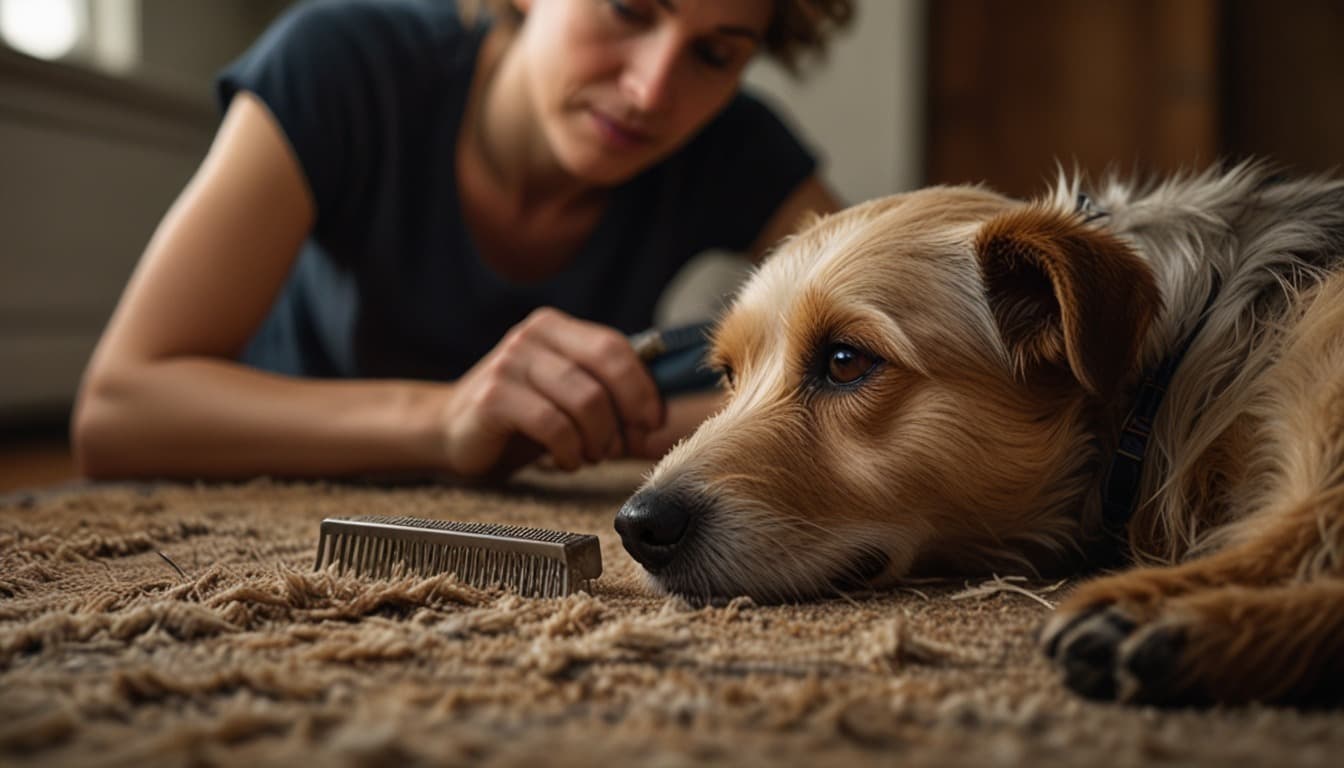
It was on my build dog, a scruffy little trrrier mix named Bean who'd arrived three days earlier with a suspicious amount of scratching. I'd checked him at intake — ran a flea comb through that wiry coat, looked for flea dirt, decided he was fine. The shelter had said he was fine. I believed the shelter. Rookie mistake. I've been doing this rescue thing for 14 years and I still fall for it. Every. Single. Time.
The flea I spotted was a fat, glossy, unapologetic speck of evil doing backstroke through the fur on Bean's shoulder blade. I plucked it off, crushed it between my thumbnails (gross, satisfying), and felt a cold wave of dread wash over me. If I could see one that easily, there were hundreds more I couldn't see. Eggs. Latvae. Pupae. The whole disgusting life cycle, probably already embedded in my area rug, my dog beds, the crack between the baseboard and the floor where my ancient Labrador likes to sleep.
Thus began the worst week of my year. What followed was an expensive, exhausting, floor-sobbing descent into the world of flea warfare — a world filled with terrible internet advice, products that don't work, and a vet tech (not mine, some rando at a big box pet store) who tried to sell me a flea collar that later turned out to be, and I'm quoting my actual vet here, 'a pesticide necklace that does nothing but give your dog a rash.'
I'm going to tell you exactly what I did, what worked, what made things worse, and the one thing I'll never try again even if someone put a gun to my head. This isn't a tidy listicle. It's a battle story. You'll get the practical bitts, sure, but you're also getting the tangents, the rants, and the part where I cried into a bag of diatomaceous earth at 2 a.m. I figure if you're dealing with the same hell, you deserve the whole messy truth.
The Denial Phase (and Why I Stll Do It After All These Years)
Every single flea infestation I've ever dealt with started with me convincing myself it wasn't fleas. Bean's been scratching? Probably dry skin. This new food I tried isn't agreeeing with him. Maybe he's allergic to the laundry detergent I used on his blanket. That one tiny black speck I found? Not flea dirt — just dirt dirt. A crumb. A piece of soil from the yard.
I've literally sat there with a flea comb full of evidence and still tried to talk myself out of it. I think part of it's that admitting you've fleas feels like admitting failure as a pet owner. Like you're dirty. Like you don't take care of your animals. That's crap, by the way. Fleas are opportunistic little jerks that will hitch a ride on your dog from a perfectly manicured lawn, a vet's waiting room, or — in one memorable case from my early fostering days — the apartment hallway of a building where the neighbor's cat slipped out while I was carrying groceries. Fleas don't care if you vacuum daily. They just want a warm host and a place to make more fleas.
If you're in the denial phase right now, let me save you some time: Stop it. Get a flea comb, run it through the fur around the base of your dog's tail and bheind the ears. If you pull out any tiny black specks, drop them on a wet paper towel. If they dissolve into reddish brown — congratulations, it's flea poop, which is mostly digested blood. Your dog has fleas. Accept it. Move on to the treatment stage before the problem quadruples. Because it will.
The Time I Let a build Cat Infect My Entire House Because I Skipped One Dose
Okay so this is a cat story in a dog post, but hear me out. It's relevant for anyone who has both species under one roof, which I did at the time. I was fostering a senior cat named Miso who'd come from a hoarding situation. He arrived with a shaved patch where they'd treated a hotspot and, according to the rescue, had been 'cleared of parasites.' I took them at their word. Didn't quarantine him properly. Let him roam.
Within a week, my own two dogs — a Shepherd mix and a cranky Jack Russell — were scratching themselves raw. The fleas had hopped from cat to dog to carpet to couch cushion in a matter of days. I felt like an idiot. I'd been doing rescue for nearly a decade at that point and still got sloppy becauuse I was tired and overworked and Miso looked so pathetic I just wanted him to feel at home.
The lesson that got seared into my brain: always quarantine new animals for at least 48 hours, treat them preventatively even if they look clean, and never — never — trust a singel negative flea check. One missed pregnant flea can start a colony. And that colony won't respect species boundaries.
When I later wrote about what I learned from that whoke mess with Miso's actual health crisis, it involved a $340 vet bill and a lot of guilt. I eventually found out the poor guy had a thyroid issue nobody caught. But before we got to that diagnosis, I was fighting fleas on three animals at once while also cleaning cat pee off my baseboards — a different nightmare entirely.
Speaking of multiple pets, if you've got a house full of animals like I do, the flea battle multiplies exponentially. Every untreated pet is a reservoir. you've to hit them all at the same time or you're just playing whack-a-mole with bugs.
My Actual Flea-Fighting Protocol (Built from 14 Years of Screwing Up)
After the Miso disaster, I got systematic. Here's the approach I've refined over dozens of infestations across dozens of fosters. It's not pretty, it's not cheap, but it works.
Step One: The Dog Treatment That Actulaly Kills the Fleas Right Now
You need a fast-acting adulticide. Not a flea collar. Not a 'natural repellent' spray that smells like rosemary and fase hope. I'm talking about the oral medications like Capstar (nitenpyram) or the vet-prescribed chewables like Credelio, Simparica, or Nexgard. These kill adult fleas within hours. Capstar is over the counter, cheap, and starts working in 30 minutes. It only lasts 24 hours though, so it's a bridge, not a solution. The prescription chewables last a month and also prevent re-infestation.
I keep Capstar on hand at all times now. The moment I spot a flea, every dog in the house gets one. Then I follow up with a monthly preventive. For my own dogs, I use Simparica Trio because it also covers heartworm and ticks and I'm profoundly lazy and want one pill that does everything. For fosters, it depends on their health — I always check with the rescue's vet.
Warning: don't use dog flea products on cats. Permethrin, common in dog spot-ons, will kill a cat. I leraned this the hard way years ago in vet tech school when we had a case come in. The cat survived, barely, but it was a $3,000 emergency. Not worth the mistake.
If you're dealing with a puppy under 8 weeks, you can't use most chemical treatments. Dawn dish soap baths are your friend. The blue kind. It kills fleas on contact by breaking surface tension and drowning them. It's not a preventative, but for tiny puppies covered in fleas, it's a lifesaver. I've bathrd more neo-natal puppies in my kitchen sink than I can count, and Dawn has never let me down. Just make sure you rinse thoroughly and keep the pup warm after. Hypothermia is a real risk with wet puppies and I've had to explain that to panicked build parents more times than I'd like.
Step Two: The Environment — or Why Your Dog Keeps Getting Re-Infested
Here's the thing nobody wants to hear: The fles on your dog are only about 5% of the problem. The other 95% — the eggs, larvae, and pupae — are all over your house. In the carpet fibers. In the cracks of the hardwood floor. In your dog's bed, your bed, the couch, the car, your soul. If you only treat the animal, you'll be finding new fleas for months. I know because I've done exactly that.
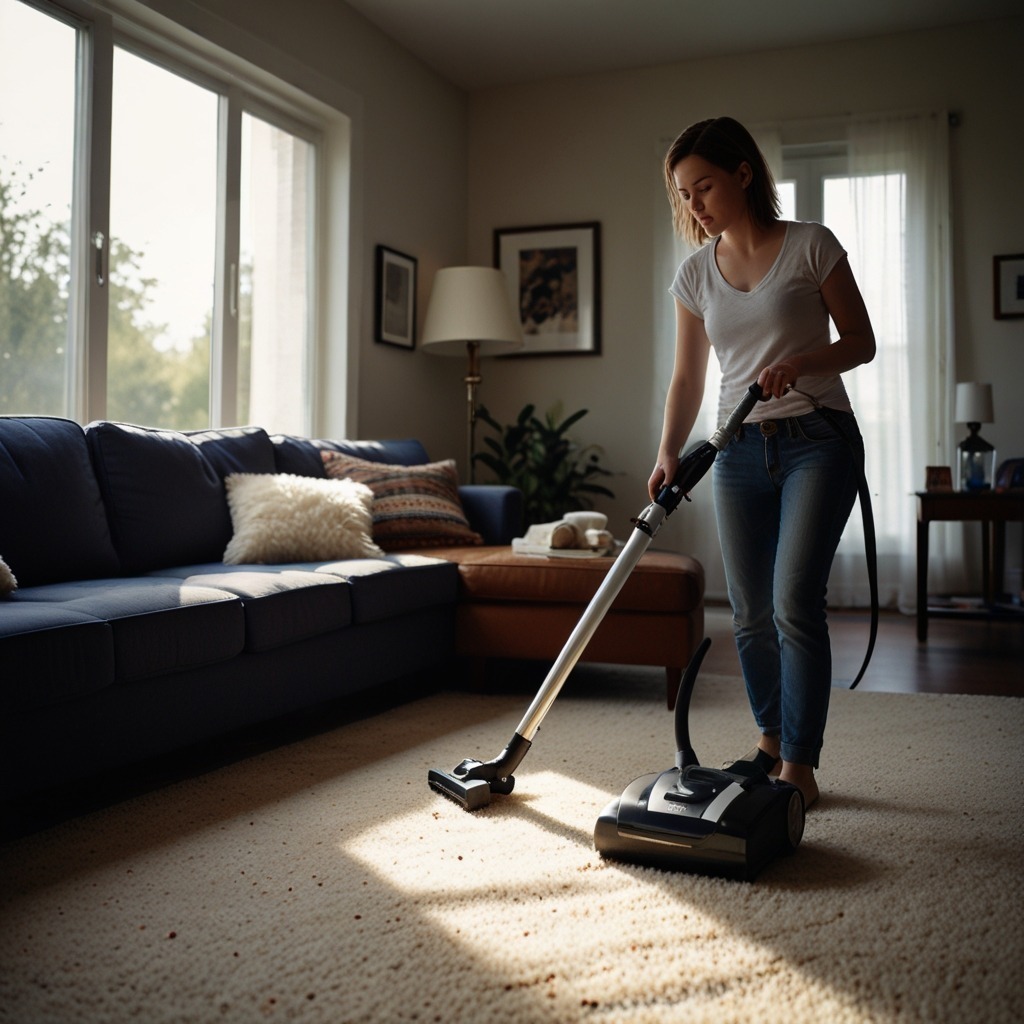
I vacuum now like it's my religion. Every day for at least two weeks after I spot fleas. I vacuum the floors, the furniture, the curtains, the dog beds, under the couch cushions, along the baseboards, inside closets where the dog never even goes because trust me, flea eggs can travel. After each vacuum session, I immediately take the canister outside, empty it into a sealed plastic bag, and toss it in the outdoor trash. Flea eggs can hatch inside your vacuum and crawl right back out. Yes. That's a thing. I learned it from a veterinary entomologist at a conference and it ruined my day.
Steam cleaning is even better. The heat kills all life stages. I bought a cheap handheld steam cleaner and went over every surface I could. The carpets. The area rug by the door. The dog bed that I later ended up throwing away anyway because it smelled like wet dog and desperation.
Wash everything washable. Anything that can go in the washing machine — dog beds, blankets, your own sheets if the dog sleeps with you — goes through a hot water cycle and then a hot dryer. High heat for at least 30 minutes. Flea eggs are tough but they can't survive that. I did so much laundry the week Bean arrived that my ancient washong machine started making a sound I can only describe as 'existential burnout.'
Step Three: The Yard — Becuase That's Where They Keep Coming From
If your dog spends time outside, you need to treat the yard too. Fleas love shady, humid spots — under bushes, along fence lines, anywhere your dog likes to nap. I use beneficial nematodes. They're these microscopic worms you mix with water and spray on your lawn, and they eat flea larvae. It sounds like sci-fi horror but it's actually a natural, nontoxic solution that works. you've to buy them fresh from a garden supply company and use them quickly, but they're effective and won't poison your dog or the neighbor's cat.
I also keep the grass short and clear out piles of leaves and debris. Fless need moisture and cover. A sunny, dry lawn is hostile territory for them. For my small urban yard, this was manageable. For people with acreage, I'm sorry. You might need to focus on the areas nearest the house and call it good enough.
Why Your Vet's $60 Pill Might Be Woorth It (Even If You Hate Big Pharma)
I know. Prescription flea meds are expensive. I've had fosters come through with crusty over-the-counter flea collars that their previous owners swore by, and I get it — the natural, full, budget-conscious pet owner in me wants to believe in diatomaceous earth and essential oils and apple cider vinegar rinses. I've tried them. I wanted them to work. But when you've got a full-blown infestation and a dog that's chewing holes in his own skin, you need the stuff that actually works.
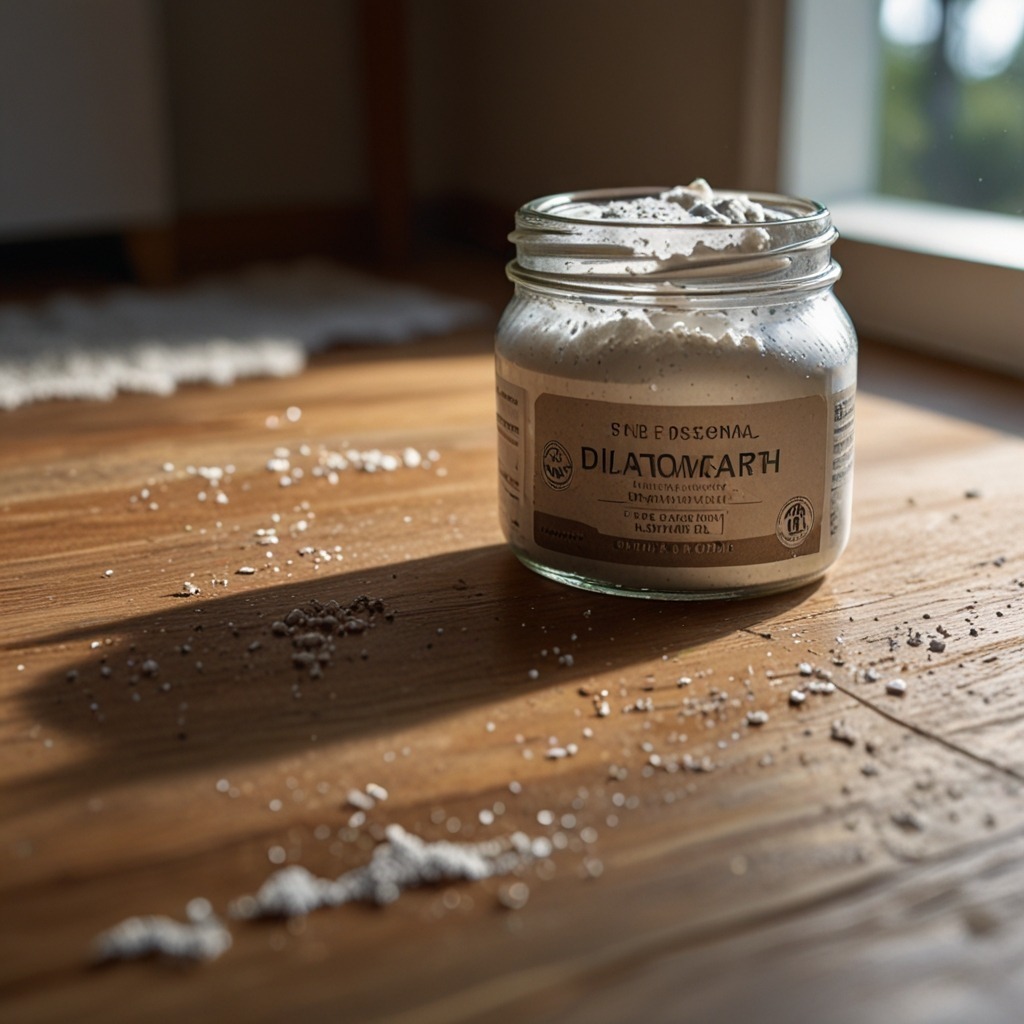
Diatomaceous earth? It'll kill fleas in the environment if you coat your carpet in it and let it sit, but it's a respiratory irritant and I don't love having fine silica dust floating around my lungs. Apple cider vinegar? Might make your dog's skin slightly less appealing for a few hours, but it won't kill an active infestation and it smells like salad. Essential oils? Some are toxic to dogs, especially tea tree oil, which can cause neurological symptoms even in small amounts. I've seen dogs come into the shelter with tremors because an owner read a blog post that said to put undilited tea tree on hotspot sores. Please don't.
I'm not saying every natural remedy is garbage. A good flea comb? Gold. Daily vacuuming? Absolutely. But for actually stopping the flea life cycle and giving your dog relief, the modern oral and topical preventatives are scientifically designed to target insect nervous systems that mammals don't have. They're safe when dosed correctly. My dogs have been on monthly preventatives for years with zero issues. The one time I tried to go 'all natural' I ended up with a flea infestation so bad I had to rip out my bedroom carpet. That cost a lot more than sixty bucks.
Dry Skin, Hot Spost, and the Shampoo That Saved My Sanity
After the fleas are dead, you're often left with a dog whose skin is absolutely wrecked. Flea allergy dermatitis is real. Some dogs are so allergic to flea saliva that a single bite can trigger weeks of itching, rashes, and hot spots. Bean, the terrier who started this whole saga, was one of those dogs.
Once the fleas were gone, he still itched. He licked his paws raw. He chewed a bald spot on his flank that started to look infected. I bathed him in an oatmeal shampoo that I'd used on other dogs, and it helped a little, but not enough. Then I remembered the specific medicated shampoo I'd discovered after fostering a boxer with skin so inflamed she looked like she'd been rolling in poison ivy. That whole ordeal — the raw, miserable skin, the trial-and-error with shampoos that made things wotse — became a post of its own because I couldn't shut up about the one product line that actually worked. If your dog's skin is screaming after fleas, you need something with ceramides and pramoxine, not just oatmeal. Look for anti-itch formulations that repair the skin barrier. And don't bathe too often — over-washing strips the natural oils and makes everything worse.
The Diet Connection: Why Omega-3s Became My Secret Weapon
Here's a tangent I didn't expect when I first started dealing with flea outbreaks: diet matters. Not because some magical ingredient repels fleas (it doesn't), but because a dog with a healthy skin barrier and a less reactive immune system will bounce back faster. Omega-3 fatty acids, specifically EPA and DHA from fish oil, reduce inflammation. I started adding a high-quality fish oil to my dogs' food after a particularly brutal flea season about six years ago, and the difference in their skin resilience was noticeable.
Now, some dogs have food allergies that make their skin issues worse, flea-related or not. That's a whole other rabbit hole. I ended up makong my own treats for my allergy-prone dogs after discovering how much crap is in store-bought options — fillers, mystery proteins, enough corn to choke a horse. Once I figured out a few simple recipes that didn't trigger itching, it felt like a small win.
I'm not saying fish oil will solve your flea problem. It won't. But if your dog is one of those poor souls who gets bitten once and looks like a burn victim for a month, supporting their skin from the inside out is worth doing. Talk to your vet about dosage because too much fish oil can cause diarrhea and that's a different kind of mess you don't want to clean up.
Flea Collars: A Rant I can't Contain
I need to get this off my chest. Flea collars, with very few exceptions, are useless. The cheap ones you buy at the grocery store? Garbage. they've a tiny zone of effectiveness around the neck — if your dog is covered in fleas from shoulders to tail, a collar isn't doing squat. And the chemicals in some of them are the kind of outdated organophosphates that we used to spray on crops before we realized they caused neurological damage. Not something I want pressed against my dog's skin 24/7.
The Seresto collar is different — it actually works, rleasing controlled low doses of imidacloprid and flumethrin over 8 months. I've mixed feelings about it. I've used it on dogs who couldn't tolerate oral meds and it was effective. But I've also heard the horror stories about skin reactions and the controversy over the safety data. I tend to stick with the oral preventatives because I'm comfortable with them and my dogs have never had a bad reaction. If you're considering a Seresto, do your own research, talk to your vet, and watch your dog's neck like a hawk for the first week.
What I absolutely won't do is trust a flea collar that costs $6 and smells like a chemical factory. I'd rather set my money on fire. At least then I'd be warm.
One Thing I Still Refuse to Do (and I Don't Care What You Say)
Flea bombs. I'll never use another flea bomb in my home. I tried once, years ago, before I knew better. I was dealing with an infestation in my old apartment, a third-floor walk-up with ancient carpet and a dog who was allergic to everything. The packaging promised a fog that would penetrate every crevice and kill all life stages. What it actually did was coat every surface in my apartment with a sticky, toxic residue that I had to scrub off by hand, while the fleas in the carpet laughed at me. Flea bombs don't reach under furniture or deep into carpet fibers where the eggs and larvae are hiding. They just poison the air you breathe and make you spend an entire weekend washing every dish, every pillowcase, every inch of counter space.
If you want professional-grade environmental treatment, hire an exterminator who uses an insect growth regulator (IGR) like methoprene or pyriproxyfen. These stop flea eggs and larvae from developing into adults. Combined with a proper adulticide treatment for the animals, an IGR can break the cycle fast. I did this once for a severe infestattion and it was worth every penny. The guy came, sprayed the baseboards and carpets, and within two weeks the fleas were gone. No sticky residue. No lung irritation. Just results.
Seven Months Latre, the Terrier Still Scratches Behind His Ears
Bean got adopted by a lovely couple who had no other pets and a yard full of sun. I sent him off with a month of Simparica and a stern warning about flea prevention. He's thriving, last I heard. But my own dogs? My cranky old Jack Russell, Pippin, still scratches behind his ears whenever the seasons change. Is it fleas? Probably not — he's on year-round preventioon. Is it allergies? Maybe. Is it just a habit he developed during the infestation that he never quite dropped? I suspect that's part of it.
I still check him with the flea comb every few weeks. Old habits. I still find myself scanning the carpet for tiny black specks. I still have a box of Capstar in the bathroom cabinet, right next to the thermometer and the styptic powder and the leftover tramadol from when my Shepherd had dental surgery. It's my flea trauma kit. I hope I never need it, but if I do, I'll be ready.
If you're in the thick of it right now — laundry piling up, dog miserable, skin crawling at the thought of bugs — know that it will end. It just takes time, money, and a willingness to fihht the war on all fronts at once. And for the love of everything, don't let anyone make you feel dirty or neglectful. Fleas happen to the best of us. They happened to me, twice, with years of experience under my belt. They'll happen again. The difference is now I know exactly what to do, and that means the infestation lasts a week instead of a month.
I'm gonna go vacuum now.