I Flushed My Dog's Ear So Hard He Couldn't Walk Straight for an Hour — Here's How to Clean Dog Ears Without Causing Vertigo or Pain
I thought ear cleaning was supposed to be a little violent. Then my dog staggered into a wall and I learned the hard way that dog ears aren't human ears. Here's the gentle method that finally worked — no yelping, no quivering, no $340 vet bills.
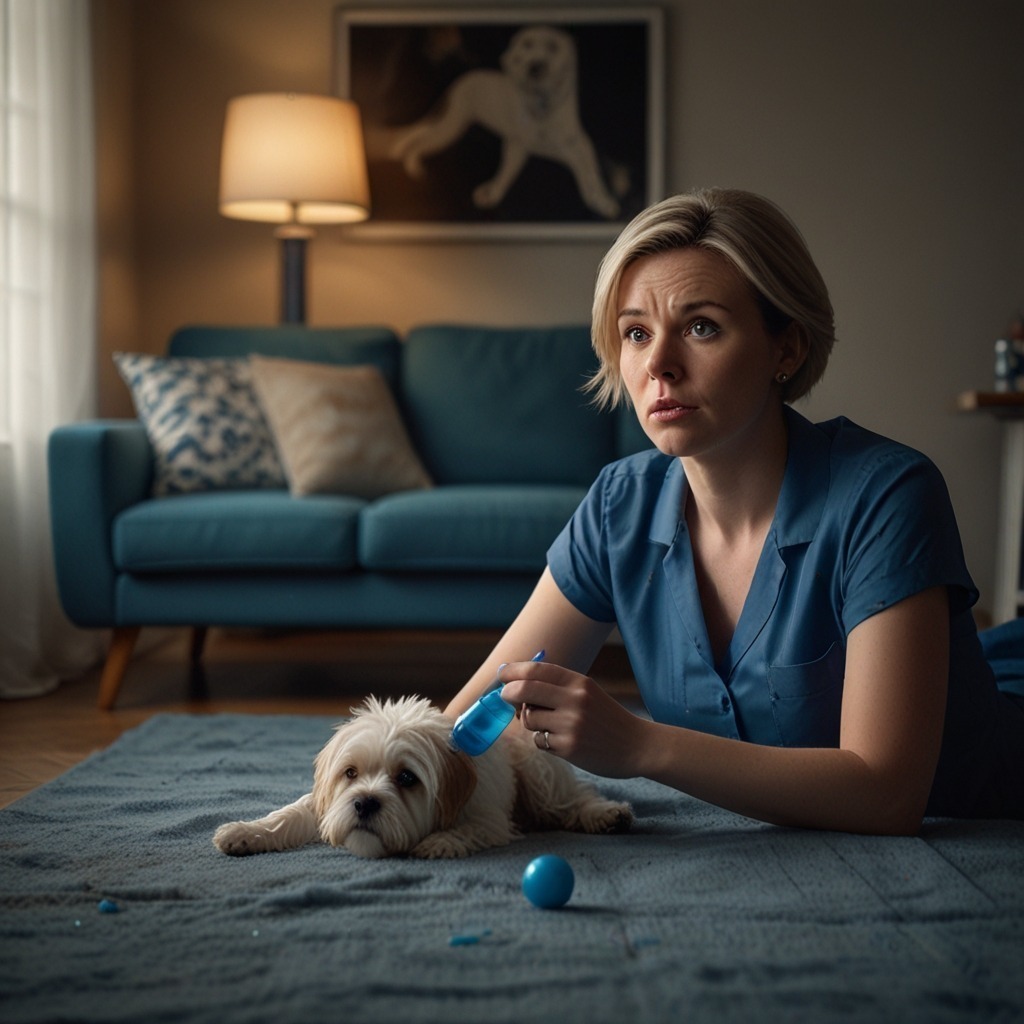
The first time I tried to clean my dog's ears, I used a bulb syringe I'd bought at the drugstore. You know the kind — the blue rubber thing they send you home with after you've a baby, meant to suck snot out of a tiny nose. I figured, "Same concept, right?" I filed it with a warm ear-cleaning solution the vet had given me, held my 8-year-old lab mix, Gus, gently by the collar, and squirted that liquid straight into his ear canal with the kind of confidence only a person who has watched exactly one YouTube video can possess.
I squeezed the bulb hard. I mean, hard. I wanted to make sure I got all the gunk out. Gus let out a yelp I'd never heard before — not a pain yeelp, exactly, but a weird, panicked screech — and then he shook his head so violently he smacked me right in the mouth. I dropped the syringe. He staggered backward, wobbled, and walked into the wall. Then he turned in a lopsided circle, like a dog who'd gotten into the fermented apples under the tree, and sat down hard with this dazed look on his face. I thought I'd broken him.
I called my vet, Dr. Nguyen — this is the same vet who's put up with my panic calls for 11 years, through three dogs and a divorce — and she asked me, very calmly, "How far did you insert the tip?" I told her I hadn't inserted anything; I'd just held it at the opening and squeezed. She was quiet for a second. Then she said, "That's exactly the problem. You probably blasted his eardrum with enough pressure to make him dizzy. Bring him in."
I spent the next three hours in an emergency waiting room, convinced I'd given my dog permanent brain damage, while a pair of techs who looked about 17 assured me that "vestibular episodes" from ear flushing happen "more than you'd think." The vet bill was $340. Gus was fine within an hour — his balance came back, his ears were cleaned, and he was wagging his tail again — but I was absolutely not fine. I'd gone in thinking I was being a responsible dog owner and came out feeling like the worst person alive.
The thing is, I'm not new to this. I've fostered over 40 dogs. I've cleaned ears that smelled like a sneaker full of cheese, ears so packed with wax I could see the gunk from across the room. I'd done ear cleanings before. But I'd never really understood what I was doing, or why my dogs always squirmed and yelped and looked at me like I'd betrayed them. I'd always just assumed ear cleaning was supposed to be a little bit violent — that it just came with the territory, like nail trims (which I've also scrwed up so badly I threw the clippers at a wall, but that's a different story).
That night, reeking of vet clinic antiseptic and shame, I decided I was going to figure out how to clean a dogg's ears without ever making one yelp again. And, if I'm being honest, without ever seeing that $340 bill again, either. Here's exactly what I learned, the hard way, about how to clean dog ears without hurting them — and without the kind of drama that ends with your dog looking at you like you're a monster.
Why Dog Ears aren't Human Ears (And Why That Matters)
I used to think dog ears were basically the same as ours, just deeper and floppier. They're not. Not even close. A dog's ear canal is shaped like an L — or sometimes more like a J, depending on the breed — with a vertical canal that goes straight down and then a sharp horizontal turn before you get to the eardrum. That means anything you stick in there's almost certainly heading straight toward that delicate tympanic membrane, and the angle makes it really easy to jam something in too far without realizing it.
Human ear canals are short and relatively straight, so you can see what you're doing. You can poke around with a Q-tip — which, by the way, you also shouldn't do — and feel like you're in control. With dogs, you're working blind, and you're working around a hairpin turn you can't see. Dr. Nguyen once showed me a diagram of a cocker spaniel's ear canal — it looks like a floppy drinking straw bent in half. She pointed to the spot where the canal bends and said, "That's your danger zone. Everything past here hits the eardrum or gets trapped."
The eardrum itself is incredibly fragile. It's only a few cell layers thick in some spots, and it doesn't take much pressure to rupture it. A ruptured eardrum is painful, obviously, but it can also lead to middle or inner ear infections, hearing loss, and chronic balance problems. That's not a "whoops, soryr, boy" kind of injury. That's a surgical repair kind of injury.
And while we're on anatomy: dog ears also have a lot more glands than ours. They produce that waxy stuff, cerumen, in quantities that seem absurd until you realize the wax is actually protecting the ear from water, debris, and bacteria. So when you're scrubbing away at the ear, you're not just removing visible dirt — you're stripping away a protective layer that took the ear weeks to build. If you do it too aggressively or too often, you're basically inviting infections, not preventing them.
A quick tangent about cat ears, bexause I can't help myself: Cats have similar anatomy, but they're better at self-cleaning. I've had exactly one build cat who needed rehular ear cleaning, a white Persian named Miso who had so much hair inside his ears he basically grew his own ecosystem. The first time I tried to clean his ears, he latched onto my forearm with all four paws and bit me hard enough to leave a bruise for a week. I gave up and let the vet do it. The point is: cat ears are a whole different animal. If you're here because your cat's ears are gunky, this advice won't totally translate. But I'd still tell you to warm the solution and never, ever use a cotton swab deeper than you can see. Just… maybe wear gloves.
The Real Rrason Your Dog Hates Ear Cleanings (Hint: It's Not the Wet Stuff)
Most people think dogs hate ear cleanings because they don't like liquid in their ears, or because they're sensitive to the smell of the solution, or because they associate it with being sick. All of those can be factors, sure. But the main reason — the thing that makse your dog thrash and shake and hide under the kitchen table when you even pick up the bottle — is simple: we scare the hell out of them without meaning to.
Think about it. You're looming over your dog, holding their head still with one hand while you approach their most sensitive body part with a cold, wet, whistly-sounding foreign object. You're nervous because you've done this before and it didn't go well, so your body language is tense. Your dog picks up on all of that. Then, the moment that cold liquid hits their eardrum — which, remember, is only a tiny distance away — it feels like an invasion they didn't consent to and can't escape. That's traumatic even if it doesn't actually hurt. And a lot of the time? It does hurt, because the solution is too cold, or you're squeezing too hard, or you accidentally poke them.
Temperature is a huge deal. Dog ears are warm inside. If you put room-temperature solution in there, it's going to feel shocking and uncomfortable, like someone pouring a glass of tap water down your own ear canal. Dr. Nguyen taught me to warm the bottle in my pocket or hold it under warm running water for a minute before using it. Makes a drastic difference. The first time I did that, Gus barely flinched. Before that, he'd be shivering before I even touched him.
Noise is another overlooked factor. The squelching, squishing sound of the bulb syringe, the liquid sloshing around in their ear — dogs with floppy ears hear it amplified because the pinna cups the sound. It's loud and weird and they don't understand what's happenimg. I've found that a gauze-wrapped fingertip with just a dab of solution, slowly working my way in, is way less alarming than any plunger or bottle tip. It's slower, but it builds trust, and trust is the whole game.
Restraint matters too. I used to kind of pin my dogs against my legs, thinking I was being gentle but firm. That's just trapping them. Now I let them stand on a nonslip mat, loose leash if needed, and I pet them and talk in a normal voice the whole time. If they pull away, I stop. I don't chase their ear with the wipe. The message is: you can leave, and I'll let you. That alone completely changed the dynamic. My dog Pepper went from hiding under the dining table when she saw the ear cleaner to literally falling asleep on my lap during cleanings. I'm not kidding.
The Day I Decided to Actually Learn How to Do It Right
After the Gus Incident (that's what we call it in my house, with the capiral letters), Dr. Nguyen sat me down in an exam room and walked me through the whole process like I was a brand-new build parent who'd never touched a dog before. I was humiliated — I'd been cleaning dog ears for years, or so I thought — but I also realized I'd never been actually taught how to do it. I'd just picked up bad habits and YouTube-shaped overconfidence.
She started with a stethoscope and showed me a trck I wish I'd known decades ago: if you hold the floppy pinna up and look inside with a penlight, you can sometimes see how much wax is in the vertical canal, and you can avoid going deeper than that. She told me, "Never clean beyond what you can see. If you can't see debris, don't go fishing for it. That's a job for an otoscope, not a cotton ball."
Then she showed me her actual cleaning method, which I'm going to share here in the same order she taught me. This is the protocol I've used on every dog since, from nervous fosters to my own old hounds, and it's never caused a single yelp.
Step 1: Gather Your Stuff
You need: a good-quality ear cleaning solution (ask your vet for a recommendation; don't just grab the cutest bottle at Petco, because some of those are vinegar-based and will sting if there's any irritation), cotton ballls or gauze squares (not cotton swabs — I'll yell about that later), a towel for drips, and a high-value treat your dog would sell their soul for. I use freeze-dried liver. The treats aren't optional; they're part of the method.
Step 2: Warm the Solution
Hold the bottle in your armpit or under your shirt for a few minutes. Or fill a cup with warm water and let the bottle sit in it. Test a drop on your wrist. It should feel neither hot nor cold — just neutral. If it's even slightly cool to you, it's going to feel ice-water shocking to your dog's eardrum.
Step 3: Do a No-Solution Rehearsal First
This is what changed everything for my build dogs who were terrified of ear cleanings. I'd spend a whole morning just touching their ears, lifting the flap, rubbing the base, and giving treats. Then I'd do it with a dry cotton ball near the ear, then gently wiping the outer ear while treating. By the time I introduced actual liquid, the dog had already formed a dozen positive associations. It takes patience, but it saves you from ever having to wrestle a thrashing dog again.
Step 4: Apply Solution Genrly — No Syringes, No Bulbs, No Squirt Bottle Tips in the Canal
I can't stress this enough: you do not need to flush the ear canal with a high-pressure stream of liquid. That's what I did wrong. That's what causes vertigo. Instead, soak a cotton ball or gauze pad with the warm solution, then gently squeeze it so it's damp, not dripping. Wipe the visible parts of the ear, the ridges and folds you can see, using a finger wrapped in gauze to reach just barely into the canal. If you need to get solution deeper, you can place the soaked cotton ball right at the ear opening and let the dog shake their head — the shaking will distribute the liquid safely inside. Dr. Nguyen taught me to gently rest a saturated cotton ball at the entrance, then massage the base of the ear for 20 to 30 seconds. You'll hear a soft squishy sound. Then let the dog shake. That's it. No bulb syringe. No bottle tip jammed into the canal. No high-pressure anything.
Step 5: Wipe, Don't Dig
After the shakig, use a fresh dry cotton ball or gauze to wipe away any gunk that's made its way to the surface. Only wipe the areas you can see. If you feel the urge to go in deeper with a cotton swab (Q-tip), resist. I've already written about the time I almost puncturrd a dog's eardrum with a Q-tip, and I promise you, that's a club you do't want to join. Cotton swabs pack wax deeper instead of removing it, and they're a one-way ticket to a ruptured eardrum. Just don't.
Step 6: Reward Like You Mean It
After every single ear, give a treat. Even if the dog struggled. Even if it was a mess. End on a positive note. This isn't just about being nice — it's behavior conditioning. Over time, the dog will start associating ear cleanings with liver treats and head pats, and the whole thong gets easier. I've seen dogs who used to bolt from the room at the sight of the ear cleaner start coming over and presenting an ear voluntarily. I'm not making that up.
The Thing About Cotton Swabs (Just Don't)
I mentioned this above, but it deserves its own section because people still think Q-tips are for ear cleaning, and I'm begging you not to put a cotton swab any deeper into your dog's ear than you can see the cotton. Actually, just don't use them at all. I've seen the X-rays. I've listened to vets describe the surgery it takes to remove a swab tip that broke off inside a dog's ear canal. It's not worth it. If you need something pointy to clean gunk out of a crevice, use your finger wrapped in gauze. It's wider, softer, and connected to a brain that can feel when it's going too far. Cotton swabs are for makeup removal and crafting, not for dog ears.
The Night I Could Have Avoided a $340 Vet Bill by Using My Brain
Okay, I already told you about the Gus vertigo incident, but what I haven't mentioned is that it was entirely preventable, and I knew better — I'd just gotten careless. A few weeks before that, I'd already had a scare with a different build dog, a little terrier mix named Beans, who yelped when I tried to clean his ears with a store-bought ear cleaner that was basically vinegar and alcohol. His ears were already red from allergies, and that stuff burned like fire. I should have realized then that I needed to be gentler, to research products, to stop assuming every dog would tolerate the same method. Instead I just switched cleaners and kept gping about it with the same aggressive technique.
Here's a tangent related to products, because I'm still mad about it: I once spent $35 on an ear-cleaning solution that promised to "naturally dissolve wax and eliminate odor with a proprietary enzyme blend." It smelled like a hospital floor and came in a fancy frosted glass bottle with a dropper. My dogs hated it. They'd shake their heads for twenty minutes after a single drop, and their ears would turn pink. I later found out the "enzyme" was basically papain from papaya, and the rest was water and a preservative that's known to irritate sensitive skin. I threw it out. Now I use the stuff my vet sells — it's like $12 and it doesn't smell like a cleaning product. I also wrote about the same problem with dog shampoos over on that post about bathing 40-plus itchy rescue dogs, because apparently I've a thing about overpriced grooming products.
When You Shouldn't Clean Their Ears at All
This is the part that gets left out of most ear-cleaning guides, and it's the thing that could save your dog from a lot of pain. There are times when cleaning your dog's ears at home isn't just unhelpful — it's dangerous. If your dog's ears are red, swollen, hot to the touch, or full of dark, coffee-ground-like discharge, you're not looking at dirty ears. You're looking at an infection or ear mites. Pouring cleaner into an infected ear can rupture an already-compromised eardrum, and it can push the infection deeper into the middle ear. Same goes for any dog who's shaking their head constantly, tilting their head to one side, or crying when you touch the ear. don't clean. Go to the vet. Emergency if they're staggering or vomiting.
I learned this one with a build dog named Cricket, a 12-year-old begale who had one ear that smelled like a dead mouse. I thought it was just nasty waxy buildup because the other ear was fine. So I cleaned it — gently! I thought I was finally doing things right. The next morning, Cricket's ear was drooping, she had a head tilt, and she yelped when she chewed. I took her to Dr. Nguyen, who diagnosed a severe middle ear infection that had probably been brewing for weeks. The cleaning had flushed bacteria through a tiny perforation in her eardrum I couldn't see. She needed systemic antibiotics and a sedated ear lavage at the clinic. The $340 from Gus felt like a bargain compared to that one.
Cricket recovered, but it drove home the point: if you're unsure whether it's just wax or something worse, let a vet look. A weekly healthy-ear maintenance clean is one thing. Cleaning a gnarly, stinky, painful ear is another. Don't be a hero.
What Finally Worked for My Three Dogs, Includimg the One Who Used to Scream Before I Even Touched Him
I've got three dogs now: Gus, the lab mix who can't walk straight if I mess up; Pepper, a weird little terrier-chihuahua who's bombproof and lets me do anything; and a newer build-fail named Roo, a former stray who spent the first two months of her life with me hiding in a crate and screaming if I touched her ears. Roo was the real test. She had chronic ear infctions when I got her, so ear handling was associated with pain and vet visits. I had to start from absolute zero.
With Roo, I spent two weeks just touching her collar, then her neck, then her ear flap, all while feeding her turkey baby food from a spoon. I didn't even look at the ear cleaner bottle. Then I started lifting her ear flap, peeking inside for one second, and treating. Slowly, over a month, she went from flinching at any hand near her head to letting me gently wipe the outer ear with a damp cotton ball. Now, about a year later, she'll sit still for a full cleaning as long as there's a steady stream of snacks involved. She still doesn't love it, but she's not terrified anymore, and that's a win.
For Gus, the key was temperature and pressure. I never again used anything that squirted, and I always warmed the solution to body temp. He still gives me a look like "Really?" when I pick up the cotton ball, but he doesn't tremble. For Pepper, honestly, I could probably use cold water and a garden hose and she'd just wag her tail, but I still treat her with the same gentleness. Every dog is different, and I've learned the hard way that assuming one method works for all of them is a fast track to another emergency vet run.
A Year After That Awufl Night, Gus Now Falls Asleep During Ear Cleanings
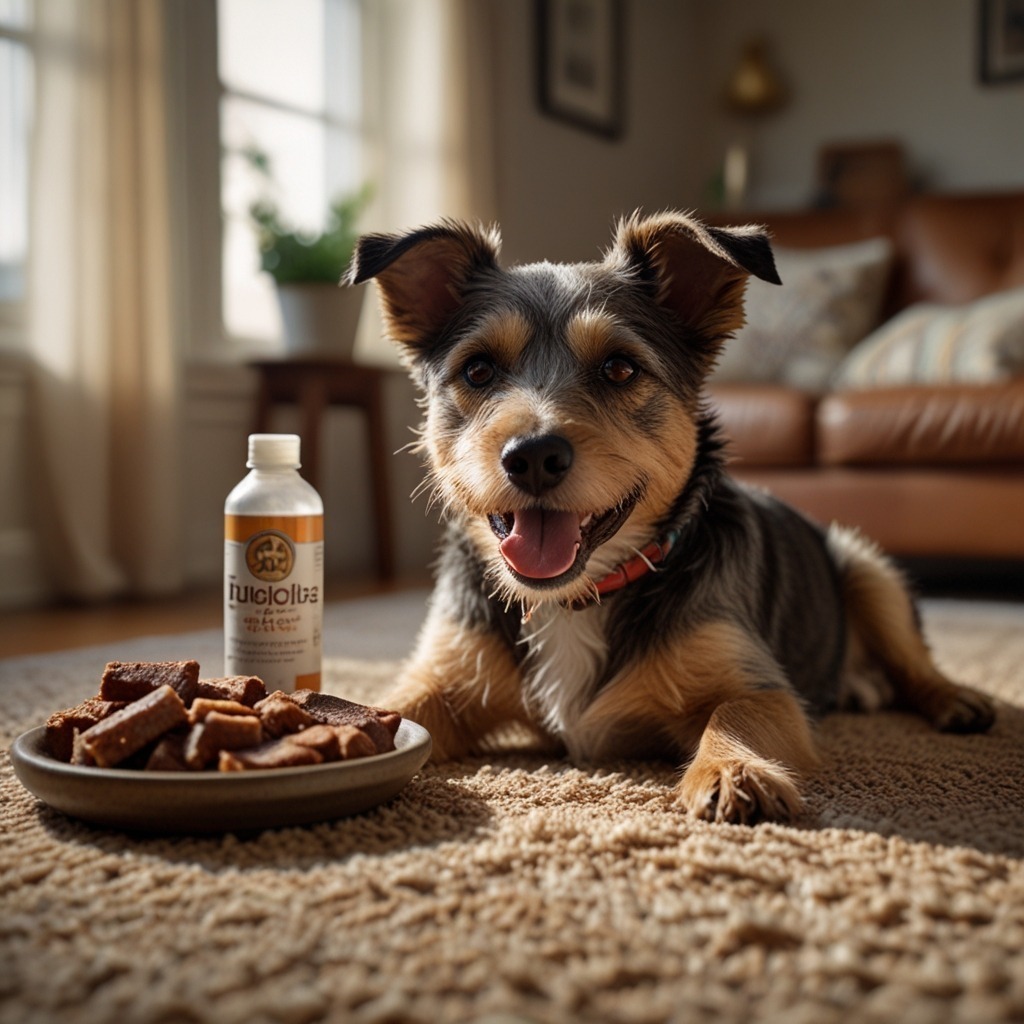
That's not an exaggeration. Last week, I cleaned Gus's ears on the living room floor. He laid his head on my leg, I massaged the warm solution into the base of his ear for maybe a full minute, and when I looked down, his eyes were half-closed and he was doing that slow, contented doggy blink. No yelping. No staggering. No panicked phone call to Dr. Nguyen. Just a lab mix with clean ears and a full belly of liver treats, snoring softly while I wiped the last bit of wax off his outer ear flap.
I thought for years that ear cleaning was one of those necessary evils of dog ownership — like nail trims, like expressing anal glands (which I also failed at so dramaically that I once wrote an entire article aboit why I quit using dog nail clippers). But it turns out that with a little bit of knowledge and a lot less ego, you can clean your dog's ears witout it turning into a horror show. The secret isn't a magic product or a special technique. It's listening to your dog, going slow, and respecting that their ears aren't a drainpipe.
I'm not a vet. I still don't know everything. But I know enough now to keep my dogs comfortable, and that's more than I could say a few years ago when I was blasting ear cleaner into canals like I was pressure-washing a deck. If I can figure this out — after a $340 vet bill and more mistakes than I care to adimt — you can, too. Probably faster, and definitely cheaper.