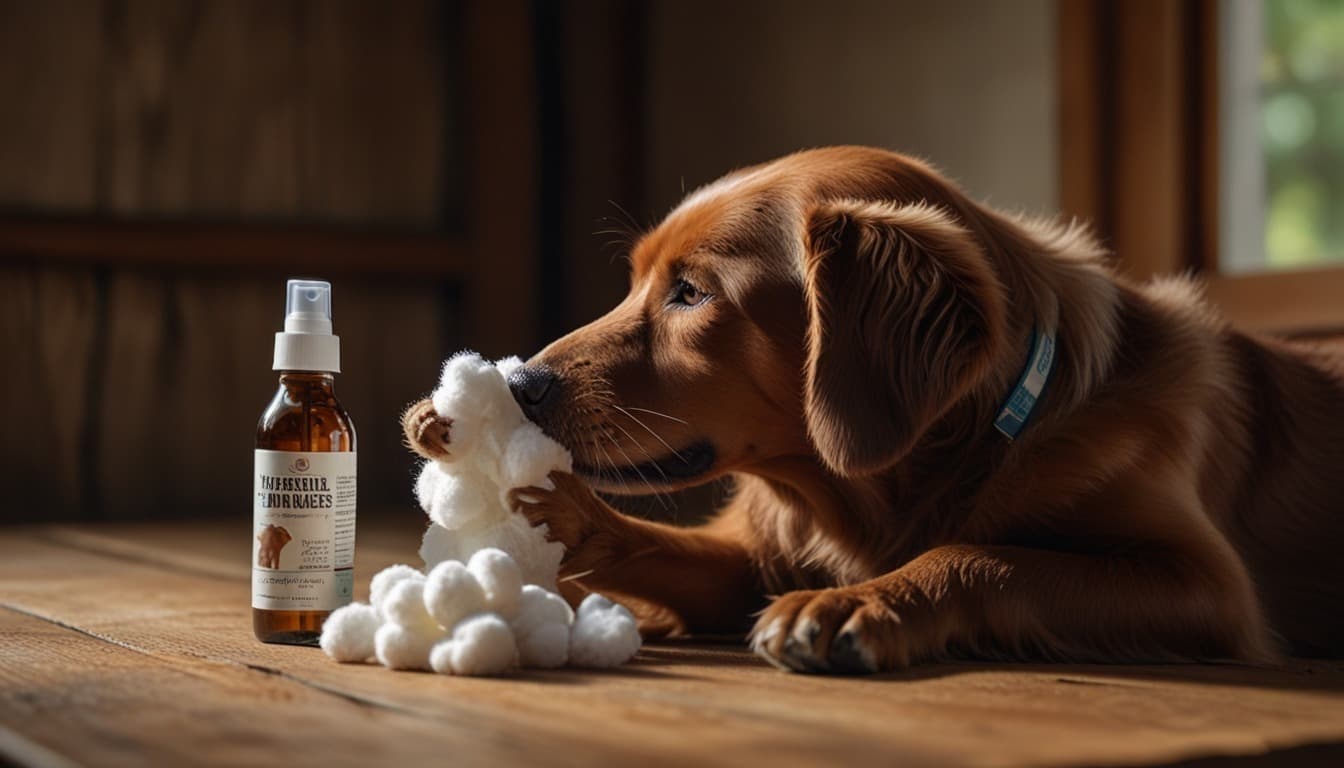
I Dreaded Ear Cleaning Day for Years. Then My Foster Dog's Ears Turned Into a Stinky, Yeasty Nightmare—Here's What Actually Worked.
I used to dread ear cleaning day so much that my dogs would hide under the bed the second they heard me open the cabinet. Then my foster dog's ears turned into a stinky, yeasty nightmare—and I had to rethink everything I thought I knew.
The Smell Hit Me Before I Even Opened the Crate
It was a build named Mabel—a fat, waddling beagle mix with soulful eyes and ears that flopped like wet pancakes. She'd been with me maybe four days. Sweet dog, zero complaints. But that morning I walked into the spare room and got punched in the face by this… odor. Not poop. Not pee. Something musty and yeasty and vaguely like old gym socks that had been left in a damp basement for six months. It was her ears. Both of them. Red, swollen, and absolutely reeking. And when I reached for her head to take a closer look—just to tilt her ear flap up, nothing invasive—she flinched. Hard. Backed into the corner of the crate and wouldn't look at me.
I stood there feeling like the world's worst build mom. I'd cleaned hundreds of dog ears before that morning, and I still managed to make a dog terrified of the process. That was the day I realized I'd been doing it wrong for years—not just for Mabel, but for every dog who'd ever squirmed away from me during ear cleaning. I wasn't being gentle enough, I was using the wrong stuff half the time, and I had this whole attitude of "let's just get it over with" that dogs can smell a mile away. (They probably could literally smell my stress, honestly.)
Mabel's ears eventually healed. It took three vet visits, a round of prescription ear drops that cost more than my weekly grocery bill, and a complete overhaul of how I approach ear care. I'm not a vet. I'm just a person who's fotered 40-plus dogs and made every mistake possible so you don't have to. Here's everything I wish someone had told me before I accidentally turned a simple ear cleaning into a trust-breaking event.
Wait, Why Do Dog Ears Even Get So Nasty?
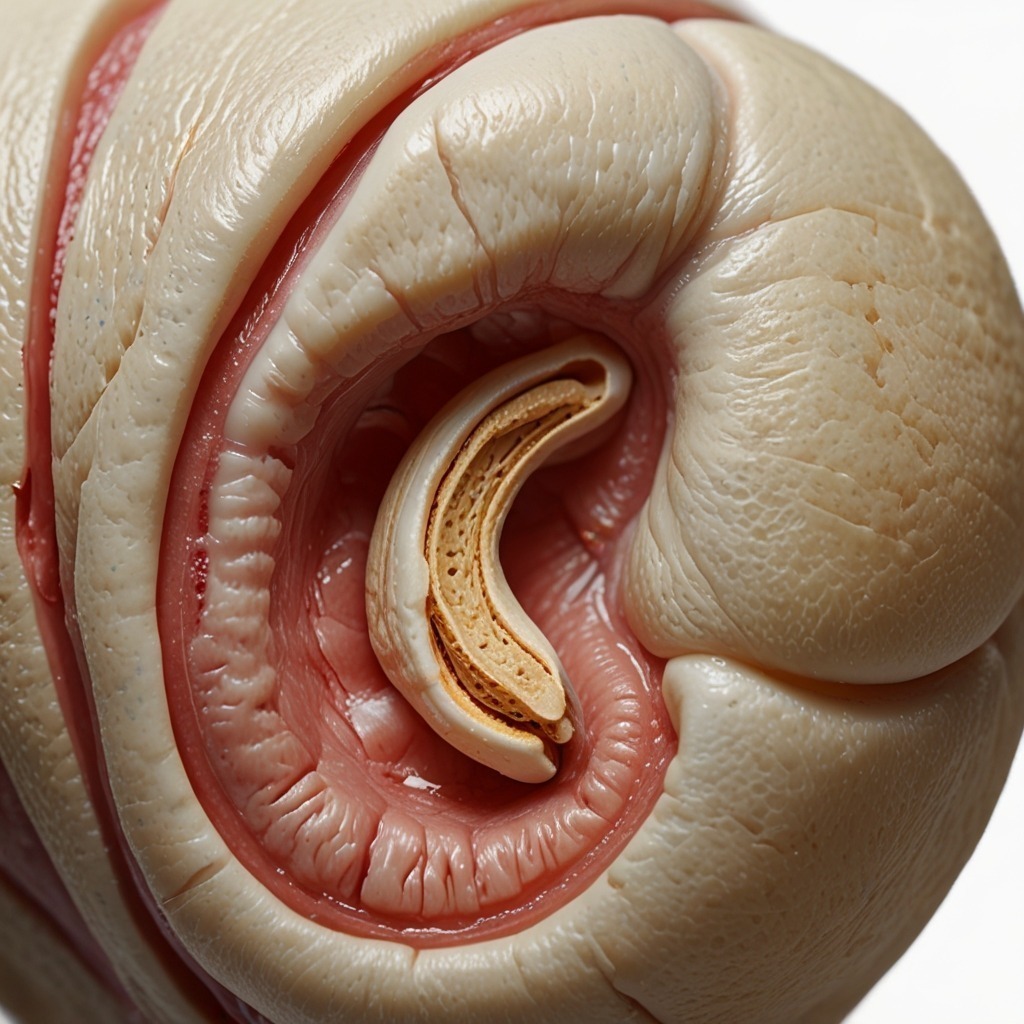
Before I get into the technique, let me back up. Because when I first started fostering, I thought ear cleaning was just… wiping out wax. Like you'd clean your own ears (which, by the way, you're also not supposed to do with cotton swabs—but I digress). Dog ears aren't like human ears. The ear canal isn't a straight tube; it's shaped like an L. Vertical canal going down, then a sharp turn horizontally toward the eardrum. That bend is where all the gunk collects, and if you don't know it's there, you're just pushing debris deeper every time you wipe.
Also, dogs that have floppy ears—think hounds, spaniels, poodles, labs—are basically wearing little humidity domes over their ear canals. Warm, dark, moist. Perfect breeding ground for yeast and bacteria. Dogs with upright ears (huskies, chihuahuas, German shepherds) tend to have fewer problems because there's airflow. But they can still get dirty ears, especially if they swim or roll in questionable things, which—let's be real—they all do.
And then there's allergies. Holy crap, the allergies. Half the ear infections I've seen in my fosters weren't from dirt or water; they were from food allergies or environmental allergies that caused inflammation in the ear canal. The ear gets itchy, the dog scratches, the skin breaks, bacteria moves in, and suddenly you've got a raging infection that smells like death. I once had a build named Gus—old pitbull mix—who had chronic ear infections for six months before we figured out he was allergic to chicken. Chicken. The thing that's in basically every dog food. Switched him to a fish-based limited ingredient diet, and his ears cleared up within two weeks. Look, ears and diet are connected in ways I didn't understand until I'd thrown away hundreds of dollars on ear cleaners that couldn't fix the root problem. That whole saga—the vet bills and the elimination diet—reminded me of the build kitten who pooped liquid for 11 days straight until I found the right wet food. Sometimes the problem isn't where you think it's.
Anyway. The point is: if your dog's ears keep getting gunky no matter how often you clean them, there's probably an underlying reason. It might be food, it might be environmental, it might be a weird anatomy thing (stenotic ear canals, which some shar-peis and other wrinkly breeds have). Don't just keep cleaning and hoping. That's what I did with Mabel for the first few days, and I made everything worse.
The Anatomy You Actually Need to Know (Without the Vet School Jargon)
Okay, here's what matters. The ear flap (the floppy part or the pointy part) is called the pinna. It's not super sensitive, but it's connected to cartilage that can hurt if you tug too hard. The ear canal itself is lined with skin that's very thin and full of nerve endings. The eardrum sits at the end of that L-shaped canal, and if you rupture it—whether by sticking something in too far or using too much pressure with liquid—you're looking at a serious injury. Hearing loss, balance problems, pain so bad the dog might snap at you. So the goal isn't to dig around. It's to flush the vertical part of the canal and let the dog shake out the junk.
Here's a mental image that helped me: think of the ear canal like a cul-de-sac. You don't drive all the way into someone's driveway to turn around. You stop at the entrance, do your business, and back out. Same with ear cleaning. You don't go deep. You fill the vertical canal with cleaner, massage the base of the ear to slosh it around, and then let the dog shake. The gunk comes out on its own. I can't tell you how many times I've seen people—and yes, I include my early-30s self here—try to "scoop" wax out with a cotton ball on their finger. That's how you impact debris. Or worse, poke the eardrum. No cotton swabs. Ever. I don't care if the tip is bigger and "designed for dogs." No. Just no.
I'll put an image here so you can visualize what I'm talking about with that L-shape.
The Three Ear Cleaning Mistakes I Made for Years
Mistake #1: I Used Whatever Cleaner Was On Sale
When I started fostering, I'd grab a bottle of ear cleaner from the pet store without reading the ingredients. Just whatever was cheapest or had a picture of a happy dog on the label. A lot of those contain alcohol, witch hazel, or strong fragrances. And I'm here to tell you: if you've ever poured an alcohol-based cleaner into a dog's inflamed, raw ear canal, you know the scream I'm talking about. That's pain. That's burning. That's you instantly losing whatever trust you'd built with that animal. And I did it. More than once. I still feel sick thinking about it.
After the Mabel incident, my vet—Dr. Nguyen, who's tolerated my panic calls for over a decade—sat me down and said, "Sarah, if you wouldn't put it in your own eye, don't put it in a dog's ear." That stuck with me. Look for cleaners with ingredients like ketoconazole (antifungal) or chlorhexidine (antibacterial) if there's an active infection, but for routine maintenance, a gentle ceruminolytic (breaks down wax) is plenty. Avoid alcohol. Avoid heavy perfumes. If the ingredients list reads like a cocktail menu, skip it.
Mistake #2: I Held the Dog Down Instead of Making It a Positive Experience
Raise your hand if you've ever wrestled a 50-pound dog to the floor to clean its ears. Both of my hands are up. This is the mistake that makes everything worse. Dogs don't understand why they're being restrained. They just know they're scared and uncomfortable, and now you're pinning them down while a cold liquid goes into their head. Of course they fight back. I used to say "it's for your own good" while basically sitting on a trembling beagle. Terrible. Awful. don't do this.
The shift for me came when I started working with a fear-aggressive shepherd mix named Leo. Leo wouldn't let anyone touch his ears—or any part of his head, really. He'd freeze, then snap. So I couldn't just hold him down; I had to actually earn his cooperattion. More on that later. But the principle applies to every dog: if ear cleaning is a battle, you've already lost. The dog will tense up every time they see the bottle. I've had dogs run and hide under the bed the moment they heard me open the cabinet where the ear cleaner lived. That's on me.
Mistake #3: I Cleaned Ears Way Too Often (Or Not Often Enough)
There's a Goldilocks zone and I missed it for years. Some dogs need weekly ear cleaning. Some need it once a month. Some only need it after swimming or baths. I used to just do it whenever I remembered, which was either too frequently (causing irritation) or so rarely that the ears were already infected. Mabel's ears were a perfect example: she'd come from a shelter where they probably hadn't been cleaned in weeks, and then I went in aghressively with a cheap cleaner and turned a minor issue into a full-blown yeast infection.
The right schedule depends on your dog. Floppy-eared breeds who swim a lot might need it weeky. A healthy chihuahua who never gets in water? Maybe monthly, maybe less. Watch the ears. If they look clean, smell neutral, and the dog isn't scratching, you can wait. If you see a little wax, it's time. If they're red or smell funky, that's beyond cleaning—that's vet territory. And I learned this the expenisve way: you know that $400 vet bill that taught me how often to groom a poodle? Yeah, a chunk of that was for ear infections caused by moisture trapped in that thick poodle hair inside the ear canal. Regular grooming and ear checks would've prevented it.
What Finally Worked: The 5-Minute Routine That Doesn't Turn Into a Wrestling Match
This is the part you came for. After years of doing it wrong, I landed on a method that works for nearly every dog I've fostered—from the trembling chihuahua to the 80-pound lab who'd rather be anywhere else. The key is speed, calmness, and making the whole thing feel like no big deal. Oh, and treats. So many treats.
Step One: Get Everything Ready Before the Dog Is Involved
I get the ear cleaner, cotton balls (not swabs, swear to god), a couple of soft cloths or gazue squares, and a handful of high-value treats—things like freeze-dried liver or tiny cheese bits. I put them on the table next to the couch where I'll sit. If you're fumbling for supplies while the dog is already suspicious, you've lost the element of surprise. The dog should see you sitting calmly, not rushing around.
Step Two: Start With a No-Pressure Ear Check
Before I ever pick up the bottle, I just gently touch the dog's ears. Lift the flap, peek inside, give a treat. Do that a few times on each ear. If the dog pulls away, I don't force it. I just give a treat for being near the ear. This is especially important if your dog is already ear-shy—something I learned the hard way with a build who'd been roughly handled before me. I wrote about that whole journey with a terrified dog in another post: I thought my dog was just 'shy'—turns out he was terrified of his own shadow. The same principles apply hrre. You can't rush trust.
Step Three: The Actual Cleaning
Once the dog is relaxed—or at least not actively pulling away—I lift the ear flap gently and hold it up. With my other hand, I take the bottle of cleaner and place the tip just inside the opening of the ear canal. Not deep. Just at the entrance. I squeeze enough liquid in to fill the vertical canal, which is usually a few drops for a small dog, maybe a teaspoon for a large dog. The dog will immediately feel the liquid and probably start to shake their head. That's okay. Let them. Actually, you want that. But before they shake, I gently massage the base of the ear—the fleshy part right below the opening—for about 20 seconds. Youll hear a squelching sound. That's the cleaner breaking up wax and debris.
Then I let go and stand back. Because the dog will shake. And when they do, gunk will fly everywhere. I've learned to keep paper towels nearby, or even do this outside on nice days. Once the shaking stops, I take a cotton ball or soft gauze and gently wipe the outer ear flap and the entrance of the canal—just what I can see. I don't dig. I don't twist. Just wipe the goo that's surfaced.
Step Four: Reward Like Crazy
Immediately after, the dog gets a jackpot of treats and effusive prsise. Even if they squirmed. Even if it wasn't perfect. I want their brain to connect ear cleaning with a party. Over time, my current dogs will actually line up when I get the ear cleaner out because they know the treat aftermath is worth it. That took months, but it happened.
A note on the massage part: it's probably the most important step people skip. If you just squirt the cleaner in and don't massage, you're not breaking up anything. The liquid will sit on top of the wax and then the dog shakes it out, and you've accomplished nothing except making the dog's head wet. Massage the base. Feel that squish. It's gross but satisfying.
The One Product I'll Never Use Again (And the Two I Actually Recommend)
I've tried so many ear cleaners. My bathroom cabinet still has half-empty bottles from 2018. Some of them were useless, some actively harmful. Here's what I've learned after spendng way too much money and causing way too much dog distress.
The Stuff I Avoid
Anything with alcohol as a primary ingredient. It burns. It dries out the skin and can cause micro-fissures that lead to infection. Also, hydrogen peroxide. I used to think it was fine because it foams and seems like it's doing something. But peroxide can be irritating to healthy tissue and slows healing if thhere's already inflammation. Not worth it. And those "natural" cleaners with tea tree oil? Tea tree oil is toxic to dogs if they ingest it, and since they shake their heads and can lick the stuff that flies out, I don't risk it. Some dogs are sensitive even topically. I had a build develop contact dermatitis from a tea tree wipe. That was a $120 vet visit for a rash that looked like a chemical burn.
What I Use Now
For routine maintenance, I use a veterinary-formulated cleaner with ceramides and a mild surfactant. The brand I like is Virbac Epi-Otic Advanced (not sponsored, just what works). It's non-irritating, doesn't smell like a perfume factory, and it dries quickly so there's no residual moisture. For dogs with known yeast issues, I use one with ketoconazole, but only under vet guidance because overuse can lead to resistance. And for dogs who absolutely hate liquid, there are pre-soaked ear wipes, but those are only good for the outer ear—you can't get into the canal with them, so they're a supplement, not a replacement.
One thing Dr. Nguyen taught me: if your doog's ears are really gross and you're not sure if the eardrum is intact, don't put any cleaner in. A ruptured eardrum plus liquid can cause ototoxicity—poisoning the inner ear. Instead, use dry cotton balls to gently wipe what you can see and go straight to the vet. She also reminded me that ear issues can be a symptom of something systemic, like the skin problems I've seen in dozens of rescue dogs. That whole nightmare is detailed in the post about washing 40+ itchy rescue dogs and what shampoo actually worked. Often, ear inflammation and skin inflammation go together. Treat the whole dog, not just the ear.
A Tangent About Gus and the Chicken Allergy That Wrecked His Ears
I mentioned Gus earlier. I need to tell you the full story because it still makes me angry—at myself, mostly. Gus was a senior pitbull with a white face and a tail that never stopped wagging. He came to me from a neglect situation, underweight, with patchy fur and ears that were just… crusted. The shelter had cleaned them a few times, but they kept getting reinfected. I did the whole routine: gentle cleaner, treats, vet visits, prescription drops. They'd clear up, then two weeks later, back to red and stinky.
I was cleaning his ears twice a week. Twice. And they still looked awful. I was also feeding him a high-quality kibble—grain-free, with chicken as the first ingredient. Because chicken is supposed to be good, right? Lean protein. Every dog food at the feed store had a picture of a chicken breast on it. I didn't think about food allergies because I was too focused on the ears. But Dr. Nguyen ran a food elimination trial. For eight weeks, Gus ate nothing but a hydrolized protein diet (that's one where the protein molecules are broken down so small the body can't react to them). His ears cleared up. Completely. The red went away, the smell went away, the head-shaking stopped. Then we tried reintroducing chicken. Within three days, his ears were inflamed again. I actually cried. Partly with relief that we'd found the cause, and partly with guilt that I'd been shoving ear cleaner into this poor dog's painful ears when the problem was his food all along.
So now, when someone tells me their dog has recurrent ear infections, I ask about diet before anythiing else. I'm not a vet, and I'm not saying every ear problem is food-related. But if you're dealing with chronic infections that won't stay gone, a food trial might be worth discussing with your vet. And if you're thinking about switching foods but aren't sure how to do it without causing a kitchen disaster, I wrote about that too: the time I thought switching cat food was simple and then Miso pooped on my rug. Different species, same lesson—transition slowly.
How I Got My Head-Shy Rescue to Let Me Tuch His Ears (Without Treats Bribery—Okay, Lots of Treats)
After Leo the shepherd mix, I thought I'd seen the worst ear terror. Then I met a little terrier named Finn who'd been surrendered because his owner had dementia and kept roughly grabbing his ears. Finn would scream before you even touched his head. Ear cleaning was out of the question. The first time I tried to lift his ear flap, he peed on the floor. I'm not kidding. This was going to take a long time.
I spent two weeks just sitting near Finn with the ear cleaner bottle visible. Not using it. Just letting him see it while I gave him treats. Then I upgraded to touching the bottle, then touching his shoulder, then touching his ear for half a second. All rewarded. Desensitization is boring and tedious and absolutely necessary for dogs with trauma. I won't lie—there were days I wanted to just grab him and get it over with because his ears were getting gross. But I'd only have reinforced his fear. So we crawled along at his pace. It took six weeks before I could squirt a drop of cleaner into his ear without a meltdown. Six weeks. But after that, he was fine. Once he learned that ear cleaning didn't hurt and that I'd never force him, he'd stand calmly and even wag his tail a little. That's the power of patience, which I don't have much of, but I learned.
This approach works for normal dogs too, by the way. If your dog pulls away during ear cleaning, don't just tighten your grip. Back off. Do something easier. End on a positive note. Over timme, they'll learn that ear handling isn't a threat. I wish someone had told me this ten years ago instead of me learning through tears and dog pee.
Signs You're Not Dealing With "Just Dirty Ears" Anymore
I need to be very clear about this because I've seen too many people (including myself) try to clean their way out of an infection. Ear infections don't resolve with cleaning. They need medication—usually prescription drops that contain antibiotics, antifungals, and steroids to reduce inflammation. Cleaning an infected ear without treating the infection is like mopping up a flooded basement without fixing the burst pipe. You'll just be mopping forever, and the damage gets worse.
Here's when you should stop cleaning and call the vet:
- Smell. A healthy ear smells like nothnig. If it smells yeasty, sour, or like death, that's infection.
- Redness and swelling. The ear canal sholud be pale pink. If it's angry red or so swollen you can barely see the opening, that's beyond cleaning.
- Discharge. Wax is okay. Yellow, green, or bloody discharge isn't.
- Pain. If the dog yelps when you touch the ear or won't let you near it, there's likely an infection or a foreign body (I once pulled a foxtail out of a build's ear—that's a whole other nightmare).
- Head tilt or balance issues. This could indicate a deep inner ear infection affecting the vestibular system. Emergency vet time.
- Constant head shaking or pawing at the ear. A little shaking agter a swim is normal. Obsessive shaking for hours isn't.
If you see any of these, stop reading this and go to the vet. I mean it. I've watched a dog go from "a little head shaking" to a ruptured eardrum and permanent hearing loss in one ear because the owner (a previous build home, not me) kept "cleaning it out" with vinegar. Vinegar! On a burst eardrum! The dog needed surgery. That's not a mistake you want to make.
The One Time I Ignored My Own Advice and It Cost Me $340
This is the part where I admit I'm still not perfect. Last year, my own dog Charlie—a lab mix who's been with me for six years—started shaking his head after a lake trip. I figured it was just water in his ears, so I cleaned them with my usual routine. He shook more. I cleaned again two days later. He started pawing at his ear and crying. I finally took him to the vet, where they found a deep infection and a small foxtail embedded near his eardrum. The removal and treatment cost $340. If I'd taken him in after the first shake, it would've been a $70 visit and some drops. But I was so confident in my cleaning routine that I ignored the signs. Irony, right? The person writiing an article about ear cleaning misses a foxtail. I'm still embarrassed.
That's the thing about dog ears: they're tricky. They hide things. You can't always see what's going on deep in that L-shaped bend. So even if you're a pro at cleaning, you need to know your limits. When in doubt, let a vet look. they've this magical tool called an otoscope that actually lets them see what's down there. I've gotten better at recognizing when to wave the white flag, and that's saved me money and saved my dogs pain.
What About Ear Plucking? (Spoiler: I Stopped Doing It)
If you've a poodle or a doodle or any breed with hair growing inside the ear canal, you've probably been told to pluck that hair. And I used to do it. I'd get those little hemostat tweezers and pull the hair out, and the dog would scream, and I'd tell myself it was necessary. Then I asked Dr. Nguyen about it, and she said the evidence is mixed. For some dogs, removing that hair improves airflow and reduces infections. For others, it causes micro-trauma to the follicle and actually invites infection. She said she's seen plenty of dogs who never have their ears plucked and never get infections, and others who get plucked regularly and still have problems.
Now I don't pluck unless a vet specifically recommnds it for that individual dog. And even then, I don't do it myself—I let the groomer or vet tech handle it, because they can do it quickly and with less pain than I can. If you're dealing with a dog who has thick hair in the ears and frequent infections, talk to your vet about whether plucking is helpful or harmful. Don't just do it because the internet says so. The internet also told me grain-free was the answer to everything, and then my build dog pooped crayon orange for three days. So, grain of salt.
Three Years Later, Ear Cleaning Is Just Another Sunday Thing (And Nobody Hides Under the Bed Anymore)
I cleaned all six ears this morning. My three dogs—Charlie, a little tripod pitbull named Beans, and a geriatric dachshund mix who drools when she's happy. None of them flinched. None of them ran. Beans actually fell asleep while I massaged the base of her ear. The whole process took under 15 minutes, and the only thing that flew across the room was a glob of wax that landed on my laptop screen. (Sorry, keyboard.)
It took me years to get here. Years of holding dogs down, using the wrong products, missing infectioons, and generally making ear cleaning a traumatic event for everyone involved. If I could go back and tell my younger self one thing, it would be: "Slow down. It's not a race. If the dog is scared, you're doing it wrong." And probably also: "Put the alcohol-based cleaner in the trash right now."
The best thing you can do for your dog's ears isn't fancy technique or expensive products. It's building trust, paying attention, and knowing when to step back and let a professional take over. That's what I learned. And if an impatient, mistake-prone rescue volunteer like me can figure it out, you absolutely can too.
Now if youll excuse me, someone just shook ear cleaner on my laptop. Again.