I Chased Allergies for Two Years Before My Dog's Paw Licking Turned Out to Be His Gut (And the One Thing I Wish I'd Checked First)
My Lab licked his paws raw every night for two years while I threw money at antihistamines and anti-lick sprays. The real problem was nowhere near his paws. Here's everything I got wrong, and what finally worked.
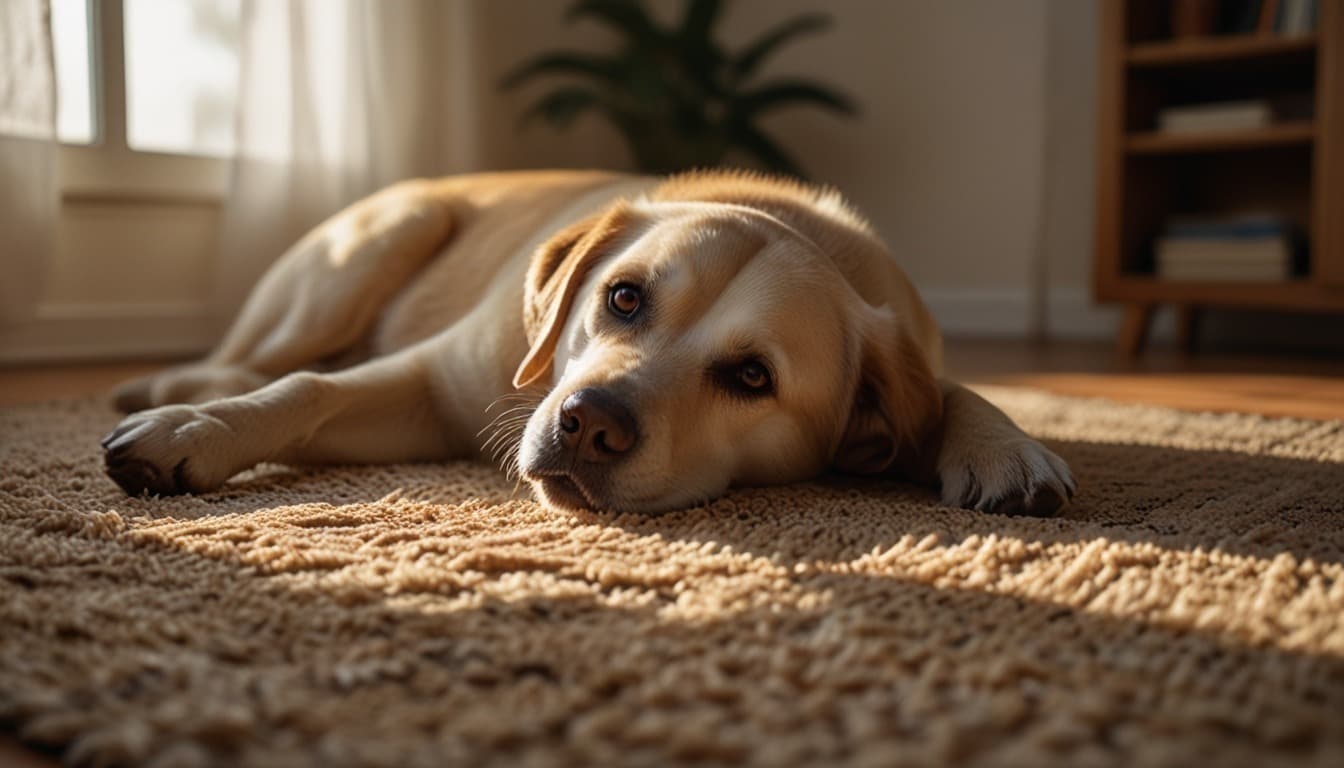
My first dog—a yellow Lab named Gus who ate three TV remotes and once swallowed an entire sock without flinching—licked his paws every single night for the first two years I had him. I'd be lying in bed, half-asleep, and I'd hear that wet, rhythmic slurp-slurp-slurp from the floor like someone was scrubbing a dish with their tongue. I assumed it was allergies. Every googling of “dog licks paws constantly” spit back pollen, grass, food, maybe stress. So I did what any reasonable person with a PetSmart credit card would do: I bought antihistamine chews. I bought paw balm. I bought a $50 anti-lick spray that smelled like a chemical fire. And Gus kept licking.
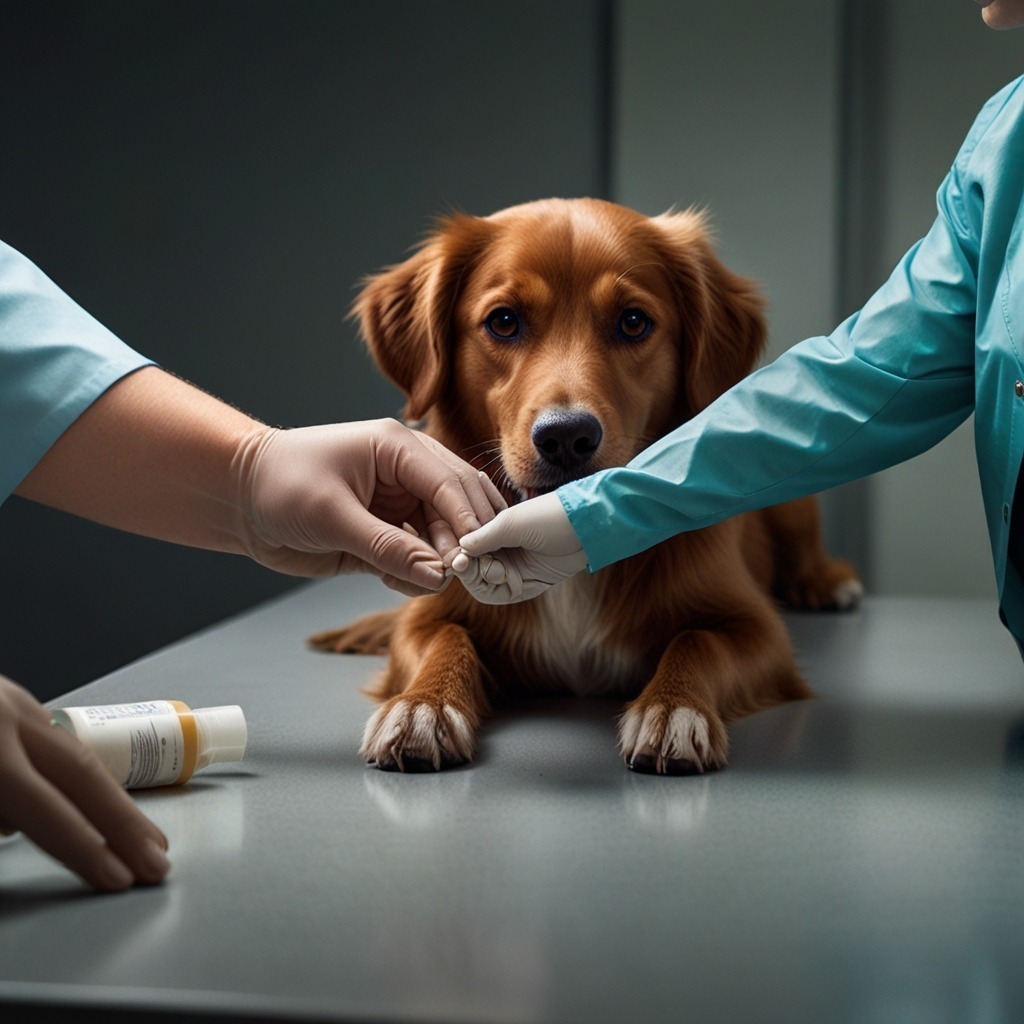
Six months later, I finally mentioned it to my vet—Dr. Nguyen, who's been putting up with my 3 a.m. panic calls for 11 years and three dogs—and she said, without looking up from the chart, "Have you checked his gut?" I hadn't. I hadn't even thought about it. His poop looked fine, his appetite was normal, no vomiting. But she swabbed between his toes, found an overgrowth of yeast, and asked what I was feeding him. I proudly said a grain-free salmon formula that had glowing reviews. She sighed. "His gut flora is probably a warzone. That can make the skin between the toes itch like crazy, and then the licking turns it into a swamp." It was the first time I realized paw licking wasn't just a skin problem—it was often a whole-body signal that something inside was off.
So I switched his food, slowly, to something with actual grains and a single protein, added a probiotic that didn't cost more than my grocery bill, and within three weeks the licking dropped from an hour every night to maybe five minutes. I'm not a vet. I dropped out of vet tech school before I even finished the first semester—anatomy kicked my butt—but I've fostered over 40 dogs since then and I've seen paw licking from every angle: allergies, anxiety, pain, habit, environmental crap, and gut issues that nobody thinks to check. This is everything I learned the hard, messy, expensive way, so you don't have to waste two years like I did.
The Husky Who Licked Himself Bald and How I Almost Made Him an E-Collar Addict
I got a build Husky named Blitz two winters ago. He came in with his paws already stained reddish-brown from saliva and the fur between his toes worn down to raw pink skin. The shelter paperwork said "environmental allergies, likely grass." I nodded like I knew what I was doing, put him on an antihistamine the vet okayed, and wrapped his worst paw in a sock secured with vet tape. He chewed the sock off in eight minutes. So I bought a cone. Then a soft recovery collar. Then a second recovery collar because he somehow figured out how to turn the first one inside out. I was spending more on anti-lick gear than I spent on my own winter coat.
Nothing worked. He'd lick through the cone. He'd wedge his paw up against the plastic and slurp any part that touched the opening. I'd wake up to bloody spots on the blanket. After three weeks of this nonsense, I finally took him to a different vet at the same practice—Dr. Patel, who looked about 12 years old but had the calm of someone who'd seen a thousand idiot build parents before me. She watched Blitz panting and pacing in the exam room, looked at his tail tucked tight, and said, "This isn't allergies. This dog is terrified." I argued that he'd been in my home for weeks, that he seemed fine, that he played with my own dogs. She pointed out that his licking happened mostly at night when everything was quiet, and that he'd start pacing around 10 p.m. like clockwork. It was anxiety. Separation anxiety mixed with the trauma of being rehomed. His gut was fine. His skin swab was clean. His whole system just needed to feel safe.
We started him on a low dose of trazodone temporarily, but the real fix was putting his crate right next to my bed, giving him a frozen Kong every night so he'd have something to do with his mouth that wasn't chewing his own feet, and—here's what I kept forgetting—ignoring the licking when it did happen. Every time I jumped up to stop him, I was giving him attention, and this dog was so starved for reassurance that he learned "licking paws = human comes to pet me." It took six more weeks before his fur grew back. The final trick was turning on a white noise machine at night because the silence itself was what set him off. I felt like an idiot, but I also learned that sometimes a dog licking his paws has nothing to do with his paws at all.
Wait—Let's Talk About How I Cleaned My Dogs' Paws and That Made Everything Worse
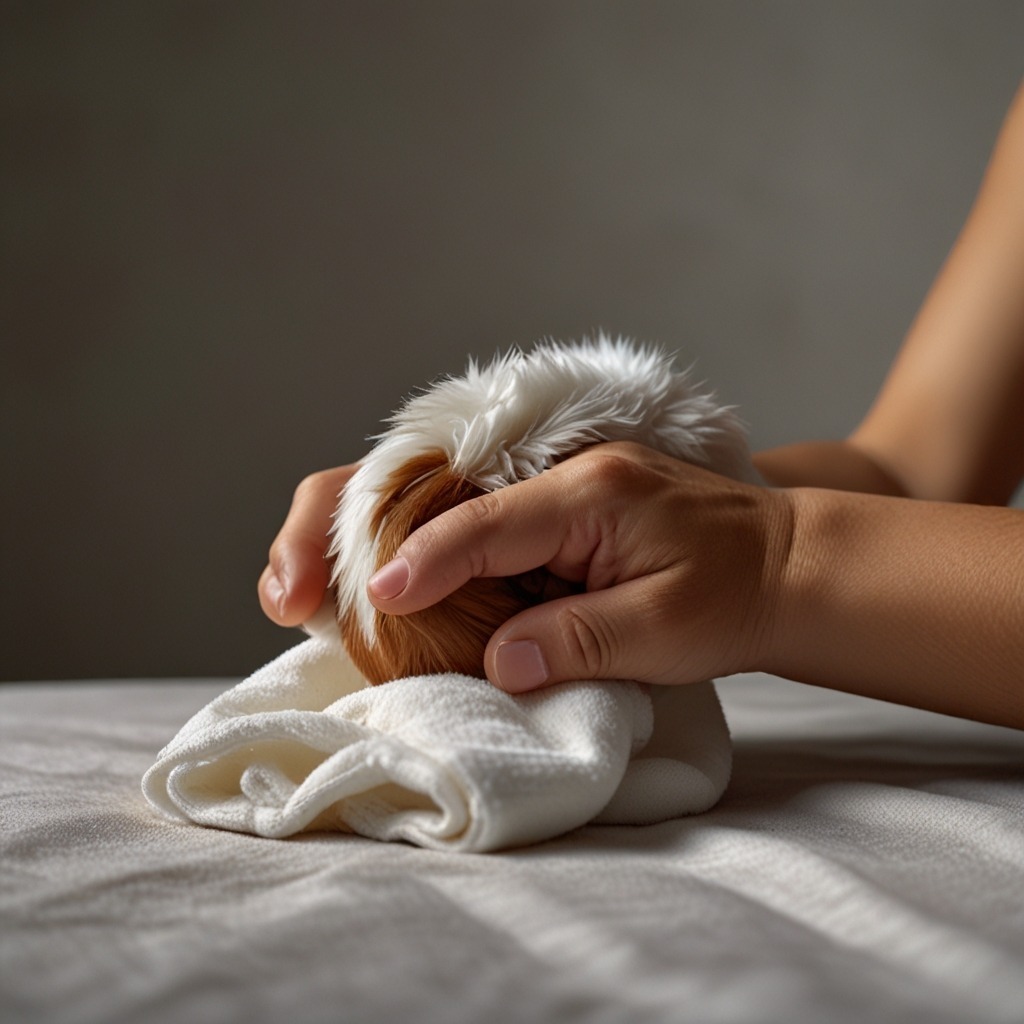
I used to wipe my dogs' paws with those scented grooming wipes after every walk, thinking I was being a responsible pet parent. The wipes had aloe and "calming lavender" and probably ten other things I couldn't pronounce. Two of my dogs developed such dry, cracked paw pads that they started licking to soothe the skin, which only made the dryness worse. I was creating the problem I was trying to prevent. Now I just use a damp microfiber cloth and pat them dry. That's it. No soap, no wipes, no fancy sprays. Someties less really is less.
Allergies: The Thing Every Vet Assumes Firt (And Sometimes It's Actually the Thing)
I've to be fair here. After that saga with Blitz, I got a little too confident and started assuming every paw-licking case was anxiety or habit. Then I fostered a Beagle mix named Peanut who turned out to be allergic to practically the entire planet. His paws were so inflamed they looked like small steamed hams, and his ears were infected too—if you've ever smelled a yeasty dog ear, you know that odor haunts your sinuses for days. This time it really was allergies, and I had to do the full environmental and food elimination slog.
Environmental Allergies and the Pollen-Paw Connection
Most dogs don't inhale pollen and sneeze like we do—they absorb it through their skin, especially the thin skin between their toes. So when your dog walks through grass in spring or fall, the allergens practically rub right in. The licking is a desperate attempt to soothe the itch. The problem is that the moisture from all that licking creates a warm, damp environment that yeast and bacteria absolutely love. So you get a secondary infection on top of the allergy, and now you're fighting two things at once. I've lost count of how many build dogs came in with what looked like "just allergies" but were actually walking around with a bacterial infection between every toe. A course of antibiotics or antifungal wipes (prescribed, not the random stuff from the pet store) often knocked out the licking within days, but only if the owner stopped the dog from licking long enough for the meds to work. That's where cones and recovery collars actually help—as a temporary barrier, not a cure.
If you suspect environmental allergies, the single most practical thing I do now is wipe every dog's paws with plain water when they come inside and then dry them thoroughly between the toes. I keep a stack of cheap washcloths by the door. It's the same idea as washing your face after being outside on a high-pollen day. It doesn't solve everything, but it reduces the allergen load enough that some dogs stop licking without any medication.
Food Allergies—And Why I Now Think Elimination Diets Are Worth the Misery
Food allergies are weird because they don't always show up as vomiting or diarrhea. For a lot of dogs, the immune reaction manifests in the skin, especially the paws and ears. The most common culprits are chicken, beef, dairy, and wheat—but I've seen dogs react to sweet potatoes, peas, and lentils, which are in literally every "limited ingredient" formula these days because manufacturers use them as cheap binders. So when a bag says "grain-free salmon" but it's full of peas and chickpeas and potato starch, your dog might still be staring at the back of the bag. I spent four months feeding a build dog a prescription hydrolyzed protein diet that cost $110 a bag because it was the only way to reset his system and figure out that chicken—just chicken—was the thing making his paws swell up like tiny balloons. The process was miserable: he hated the food, I hsted the cost, and my other dogs kept trying to steal it because apparently prescription hydrolyzed kibble smells like a five-star meal to a Labrador. But once we identified chicken as the trigger and switched to a fish-based diet, his paw licking dropped 90% in two weeks. I still felt bad about the $440 I spent on those bags, but at least I had an answer.
Linked heavily to gut health, which I'll get to in a minute, but if your dog's poop has always been mildly soft or unpredictable, and they also lick theeir paws, consider that connection. I wrote about the probiotic that finally stopped my dog's three-month diarrhea nightmare, and after his gut stabilized, guess what? The paw licking faded too. Coincidence? Probably not.
Contact Allergies From the Weirdesst Stuff (Like My New Area Rug)
I once bought a cheap wool-blend rug off a flash sale site because it looked nice in the photo. Within 48 hours, my senior Lab Miso was licking her paws raw every time she lay on it. Turns out the rug had been treated with some chemical moth-repellent that irritated her skin. Contact allergies can come from carpet cleaners, laundry detergent, floor wax, even the de-icing salt used on sidewalks in winter. you've to play detective. I threw away the rug—$89 down the drain—and the licking stopped. Now I introduce new fabrics and cleaners slowly, and I never use anything scented on surfaces where dogs sleep.
The Weird Gut-aPw Connection That Took Me 6 Years to Notice
Back to that probiotic tangent. A few years ago, I had a build dog—a scruffy terrier mix named Finn—who had soft-serve poop every single morning and licked his paws until they were the color of rust. The shelter vet gave us metronidazole, whiich firmed things up temporarily, but the licking never stopped. I went through three probiotic brands before I found one that actually worked. The first was a $30 chew from a boutique brand that smelled like old cheese and gave him explosive diarrhea at 2 a.m. I'm not linking to that one because screw that company—but I did write about the whole saga in this post about the $22 probiotic I now buy in bulk. Once Finn's gut finally calmed down and he was producing normal, pick-up-albe poops, I noticed his paw licking went from constant to occasional. That's when I started connecting the dots.
Think about it: a dog's microbiome affects systemic inflammation. If the gut lining is leaky (which happens with dysbiosis), undigested proteins and inflammatory particles enter the bloodstream and the immune system goes haywire. One of the first places that inflammation shows up is the skin, especially the paws because they're already dealing with friction and moisture. I'm not saying every paw-licker has leaky gut, but if you've tried antihistamines, changed foods, done the paw-wiping routine, and your dog is still licking, it's worth asking your vet about gut health. A stool PCR can check for imbalances, and sometimes a course of a targeted probiotic and a diet change is the only thing that finally breaks the cycle.
I'm not a nutritionist. Vets are great surgeons but they're not always nutritionists either, and the pet food industry makes it nearly impossible to figure out what's actually in the bag. But after fostering 40+ dogs, I've seen enough gut-related paw cases to be convinced there's a link. If your dog's poop isn't solid and consistent and your dog licks paws, fix the poop first and see what happens.
When It's Not Allergies and It's Not Gut Stuff — It Might Be Pain I Overlooked
My own dog Miso once started licking one specific paw obsessively for three days. I checked between the toes, saw nothing. I pressed on the pads, she didn't flinch. I assumed it was a bug bite or a mild allergy. On day four, I noticed her nail on that paw was cracked vertically up to the quick, and the slight movement when she walkde must have been pinching it. She'd been licking to self-soothe the pain. I felt about three inches tall. One trip to the vet for a trim and a pain reliever, and the licking stopped same day. I've since become a little paranoid about nail health—I wrote about why I haven't touched a pair of dog nail clippers in 7 years because I'm too scared to cause another injury. Pain from a tiny fracture, a splinter, a grass awn stuck between the toes, or arthritis in the wrist/carpus can all make a dog lick the paw like it owes them money. If the licking is focused on one paw and nothing looks wrong on the surface, get an x-ray or at least a thorough vet exam. I've seen dogs with a small foxtail embedded so deep you could'nt see it from the outside, and the only sign was nonstop licking.
The Mental Side: Boredom, Anxieety, and the Lick-Fest That Starts as a Habit
Sometimes a dog starts licking because they're a little itchy, or they're a little stressed, and then it just… becomes a thing. Like how you might start biting your nails during a teense movie and then six months later you're biting them while watching cooking shows. Dogs are creatures of habit, and licking releases endorphins—it literally feels good to them, at least in the moment. That's why even after you've treated the underlying cause, some dogs keep licking because their brain has wired the behavior as comforting. Breaking that habit takes patience and, honestly, more mental energy than most medical fixes.
The build Dog Who Licked Wheneever He Was Left Alone
Right after Blitz, I got another build—a cattle dog mix named Ripley who could figure out puzzle toys in thirty seconds flat. She needed a job constantly. If I left the house for even an hour, I'd come back to wet paw prints all over the floor and her front legs soaked in saliva. It was pure separation boredom. The fix wasn't a cone or a spray; it was mental exhaustion. I started giving her frozen Kongs layered with wet food and kibble, then graduating to more complex puzzle feeders. I'd hide treats around the house before I left. I also started doing 15-minute trick training sessions before I'd go out, things like "touch" and "spin" and "go to your bed," anything that forced her to think rather than just sprint around the yard. Physical exercise alone—even two hours of fetch—didn't touch the licking. But 15 minutes of brain work? She'd crash on the couch and forget her paws existed. It reminded me of the Lab I wrote about who destroyed everything because he did't need more walks, he needed mental stimulation. Same principle.
How I Accidentally Reinforced the Licking by Giving Attention
This is embarrassing to admit, but with Ripley, I initially did the worst possible thing: every time I heard her lick, I'd go over and talk to her softly, maybe pet her head, tell her it was okay. She was a dog who craved any interaction, and she learned, "Oh, licking gets the human to come over and love on me." I had to deliberately ignore her for the first five minutes after coming home, even if she was mid-lick. Instead, I'd wait until she stopped—even for a second—and then reward that pause with a treat or a quick ear scratch. It was the same protocol I'd seen behaviorists use for demand barking. Once she realized that being calm and not licking got attention, and licking got nothing, the habit started to break. Combined with the puzzle toys and training, she was 80% better within a month.
What I Do Now When a build Dog Comes In Lciking Their Paws Like It's Their Job
After all these years and all these mistakes, I've a loose routine. It's not medical advice—I'm not a vet, and I still call Dr. Nguyen for things that stump me—but it's the checklist I run through before I jump to expensive meds or a diet overhaul. Usually, it catches the problem before I waste hundreds of dollars.
1. Vet check with a skin cytology. Swab between the toes and look under the microscope. If there's yeast or bacteria, treat that directly first. Anti-icth meds won't fix an infection; they'll just mask it temporarily.
2. Remove environmental triggers. Rinse paws after walks, dry thoroughly. Check the yard for chemicals, check my floors for new cleaners, check what laundry detergent I used on the dog beds. You'd be amazed how often the trigger is something you changed last week without thinking.
3. Look at the gut. If the dog's stool is anything less than solid and consistent, I talk to the vet about a probiotic and a possible diet change. I don't start an elimination diet unless the vet thinks it's necessary because that's a whole other level of commitment, but I at least consider whether the current food has a protein that might be causing systemic inflammation.
4. Assess mental state. Is the dog anxious? Bored? Does the licking hsppen when I leave? Is there a pattern tied to certain times of day? If anxiety or boredom fits the picture, I try behavioral interventions before pharmaceuticals, unless the dog is so stressed that they need medication as a bridge.
5. Check for pain. I gently press every toe, check every nail, warch how they move. If a dog puts less weight on a paw or the licking is suddenly one-sided, I'm quicker to ask for x-rays.
This checklist hasn't failed me yet. Sometimes the fix is as simple as switching to an unscented laundry detergent. Sometimes it's a six-month probiotic journey. Sometimes it's just giving the dog a frozen carrot to chew on so they've something else to do with their mouth at 10 p.m.
Miso's Paws, Six Months Laer, After I Thought I'd Already Solved Everything
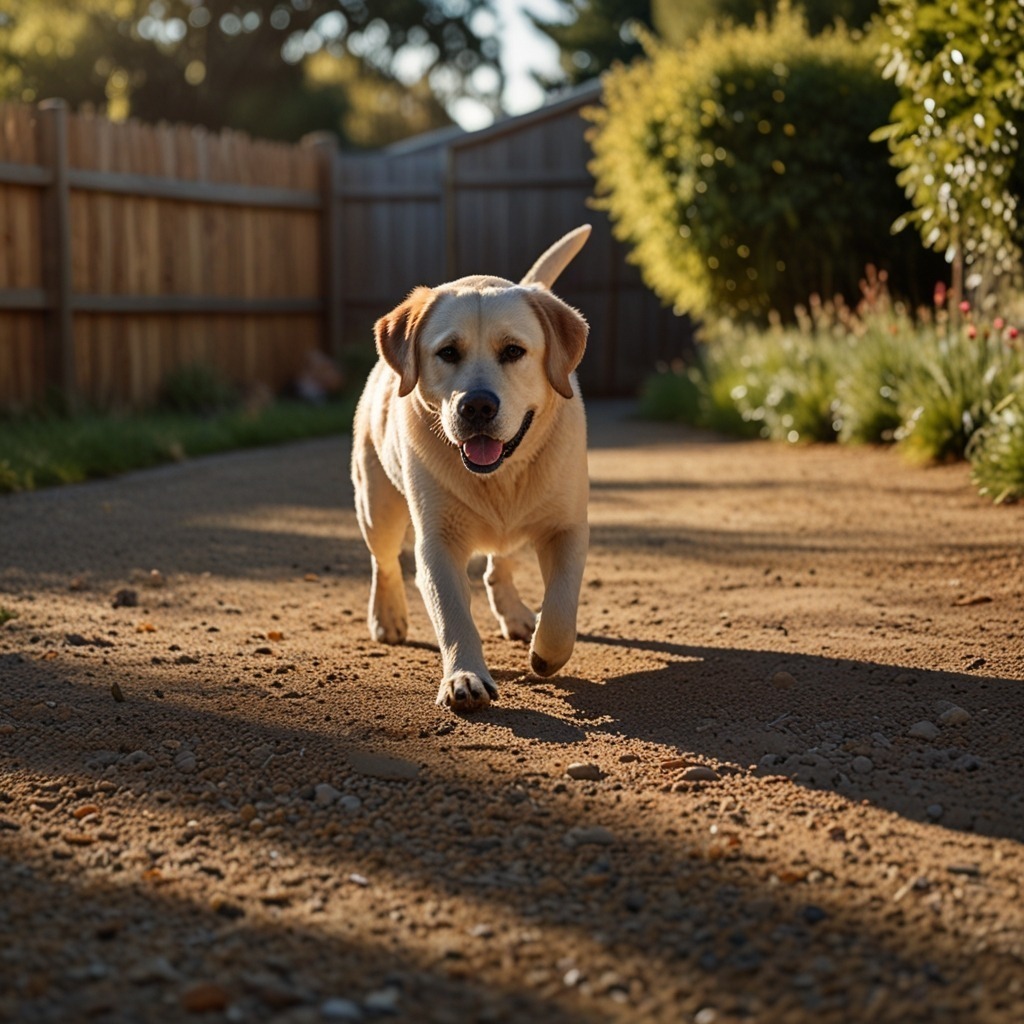
Last spring, Miso—my 12-year-old Lab who's been with me through a divorce, thrre moves, and forty-something build siblings—started licking her front paws again. I'd just spent two years thinking I was the paw-licking whisperer. I ran my own checklist: no infection on cytology, no gut issues, no new foods, no anxiety, no pain on exam. I was stumped. I started wondering if it was just a senior dog thing, maybe canine dementia causing some weird compulsion. I even prepped myself for the possibility that the answer was "unknown" and I'd just have to manage it with cones and distractions forever.
Then I caught her licking one paw right after she'd walked across the gravel section of our yard—the part where I'd just spread fresh pea gravel because the mud pit was driving me crazy. The gravel was new. The gravel was sharp. And it turned out that in her old age, Miso's paw pads had thinned, and the rough stone was irritating them just enough to trigger licking. Not an allergy, not pain exactly, just… sensitivity. I put down a rubber mat walkway from the back door to the grass area, and the licking dropped to almost nothing. It was the dumbest, simplest thing, and I'd almost missed it because I was looking for a complicated answer.
There's a lesson in there somewhere about checking the obvious stuff, even when you think you're an expert. Miso's paws are fine now. She has her rubber mat, her senior joint supplements, and she'll happily ignore her feet for days unless there's a thunderstorm. I still keep washcloths by the door. I still stock that same probiotic for any dog who needs it. And I still sometimes lie in bed at night and hear the sound of a build dog slurping their toes, and I don't panic anymore—I just walk through my checklist and start eliminating things one at a time.
If your dog is licking his paws constantly, you're probably not going to find the answer in the first thing you try. That's okay. Take a breath, start with the vet, and work through it. You might be wrong a few times. I sure as heck was. But eventually, you'll find the thing that clicks, and the silence at nigght will feel like the best gift in the world.