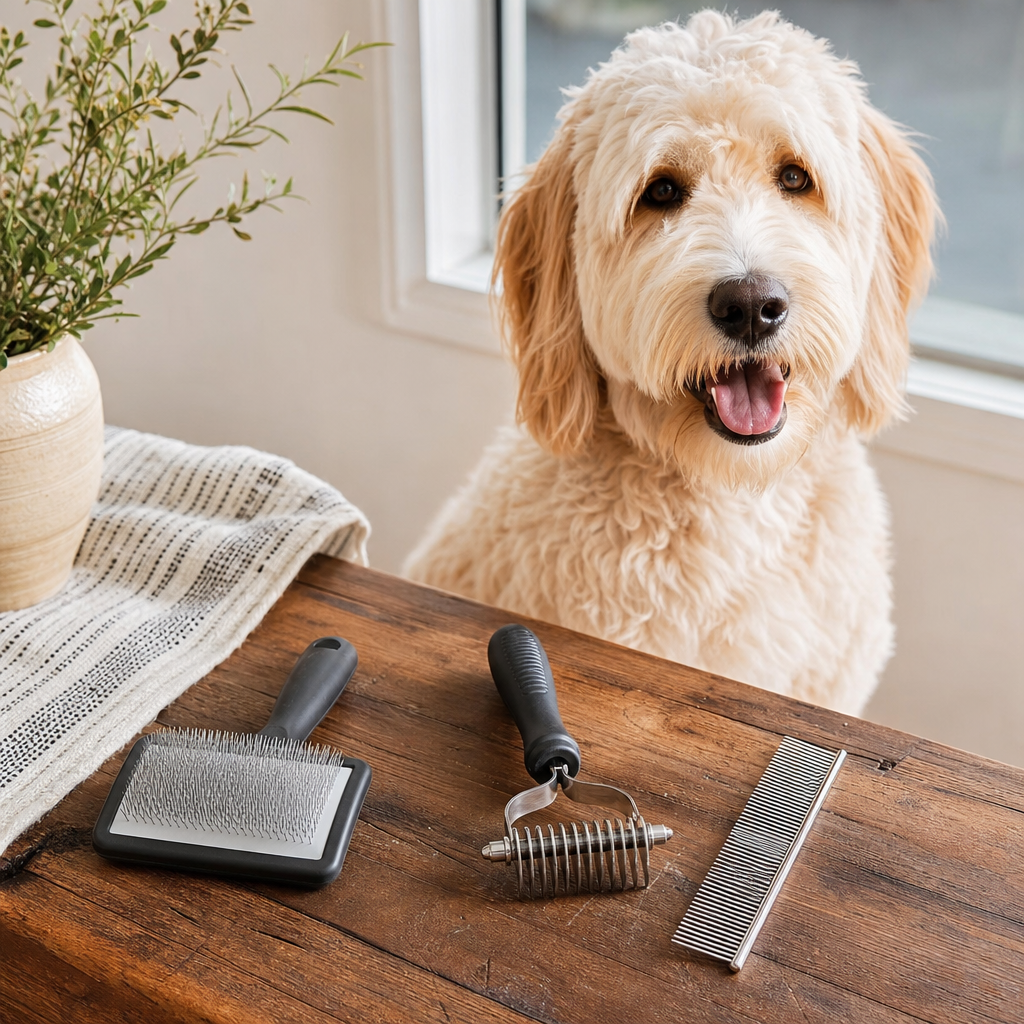
Hypoallergenic Dog Breeds Are Mostly BS — Here’s What Actually Helps
After 14 years of fostering and sneezing my way through 'hypoallergenic' breeds, here's the real deal: no dog is allergy-free, but some won't make you miserable. I'll share what I've learned the hard way.
The first time I heard the word 'hypoallergenic' I was sitting in a shelter intake room, holding a crusty-eyed Maltese mix that had just sneezed directly into my mouth. I'm not kidding. Full-on sneeze, right in there, pink tongue lolling like nothing happened. The shelter manager — a woman who'd seen it all, someone who once got sprayed by a skunk inside a kennel run and barely blinked — didn't even flinch. 'He's hypoallergenic,' she said, already moving onto the next clipboard. 'You'll be fine.'
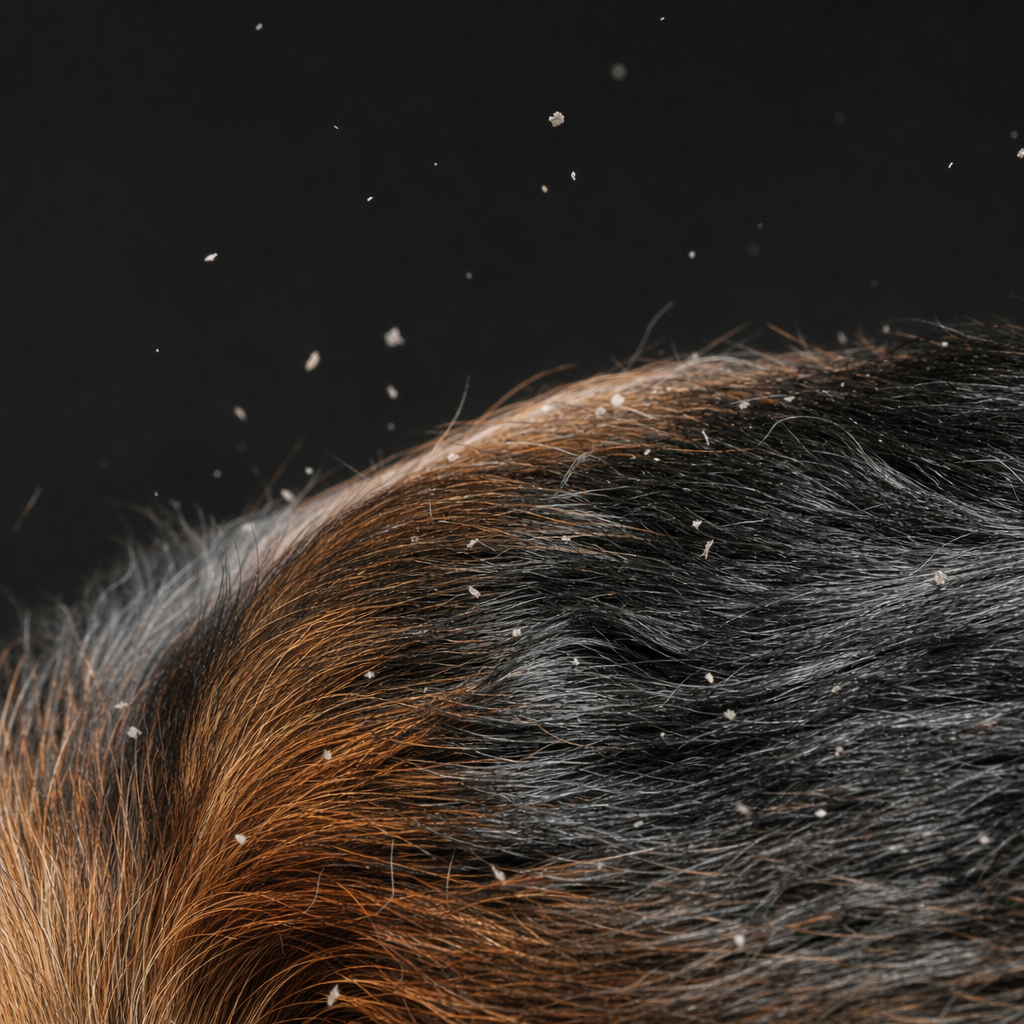
I wasn't fine. I spent the next three hours itching my eyes raw adn rethinking evrry life choice that led me to that moment. By hour two I looked like I'd lost a fight with a swarm of bees. The dog, meanwhile, curled up in my lap like a tiny, innocent, allergy-triggering angel.

That was fourteen years ago. Since then I've fostered over forty dogs, pulled countless shifts at the shelter, and yes, dropped out of vet tech school because I realized I'd rather write about my mistakes than watch other people make them. I've sneezed, wheezed, broken out in hives, and once scratched my ankle so hard in my sleep that I woke up bleeding. All in the name of finding out which 'hypoallergenic' breeds actually work — and which ones are just really good marketing.