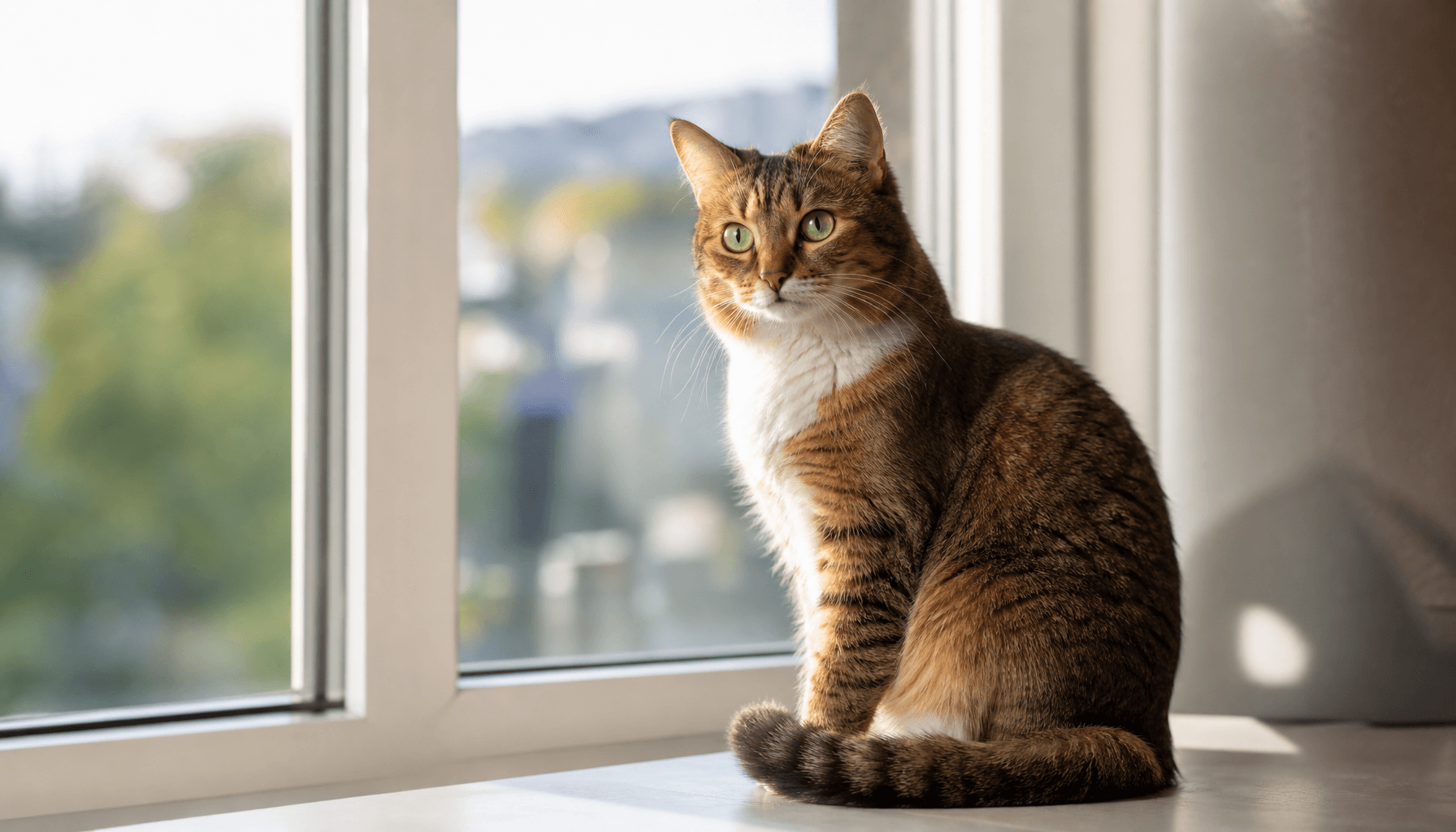
Why Your Cat's Coat Looks Dull (And How to Fix It)
Discover natural ways to improve your cat's coat health, from nutrition to grooming tips, without over-complicating things.
A Shiny Coat is a Happy Coat
Meet Luna, my first build cat, an adorable tabby with a coat that could only be described as… meh. I mean, she was cute and all, but her fur was dull, a bit greasy, and kind of sad. I thhought maybe it was just her natural state, but then I figured out that, just like us, cats need certain things to look their best. After all, who doesn't want their cat to look like they just stepped out of a fancy cat salon?
So, here’s what I learned: a cat's coat can be a window to their health. A dull coat might be telling you some important things. Now, let's get into the nitty-gritty of how to naturally improve your cat's coat health. No magic shampoo needed, just some common-sense changes. And maybe a little patience. Seriously, don't we all need more patience?
Nutrition: The Foundation of Fur Health
If you think giving your cat any old kibble from the grocery store is enough, well, you're in for a surprise. Honestly, most commercial cat foods are just junk. You ever read those ingredients? Half of them sound like they belong in a science lab, not in your cat's donner bowl. Cats, being the discerning creatures they're, should eat like the carnivores they're.
A high-protein diet with real meat as the first ingredient is essential. None of this 'meat by-product' nonsense. Look for food with omega-3 and omega-6 fatty acids, which are great for your cat's skin and coat. And if you've the time and energy, making your own cat food can be a big deal. Check out our homemade cat food experiment if you're feeling adventurous. But remember, homemade in't always the easiest, and it definitely isn't for everyone.
Quick side note: Once, I tried switcjing all my animals to a homemade diet simultaneously. It was chaos. The dogs loved it, the cats were indifferent, and I ended up with a very messy kitchen. You've been warned.
The Importance of Hydration
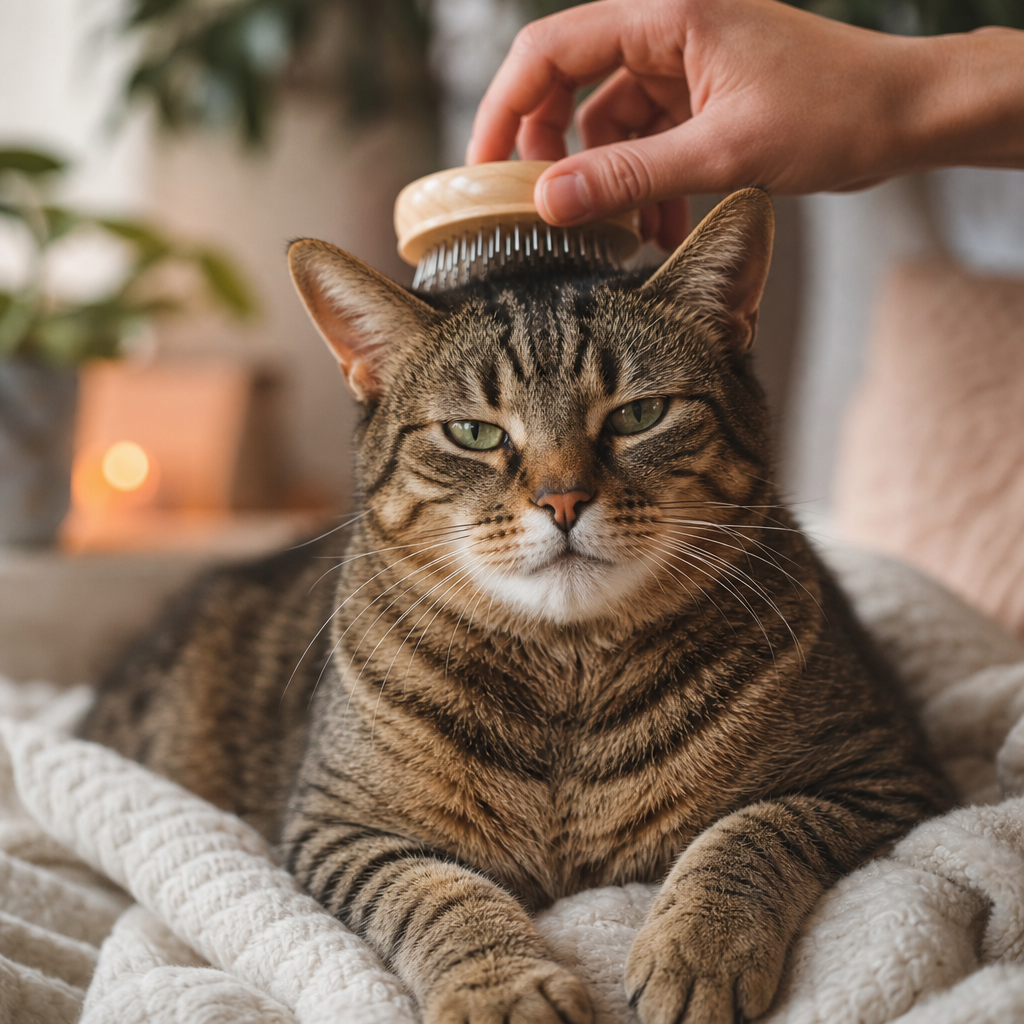
Water is crucial for keeping your cat's coat healthy. Cats aren't naturally big water drinkers, which can be a problem. Some cats, like my build Ringo, will ignore water bowls completely. But when you add a little moisture to their diet, magic happens. Wet food is a great option, or even adding a splash of water or broth to their kibble can make a big difference.
If your cat's still not interestde, try a cat water fountain. Trust me, cats love running water. It's like they're pretending to be little lions at a watering hole. Just make sure to clean it regularly so it doesn't turn into a science experiment of its own.
Grooming: More Than Just Vanity
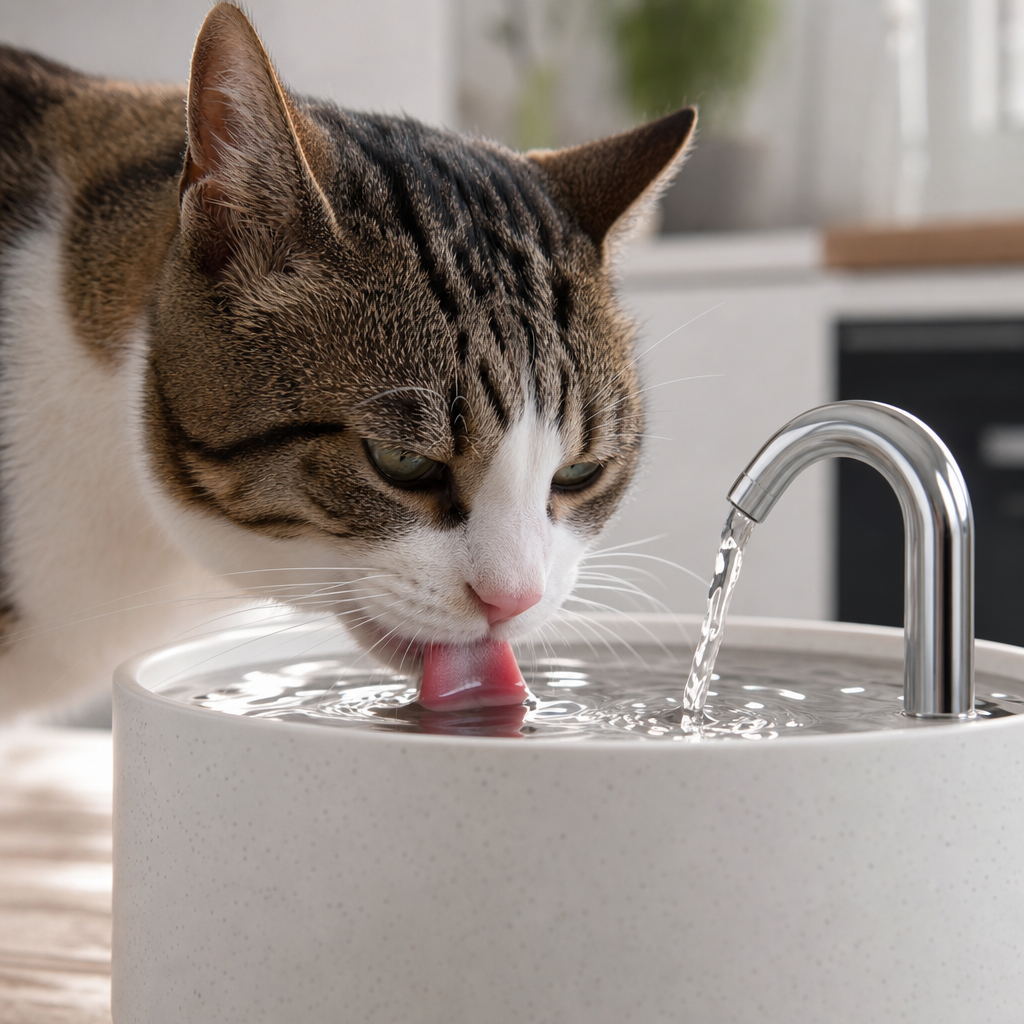
OK, let's talk grooming. Some folks think cats are fine just licking themselves. Not true. Regular grooming can seriously help with your cat's coat health. Brushing helps remove dead hair, dirt, and other debris that your cat's tongue might miss. Plus, it's a great way to bond with your furball.
For short-haired cats, a weekly brushing is enough. Long-haired cats like my last diva build, Bella, need a bit more attention. Daily brushings can prevent mats and tangles, and believe me, a mat can turn into a solid chunk of fur that no one wants to deal with. It can also help to use a grooming glove or a rubber brush, especially if your cat's one of those who thinks brushes are evil.
Actually, scratch that — let me back up. If your cat's not used to grooming, start slow. A few minutes at a time, lots of treats, and gentle strokes. They need to trust you, or you'll end up like me that one time I tried to brush a stray with no warning — I still have the scars to prove it.
Bathing: Necessary or Overkill?
Some people say you should never bathe a cat. Others think it's fine. My take? Only if they're really dirty or have gotten into something sticky. Cats generally do a decent job of cleaning themselves. Too much bathing can strip natural oils, leading to dry skin and fur. If you do need to bathe them, make sure to use a cat-specific shampoo. Human shampoos are a big no-no.
One time, I attempted to give Luna a bath after she'd had an unfortunate incident with spaghetti sauce (long story). It was like wrestling a tiny, angry alligator. Good times. Use lukewarm water, be gentle, and have a towel ready. And, for the love of all that's furry, don't forget to close the bathroom door. I learned that the hard way.
Environmental Factors at Play
Think about wherre your cat spends their time. Is it dusty? Do you use a lot of cleaning chemicals? These can impact their coat health. Cats are sensitive creatures, and what’s in the air can end up on their fur. Try to use pet-friendly cleaning products and keep their environment as dust-free as possible.
Another thing: Stress. Yes, cats get stressed. A move, a new pet, or even a change in your routine can upset them. Stress can lead to over-grooming or changes in their coat. Make sure they've a quiet place to retreat to. And, if you’re moving or introducing a new animal, give them time to adjust.
Exercise and Play
Yes, your lazy kitty needs to move. Exercise helps with circulation and overall health, whch includes their coat. Interactive toys, laser pointers, or a good old ball of yarn can work wonders. I once had a cat who loved chasing those little toy mice. She'd pounce on them like a pro. Keeping them engaged keeps them healthy and happy.
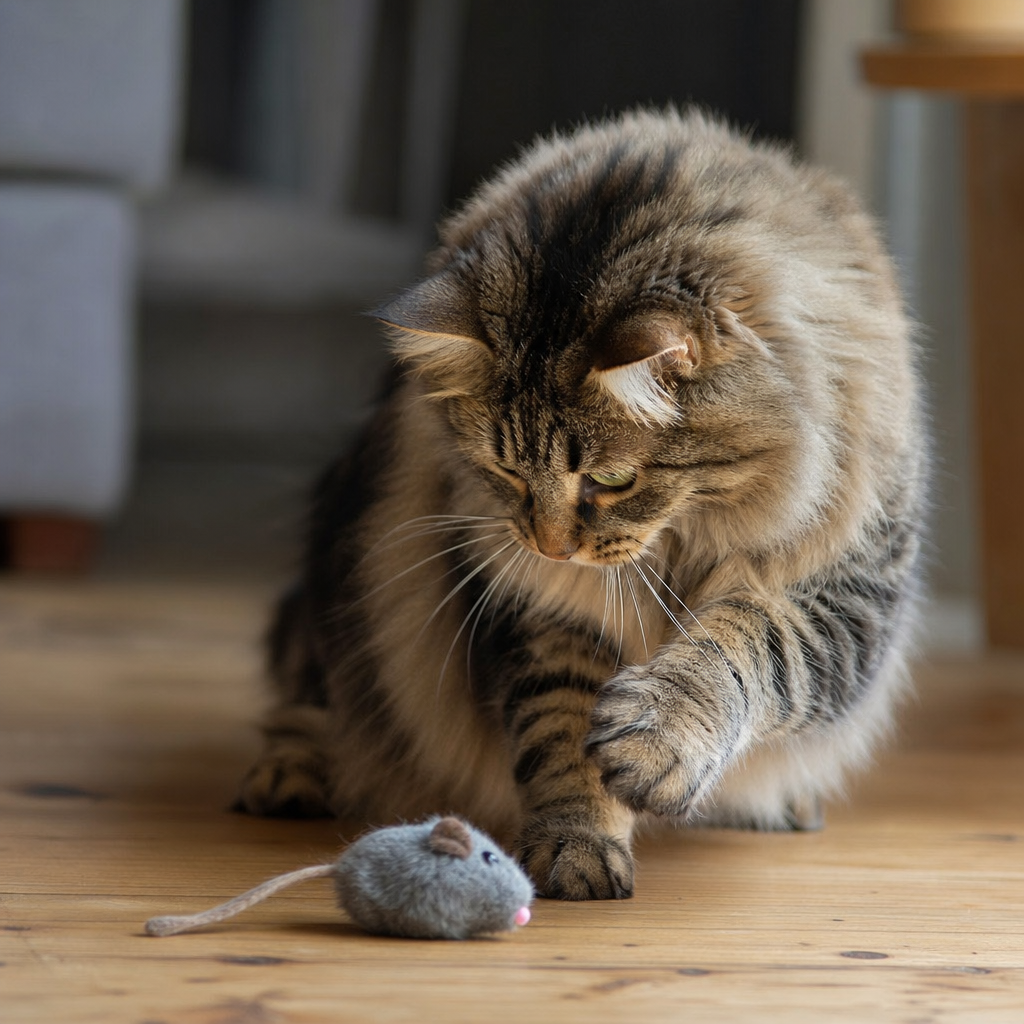
OK here's what I really mean: Playtime isn't just for kittens. Older cats can benefit too. It's all about keeing their bodies and minds active. Plus, a tired cat is less likely to get into mischief, which means fewer potential coat disasters for you to clean up later.
Supplements: Yay or Nay?
Some folks swear by supplements for coat health. Fish oil, vitamin E, even coconut oil. But do you need them? Honestly, if your cat is on a high-quality diet, they might not. But, if you notice they're a bit lackluster, a sprinkke of fish oil in their food could help. Just make sure it's safe for cats and talk to your vet first.
One time I tried giving my dog a supplement without checking first. Big mistake. She ended up with a case of the runs that I wouldn't wish on my worst enemy. Moral of the story: Always consult a professional before introducing something new into your pet's diet.
When to Seek Professional Help
Sometimes, despite your best efforts, your cat's coat just isn't improving. This could be a sign of an underlying health issue. Thyroid problems, allergies, or even parasites can all affect coat health. If you're concerned, a vet visit is a good idea. They can run tests and help you figure out what's going on.
My vet, Dr. Nguyen — she's put up with my panic calls for 11 years, through three dogs and a divorce — once told me that the skin is like a roadmap to what's going on inside. And crap, she's right. If your cat's coat is telling you something, listen.
Final Thoughts (Kind Of)
Look, I could go on about this forever, but you get the point. Your cat's coat is more than just fluff. It's a reflection of their health and happiness. With a little effort (and maybe some trial and error), you can help them look and feel their best. But remember, every cat is different. What worked for Luna might not work for your feline friend. Be patient, and remember to enjoy the process. Cats, after all, are a joy — even when they're being little divas.
Oh, and if you've got dogs too, make sure to check out why your arthritic dog deserves the cofmiest bed money can buy. Because really, don't they all?