When Your Cat Meets Your Baby: Navigating the Whiskers and Wails
When a cat's peace meets a baby's cries, expect chaos. Here's how to make introductions smoother.
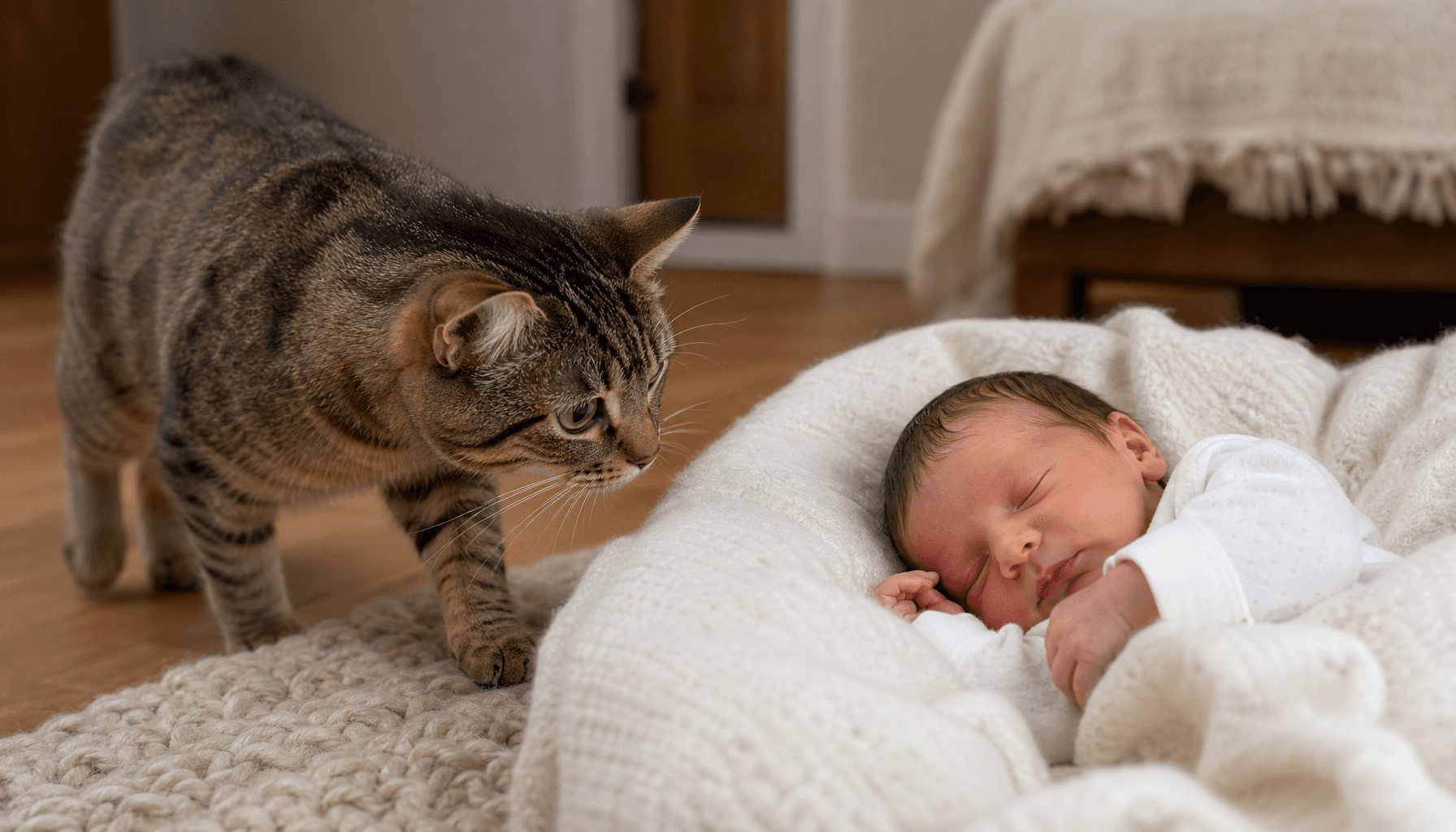
My first encounter with this whole cat-meets-baby chaos was with Whiskers, a tabby with an attitude and a serious side-eye game. My friend Jill was bringing home her new baby, and Whiskers was the reigning queen of the household. Spoiler alert: it was a mess at first. But, we learned a lot, mostly from our mistakes.
Understanding Your Cat's Perspective
Cats are territorial. You know this. I know this. We all know this. They like their space, their routine, and every nook and cranny to smell just right. Now imagine yu're a cat, and suddenly there's this tiny, loud creature invading your turf. It’s not just about the noise—a baby changes the scent space, the routine, the attention hierarchy. Major upheaval for your furball.
Why Cats Freak Out
Ever notice how your cat disappears when you've guests over? Cats are creatures of habit, and any disruption is potemtially a threat. Babies bring new sounds, smells (have you smelled a diaper?), and most of all, they steal the spotlight. If your cat is used to being your fur baby, this transition might feel like betrayal.
Reading Your Cat's Body Language
Pay attention to the signs. Is your cat hiding more? Hissing, growling, or swatting? These are all idnicators that they're stressed. Understanding these cues can help you address the situation before it gets out of hand. A cat that's hiding is trying to cope. Give them space, but don't ignore them.
Preparing Your Cat Before Baby Arrives
Here's the thing. You can't just bring the baby home and hope for the best. Well, you can, but no one wants a feline rebellion. Start early. Get a doll, pretend it's a baby, and see how your cat reacts. Weird? Yes. Helpful? Also yes. Cats are smart; they’ll start associating the doll with the changes in routine and sounds.
Introducing Baby Sounds
Get a recording of a baby crying. Play it at a low volume and watch your cat's reaction. Gradually increase the volume over days. This helps to desensitize them to the baby's cries. Keep an eye on their reaction—if they bolt for the hills, take it slower.
Scent Swapping
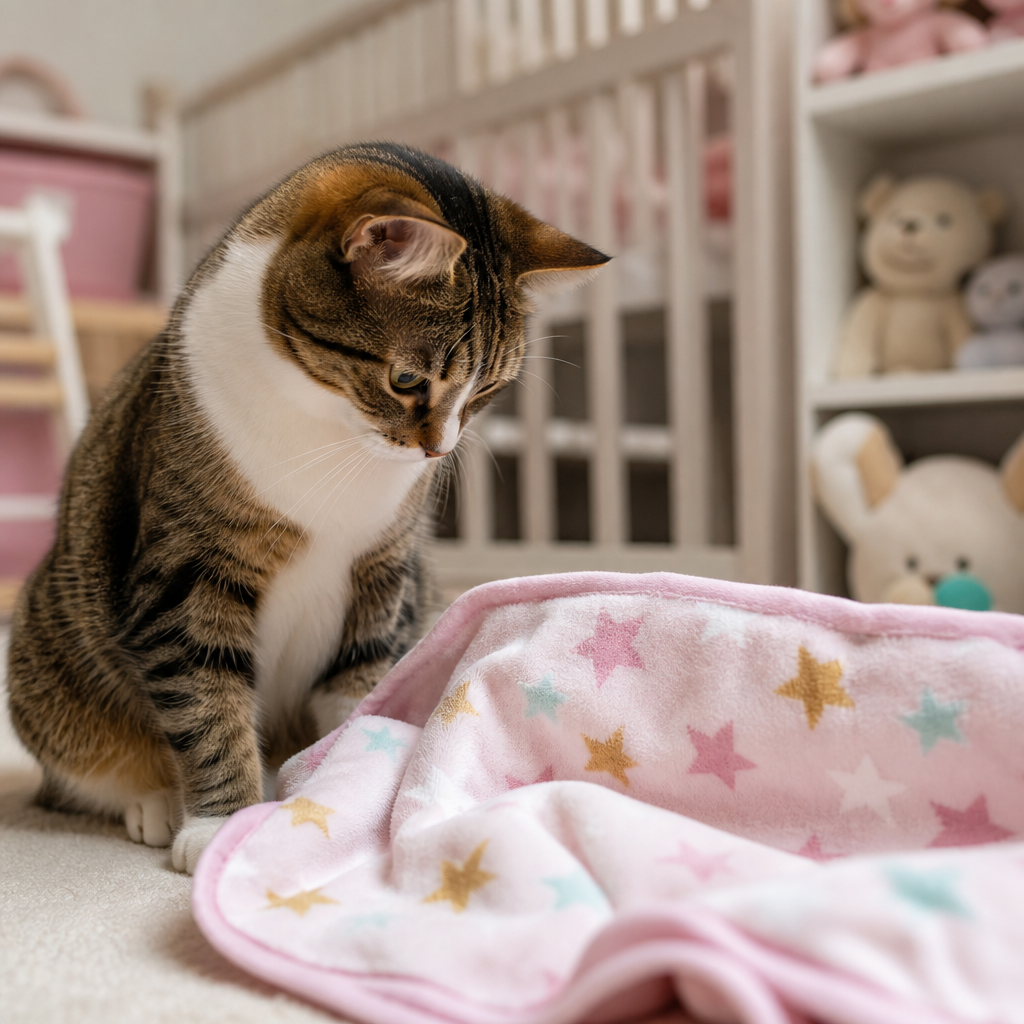
Remember Jill and her tabvy, Whiskers? She started by bringing home blankets from the hospital that had the baby’s scent. Whiskers sniffed, pawed, and finally decided it wasn't a threat. Cats rely a lot on their sense of smell, so introducing new scents gradually is key.
When Baby Comes Home
Alright, the big day arrives. Baby comes home. What's next? First, take a deep breath. Let your cat apporach the baby on their own terms. Don’t force interactions. Cats are naturally curious, and after some time, they'll come around to inspect the new addition.
Supervised Introduction
Make the introduction when everything's calm. No sudden movements, no loud noises. Let your cat sniff the baby while you cloesly supervise. Reward calm behavior with treats or affection. Positive reinforcement goes a long way.
Okay, tangent time. Did I ever tell you about the time I tried to build a dog who was terrified of kids? It was a disaster for the first few weeks. We had to work on desensitizing him, much like you would with a cat. Slowly, with patience and treats, he came around. Just like pets, every baby is different, and every pet reacts differently to those babies.
Creating Safe Spaces
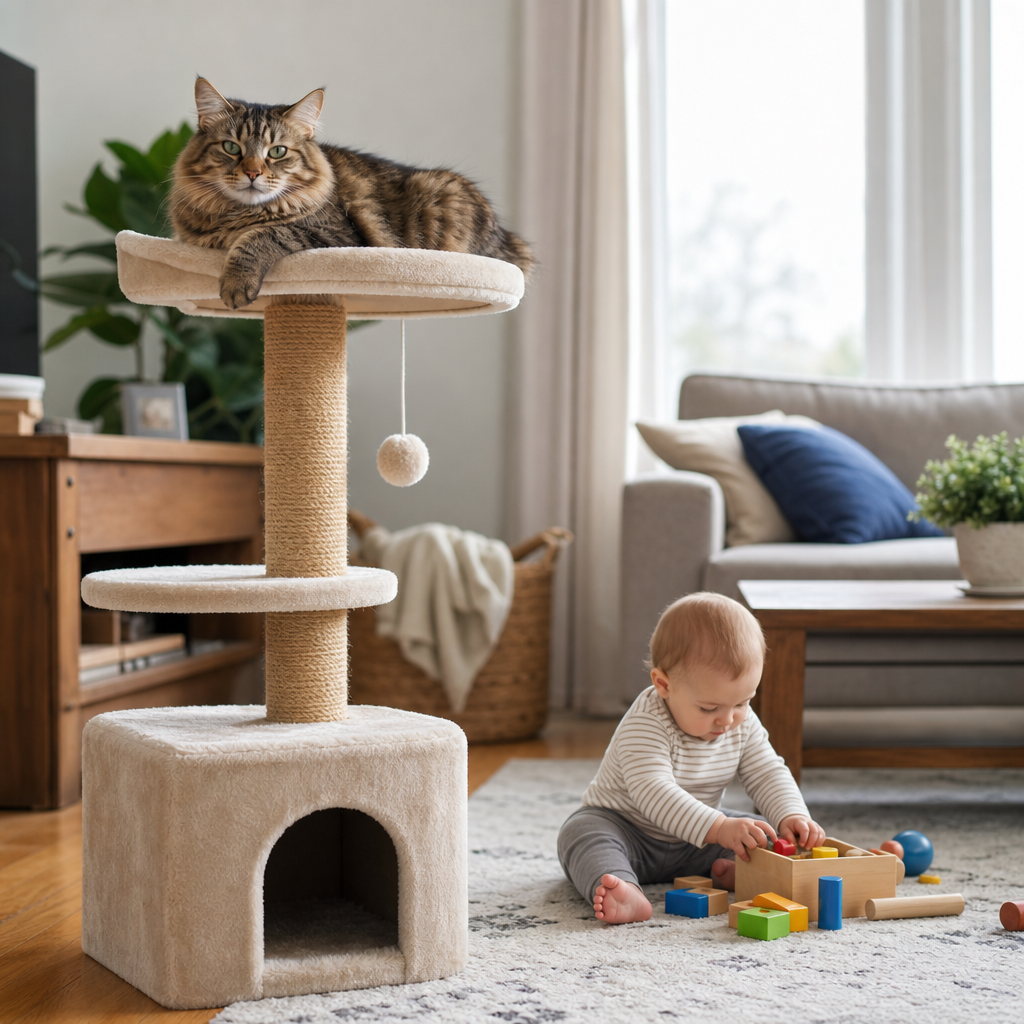
Your cat needs a place to escape when the baby becomes too much. A high perch, a cozy bed in a quiet room, or even a designated 'cat zone' where the baby can't reach. This gives your cat a sense of security and control over their environment.
Zones of Comfort
Strategically place your cat's favorite things where they feel safe. Whether it's their bed, scratching post, or favorite toy, ensuring these items are accessible can help ease their anxiety. Move these itmes gradually if they need to be relocated due to baby-proofing the house.
Maintaining Routines
Try to keep feeding times, playtimes, and cuddle sessions as consistent as possible. Routine is calming for cats, and sticking to them provides reassurance. If anything, use quiet times to give your cat all the attention and love they need.
Signs of Stress and When to Worry
Not every adjustment period is smooth. Keep an eye out for signs of prolonged stress like excessive grooming, changes in appetite, or litter box issues. If your cat starts having accidents around the house, it might be a sign they need some extra help to adjust.
Getting Professional Help
If your cat remains stressed and you're out of ideas, consider consultng a veterinarian or a pet behaviorist. Sometimes it takes a professional to see what we miss. I remember one time my build cat, Max, stopped eating completely. Turns out he was stressed from the new environment, and I needed a vet's insight to get him back on track.
Long-Term Relationship Building
Once the initial chaos settles, it’s all about building a harmonious co-existence. Encourage gentle interactiions as your baby grows and starts moving around more. Teach them to be gentle with the cat—no tail pulling, or ear tugging. It’s about respect on both sides.
Now, for a quick detour. I remember my uncle's house, where the cat and the kid were practiclly partners in crime. The cat used to bring little toys to the baby, and in turn, the baby would share their snacks (often to the cat’s delight). Point being, with time and patience, your cat and baby might just become the best of friends.
Final Thoughts
So, to wrap this up—actually, scratch that. No wrapping up. Just remember that patience is key. Every cat is different, and some might take longer to adjust than others. And that’s okay. Be patient, be loving, and keep an eye on your cat's needs as they adjust to their new life with a tiny human in the mix.