The Not-So-Secret Secrets to a Healthier Cat Coat
Uncover the natural ways to improve your cat's coat health with real stories, advice, and a dash of sass.
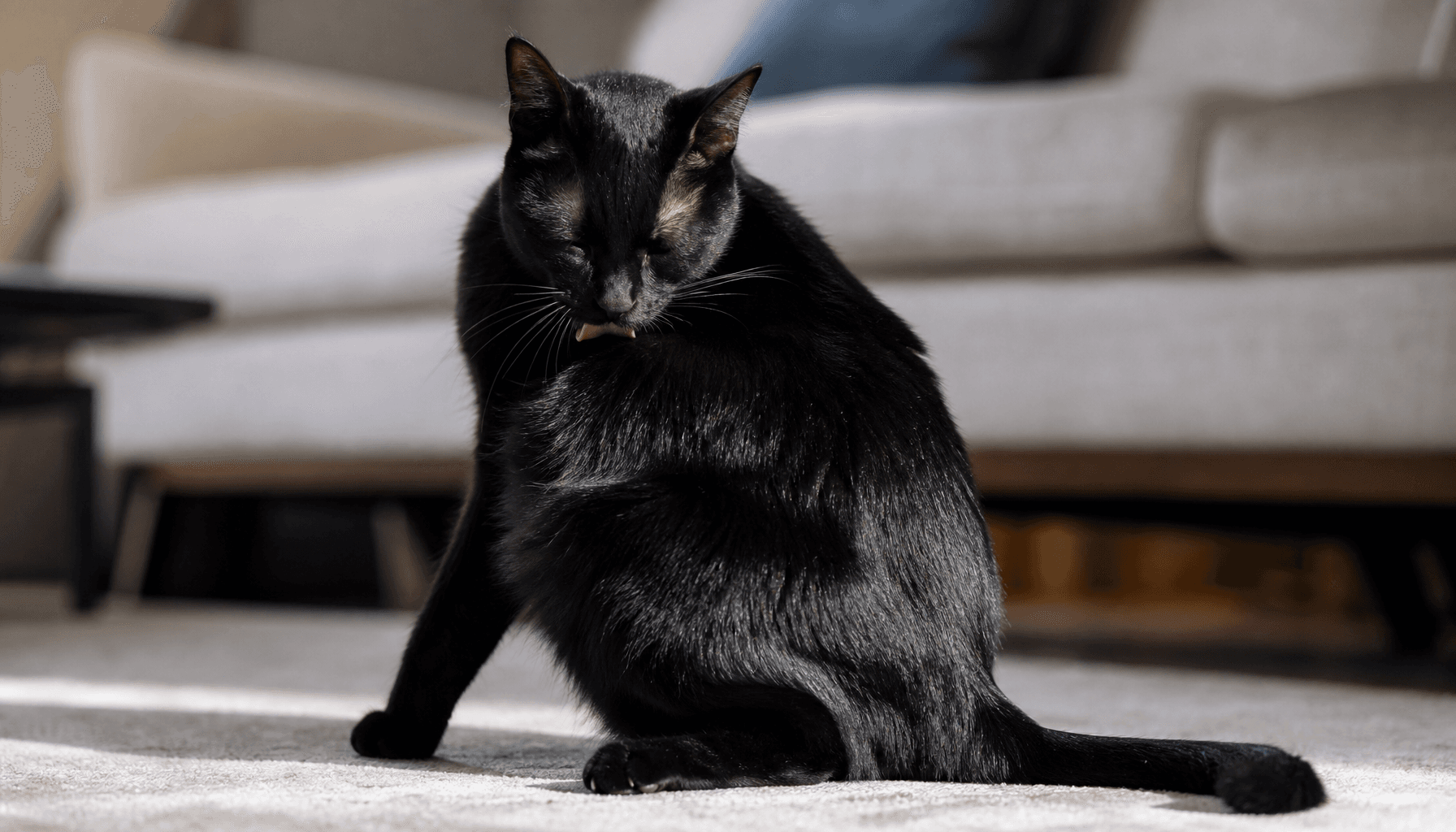
Let's dive straight in. Ever seen a cat with a coat so glossy, it looks like it's been polished? I once had a build cat named Whiskers. His coat was so dull, you could practically hear it rustle when he walked. After trying what felt like a million things (spoiler: way too many baths), I finally stumbled onto the natural remedies that transformed him into a feline with fur that glistened like a freshly brewed cup of coffee. How? Let's get into it.
Diet Matters More Than You Think
Okay, here's the deal. Most commercial cat foods are garbage. Yeah, I said it. They're packed with fillers and by-products that do zilch for a cat's coat. You know what really makes a difference? Quality ingredients. Think high-protein foods that resemble what they’d actually hunt in the wild. I remember switching Whiskers to a raw diet. Seriously, it was like flipping a switch from rough and patchy to sleek and shiny. Now, I'm not saying you gotta go full-on raw if that's not your thing. Even just choosing a better brand of kibble can work wonders.
Protein: The Building Block of Beauty
High-quality protein is essential. Cats are obligate carnivores, which means they need meat, and lots of it. Not enough protein? Say goodbye to a healthy coat. Look for foods with real meat as the first ingredient. None of that 'chicken meal' nonsense. A diet rich in protein supports fur growth and shine. It's a big deal. And hey, if you're already feeding them the good stuff? Consider adding a little cooked chicken or fish to their meal for an extra protein boost.
Essential Fatty Acids: The Unsung Heroes
Omega-3 and Omega-6 fatty acids are your cat's best friends when it comes to coat health. These essential fatty acids help reduce inflammation, making coats shinier and skin healthier. You can find them in fish oil supplements or even a little canned tuna or salmon. Just don't overdo it—cats can be sensitive to too much oil. A teaspoon a couple of times a week usually does the trick.
Brushing: More Important Than You Think
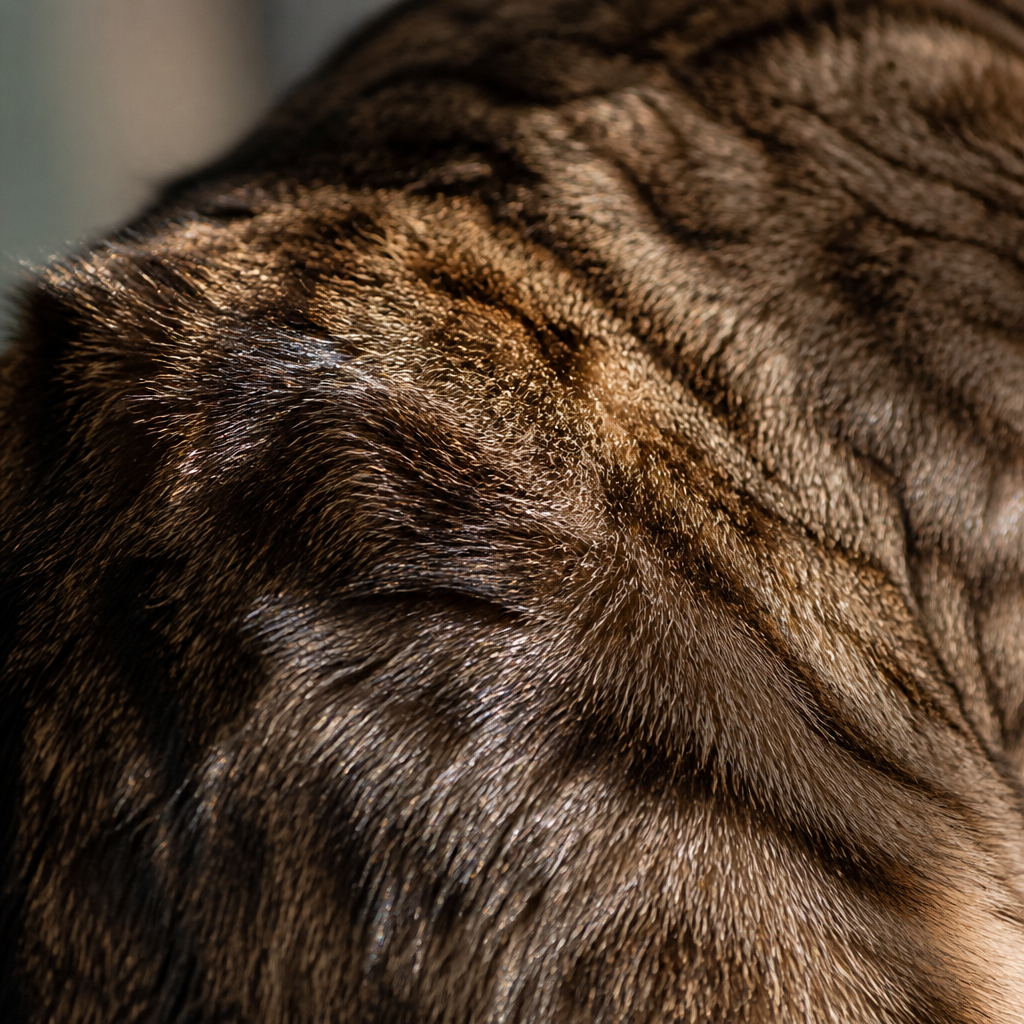
Here's a shocker. Cats need brushing too. I know, crazy right? Some people think cats are self-grooming machines. Sure, they do a decent job, but a little help goes a long way. Regular brushimg removes loose hairs, reduces shedding, and distributes natural oils throughout their coat. Not only does it make their fur look better, but it also helps prevent those lovely hairballs they gift you as 'presents.'
Choosing the Right Brush
Not all brushes are created equal. For shorter haired cats, a simple rubber brush works wonders. Longer-haired breeds? You'll want a slicker brush or even a comb to tackle those tangles. Personally, I've got a whole drawer of brushes at this point. It's like having a toolkit for fur. Pro tip: if your cat's not a fan, try brushing them while they're sleepy. They'll be too relaxed to care.
When to Brush
While there’s no hard and fast rule, brushing once or twice a week is usually enough for short-haired cats. Long-haired breeds might need a daily session. It not only keeps their coat looking fab but also reduces the aount of fur they swallow during self-grooming. Less fur swallowed means fewer hairballs, and who doesn't want that?
Hydration: Keep Those Purrs Hydrated
Water is often overlooked, but it's crucial. A dehydrated cat will quickly show it through ther coat. Their fur may become dry and brittle. So, make sure they're drinking enough. Fresh water daily is a must. Some cats even prefer running water, so consider a cat fountain if your kitty's a bit picky. My cat, Luna, ignores her water bowl but will practically stick her head under the faucet.
Stress: The Hidden Coat Killer
Let's talk stress. You might not think it, but stress can wreak havoc on a cats' coat. An anxious cat often overgrooms, pulling out tufts of fur, leading to bald spots and a lackluster coat. Create a safe, quiet environment for them. Routine is your friend here. Consistent feeding times and a quiet place to retreat can work wonders for their mental health—and their fur.
Speaking of stress, ever tried flying with a dog? It's a whole ordeal. If you've got time, check out Flying with Fido: The Real Deal on Dogs and Airplanes. Trust me, you'll want to be prepared.
Environmental Enrichment
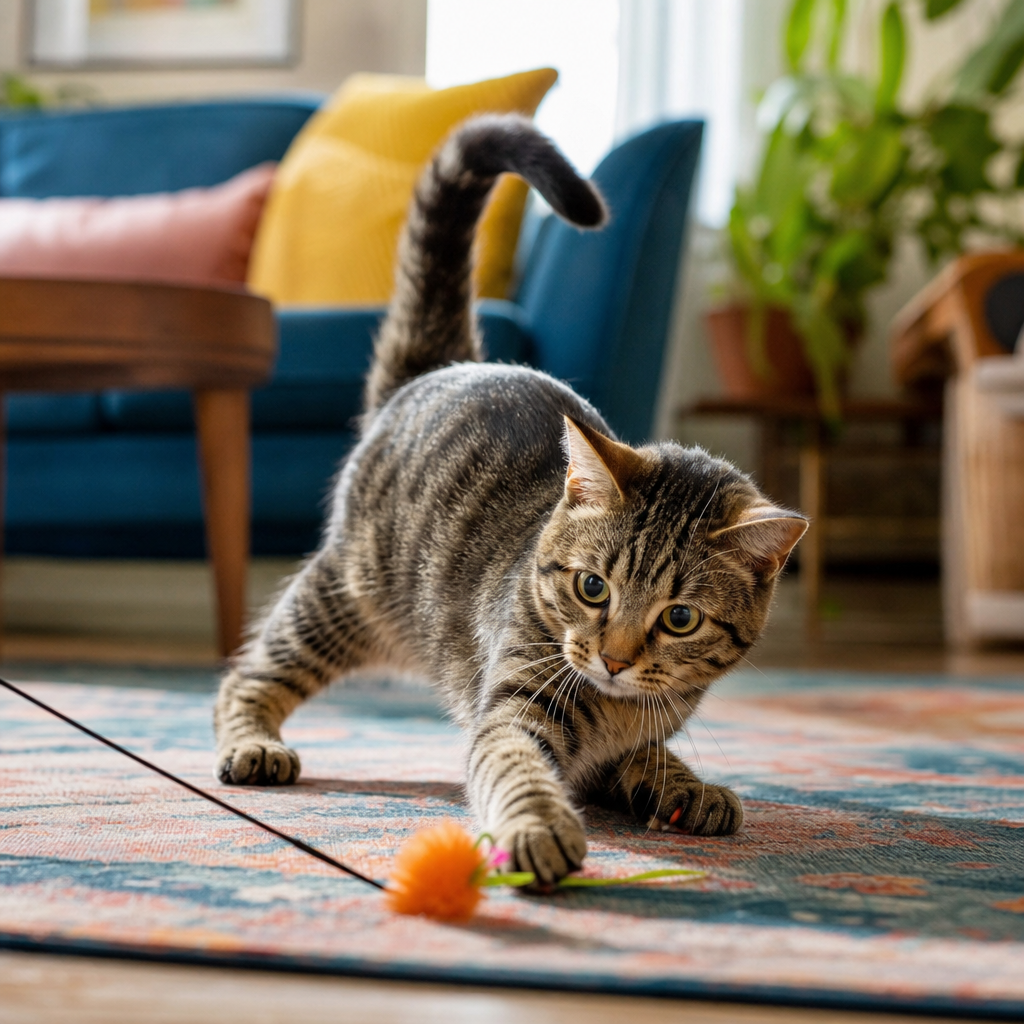
Bored cats are stressed cats. Keep them entertained with toys, climbing trees, or interactive feeders. A happy cat will have a healthier coat, and it keeps them from going bonkers when you're not home. Remember, a busy cat is a less stressed cat, and that means fewer coat problems.
Home Remedies You Wouldn't Expect
There are some home remedies that seem a little weird but can make a huge difference. Coconut oil, for example, is great for skin and coat health. Add a small amount to their diet, or rub it gently onto their fur. It helps with shine and can soothe irritated skin. But remember, moderation is key. Too much can lead to an upset stomach.
Another trick? Apple cider vinegar. A tiny bit in their water can improve coat shine and deter fleas. Just make sure it's diluted enough that your cat will still drink their water.
When to Consult a Vet
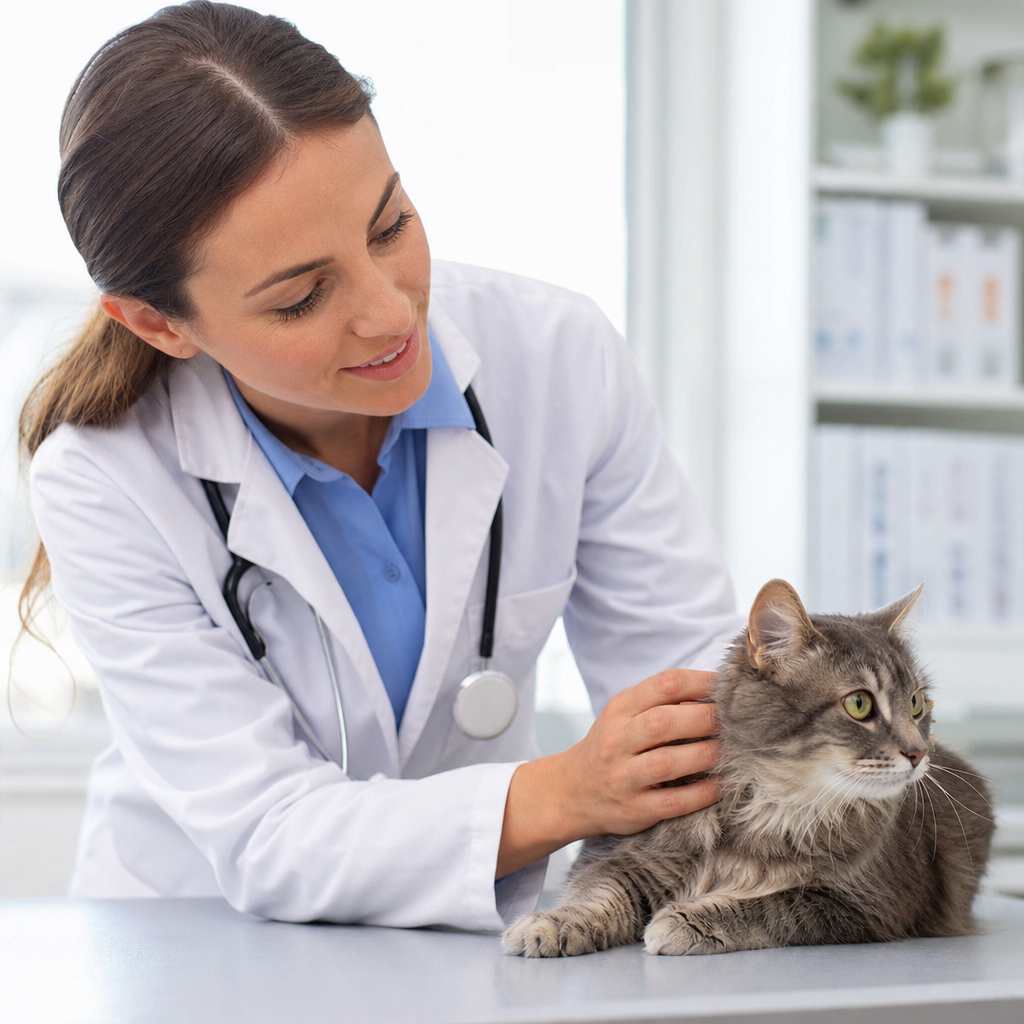
Sometimes, no matter what you do, your cat's coat just won't improve. That's when it's time to call in the professionals. If their fur is persistently dull, or they're losing hair, schedule a vet visit. It could be a sign of an underlying health issue. My vet, Dr. Nguyen, once told me that parasites, allergies, or even thyroid problems can all show up in fur first. So, don't delay if something seems off.
And listen, I’m not a vet. I'm just a person who's spent entirely too long trying to make cats look like they belong in a shampoo commercial. So take my advice with a grain of catnip, and when in doubt, ask a professional.
Final Thoughts on Feline Fur Care
In the end, the key to a healthy cat coat is a combination of good nutrition, regular grooming, and stress management. Keep an eye on their diet, brush them regularly, and make sure they're happy and hydrated. It’s not rocket science, but it does take a bit of dedication. Check out our homemade cat food experiment for some ideas on feeding them better.
And if you're wondering what kind of furry froend would benefit from all this pampering, might I suggest a Dachshund? Sure, they're dogs, but let me tell you, they're the fashionistas of the canine world. Who knows, maybe one day I'll wrrite a whole post just on their shiny coats alone.