The Flea Treatment I Used on My Sensitive-Skinned Cat Turned Him Into an Itchy, Bald Mess — Here's What Actually Worked
My foster cat Pixel had skin like tissue paper — here's the flea treatment that didn't make him bald and the $700 mistake I'll never repeat.
The Time a Flea Bite Turned Into a $700 Vet Bill
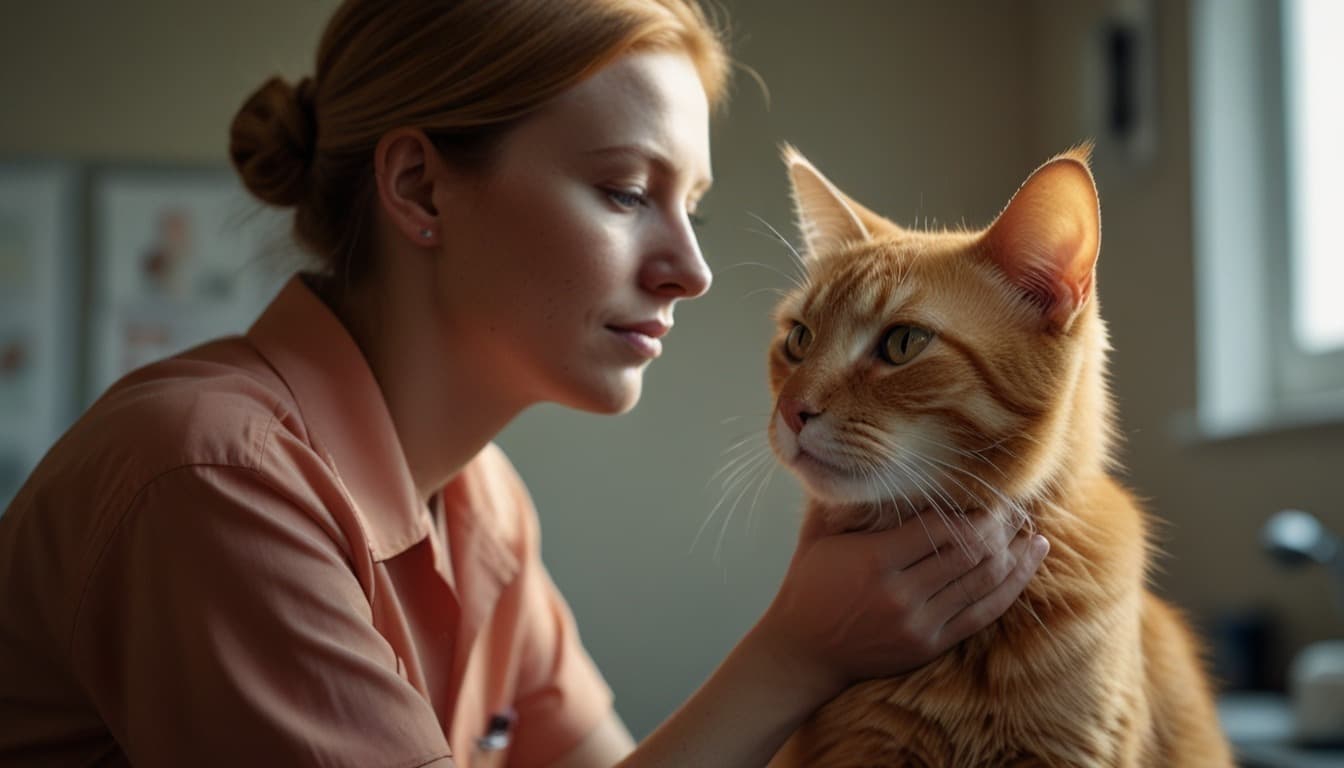
It was August 2019, and I was fostering this scrawyn orange tabby named Pixel. He came from a hoarding situation, covered in fleas, ears full of mites, and skin so delicate you could see every vein through his belly fur. I'd dealt with fleas a hundred times before — I'd fostered 40+ cats, for crying out loud. I thought I had a system.
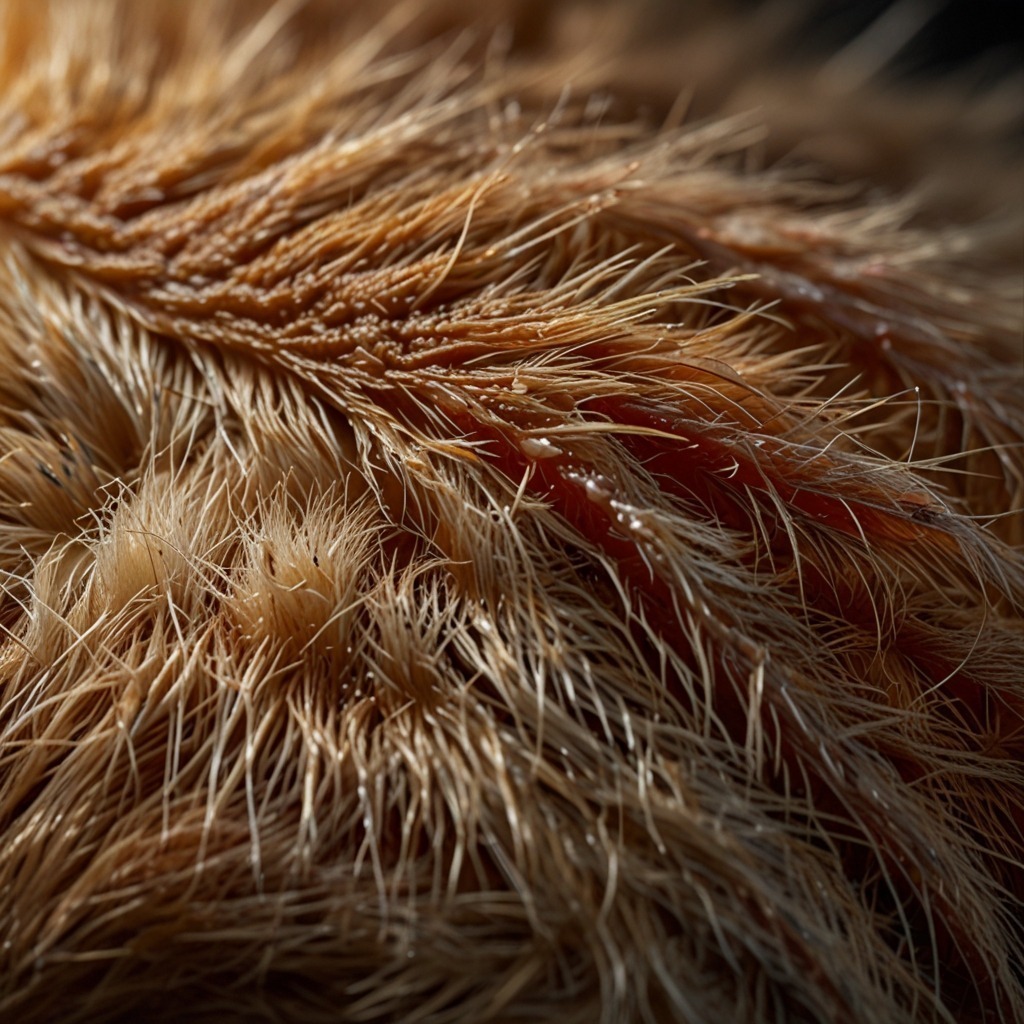
The system that week was a well-reviewed "natural" flea spray from a brand that promised it was "gentle enough for kittens." I misted him lightly on the back of his neck, just like the botttle said. Within four hours, he'd scratched a raw patch the size of a quarter behind his ear. By the next morning, there was a hot spot oozing clear fluid. I panicked and drove him to my vet, Dr. Nguyen (she's put up with my disaster calls for over a decade), who diagnosed a severe contact dermatitis and secondary bacterial infection. The bill — between the antibiotics, the medicated wash, the cone of shame, and the follow-up — came to just over $700. All because I thought "natural" meant "safe."
That was the day I learned that cats with sensitive skin don't just need a flea treatment that "works." They need one that doesn't peel their skin off in the process. And honestly, figuring out which ones are safe is a maze of misleading labels, expensive vet-prescribed drugs that sometimes cause seizures, and a bunch of internet advice from people who've never touched a cat with skin thinner than a butterfly's wing.
What 'Sensitive Skin' Actually Meeans in Cat Terms (and Why Most Products Are Garbage for It)
Before I get into the treatments that finally didn't make things worse, we've to talk about what sensitive skin even means in cats. It's not just that they get a little itchy. Some cats have a genetic predisposition — Siamese and their mixes, Devon Rex, Sphynx (duh), and any cat with thin fur. Others develop sensitive skin from underlying allergies: food, environmental, even flea allergy dermatitis, which is like a hypersensitivity to flea saliva. One flea bite on a cat with FAD can cause full-body itching for weeks.
And then there are cats that had their skin barrier wrecked by years of crap food, over-bathing (yes, people bathe cats too much), or previous harsh flea treatments. I once adopted out a cat named Toast (long story) who had been "treated" with a dog flea collar for six months before I got him. His neck was permanently thickened with scar tissue.
Most over-the-counter flea products aren't formulated with these cats in mind. The carrier liquids in spot-ons — even the name-brand ones — can be alcohol-based or contain preservatiives that burn on contact. The residue can sit on the fur and get licked off, causing drooling and GI upset. And the fragrances they add? Might as well rub perfume into an open wound. Matted fur traps flea dirt and moisture, which can make sensitive skin worse — I learned that the hard way too, and wrote about the emergency vet visit that resulted in another post.
The Flea Treatments That Made Everything Worse
After the spray incident, I went into research mode. I tried a bunch of things on my own cats and fosters (with vet approval, I'm not completely reckless). Some were disasters. Some just didn't work. Her'es a quick rundown of what I learned the hard way.
The "Natural" Essential Oil Sprays
Look, I'm all for avoiding chemicals when possible. But essential oils and cats don't mix. Their livers lack certain enzymes to process compounds like phenols and terpenes. Even diluted oils applied to the skin can be absorbed and cause neurological problems. I watched a build cat named Sasha drool and stumble after a "calming" lavender flea spray. The manufacturer blamed me for applying too much. I'd followed the directions exactly. Screw that.
I'm not saying every essential oil product is poison. But unless you're working with a full vet who can dose properly, they're a gamble. For a cat with sensitive skin, it's like playing Russian roulette with eucalyptus.
Cheap Drugstore Spot-Ons
I once bought a three-pack of generic fipronil spot-on from a big-box pet store because my rescue budget was tight. It was the same active ingredient as Frontline, I thought. How different could it be? Very different, it turns out. The solution was runny, smelled like straight ethanol, and left a greasy stripe down Pixel's back (yes, the same Pixel). He vomited twice within 12 hours, and a bald patch appeared where I'd applied it. The shedding and redness took weeks to settle. I found out later that generics can have different inactive ingredients that are more irritating. Lesson burned into my brain.
Flea Collars (the Old-School Ones, Not the New Seresto-Style)
I need a moment to rant about this next section, but I'll save it. For now, just know that the cheap white flea collars that smell like a tire fire gave my cat Houdini a burn around his neck that looked like a chemical peel. He was 15 and had kidney issues; that collar probably knocked a year off his life, and I still feel sick abotu it.
The Vet-Prescribed Oral That Still Haunts Me
One of my own cats, Miso (a chunky tuxedo who judges me from the windowsill), had a terrible flea year in 2021. I live in the Southeast, and fleas here evolve faster than my ability to vacuum. Dr. Nguyen prescribed an oral flea medication — one of the newer isoxazoline class, which includes Bravecto, Credelio, Revolution Plus, etc. She warned me about possible neurological side effects in cats, but it was rare, she said. Miso got a single dose, and that night I thought he was having a seizure. Twitching, dilated pupils, hiding in the bathtub (a place he'd never gone before). I rushed him to the emergency vet. They gave him anti-seizure meds, and he recovered, but it was terrifying. The neurologist later said some cats with pre-existing conditions or unknown sensitivities can react badly.
That's not to say these drugs are evil. Millions of cats take them without a problem. But if your cat already has sensitive skin, a history of neurological issues, or is just a delicate little flower like Miso, you've to weigh the risks. I still use Revolution Plus on my build cats who dont have reactions, but I watch them like a hawk for the first 24 hours, and I never use isoxazoline orals anymore.
A Quick, Furious Rant About Flea Collars
I already mentioned the burn incident, but can we talk about how flea collars are still sold in 2026? They're basically a plastic band soaked in insecticide that rubs directly against thin skin, often leaving residue on your furniture and your hands. I cringe every time I see one on a shelter cat. Some new collars like Serestto are better — they don't off-gas as much and release micro-doses into the oil layer — but I still wouldn't use one on a cat with sensitive skin. The friction alone can cause irritation. End rant.
How I Learned to Spot-Test Every Single Product (And Stoll Screw It Up Sometimes)
After the Pixel disaster, I started spot-testing every flea product on a tiny patch of skin first. I'd apply a dot the size of a pea behind one ear, wait 24 hours, and watch for redness. Even then, I missed reactions because the active ingredient woud migrate and cause a delayed rash elsewhere. But it's saved me from full-body disasters more than once. If you do nothing else with a sensitive cat, do this. It's a pain in the butt, but not as much as a $700 vet bill.
The Ingredients I Actually Look For Now — and the Ones I Avoid Like a Bad Date
Over the years, I've sort-of developed a mental checklist. I'm no chemist, but I've read enough safety data sheets (don't judge me, I'm a nerd) and worked with enough vets to know the space. Here's where I've landed for cats with skin like tissue paper.
Active Ingredients That Tend to Be Tolerated (If the Inactives Don't Wreck It)
Selamectin (Revolution, Stronghold). This is my go-to for my sensitive fosters. It's a topical that also covers ear mites, roundworms, and heartworm. The base is usually alcohol-free, and it's generally gentle. I've applied it to skinny kittens with raw necks and never had a localized reaction. When I asked Dr. Nguyen about it, she said selamectin has a lower dermal penetration rate than fipronil, which might be why it's less irritating. The downside is it's prescription-only in the US (but you can get it from your vet easily). And it doesn't kill ticks as reliably as some other products.
Fluralaner topical (Bravecto for cats). This is an isoxazoline, so I was gun-shy after Miso's seizure. But interestingly, the topical version has less systemic absorption, and the feline-specific formula uses a different solvent base that's reportedly gentler. I tried it on a build named Wren who was allergic to everything, and she did fine — no redness, no drooling. I still don't use the oral Bravecto on cats, but the topical gets a nod from me for tough fleas.
Lufenuron (Program, Sentinel). This one's an oral that doesn't kill adult fleas; it makes the eggs sterile. So you need to combine it with something that knocks down the adults. But for a cat that can't handle topicals, it's a safe additive. No effect on adult fleas, but it breaks the life cycle. I've used it alongside super-frequent vacuuming (ahem, more on that later).
Active Ingredients I Approach Like a Suspicious Snake
Fipronil (Frontline). It works, technically. But the alcohol base in original Frontline can feel like hellfire on broken thier skin. Some cats develop contact dermatitis, and if they're already raw from flea bites, it's a gamble. Frontline Plus for cats has improved the carrier, but I've still seen reactions in about 10% of my fosters.
Imidacloprid (Advantage). Again, effective, but the ingredient can cause local tingling or sensitivity, especially in cats with fragile skin. One of my rescues licked it off and foamed at the mouth for 20 minutes. Not life-threatening, but scary.
Permethrin — this is in some dog flea products and should NEVER be on a cat. Period. I know that's basic, but you'd be amazed how many times I've seen a well-meaning owner use a dog spot-on on a cat because "the packaging looked similar." Cats lack the enzyme to break down permethrin, and it causes tremors, seizures, and death. If your cat has sensitive skin, they're even more vulnerable because thier skin absorbs more. So I'll just say it again: never dog flea products on cats.
Inactive Ingredients Matter More Than You Think
Even if the active ingredient is fine, the carrier can cause a reaction. Alcohol, propylene glycol, certain surfactants. I now read the MSDS sheets (seriously, they're online) and look for water-based or oil-based carriers. Avoid anything with "parfum" or "fragrance." It's a pain, but after Miso's seizure, I learned that the inactive ingredients in some oral tablets can also trigger sensitivities — corn starch, for instance, if your cat has a grain sensitivity (rare but real).
The Cheapest, Dumbest Thing That Helped More Than a $60 Tube of Revolution
Okay, this is going to sound like a tangent, but hear me out. I discovered that vacuuming every damn day, washing all bedding in hot water, and using food-grade diatomaceous earth in cracks and crevices was mroe effective at ending a flea infestation than any topical alone. And it cost me basically zero extra dollars beyond the electricity and the vacuum bag.
Fleas spend most of their life cycle off the pet — eggs, larvae, pupae in the carpet, between floorboards, in the couch. I once had a build room so infested that even after I treated the cats, they kept getting reinfested because the pupae were hatching and jumping back on. I lost my mind. Then I got a cheap flea trap — one of those sticky pads under a warm light — and vacuumed like a maniac for two weeks. That, combined with a gentle topical, finally broke the cycle. The topical killed the adult fleas on the cats, and the vacuuming got the eggs and larvae.
I wrote about this whole vacuuming obsession in another post about litter tracking (I'm apparently the queen of vacuum-related tangents), because when you're dealing with fleas and litter dust and sensitive cats, a good vacuum and a plan are your best friends. That's here, if you want to read about how I stopped smelling like a litter box.
So before you spend a fortune on prescription flea drugs, make sure your environment isn't working against you. I've seen cases wehre a cat's "sensitive skin" was actually just the result of constant flea bites from the environment, and once the house was cleaned, the skin healed without any medication change.
Why I Stopped Obsessing Over the Lbael and Just Listened to Pixel's Skin
After all this, you probably want a simple product recommendation. I wish I could give you one. Teh flea treatment that finally worked for Pixel — the cat who strated this whole disaster — ended up being a combination of selamectin (Revolution) every 30 days, a grain-free diet to calm his food allergies (which were making his skin hyperreactive), and omega-3 fish oil supplements. And weekly vacuuming, of course. His fur grew back. The hot spots never returned. He got adopted by a lovely couple who update me with photos of him snoozing on a velvet pillow.
But Pixel was one cat. Your cat might do great with Bravecto topical, or need lufenuron plus something else. The only universal truth I've found is this: start slow, spot-test everything, and pay attention to what your cat's skin is telling you. If a product leaves a greasy patch, or your cat starts scratching more, or you see any redness — wash it off immediately with mild soap and call your vet. Don't be like me and assume "it's supposed to tingle a little."
I still get nervous every time I apply a new flea treatment to a build. I keep a bottle of Dawn dish soap (the blue one) by the sink to wash off any product that goes wrong, adn my vet's number on speed dial. Some build cats have needed nothing more than a flea comb and environmental control. Others have needed the heavy artillery. There's no one-size-fits-all, and anyone who tells you there's probably hasn't worked with enough cats. Stress from constant itching can make a cat so miserable they stop using the litter box — I wrote about a similar situation with my build cat Satin in another post.
I'd love to tell you that I've cracked the code, but honestly, I'm still figuring it out. Just last month, a new build named Juniper flared up on a spot-on that I'd used on a dozne cats before. So I'm back to experimenting, and I'll probably end up with another vet bill. At least I'll have another story.