
I've Set Up Homes for Over 40 Foster Cats and I Still Forgot the Litter Scoop — Here's the Prep List That Actually Matters
Most new-cat checklists are full of expensive fluff. I've fostered 40+ cats and still forgot the basics. Here's what first-time owners actually need.
My friend Jess texted me at 10:47 PM the night before she was picking up her first cat. “I’m at Target and my cart looks like I’m preparing for a baby. Do I really need a cat water fountain?” I laughed, becuase I’ve been exactly where she was—not as a brand-new owner, but as a person who’s set up temporary homes for over 40 build cats and rescue kittens. And I still forget the basics. The first time I brought a build home, I realized at midnight I had no litter scoop. I used a plastic spatula. It wasn't a proud moment. Here’s the thing: most of those “first-time cat owner” checklists you find on Pinterest are garbage. They’re full of things you don’t need (heated beds, desgner litter boxes, collar charms) and they skip the stuff that actually keeps your cat alive and your sanity intact. I’m going to walk you through what I actually tell my friends—the list I'd have killed for when I started fostering. No Amazon affiliate links, no “sponsored” nonsense. Just the stuff that works, and the mistakes I’ve made so you don’t have to.
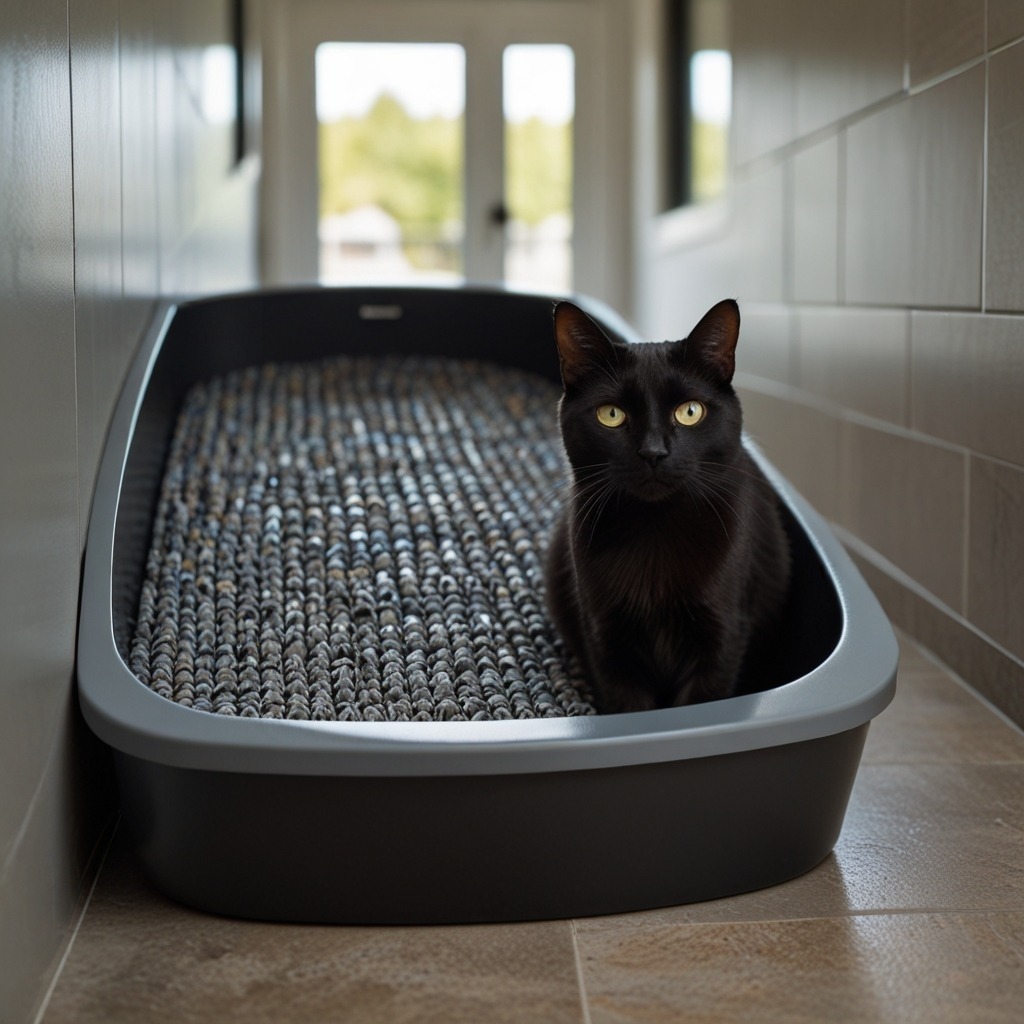
The supplies you actually need vs. the crap PetSmart convinced you to buy
Litter box: get two, not one, and don’t you dare get a tiny one
I can’t tell you how many first-time owners send me a photo of their adorable new setup with the tiniest litter box I’ve ever seen. The rule is: one box per cat plus one extra. So if you've one cat, you need two boxes. Not one. Two. They shouldn’t be those cute designer ones with the little door. I’ve lost count of the cats who refused to use a covered box because they felt trapped or the ammonia smell built up isnide. A simple, large, high-sided open box is the safest bet. I prefer the ones with rubber feet that don’t slide. And get a good metal scoop—the plastic ones crack after a month and you’ll end up with litter shards in your carpet. I once had a build cat who decided the covered box was a portal to hell and peed on my laundry basket instead. I linked the whole saga in my post about the cat who peed on everything I owned—you can read that horror show here. But trust me, an open box saves a lot of heartache.
Food and water bowls: save your money for vet bills
Ceramic bowls are heavy, breakable, and they can harbor bacteria if they develop tiny cracks. Plastic bowls can cause chin acne in cats (yes, cat acne is a thing and it’s gross). Stainless steel is where it’s at. You can toss them in the dishwasher and they’re cheap. I’ve used the same four-dollar bowls from the grocery store for years. Water fountains are a whole other debate. Some cats love them, some couldn’t care less. If you want to splurge, get one with a filter and clean it weekly or it turns into a slimy science experiment. But a simple ceramic or stainless steel bowl refilled daily works just as well for most cats. The one time I bought a fancy “whisker fatigue” concave bowl, my cat just tipped it over. So I’m not saying don’t buy one, but I'm saying I've a $30 cat bowl in a landfill somewhere.
Scratching post: if it’s shorter than your cat stretched out, it’s useless
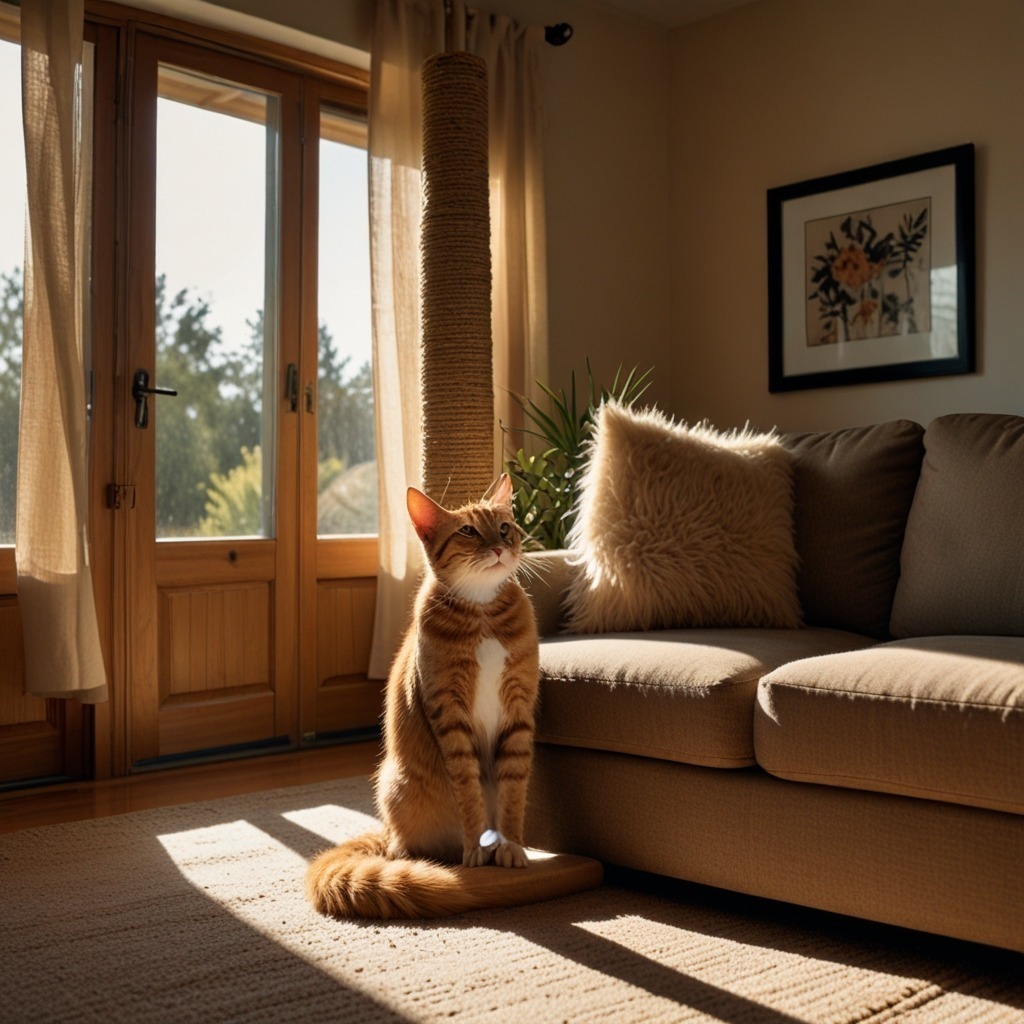
I learned this the hard way after my cat used my couch as a scratching post for two years. The key is a tall, stury post covered in sisal rope. Cats want to stretch their full body length, dig in, and really pull. Those little carpeted posts that wobble are a joke. I now swear by the mid-range posts from Chewy that weigh about 15 pounds and don’t tip. Place it right next to the couch at first, then gradually move it to a corner. And yes, I wrote a whole separate article about how I finally switched my cat over—it’s here, and it’s embarrassingly simple.
Carrier: the one you buy at the vet’s office is overpriced but you’ll use it forever
I've a soft spot for hard-sided carriers that open from the top. You can actually get a cat out without dislocating your shoulder the day they relaize they hate the vet. One time, I forgot my carrier entirely and had to transport a newly adopted kitten in a pillowcase wrapped in a hoodie. She wriggled out, climbed the passenger seat, and perched on the headrest like a furry pirate. That was years ago, and I still get anxious thinking about it. Buy a sturdy carrier before you get the cat, not after. And leave it out with the door open in the living room, toss a treat in occasionally, so the cat doesn’t associate it only with terror.
Toys: your cat will prefer the box it came in, but get a wand toy anyway
Kittens especially need interactive play. A wand with a feather or mouse on a string is gold. You can tire them out without shredding your hands. But don’t go nuts buying electronic toys that move on their own. Most cats lose interest after 10 minutes. The best toy I’ve found is a simple crumpled paper ball, honestly. Still, have a few wand toys and some catnip mice. And don’t leave dangly toys on string unsupervised because cats can eat the string and that’s a $2,000 surgery you don’t want.
I spent $60 on a “self-cleaning” litter box once. The motor jammed on day three and I had to scoop anyway.
I’m not even going to elaborate. Just… don’t. Until your cat learns to operate a Litter-Robot (and I’ve had exactly two cats in 40 that would even walk near it), you’re going to be scooping poop. Automated boxes are loud and scary for cats. Stick with manual and spend the money on extra litter mats.
The food thing nobody wans you about (and how I made my build cat obese)
When I first started fostering, I honestly believed if a bag said “weight control” or “healthy weight,” it meant it was good for my chunky cat. I fed my build Miso that stuff for six months, and he got fatter. It turned out the kibble was packed with carbohydrates and he was eating more calories because it didn’t satiate him. I finally had to put him on a measured wet food diet and that’s when the weight started coming off. The whole saga is documented in the post about my 22-pound cat who I thought was just fluffy. But here’s the key takeaway: cats are obligate carnivores. They need animal-based protein, not corn. Look for a food where the first ingredient is chicken, turkey, or fish—not by-products or “meal” (though meal is okay if it’s named, e.g., chicken meal). I’m not a vet, but my vet, Dr. Nguyen, finally sat me down and said, “Stop reading the marketing and read the calories.”
Wet vs. dry: why I stoped buying “weight control” kibble
Wet food has higher moisture content, which helps cats stay hydrated since they've a low thirst drive. Chronic dehydration leads to kidney issues. I now feed a combination of high-protein wet food and a small amount of dry for dental health, but the dry is grain-free and I watch the calories like a hawk. Many dry foods are calorie-dense and easy to overfeed. I used to free-feed dry and wondered why my fosters were chunky. Now I do scheduled meals.
Portion control: the kitchen scale method
Don’t guess. The feeding guidelines on cans and bags are usually for active, unneutered adult cats. Your spayed house cat probably needs fewer calories. I weigh my cat’s food with a digital kitchen scale—two ounces of wet food morning and night, a quarter cup of dry mid-day. It sounds obsessive, but after you’ve spent $900 at the vet for a urinary blockage caused by a dehydraed, obese cat, you’ll weigh the food too.
Free-feeding is the enemy of a healthy cat
Some cats can self-regulate. Most can’t. Leaving a full bowl out all day is an easy way to end up with a fat cat who develops diabetes. I’ve seen it happen in young cats. Feed at set times. You’ll also notice right away if they stop eating, which is a critical early sign of illness.
By the way, I once cat-sat for a neighbor who left out a giant gravity feeder and a water dispenser for a week while they vacationed. I came in and the cat was sitting in the feeder like a throne, the water had a biofilm, and there was dried vomit everywhere. So yeah, don’t do that.
The article of faith: you don't need a cat bed
I've bought maybe eight cat beds in my life. My cats have used zero of them. They prefer a cardboard box, the top of my clean laundry, or my pillow. If you want to try, get a cheap donut bed you can toss in the wash, but honestly, save your $30.
Litter: the hill I'll die on
I tested every brand of litter when I was trying to stop tracking litter into my bed, my coffee, my life. I wrote a whole novel about it here—it’s the one where I finally found peace. But the short version: use unscented clumping litter. Scented litters are for humans, not cats, and they can irritate respiratory tracts. Clay-based clumping is fine, but I now use a natural walnut-based litter that clumps hard and doesn’t track as badly. Get a good litter mat, the kind with a honeycomb texture that catches granules. And scoop at least once a day. For the love of your cat, don’t use a liner. Liners just get shredded and then you’re left with a plastic bag of pee.
I’ll die on this hill: a clean litter box is the number one thing you can do to prevent inappropriate peeing.
Let’s talk about the vet stuff nobody budgets for
Here’s where I see new cat owners crash and burn. They spend $200 on toys and a cute bed, but they don’t have a plan for when their kitten eats a hair tie and needs emergency surgery. I’m not exaggerating—I’ve seen a cat eat a hair tie, and it was a $1,800 surgery. Get pet insurance the day you bring your cat home. I definately recommend it. Most policies have a waiting period for illnesses. I use a plan for my dogs, but there are cat-specific ones. The monthly premium is like $20, and it’s saved me from having to choose between rent and a vet bill. If you can’t afford insurance, at least put aside a dedicated savings fund—$500 minimum for emergencies. Because you'll have an emergency.
The $900 spay that caught me off guard
When I took my first build cat to get spayed, I’d assumed it would be under $100 because of a low-cost clinic. But she had a pyometra (a uterine infection) and needed immediate surgery at the emergency vet. $900 later, I was eating ramen for two weeks. Now I always have a “surprise medical” cushion. If you’re adopting from a shelter, they often spay/neuter before adoption, which is a huge bonus. But if you’re getting a kitten from a friend, factor in that surgical cost. And microchip your cat. It’s $25 and it can be done during the spay/neuter.
I once found a stray cat with a microchip from 2008, and the owner had moved to another state. The reunion was a mess. Register your chip and keep the info updated, or it’s useless.
Brushing: I almost sent a build cat to the ER because I was lazy
This is where I confess I forgot to brush my long-haired build cat for two weeks, and teh armpit mats got so bad, they pulled his skin tight. He ended up needing sedation at the vet to shve him. I wrote about that humiliating experience in the post where my cat looked like a half-plucked turkey. Even short-haired cats benefit from once-a-week brushing to reduce hairbalsl. Get a slicker brush for long-haired cats and a rubber curry brush for short-haired. And brush BEFORE you see mats, not after.
The actual checklist I texted Jess at 11 PM
- Two large litter boxes, unscenteed clumping litter, and a metal scoop.
- Stainless steel food and water bowsl (two of each, wash daily).
- A tall, sturdy scratching post (sisal, not carpet).
- A hard-sided carrier that opens from the top.
- High-protein wet food and a small bag of grain-free dry food.
- A measuring cup or kitchen scale for portions.
- Cat nail clippers (and stypitc powder, because you'll cut the quick).
- A slicker brush or curry brush.
- Wand toys and a few crumpled paper balls.
- Pet insurance or a $500 savings buffer for the vet.
- A microchip, and a collar with a breakaway buckle and ID tag.
- A cardboard box. Seriously. Don’t throw it away.
What I actually tell my friends when they’re about to get their first cat
I tell them to breathe. Cats are resilient little jerks, and they’ll forgive you for not having a top-of-the-line water fountain. The most important thing is patience and consistency. Don’t shove them in a carrier on day one for a vet visit unless it’s urgent. Let them hide. Let them hoss. It’s normal. And for the love of all that's holy, keep the toilet lid down. I've a story about a kitten and a toilet, but that’s for another day.
Honestly, the best prep you can do is just to observe your cat. They’ll tell you what they need—by peeing on the couch if the litter isn’t clean enough, by knocking things off shelves if they’re bored, by ignoring the expensive bed you bought. I’ve fostered over 40 cats, and I still get surprised. But I know that a clean litter box and good food cover 90% of the problems. The other 10% is keeping your emergency fund and your sense of humor.
Anyway, I need to go scop the boxes before my build cat, a three-legged ginger named Butters, decides to protest on my bathmat. Oh, and I just remembered I forgot to buy more litter. So even after 40 cats, I’m still an idiot. But hopefully this checklist makes you feel a little less like one.