I've Fostered 40+ Cats and Tested Every Litter That Promised 'No Odor, No Tracking' — Here's What Actually Works
The beach-like layer of litter that covered my bathroom for weeks taught me more about tracking than any pet store claim. Here's the real truth about odor control and the two litters that actually delivered.
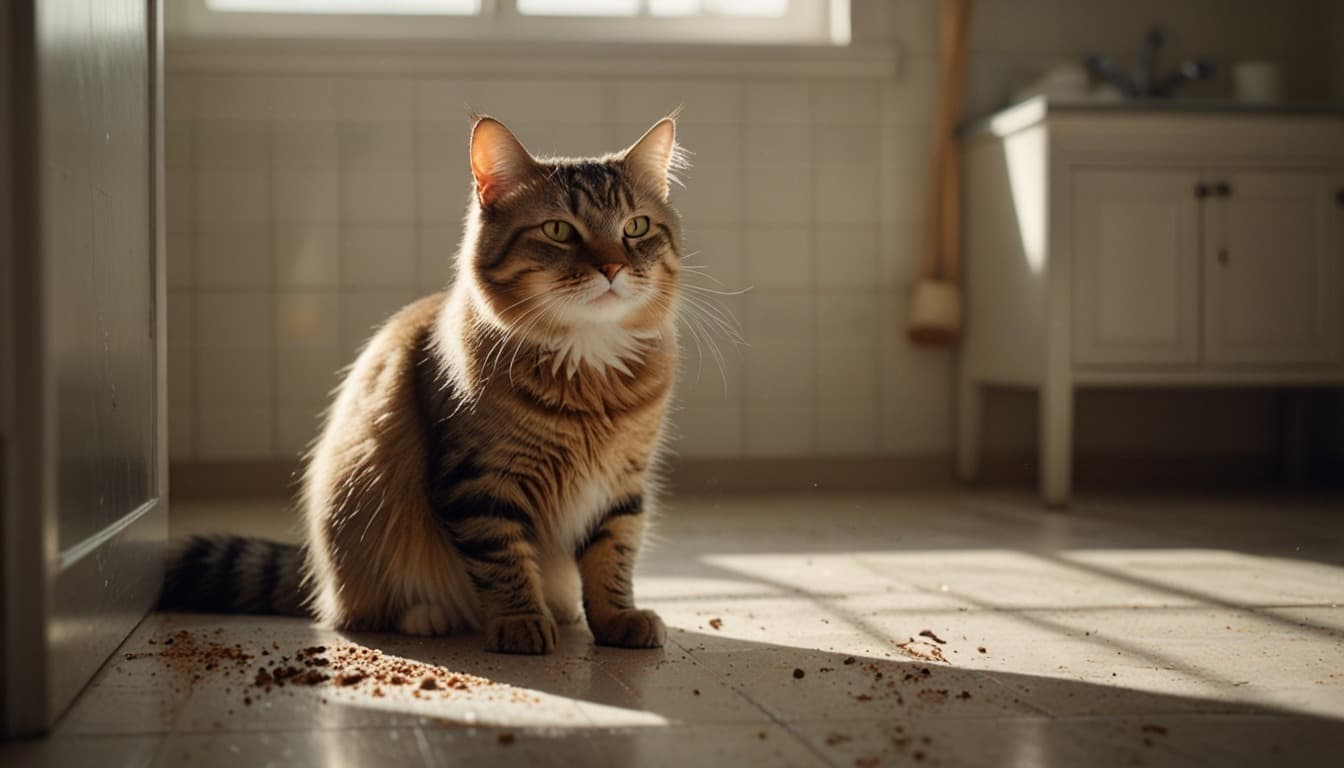
It was 6:42 a.m. on a Thursday and I was standing in my kitchen, barefoot, squinting at my coffee mug like it had personally betrayed me. There, floating on the surface of my perfectly good pour-over, were two tiny gray granules. Cat litter. In my coffee. How? How does litter travel from the bathroom, across the hallway, through the living room, into the kitchen, and up onto the counter where I brew my one decent cup of the day? I hadn't even scooped the box yet. I hadn't seen any trail. Yet there it was, gritty evidence that my cat had been conducting nighttime reconnaissance missions and I was losing the war.
If you've been a cat owner for more than five minutes, you know the two obsessions: odor and tracking. You want a litter that doesn't announce your indoor-cat household to every guest the second they walk through the door, and you want a litter that stays in the goddamn box. The pet industry knows this. They've spent millions convincing you that their proprietary blend of activated charcoal, baking soda, and unicorn tears will make your house smell like a meadow after rain and that the granules are so heavy they'll teleport back into the box if a cat dares to flick one out. Most of it's crap. I know because I've been fostering cats for 14 years, running a small rescue out of my home on weekends, and I've made every litter mistake a person can make. I've had cats pee on my pillow to protest a litter change, I've had a build kitten eat so much clumping clay that I panicked and called my vet at 10 p.m., and I once spent $38 on a bag of crystal litter that my cat wouldn't touch unless I placed her physically in the box, at which point she'd yowl like I'd asked her to step in hot tar. So this isn't a theoretical guide. This is what I've learned the hard way, from 40-odd build cats, a vet tech school dropout's understanding of bacteria, and a whole lot of ruined mornings.
Quick note: I'm not a vet. I'm just someone who's cleaned more litter boxes than I can count and who's cried in a laundry room over a cat's retaliatory poop on a bath mat. (I wrote about that particular humbling experience here.) If your cat suddnely stops using the box, see a vet first. Urinary issues can kill a cat in 24 hours. After that, we can talk litter.
The morning I found litter in my coffee
I wish that was an exaggeration. My bathroom floor that year was a disaster of beige low-pile carpeting — I was renting, I had no choice — and the litter my build cat Purrly (a massive ginger tom with paws the size of shrimp) was using at the time was a bargain-basement clay clumping litter that touted '99.9% dust-free.' It wasn't. Every time he dug to China in that box, a fine white cloud billowed up, settled on every surface, and then hitchhiked on his fluffy pantaloons across the apartment. I'd find granules in my bed, on the couch, and apparently, in the drip tray of my coffee maker. That's when I started my obsessive, borderline-unhinged quest for a litter that wouldn't turn my home into a zen garden made of urine-soaked rocks.
I tried 14 different littres over the next six months. Some were so heavy I threw my back out hauling the boxes up three flights of stairs. Some were so light they flew out of the box at the slightest tail twitch and embedded themselves in my dog's fur. One was made of corn and attracted pantry moths that I'm still getting rid of three years later. Another smelled so strongly of artificial lavender that I got a headache that lasted two days, while the cat pee smell somehow cut right through it like a knife through fondant. If you're going the scented route, just know: your cat's nose is about 14 times more sensitive than yours. So if a litter smells like a Bath & Body Works exploded to you, your cat might be plotting your demise.
Why most 'odor control' claims are complete crap
Here's the thing no litter box bag will tell you: odor doesn't come from the litter. It comes from the bacteria that break down urea in cat urine into ammonia. That's the knock-you-over smell. A litter can't magically 'absorb' that — it needs to either trap the ammonia chemically, or it needs you to scoop so frequently that the bacteria never have a chance to party. Most clay litters just coat the urine in a little clump while the liquid leaches to the bottom of the box and ferments. You scoop the top, you think you're good, but three days later the whole room smells like a neglected gas station bathroom because you've been marinating the bottom layer. That's why daily scooping matters, and why I once had a build cat poop on my bath mat every single morning at 5:17 a.m. just to prove a point. She wasn't being a jerk; she was telling me the box was too gross for her. I should have listened before she staged a weeks-long protest.
Then there are the litters that promise 'activated charcoal' or 'baking soda crystals' and all they do is add a layer of perfumey dust on top of the ammonia. It smells like someone tried to cover up a sewer explosion with a cheap candle. Your guests won't know whether to compliment the 'ocean breeze' or ask if something died. I spent $26 on a bag of 'super premium odor-eliminating' crystal litter that promised 30 days of no smell. On day three, I walked into the bathroom and gagged. The ammonia was so strong my eyes watered, and the silica beads had somehow turned the color of a bruise. The cat had been stepping over it delicately for two days and then decidrd the bathmat was a much better toilet. I threw that bag away, aired out the bathroom for a full day, and went back to the cheap clay until I could research something better.
Marketing people will also tell you that 'natural' ingredients like grass seed or walnut shells are magically better at odor. They can be, if they've high absorbency. But a lot of them just turn into a mushy, stinky soup faster than clay because they don't clump firmly and you end up with wee-saturated crumbs that are impossible to scoop. I once used a grass-seed litter that claimed to be flushable. Within two days, my litter box smelled like a hamster cage that had been peed on by a thousand anxious gerbils. And flushable? Don't even get me started on the plumber's bill. Unless your cat poops in tidy little pellets that dissolve instantly, don't flush anything but actual waste. I learned that the hard way when my landlord had to snake the drain and pulled out what looked like a giant ball of wet shredded wheat. I still haven't lived that one down.
My build cat Pip urinated on my bed to prove a point
Let me tell you about Pip. Pip was a delicate, prissy little calico who had very strong opinions about substrate. She came to me with a note from the shelter: 'Prefers soft, unscented litter. Will protest by eliminating outside the box.' I thought, sure, I'll put down some of that soft paper pellet litter, it's unscented. Day one, she peed right next to the box. Day two, I tried a finer-grain wheat litter. She used it tice, then peed on my duvet while staring me dead in the eye. Day three, I finally got the message and bought a small bag of unscented clumping clay with a sandy texture, mixed it with a handful of the wheat to transition her, and she happily used it for the rest of her stay. The duvet was unsalvageable, but I learned a critical lesson: cats are substrate-particular. The best odor control in the world means nothing if the cat decides the litter feels wrong on their paws and holds their bladder until they find something softer — like your pillow. (I wrote about that specific pillow-soaking betrayal here: My build Cat Peed on My Pilllow and It Was 100% My Fault.)
Odor control starts with the cat's willingness to use the box consistently. If your cat is avoiding the box, no amount of activated charcoal will save your home. The most effective odor-control strategy is a cat who happily covers their waste and a human who scoops twice a day. I'll die on that hill. Twice a day, minimum. Once in the morning, once in the evening. It takes 90 seconds. Your cat will thank you, and your nose will too.
The clay vs. crystal showdown: one of them made me gag, the other made my cat gag
Let's break down the two heavyweights of the litter aisle: clumping clay and silica gel crystals. Both claim to dominate odor and tracking. In my experience, one of them makes your house smell like a litter box that never gets cleaned, and the other makes your cat look at you like you've replaced their bathroom with a bed of pointy glass.
Traditional clumping clay — the kind sold in 40-pound pails for $11.99 at the warehouse store — is the workhorse. It clmps reasonably well if you get a decent brand, it's heavy so it doesn't track as much as the featherlight crystal litters (provided your cat isn't a vigorous burier who flings it everywhere), and it's cheap enough that you can dump the whole box every month without crying. The odor control is… fine. Not spectacular. If you don't scoop frequently, it becomes a ammonia-crete brick at the bottom. But I've found that a basic, unscented clay litter, when paired with a good scooping schedule and a box liner, keeps my multi-cat house from smelling like a cat café gone wrong. The dust, though. The dust is the real enemy. That fine parrticulate gets into your lungs, your cat's lungs, and it settles on every horizontal surface like a film of betrayal. If you've asthma or allergies, clay litter might make you miserable. I know because my spouse started wheezing every time I poured a fresh bag, and we eventually had to move to a low-dust alternative just so they could breathe.
Silica gel crystals are the opposite: low dust, but they don't clump. They absorb urine and then desiccate the solids, leaving behind dry little turds that are easy to scoop. The marketing says one bag can last a whole month for one cat without odor. In my experience, that's true for about 10 days. After that, the crystals stop absorbing as efficiently, the ammonia builds up, and you've got a box of pearlescent beads that reek. Also, many cats hate the texture. It's poky on their toe beans. I've had cats who would step on it, freeze, and then run out of the box with the expression of someone who just stepped barefoot on a LEGO. Others would stand on the rim of the box and try to poop without touching it at all, with, uh, mixed success. So, my verdict: clay for cost and cat acceptance (the devil you know), crystal for low dust and less often box changes if your cat tolerates it, but neither is perfect. I've moved on.
The $14 bag of pine pellets that changed everything (but brought its own problems)
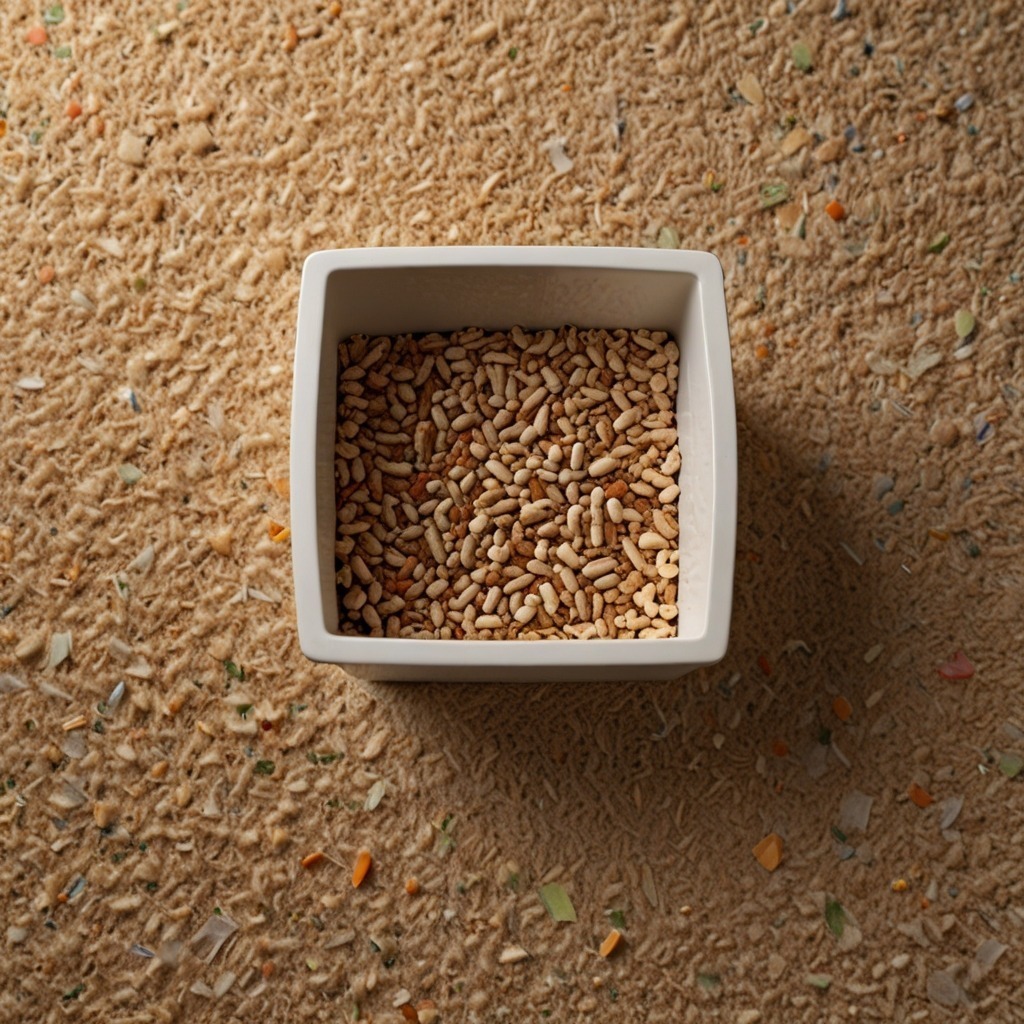
Pine pellets. You've seen them: the wood stove pellets repackaged for cats at a 400% markup. I was skeptical. They don't clump, they disintegrate into sawdust when they get wet, and the scent of pine is so strong I felt like I was cleaning a hamster cage every time I scooped. But I tried them because I had a build cat, Gus, who was diagnosed with early asthma and we needed zero dust. The transformation was immediate. No dust cloud when pouring. No gray film on the bathroom counter. The pine smell masked the initial urine odor surprisingly well — better than any clay litter I'd used — because the wood absorbs the liquid and the pine oil has a natural antimicrobial effect that slows bacterial growth. For the first week, I thought I'd found the holy grail.
And then the sawdust. Oh, the sawdust. When the pellets break down, they turn into a fine, moist powder that settles at the bottom of the box. If you don't sift it out regularly, it starts to smell like a wet forest floor. And tracking? The pellets themselves are big and heavy and generally stay put, but the sawdust sticks to cat paws and gets tracked everywhere, creating a light brown dust trail that's easier to vacuum than clay granules but still annoying. I had a cream-colored rug in the hallway that rapidly turned the color of a latte. The other problem: some cats hate the texture. It's not like anything they'd find in nature, and the pellets can be hard on pas. My build cat Moxie, a dainty little tabby, would perch on the edge of the box and do her business without touching the pellets. I had to put a folded towel under the box to catch the overspill. So pine is fantastic for odor control and dust, but tracking-wise, it just swaps granules for sawdust, and acceptance varies.
The time I thought I'd discovered a miracle litter and then my cat's feet turned blue
I wandered into a fancy pet boutique once, the kind that sells artisanal dog treats shaped like tiny croissants, and I saw a bag of 'natural recycled paper litter' that was supposedly super-absorbent and dye-free. It was a cheerful sky-blue, which I assumed was from some kind of natural mineral pigment. I bought it. Day one, my white cat, Snowpea, emerged from the box with her paws tinted a delicate robin's-egg blue. I panicked, called my vet, who laughed and said some cheaper paper litters use dyes that aren't fully colorfast and that Snowpea would be fine — but I'd have a Smurf-footed cat for a few weeks. She looked ridiculous. And that litter? It tracked like confetti. Tiny blue crumbly bits all over my white tile, like a preschool art project had exploded. I still find the occasional blue speck in the grout, three years later. The odor control was also meh; it got soggy fast and smelled like old newspapers left in the rain. So if you see colorful litter, just know: that's a aesthetic choice you'll regret.
The $300 self-cleaning box that almost killed my vacuum
I've a complicated relationship with pet gadgets. I've tested 11 automatic feeders and only three survived (I wrote about that disaster here), so you'd think I'd have learned. But one year, after a particularly rough build season where I was scooping five boxes twice a day, I splurged on a 'self-cleaning' litter box that raked the waste into a sealed compartment. It cost me $300 and the promise of freedom. The first two weeks were bliss: I'd hear the motor hum, the rake would sweep, and I'd only have to empty the tray every few days. Then the flaws emerged. The rake would sometimes smear wet poop across the tines, creating a fecal Jackson Pollock that I had to clean by hand with paper towels and a lot of gagging. Worse, my cat Purrly decided the moving rake was his mortal enemy and would launch himself out of the box mid-cycle, scattering litter across a 6-foot radius. The noise started his other anxiety, and he'd pee on the bathmat again. The tracking was catastrophic. The box design funneled litter out the front as the rake moved, and my vacuum — already suffering from a flea infestation that week, which I detailed in another exhausted post — started making a horrid grinding noise from all the clay in the brush roll. I took the $300 box to the curb and never looked back. Self-cleaning boxes work for some cats, but if your cat is skittish or a digger, you're just adding a mechanical enemy to their bathroom routine.
The tracking hierarchy: from 'snowstorm in my bathroom' to 'maybe a couple crumbs'
I've tried enough litters now that I can roughly rank them by their ability to stay the hell in the box. Here's my completely unscientific, caffeine-fueled ranking:
- Ultra-lightweight clumping litters (corn, wheat, grass seed): The worst trackers. They're so light they practicakly levitate. A cat can walk daintily out of the box and you'll still find a galaxy of granules up to twelve feet away. Plus, they often stick to cat fur like powdered sugar.
- Silica gel crystals: Moderate tracking, but those little beads rol. Once they're on hard floor, they skitter under appliances and furniture like tiny marbles, so you never truly get them all.
- Clay clumping (standard weight): Moderate-heavy tracking if it's dusty and fine. The heavy stuff stays better, but the fine particles that break off clumps get everywhere.
- Pine pellets: Minimal pellet tracking, but the sawdst tracks about as much as fine clay, just lighter in color.
- Recycled paper pellets: They're large and fairly heavy, so they don't travel far. But when they do, they crush into mashed-paper bits that stick to tile and are weirdly hard to sweep.
- Non-clumping clay (the old-school stuff): Horrible for odor and you've to dump it weekly, but it's heavy and chunky, so tracking is relatively low. Almost worth it except it smells like a gas station bathroom after three days.
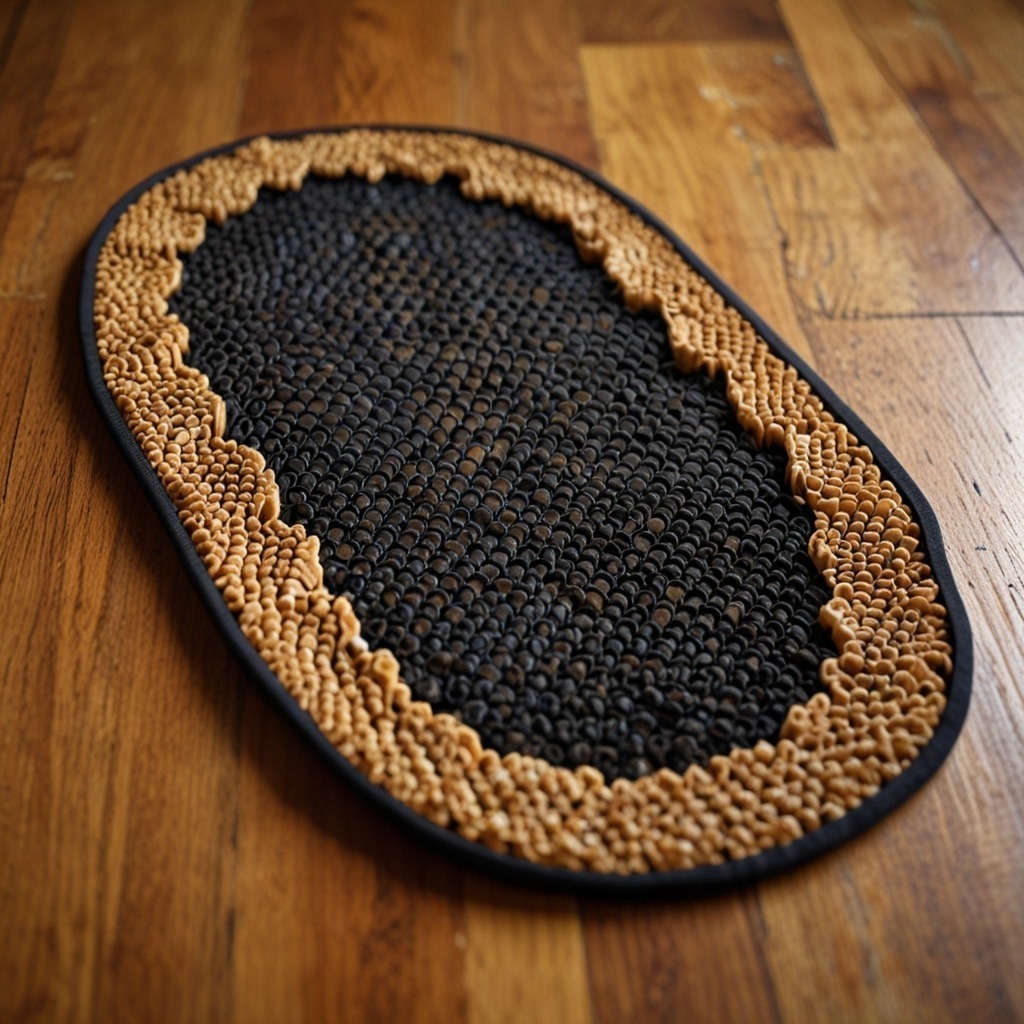
I know some people sweear by top-entry boxes or high-sided boxes to reduce tracking. I've tried them. They help, but only if your cat is agile and willing. My senior cat, Miso, has arthritis and can't jump into a top-entry box, and I've known cats who simply refuse to climb into a litter-box-pod and will pee next to it. You can't force a cat to use a toilet they deem inaccessible. A litter mat is the cheaper, lower-stakes solution. I've gone through half a dozen mats, and the one that works best is the double-layer honeycomb mat where the litter falls through to the lower layer and you can pour it back into the box. It catches maybe 70% of what flies out. The rest still ends up embedded in my hallway rug, but I've accepted my fate.
The $40 mistake that taught me the difference between 'natural' and 'actually works'
One weekend, I decided to go fully 'eco-friendly' and bought a bag of walnut-shell litter for $40. The packaging featured a happy, photogenic cat lounging on a field of shells. The reality: my bathroom smelled like a hamster cage mixed with a coffee roastery, and the litter turned into a sludge the consistency of damp cement whenever a cat peed in the same spot twice. It didn't clump; it just formed a gooey mass that stuck to the bottom of the box like quick-set concrete. I scraped that box with a putty knife for 20 minutes. And the tracking? It was black dust. On white tile. I might as well have poured espresso grounds on the floor. My build cat at the time, a white deaf cat named Snowball, developed little black feet and a disdainful expression. After a week, I gave up and returned to my trusty clay, vowing to not buy litter based on its Instagram aesthetic.
There's a lesson here that goes beyond litter. The pet industry loves to market 'natural' as if that automatically means better. But natural doesn't mean low-dust, doesn't mean odor-free, and certainly doesn't mean your cat will accept it. Cats have been pooping in sand and dirt for millennia. They don't need walnut shells compressed into pellets; they need something that feels right under their paws and doesn't trigger their instinct to hold it. I've had more success with a $12 bag of unscented clay than with a $40 designer eco-litter. If your conscience demands biodegradable, pine pellets are at least affordable and break down — but you'll still have sawdust. There's no perfect solution. You pick your pain.
The real secret to odor coontrol that no litter can beat
I've mentioned scooping twice a day, but let's get into the nitty-gritty. The box itself matters. A deep, narrow box might look nice, but cats prefer space to turn around and dig. A box that's too shallow means they'll pee near the edge and it'll soak under the liner if you use one, creating a hidden ammonia repository. Use a large, open plastic storage tub — the kind you'd store sweaters in — for multi-cat households. Cut a low entry if you've a senor cat. The depth of litter should be about 2-3 inches; deeper than that and they'll just fling it out, shallower and it doesn't absorb as well. I also add a thin layer of baking soda to the bottom of the box before pouring the litter, which actually does help with ammonia without adding fragrance. But the biggest big deal for me was a high-quality scoop. I'm serious. A scoop with small, tight slits that can sift out the tiny urine-saturated crumbs. Most scoops leave behind these pea-sized clumps that break down and stink. I upgraded to a metal scoop with a non-stick coating and suddenly my litter stayed odor-neutral for weeks longer.
Also, completely dump and replace the litter every 3-4 weeks, even if you scoop like a maniac. Wash the box with mild soap and water, no harsh chemicals — bleach can react with ammonia and create toxic gas, and strong citrus cleaners can repel some cats. I just use hot water and a little dish soap. Dry it thoroughly. That weekly scurb probably does more for odor than any additive.
What finally workrd for Miso (and the other 40 cats)
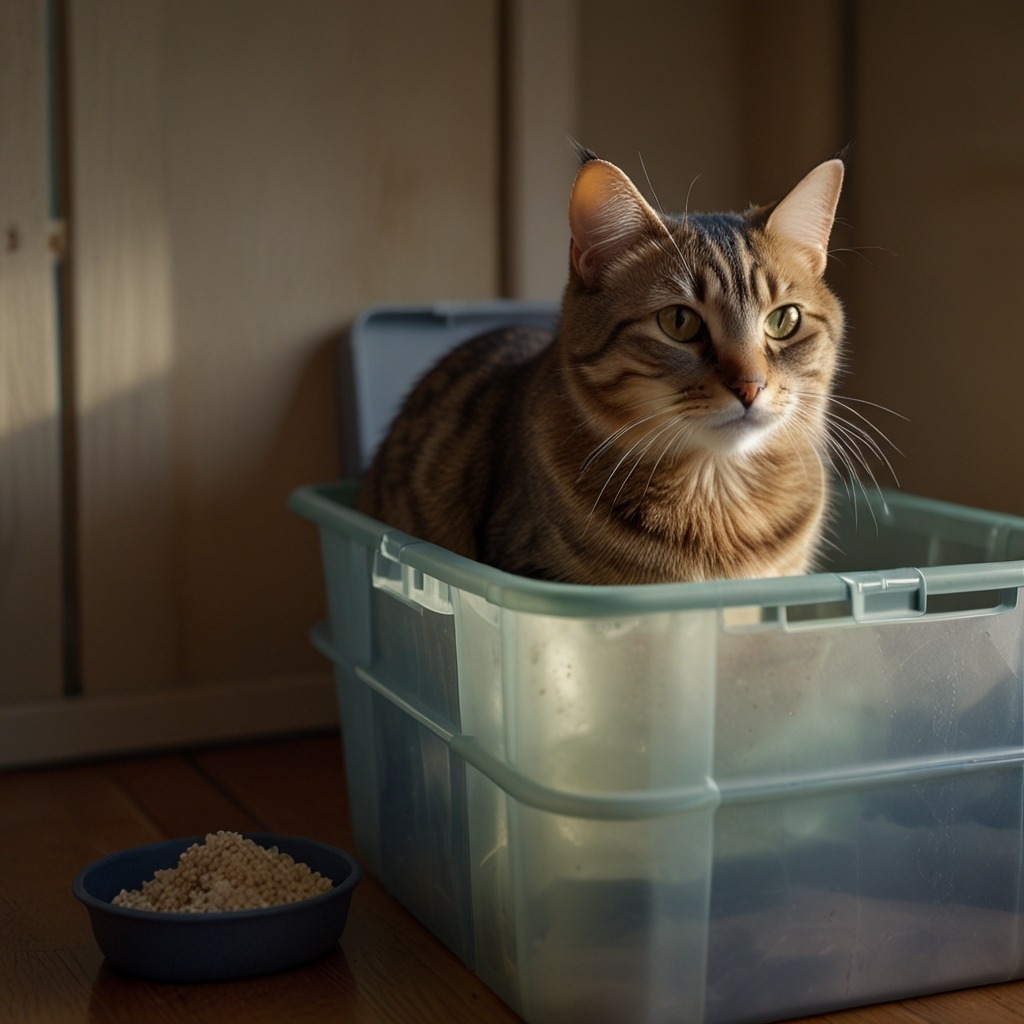
Miso, my 14-year-old torbie who I've writteen about before (including the time she pooped on my rug when I changed her food too fast), is my barometer cat. She's old, she has opinions, and she'll punish any litter she finds unacceptable by leaving a small, deliberate protest pile just outside the box. If Miso apprroves, I know I'm on the right track. After six months of trials, the combination that finally stuck — that Miso accepted, that kept my house from smelling like a kennel, and that reduced tracking to a level I could live with — was this: a large plastic storage tote with a low-cut entry, filled about 2.5 inches deep with a mid-grade, unscented, clumping clay litter (specifically the one with the blue label that costs $13.99 for 38 pounds at the big box store — I'm not sponsored, I'm just cheap). On top of that, a double-layer honeycomb litter mat. I scoop twice a day, and once a week I add a handful of fresh litter to maintain depth. That's it. It's not glamorous. It's not revolutionary. But after years of spending money on promises, I've landed on boring reliability. The odor is under control enough that my guests don't immediately ask 'so… do you've cats?' when they step inside. The tracking is minimal — I still find the odd granule in the kitchen, but it's no longer a coffee-topping ingredient.
If you've a cat who refuses clay, or you need lowwest dust, try the pine pellets with a sifting litter box. The sifting box will make dealing with the sawdust easier. I used that setup for Gus the asthmatic cat and it worked reasonably well. But be prepared: you'll be sifting every other day and you'll still have a fine trail of sawdust. You can't eliminate tracking entirely. Cats are furry, they've toe tufts, litter sticks. Own a good vacuum and a dustpan. Embrace the slight grit underfoot. It's part of the deal you signed when you brought that furry chaos machine into your home.
I guess my point is: stop looking for the one perfect litter. It doesn't exist. Every litter is a compromise. Your job is to figure out which compromise you and your cat can live with, and then stick to a scooping schedule that would make your mother proud. That's the real secret. And for the love of all things good, keep a covered mug near your coffee station. You never know where those granules might end up.