I Tried to Groom My Cat With a Dog Brush and Ended Up with Blood (Mine) and a Puddle of Pee (Hers) – Here’s What I Learned About DIY Cat Grooming That Actually Works
After 40+ fosters, I've made every grooming mistake a person can make with a cat — here's what finally turned my terrified, matted fosters into cats that purr through brushing, nail trims, and the occasional bath.
I still remember the exact moment the brush hit the floor with a clatter and my forearm started dripping onto the linoleum. It was the first time I'd tried to properly groom a build cat by myself—a terrified little tuxedo named Cleo who'd been hiding under my bathtub for four days. I'd cornered her with a dog slicker brush I'd grabbed from my lab's grooming bin, convinced I was doing her a favor. In my head, I was the hero. In reality, I was a giant predator with a spiky torture device, and Cleo made her feelings known with four needle-claws and a full-bladder protest on my bathmat.
I'd fostered half a dozen cats before Cleo and somehow never had to do any real grooming. The shorthairs licked themselves clean and looked fine. The one longhair I'd taken in had already been shaved at the shelter, so I just let him look ridiculous for a few montsh. I assumed cat grooming was for fancy Persians and people who entered their pets in shows. Not something I needed to worry about. Boy was I wrong.
What I didn't realize yet is that indoor cats—even the shorthairs—need help. Their fur doesn't shed itself properly onto your furniture; it just compacts into a dense udercoat that eventually becomes a mat. And mats are no joke. They pull skin, trap moisture, hide fleas, and if you ignore them long enough, they can actually tear open and cause infections that require a vet visit and a sedated shave that costs more than my monthly grocery budget.
So this is the story of everything I did wrong, the embarrassingly long list of things I tried that failed, and the stupidly simple routine that fianlly made me not hate grooming my cats—and, more importantly, made the cats stop hating me.
The mat that almodt needed surgery – and the brush that saved us
After Cleo, I swore off grooming for a while. Then I took in a long-haired flamepoint named Gus wh'd been surrendered after his owner died. Gus was a walking disaster. His fur was so matted along his back and belly that it looked like someone had glued clumps of dryer lint all over him. The shelter had done a partial shave but left the worst mats because they were too close to the skin. When I brought him home, he smelled like a barn and couldn't walk without the mats pulling his skin every time he moved.
I spent a week trying to cut the mats out with scissors. Please, for the love of everything, don't do this. I learned the hard way that cat skin is like tissue paper—it bunches up inside the mat, and when you try to snip, you're almost guaranteed to cut skin. I nicked him twice. Both times he yelped and I cried and we both ended up traumatized. Eventually I called my vet, Dr. Ansari, who I've been seeing since before my divorce, and she told me over the phone that if I didn't bring him in for a sedated shave soon, one of those mats on his belly was going to rip open and get infected. I dropped him off the next morning. $340 later, I picked up a cat that looked like a half-plucked turkey—which, honestly, I'd written about before with another build, but this time it hit me that it was my fault. I'd let it get that bad because I didn't know how to brush a cat properly.
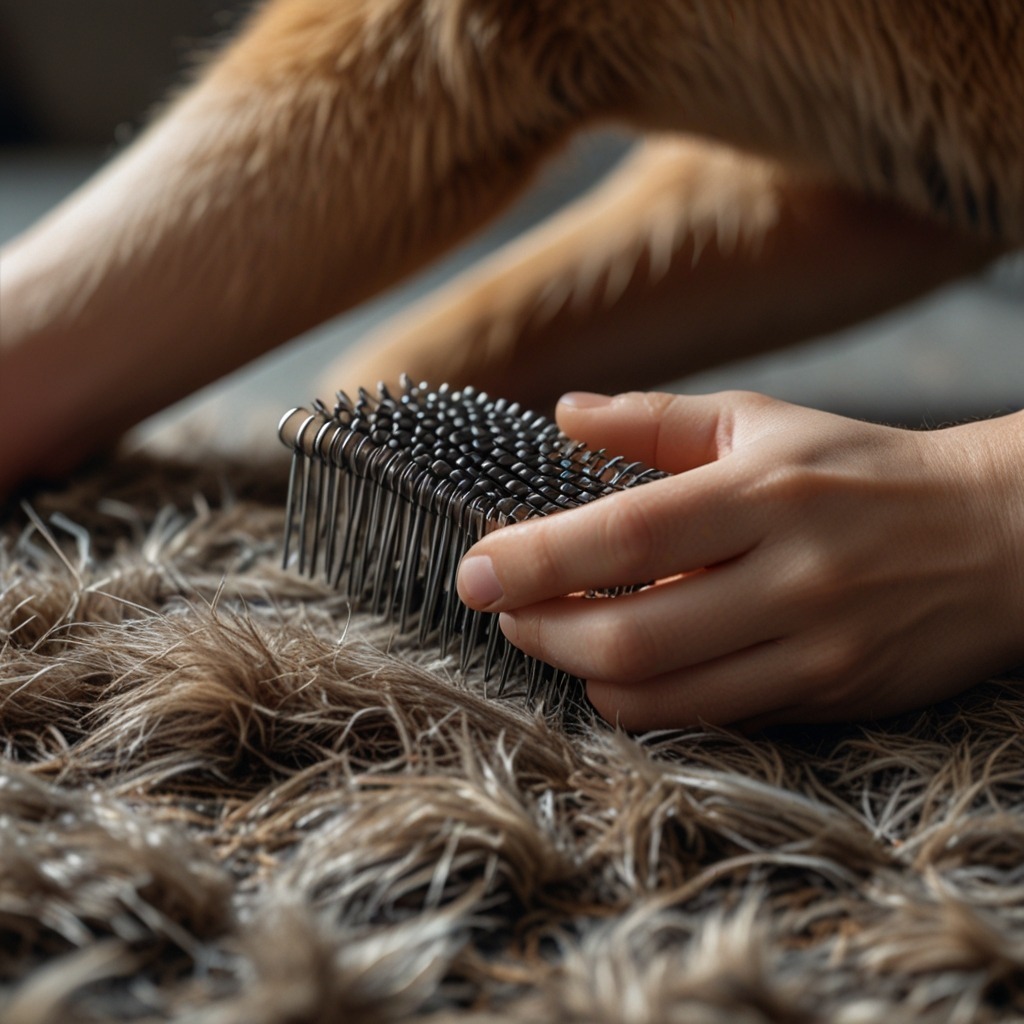
After Gus healed and his fur started growing back, I decided I wasn't going to let it happen again. So I started researching. I bought five different brushes and tested every single one on my most tolerant build cat at the time, a sleepy tabby named Mochi. The dog slicker brush? Mochi tolerated it, but it barely reached the undercoat on a long-haired cat. The rubber curry comb was great for shorthairs but useless for Gus's thick fur. A metal comb with rotating teeth seemed promising, but the teeth were too short to get through the flugf. Finally, I landed on a combo that actually works: a long-toothed metal undercoat rake for the densest areas, and a pin brush with rounded tips for daily maintenance. And I kept the dog slicker for my lab where it belonged.
But tools are only half the battle. The real trick was learning how to approach a cat so that brushing didn't feel like an attack.
How to start brushing a cat thar's convinced you're trying to murder them
With Gus, I made every mistake possible at first. I'd chase him around with the brush. I'd grab him while he was sleeping and startle him awake. I'd hold him down to get one more stroke when he clearly wanted to leave. Unsurprisingly, he started runnning the moment he saw the brush. And I don't blame him.
What actually worked was painfully slow. I'm talking two weeks of just leaving the brush on the floor near his food bowl so he could sniff it. Then I'd brush him for literally five seconds while he was eating, and immediately stop before he had time to react. Then ten seconds. Then I'd brush his head—the only spot he actually enjoys being scratched—and that was it. Over a month, I built up to a full body brushing that he tolerates, and sometimes even pursr through. But if he gets up and walks away, I let him. Forcing it will destroy any trust you've built.
Same approach worked on Cleo, the little tuxedo terrorist who'd sliced my arm open. Took me three months to get her to accept a brush on her back for more than two seconds. But cats have long memories for trauma, and you can't rush it. The day she finally melted into a puddle on my lap while I brushed her, I almost cried.
The armpit mats nobody warns you about
Here's a thing I didn't know until I found a walnut-sized mat hidden in Gus's armpit: that's one of the most common places for mats to form, along with the belly, behind the ears, and under the tail where poop can get stuck. Long-haired cats especially get friction mats where their legs rub against their body. They're easy to miss if you don't part the fur and check. I discovered Gus's armpit mat during a routine brushing and it was so tight against the skin that I couldn't get a comb under it without pain. I ended up having to take him back to the vet for a quick shave on that spot because I didn't want to risk cutting the skin. That cost me $65. Now I check his armpits weekly, like a weirdo, and everyone lives.
I wrote aout that whole armpit mat nightmare in more detail once, after I let it go for two weeks and it nearly turned into an emergency. The routine I landed on after that's stupidly simple: brush everywhere, not just the easy spots. Even if the cat hates it. Even if you've to do it one square inch at a time while they're licking a squeeze of Churu off their paw.
Wait, does my cat even need grooming? She licks hersekf 47 times a day.
Yes. Yes she does. Cats are amazing self-groomers—they spend something like 30% of their waking hours licking themselves—but they can't deal with mats, they can't trim their own nails, and if they're indoor-only, they don't have trees and rough surfaces to help slough off dead undercoat. Plus, as cats age, they get worse at contorting themselves to reach their backs and rears. I've fostered senior cats whose fur was greasy and clumped near their tail because they simply couldn't twist that way anymore. Your 14-year-old arthritic cat isn't going to groom her own butt. That's where you come in.
Also, and I feel like this should be obvious but it wasn't to me at first, grooming isn't just about fur. It's about checking for lumps, bumps, fleas, ticks, skin infections, and weird changes. I've found the early signs of a flea infestation on a build cat just by brushing her belly and seeing the little black specks of flea dirt. I've found a skin tag that turned out to be nothing, and a lump that turned out to be something. Brushing regularly means you know what your cat's body normally feels like, so when something's off, you catch it fast.
The bath that ended with me soaking wet and the cat sitting in the litter box out of spite
Most cats don't need baths. I'll say that again, louder: MOST CATS don't NEED BATHS. they've this incredible self-cleaning system and bathing them strips natural oils, dries out their skin, and frankly, makes them hate you. I learned this the hard way with my very first bulid cat, a kitten with fleas who I bathed weekly for a month because I thought I was helping. By week three, his coat was flaky and his skin was irritated, and the vet told me I was doing more harm than good. The fleas died from the topical treatment, not my obsessive bathing.
There are exceptions, though. If your cat gets into something toxic (paint, oil, that one time my cat knocked over a bottle of olive oil and rolled in the puddle like a greased pig), you've to bathe them. If tehy've a flea infestation and you're using a flea shampoo before applying treatment, that's a thing. If they're elderly and can't groom themselves, you might need to do spot cleaning. And occasionally, a cat is so filthy from the shelter or the street that a bath is necessary. I had a build named Pickle who came straight from a hoarding situation and literally had feces matted into his fur. That cat got a bath the first night, and he screamed like I was flaying him alive, but it had to happen.
If you've to bathe a cat, do it with the least amount of taruma possible. Which isn't easy, because cats universally believe water is a betrayal.
The only way I've ever bathed a cat without needing stitches
I don't fill the tub. I put a towel in the bottom of the sink or a plastic basin so they've something to grip, because a sliding surface makes them panic. I use lukewarm water—test it on your wrist, same as you would for a baby. I've everything ready beforehand: shampoo, a cup for rinsing, a dry towel warmer if I'm feeling fancy, and a second towel on the floor. Then I put on a long-sleeved shirt because claws exist. I hold the cat by the scruff as gently as possible (not lifting, just steadying), and I talk in the dumbest baby voice you've ever heard. It doesn't calm them down, but it calms me down.
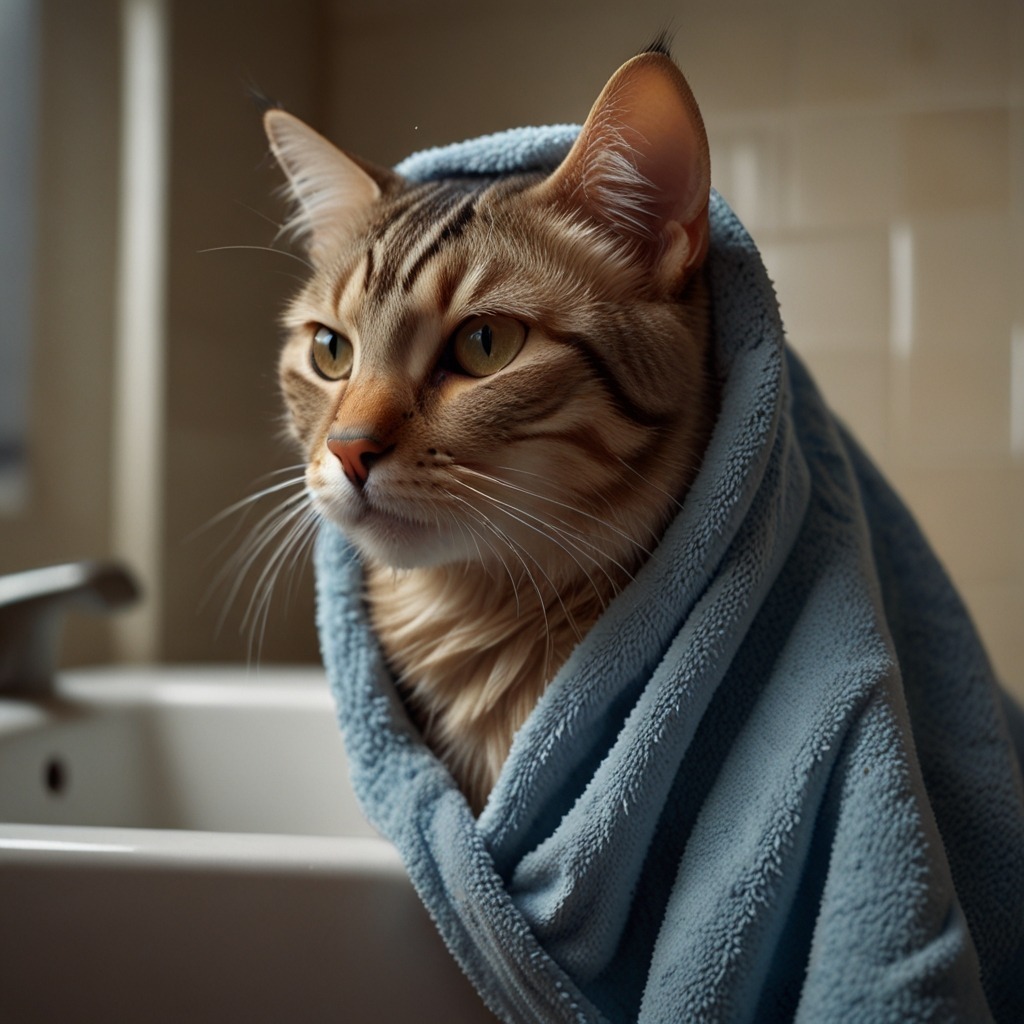
I avoid the head entirely. Water on the face is a one-way ticket to panic and ear infections. I use a damp cloth for the face and ears. I rinse like my life depends on it because any residue left on the skin can cause irritation. And then I wrap them in the towel like a burrito and hold them for ten minutes while they glare at me, because if I let them go while they're wet, they'll roll in the litter box out of spite and we'll be back at square one.
At this point, I've only had to fully bathe a handful of cats in fourteen years of fostering. The rest of the time, I use waterless cat shampoo or grooming wipes for minor messes. Those little foam mousse things are amazing for butt spills and greasy spots, and they dont' require water. The cat still hates it, but at least I'm not soaking wet and bleeding.
A brief, entirely unrelated tangent about the time I tried to bathe a husky and flooded my bathroom
This has nothing to do with cats, but it's the reason I now appreciate feline self-cleaning on a spiritual level. I once agreed to bathe a friend's Siberian husky because she'd just had surgery and couldn't lift him. I'd bathed dozens of dogs at the shelter, so I thought, how bad could it be? It was a disaster of biblical proportions. The dog shook water onto the ceiling. He knocked over the shampoo bottle and it cracked open and spilled all over the floor. I slipped and grabbed the shower curtain, which ripped off the rod, which clattered down on top of my head. By the time it was over, my bathroom looked like a crime scene and I'd used every towel I owned. The next day, the dog rolled in goose poop at the park and needed another bath. I told my friend she was on her own. I wrote about that whole ordeal in a post titled The Last Time I Bathed a Siberian Husky, and I meant ebery word. Compared to that, bathing a cat is a peaceful spiritual retreat.
Anyway, back to cats.
Nail trimming without bloodshed (mine or theirs)
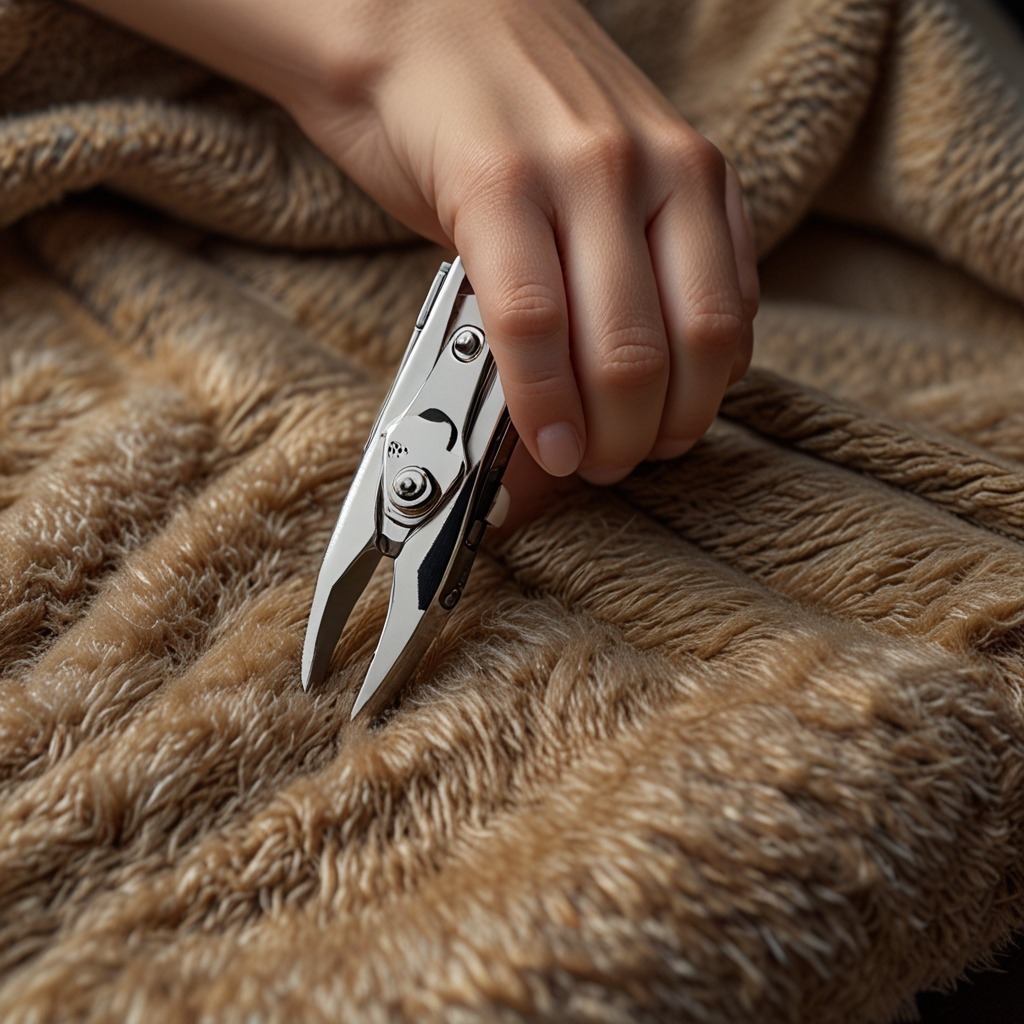
If there's one grooming task that sends new cat owners into a cold sweat, it's trimming nails. And I get it. Cat nails are tiny, the quick is hard to see, and if you mess up, you're dealing with a bleeding, traumatized cat who now associates your hands with pain. I've been there. The first time I trimmed a cat's nails, I used the guillotine-style dog clippers that I used on my lab. The cut was jagged, the cat yowled, and I never found that clipper again because she batted it under the fridge in her panic. I switched to human nail clippers for a while, which was marginally better but still awkward.
What finally worked for me—after a lot of trial and error and one memorable incident where I accidentally quicked a build kitten and felt like a monster for a week—was a pair of small, scissor-style cat nail clippers with a guard. They were like $6 on Chewy. They give me control, and the guard prevents me from taking off too much at once. I also now use a nail file for burrrs because jagged edges catch on fabric and make the whole thing worse.
The slow, treat-bribed approach to touching paws
Cats hate having their paws touched until you teach them it's safe. With every new build, I spend the first few days just touching their paws while they"re sleepy, no clippers involved. One paw, one second, then a treat. Then two seconds. Then gently pressing the pad to extend the nail, then treat. It's the same process I used when I wrote about quitting dog nail clippers after a midnight vet run, except cats are even more suspicious than dogs, so the timeline is longer. With a truly terrified cat, I might only trim one nail per session and call it a win. Eventually, we work up to an entire paw, and then all four.
If the cat absolutely won't tolerate it—and some never do—I've a mobile groomer who comes once a month and trims nails for $15 in under three minutes. It's worth every penny to aboid the stress. No grooming badge of honor for doing it yourself if it destroys your relationship with the cat.
Oh no, I hit the quick. Now what?
It happens. Even after years of doing this, I still occasionally cut a little too close. The cat yelps, you swear, there's a tiny spot of blood. Don't panic—and more importantly, don't release the cat if you can help it, because if you let them bolt, you've just taught them that pain leads to freedom, and next time they'll fight even harder. Instead, grab a pinch of styptic powder (you should always have some on hand) and press it gently to the nail tip for 30 seconds. If you don't have styptic powder, cornstarch or floour works in a pinch. The bleeding stops, the cat forgets about it faster than you do, and you finish the nail trim as soon as they're calm. Or you stop and try again tomorrow. Whatever preserves trust.
If the nail keeps bleeding after 10 minutes of pressure, call your vet. But I've quicked maybe twenty cats over the years and never had it go that far.
The gross stuff: ears and, uh, the other end
I've written before—in a post about how I almosst destroyed my dog's ear with a Q-tip—about the dangers of sticking things into ear canals. Cats have the same L-shaped ear anatomy, and if you jam a cotton swab in there, you risk rupturing the eardrum. Don't do it. The only ear cleaning I do is wiping the visible part of the outer ear with a damp cotton ball, and only if I see dirt or wax buildup. If the cat's ears smell yeasty or they're scratching constantly, that's a vet visit for ear mites or an infection, not a DIY project.
As for the rear end… okay, this is where cat grooming gets really undignified. Long-haired cats in particular sometimes need a hygiene trim around their backside, because poop can get stuck in the fur and it's not just gross, it's a health issue—it can cause skin irritation and attract flies in warm weather. I use round-tipped grooming scissors and I approach the area like I'm defusing a bomb: very slowly, very carefully, with treats raining from the sky and the cat's head buried in a pile of Churu squeezables. Some groomers use electric clippers on the sanitary area, which is probably smarter, but the sound freaks my cats out so I stick with scissors. If I trim while the cat is standing and eating, they often don't even notice.
This is the part of grooming nobody posts on Instagram. But do it anyway. Your cat will thank you by not dragging a dingleberry across your pillow at 3 a.m.
What to do when your cat just says no
Some cats will never tolerate a full grooming routine no matter what you try, and that's not a failure on your part. Cats have boundaries, and you've to respect them. If your cat is a hissing, swatting terror every time you pick up a brush, and you've tried the slow desensitization for months without progress, it's okay to call in reinforcements. A professional groomer who specializes in cats can do in 30 minutes what would take you two hours of blood and tears. Or your vet can prescribe a mild sedative like gabapentin for especially stressful grooming appointments. I've used that for a semi-feral build who needed a mat removal, and it was night and day. No shame in it.
I used to believe that being a good pet owner meant doing everything myself. That's nonsense. Knowing when to outsource for the cat's wellbeing is the responsible thing. You wouldn't cut your own hair with kitchen scissors, right? Give yourself the same grace.
Six months after Guss' naked turkey phase, he let me brush his belly
Gus has been with me two years now. He is no longer a matted disaster. He's fluffy and smug and he sleeps in a sink like a weirdo, and every other day I brush him while he's sprawled on the couch watching birds out the window. He purrs through the whole thing. That transformation didn't happen because I'm magic or because I've some secret cat-whispering ability. It happened becasue I finally stopped seeing grooming as a chore to get through and started seeing it as a trust-building activity. Every session is a conversation, and I let him lead. When he stands up and walks away, we're done. When he head-butts the brush, we keep going. When I find a tiny mat starting behind his ear, I don't freak out—I just work it out gently with my fingers over a few days. I don't yank. I don't rush. I don't turn it into a wrestling match.
I also acutally enjoy it now. It's ten minutes where I'm not looking at my phone or thinking about deadlines, and it turns out that repetitive motion of brushing a purring cat is pretty much the best anxiety medication on the planet. Who knew.
If you're starting from scratch with a cat who sees the brush and vanishes under the bed, know that it took me years to get here. Not weeks. Years. And I still screw up sometimes. Last week I tried to trim Gus's back nail while he was mid-yawn and he jerked his paw away so fast I clipped a chunk of fur instead. We both stared at it for a second and then I gave him a treat and we moved on. That's grooming with cats. You laugh, you cuss a little, you respet their space, and you try again tomorrow.
And if you're currently sittign there with a cat that looks like a patchy, angry pillowcase because you screwed up and the vet had to shave her—welcome to the club. I've been there. It grows back. You get better. The cat forgives you eventually, especially if you bribe them with enough canned food. Just don't use the dog brush next time.