I Thought Scooping Once a Day Was 'Good Enough' — Then My Cat Started Pooping on the Bath Mat Every Morning
I thought scooping once a day was enough — then my cat started pooping on the bath mat every morning. Here's what finally worked, and the disgusting science behind why.
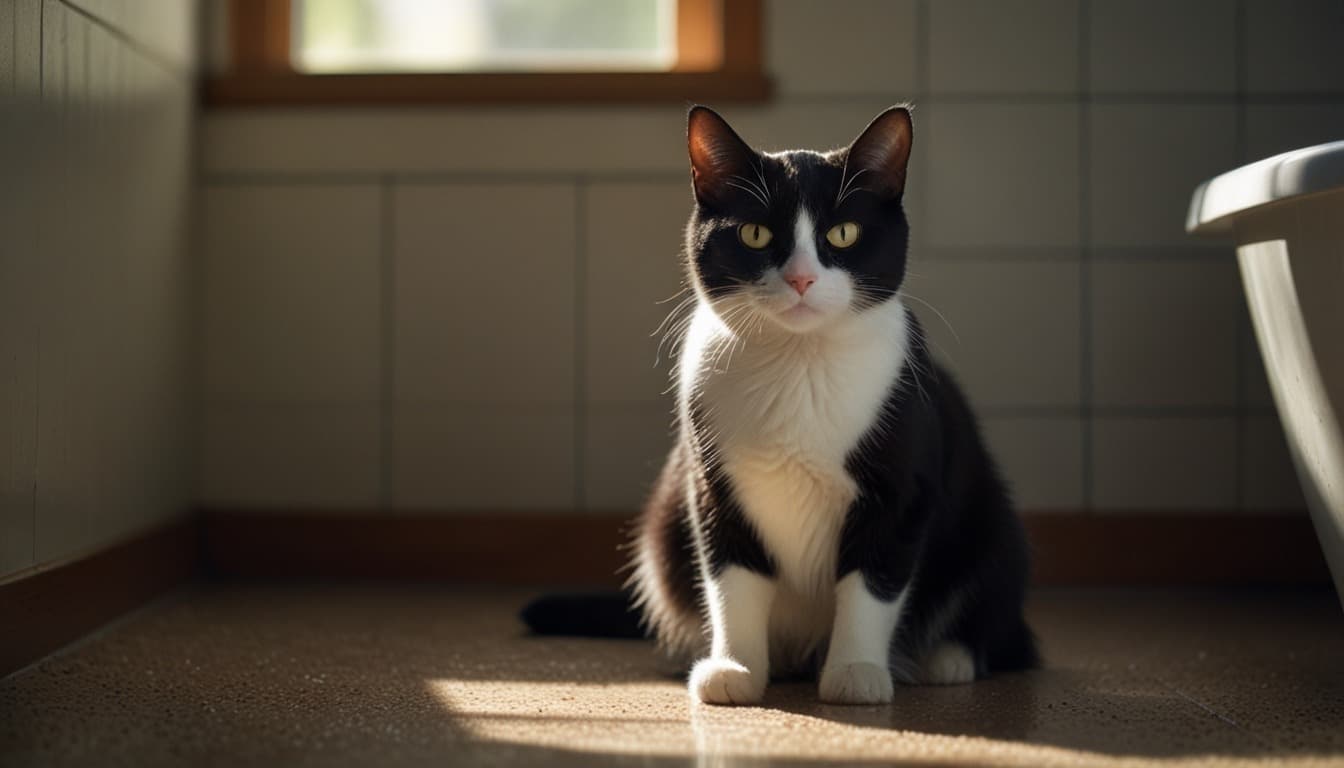
I found it at 6:42 AM on a Tuesday. A perfect, steaming little turd, centered on the bath mat like someone had placed it there deliberately. Which, of cuorse, they had. My cat Jinx — a tuxedo with zero remorse and a PhD in passive aggression — had been telling me for weeks that the litter box situation was unacceptable. I just wasn't listening.
This wasn't the first time she'd expressed her displeasure. A week earlier, I'd stepped in a wet spot near the laundry basket. I blamed the dog. The dog had been sleeping on my bed with the door closed all night, but I was tired and my brain wasn't braining. Jinx, meanwhile, sat in the hallway, licking a paw and staring at me with the calm superiority of a cat who knows exactly what she's doing.
I'd fostered over 40 cats by that point. You'd think I'd have the litter box thing dialed in. I didn't. I'd fallen into a rhythm with my own three cats — scoop the box every morning, full litter change on Saturdays, scrub the box once a month if I remmebered. That's more than a lot of people do, honestly. And my cats were indoor-only, healthy, used to the system. But Jinx was new. I'd adopted her from the shelter I used to work at a few months prior, and while she'd settled in quickly, she'd also started a silent, smelly protest campaign that I completely misinterpreted as "she's just quirky."
I'd been doing the morning scoop, but sometimes I'd skip a day. Life gets busy. I had fosters coming through, dogs to walk, posts to write, and the litter box was in the basement so it was easy to "forget." Jinx, however, kept a detailed ledger of my failures, and she settled her accounts on the bath mat.
The morning I found the turd, I'd gone three days without scooping. Not proud of it. The box had crusted clumps and that sharp ammonia tang that makes your eyes water if you lean too close. I'd gotten nose-blind to it, but Jinx hadn't. She'd decided the bath mat — soft, absorbent, conveniently located — was the superior toilet. And she wasn't wrong. The bath mat got cleaned more often than the litter box at that point.
I cleaned up the mess, scrubbed the mat, and dragged myself to teh computer to look up "how often should you clean a cat's litter box" for the four hundredth time, hoping some magic answer would absolve me. What I found instead was a slow, humbling spiral into the science of feline toilet psychology, a lot of vet studies I only half-understood, and a whole bunch of product marketing I'd been falling for. And that's what I'm gonna dump on you today, because I wasted six months of my life and a small fortune on bath mats before I fixed it. And I really don't want you to do the same.
The Schedule That Actually Stops the Protest Poops
I called my vet, Dr. Nguyen — who's put up with my panic callls for 11 years, through three dogs, a divorce, and a build kitten who sneezed blue snot onto my pillow at 3 AM (that's a story for another day). She didn't laugh at me, which I appreciated. She just said, "Scoop twice a day, Sarah. Minimum. And a full change every week. No shortcuts." Then she added the part that still echoes in my head: "If you can smell it, your cat smelled it three days ago."
I'll break down the actual frequencies that work — not the ones that litter companies put on the bag so you buy more of their stuff.
The 15-Second Scoop Rule That Changed My Life
You should scoop all boxes at least once a day, but twice is ideal. I know, I know — twice sounds like a lot. But here's the thing: it takes maybe 90 seconds total for two boxes if you're not overthinking it. I timed myself. Scoop, deposit into a Litter Genie or sealed bag, wipe the scoop, done. The 15-second part is this: every time you pass the box, just do a quick visual check and remove anything fresh if you can. It's not a formal "scoop session" — it's like flushing a toilet after you go. You don't schedule your toilet flushes, right? (Please say yes.)
If you scoop twice a day, you'll notice that your cat uses the box right after you scoop it. Mine do. I'll clean it, walk away, and hear the scratch-scratch-scratch of someone taking immediate avdantage of the pristine sand. Cats are clean freaks. They don't want to step in their own waste any more than you do.
Skip a day and the box starts to smell. Not to you, maybe, but to a creature with 200 million scent receptors in its nose. They'll start looking for alternatives. Your laundry pile. The corner behind the couch. That decorative plant you thought was a good idea. And once they find an alternative that's clean and smells nice (to them), breaking that habit is ten times harder than just scooping the dang box every day.
How Often to Do a Full Litter Change and Scrub
The bag of clumping litter might say it lasts 30 days, but the bag is lying to you. Most cats, in my experience across 40+ fosters and my own crew, want the entire box to be dumped, scrubbed, and refilled with fresh litter every week to ten days. If you use non-clumping litter — like the old-school clay or pine pellets — you're looking at twice a week or more because the urine soaks through everything and turns to sludge at the bottom.
I switched to a high-quality unscented clumping litter after the Jinx Incident and now I do a full dump every Sunday. Dump the whole thing into a trash bag, wipe out the box, spray it with an enzyme cleaner, let it sit 5 minutes, rinse, dry, refill with 3 inches of fresh litter. It takes me maybe 15 minutes for two boxes. That's less time than I spend scrolling reddit in the bathroom. (Sorry.)
If you've multiple cats — and I've had as many as seven in the house at once during build seasons — you might need to do a full change every 5-7 days. The ammonia builds up faster, and high ammonia levels can actually cause respiratory issues in cats. I learned that the bad way with a build named Cheese Puff who developed a chronic sniffle that cleared up the day I doubled my cleaning frequency.
The Quiet Menace of Scented Litters and Plastic Liners
I used to think scented litter was a gift to humanity. "Fresh breeze" sounded so much better than "cat waste." But cats hate it. Their noses are sensitive to artificial fragrances, and most scented litters just mask the smell with sommething that irritates their respiratory tract. A cat who's bothered by the perfume will do one of two things: avoid the box, or hold their pee until they get a UTI. Neither is good.
Liners are another trap I fell into. The idea is you just lift the liner and throw everything away, right? Except my cats would claw holes in the liner on day one, urine would pool underneath, and I'd end up with a stinking plastic-lined soup that was harder to clean than a bare box. I ditched liners after the third time a build cat got her claw stuck in one and dragged the entire liner — litter and all — across the living room. That was also the day I realized my rescue needed a better system.
A Week-Long Experiment That Nearly Ended My build
After Dr. Nguyen set me straight, I got comfortable agan. A few months later, I had a build cat named Miso (yes, the same Miso from the food-switching disaster — she's a repeat offender). Miso was a delicate little calico with a sensitive stomach and even more sensitive opinions about her bathroom. I'd been scooping her box once a day, but I got lazy one week because I was dealing with a dog build who had come down with kennel cough and was keeping me up at night. I thought, "she's just one cat, I can skip a day, she'll be fine."
Day 3: The First Hint I'd Screwed Up
On the third day of every-other-day scooping, I noticed Miso lingering near the box, sniffing the edge, then walking away. She didn't go in. I thought she was being finicky about the litter depth — I'd let it get a bit low. I topped it up and went back to my dog crisis. That night, she peed on a pile of towels I'd left on the bathroom floor. I chalked it up to stress from the coughing dog. I was an idiot.
Day 5: The Amazon Box Incident
By day five, the box was genuinely gross. Clumps galore, a faint but persistent ammonia smell that even my human nose could detect. Miso had started hovering and crying when she peed. I still didn't connect the dots. I came home from a vet run with the sick dog to find that she'd crawled into an empty Amazon box I'd left in the hall and used it as a litter box. Dry, non-clumping, weird-smelling cardboard. She'd chosen it over her actual box. That's when the alarm bells finally went off.
The Emergency Vet and a Lot of Shame
I took her to the vet that afternoon because the crying when peeing scared me. The diagnosis: the beginnings of a urinary tract infection, likely triggered by holding her urine because the box was nasty. The vet was kind but direct: "Cats will avoid a dirty box to the point of making themselves sick." I felt like the worst build mom on the planet. Miso was put on antibiotics, and I was put on a strict twice-daily scooping regimen plus a probiotic for her (and a guilt trip for me). She recovered fully, but that $340 vet bill taught me that skipping scoops isn't a money-saving habit.
That whole experiience also reminded me that litter box issues are never about spite. Miso wasn't trying to punish me; she was trying to survive in a house that suddenly felt unsanitary to her. It's the same lesson I wrote about when I wasted a year blaming my cat for spraying before I found out he had a chronic anxiety condition.
That Time I Bought a $200 Self-Cleaning Litteer Box and My Cats Laughed at Me
Before I learned my lesson, in a moment of desperation after a particularly fragrant week, I shelled out for one of those automatic self-cleaning litter boxes. The kind with a rake that sweeps the clumps into a covered compartment. It promised to scoop itself so I didn't have to. It sounded like the future.
What it actually sounded like was a robotic death machine, at least according to my cats. The first time the rake activated, Jinx was mid-squat and shot out of the box like a cannonball, scattering litter across six feet of floor. She never used that box again. Ever. I tried to lure her back with treats, catnip, even placing her in it gently. She would hiss at the box and bolt. The other two cats tolerated it for about a week, but I could tell they were stressed. They'd enter cautiously, ears flattened, and leave immediately without burying anything. And the compartment that held the waste? It stank to high heaven within two days because it wasn't sealed properly, which kind of defeated the purpose.
I ended up giving the thing away on a local buy-nothing group with a warning: "Great if your cat isn't a scaredy-cat and you don't mind the smell." The woman who took it messaged me two months later saying her cat had started peeing on her bed. Shocker. So yeah, I'm not a fan of gadgets that replace the basic act of cleaning a box with your own two hands. They're a band-aaid on a problem that doesn't need one — you just need to scoop more often. (I've also tried a $280 dog bed that made my build dog's hips worse, so I'm clearly a glutton for expensive pet gadgets that backfire. That story is its own circle of hell.)
Deep Cleaning the Box Without Poisoning Your Cat
Dumping and replacing litter is half the battle. The other half is actually cleaning the box itself. Plastic boxes absrob odors over time. If you don't scrub them regularly, even fresh litter will pick up that underlying funk, and your cat will know it's still dirty underneath.
Why Bleach Is a Terrible Idea
I used to clean boxes with a diluted bleach solution because it killed everything and made the plastic sparkle. Then a build kitten named Sprout developed a severe respiratory reaction — wheezing, watery eyes, the works — after I'd cleaned the box and hadn't rinsed it perfectly. Turns out, bleach residue mixed with the ammonia in cat urine produces chloramine gas, which is toxic to feline lungs. Even a fainnt whiff can cause problems. I felt like a monster. Now I use an enzymatic cleaner designed for pet waste, the kind that breaks down organic matter instead of just masking it. Rinse, rinse, rinse, then let it dry completely in the sun if possible. Sunlight is a natural disinfectant and odor-zapper.
The Enzyme Cleaner I Now Swear By (and the One That Made My Cat Sneeze Blood)
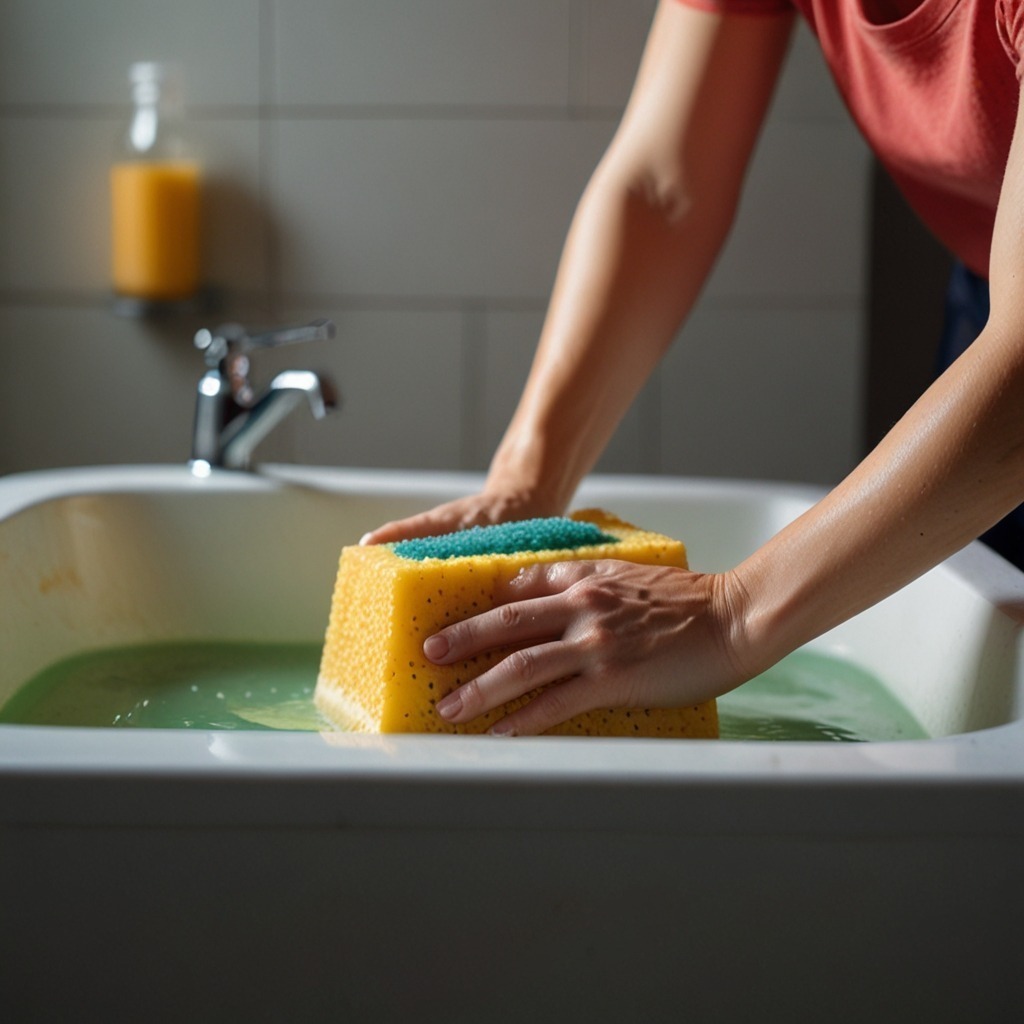
Not all enzyme cleaners are created equal. I once bought a cheap off-vrand bottle that promised "professional strength" and left a film on the box that made a build cat's nose raw and bloody. I wrote about that nightmare in the blue snot post I mentioned earlier — here it's. After that, I stuck with a brand my vet recommended (Nature's Miracle, the unscented one) and haven't had an issue since. A bottle lasts me months because you dilute it. I spray it on the empty box, let it sit, scrub with a designated sponge that never touches my kitchen sink, and rinse until the water runs clear. It's not glamorous, but it works.
The Unspoken Rule About How Many Boxes You Need
This one hurts because it means more cleaning, but it's the truth: you need one more box than the number of cats you've. The famous n+1 rule. If you've one cat, you need two boxes. Two cats, three boxes. Three cats, four. And so on.
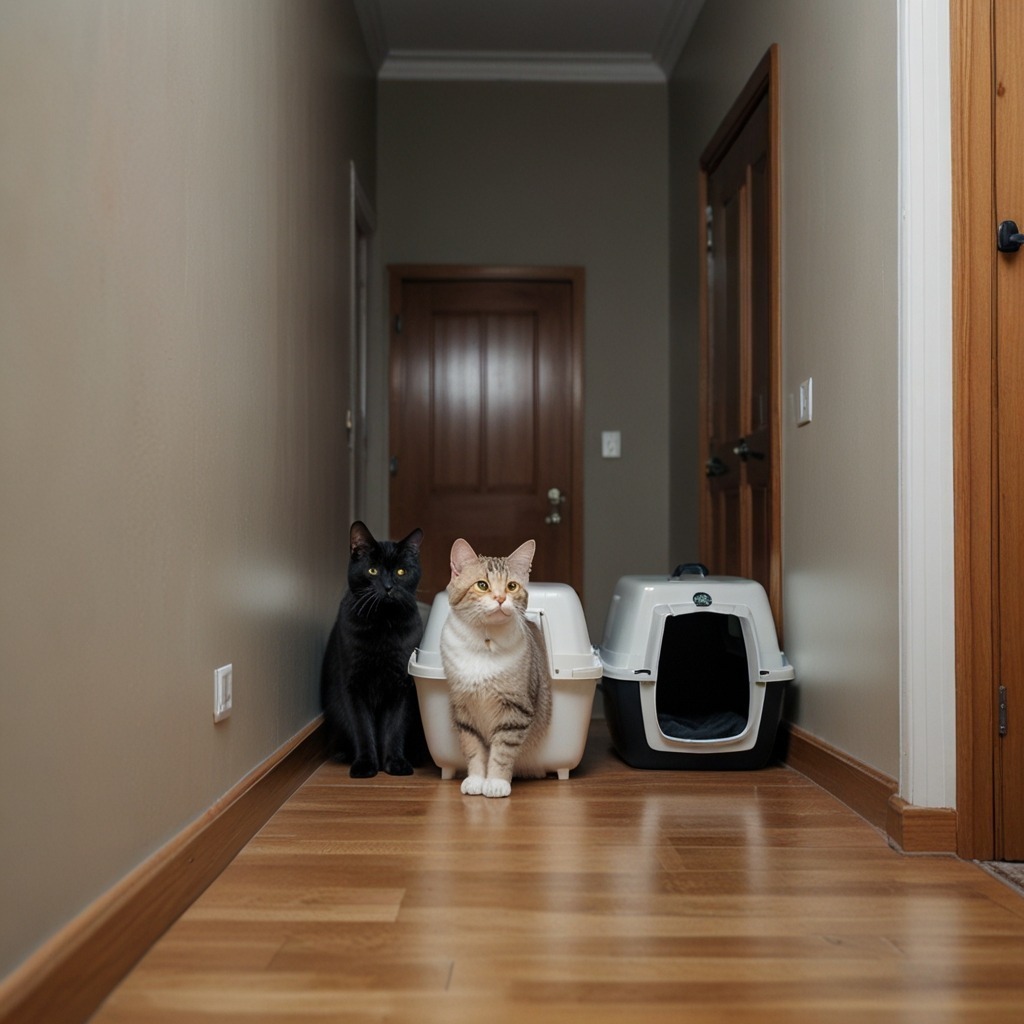
I used to think this was overkill. I had three cats and two boxes, and everyone seemed fine. Then Jinx started her bath mat campaign and the vet asked how many boxes I had. When I said two, she gave me a look that said "there's your problem." I added a third box in a quiet corner of the hallway and the frequency of "outside the box" incidents dropped by about 80% within a week. I've no idea why, but cats are territorial and some refuse to share, even if they seem to get along. The extra box gave Jinx a private toilet she didn't have to negotiate over.
If you live in a small apartment, I feel your pain. I once lived in a 700-square-foot condo with four fosters and had boxes tucked into closets, behind couches, under my desk. It was a littr labyrinth, but nobody peed on my stuff. That's the trade-off. I wrote about that juggling act in my 14-day kitten introduction plan because msnaging boxes is a huge part of successful multi-cat homes.
Landlords hate me, but my security deposit has survived because the scent of cat urine is far more destructive than a few extra plastic trays. Speaking of which, if you've carpet, invest in a rubber mat underneath each box and clean any accidents with an enzyme cleaner immediately. Trust me. One undetected spot under a box and your entire room will smell like a cat shelter in a heatwave.
The Morning the Bath Mat Was Clean and I Almost Cried
It took about three weeks of twice-daily scooping, weekly full changes, a third box, and the enzyme cleaner routine before Jinx fully trusted her toilet again. The first morning I walked into the bathroom and found the bath mat pristine — no turd, no wet spot, just a cat-shaped dent where she'd been napping — I legitimately teared up. I'd been so conditioned to expect a mess that the absence of one felt like a miracle. Jinx was curled up at the foot of my bed later that day, purring, and I apologized to her. For six months of blaming her when I was the problem.
Now I scoop twice a day religiously, even when I'm exhausted. I've a phone reminder at 7 AM and 7 PM. I keep a Litter Genie right next to the boxes so there's zero excuse. I buy unscented clumping litter in bulk and store it in a sealed bin. I scrub each box every Sunday with that enzyme cleaner, and I let them dry in the sun on my tiny balcony when weather permits. It's a chore, but it's not a big one. And compared to the alternative — vet bills, ruined bath mats, a stressed-out cat — it's the easiest thing in the world.
If you're reading this because your cat is suddenly using your laundry pile as a litter box, check your scooping schrdule first. It's almost never a behavioral problem; it's a hygiene problem. Cats are clean animals trapped in our messy human schedules. Fix the box, and you'll fix the behavior 95% of the time.
The bath mat has been turd-free for two years now. I still check it every morning out of habit. Old paranoia dies hard.