
I Thought Brushing My Cat Once a Week Was Enough Until I Found a Mat the Size of a Golf Ball Behind His Ear — Here's How to Actually Brush a Long-Haired Cat Without Losing Your Mind or Your Skin
I found a mat the size of a golf ball behind my foster cat's ear and felt my stomach drop. Here's the brushing routine that finally stopped the mats—without $400 vet bills or shredded arms.
I found the mat on a Tuesday. Chester, my current build, a massive orange fluffball who looks like he ate a smaller cat and absorbed its fur, had been sitting on my lap purring when my fingers brushed against something hard behind his left ear. Solid. Dense. The size of a golf ball. I poked it. He flinched. I tugged at the fur around it. The skin underneath was pink and angry and hot to the touch. I felt my stomach drop because I knew exactly what that meant. I'd screwed up.
This wasn't my first rodeo. I've fostered over 40 cats and I've seen mats that would make a groomer weep. I've also created a few of them myself by being lazy or usong the wrong brush or assuming—stupidly—that a once-over with a $5 comb from the grocery store was enough for a cat who's 78% fur. So when I say I know how to prevent mats in long-haired cats, I mean I learned it the hard way, through vet bills and shame and a very naked Himalayan named Mochi who wouldn't look at me for a week.
The thing about long-haired cats is that their coats are conspiring against you. The undercoat, that soft fluffy layer you love to bury your face in, is the enemy. It's constantly shedding and it has nowhere to go. Instead of falling on the floor like dog fur, it wraps itself around the guard hairs and turns into felt. And if you don't get it out in time, that felt tightens, pulls at the skin, and eventually turns into a solid mass that needs to be surgically removed—or at least shaved very carefully by someone who knows what they're doing. I'm not that someone. I've tried. The vet still gives me a look of deep disappointment when I bring in a cat with mats I couldn't fix.
Let's back up a bit. I used to think brushiing a cat was optional. Like, sure, it's nice if you've time, but cats groom themselves, right? Wrong. So wrong. A long-haired cat can't keep up with its own fur. It's like asking a toddler to brush its own hair with a toothbrush. They'll lick and lick and all they'll accomplish is ingesting a horrifying amount of hair, which then comes back up on your rug at 3 a.m. You brush a long-haired cat not to keep it pretty, but to keep its digestive system free of furballs the size of mice and to keep its skin from being slowly strangled by its own coat.
But here's the part nobody tells you: most brushes are garbage. They scratch the top layer of fur, fluff it up, and do jack-all for the undercoat. The undercoat is where mats are born. If you're not reaching down to the skin, you're not brushing. You're just making the mat look prettier.
The mat that almost cost me $400
Chester's golf ball mat didn't happen overnight. I knew that. I'd been neglecting him. I had a build dog who'd decided baseboards were a snack (a story for another day, but if you're curious about that particular nightmare, I wrote about it here: My build puppy chewed throigh my baseboards and I only had myself to blame), and I was so focused on containing the destruction that I just skimmed a flea comb over Chester's back once or twice and called it a day. Big mistake. In three days, the undercoat behind his ears had turned into armor.
I tried to work it out with a slicker brush and he bit me. Not a hard bite—a warning nibble that said "that hurts, stop." So I stopped. I knew I couldn't cut it out because cat skin is like wet tissue paper; it tears if you even look at it wrong. I'd seen it happen. Once, with a build kitten named Pickle, I used a pair of craft scissors (I know, I KNOW) to snip out a tiny mat and I took a chunk of skin with it. The kitten didn't even make a sound—I just saw blood and freaked out. $187 later, the emergency vet sent me home with a shaved kitten and a gentle lecture about leaving mats to professionals. I cried in the car. So I'm not allowed near scissors anymore.
With Chester, I called my vet, Dr. Nguyen—she's been putting up with my panicked calls for years, God bless her—and she told me to come in. She shaved the mat out with a #10 blade, hugged the curve of his ear so carefully I held my breath the whole time. Chester got a little bald patch and a churro, and I got a $45 bill and a fresh wave of self-loathing. But the worst part is this: it was entirely preventable. If I'd been brushing him properly every other day, that mat would never have formed. I know this because I've done it right with other cats. I just got lazy.
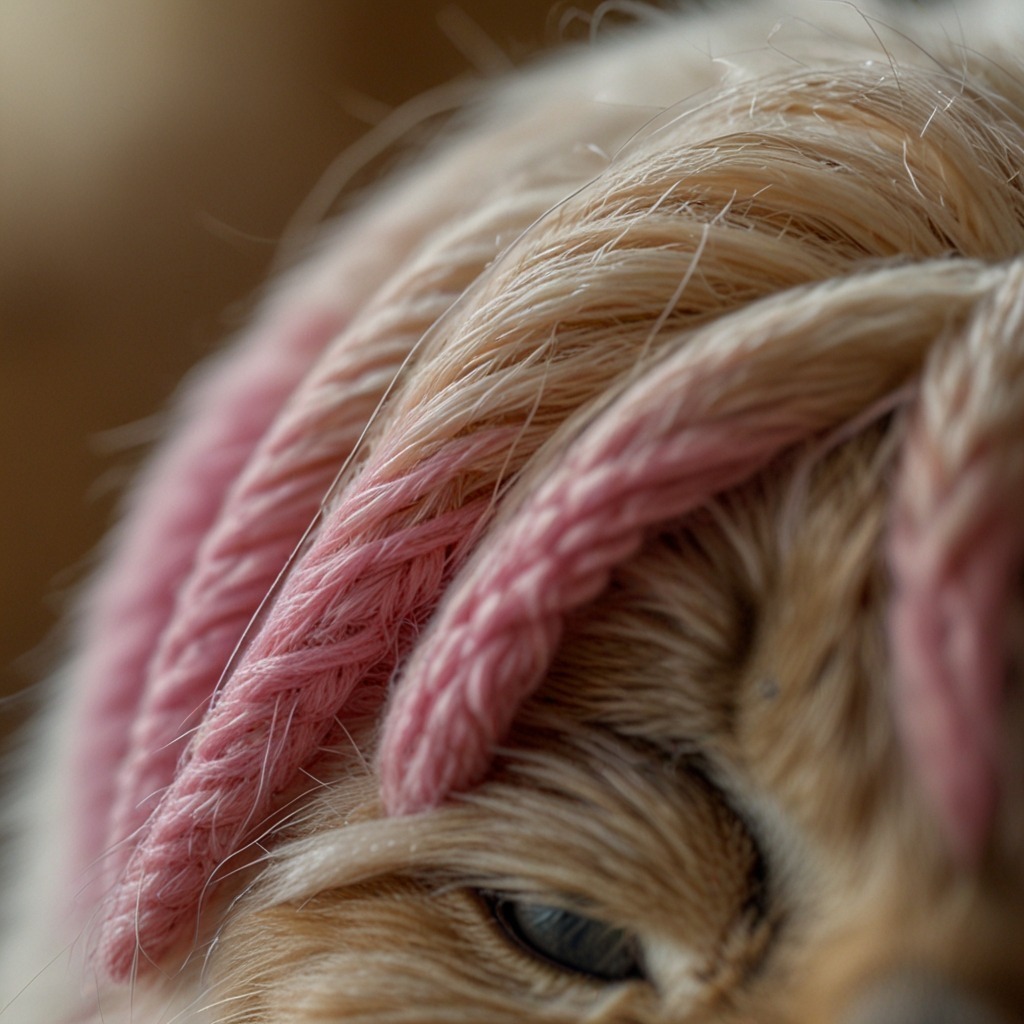
The tools I actually use now (not the ones that gather dust)
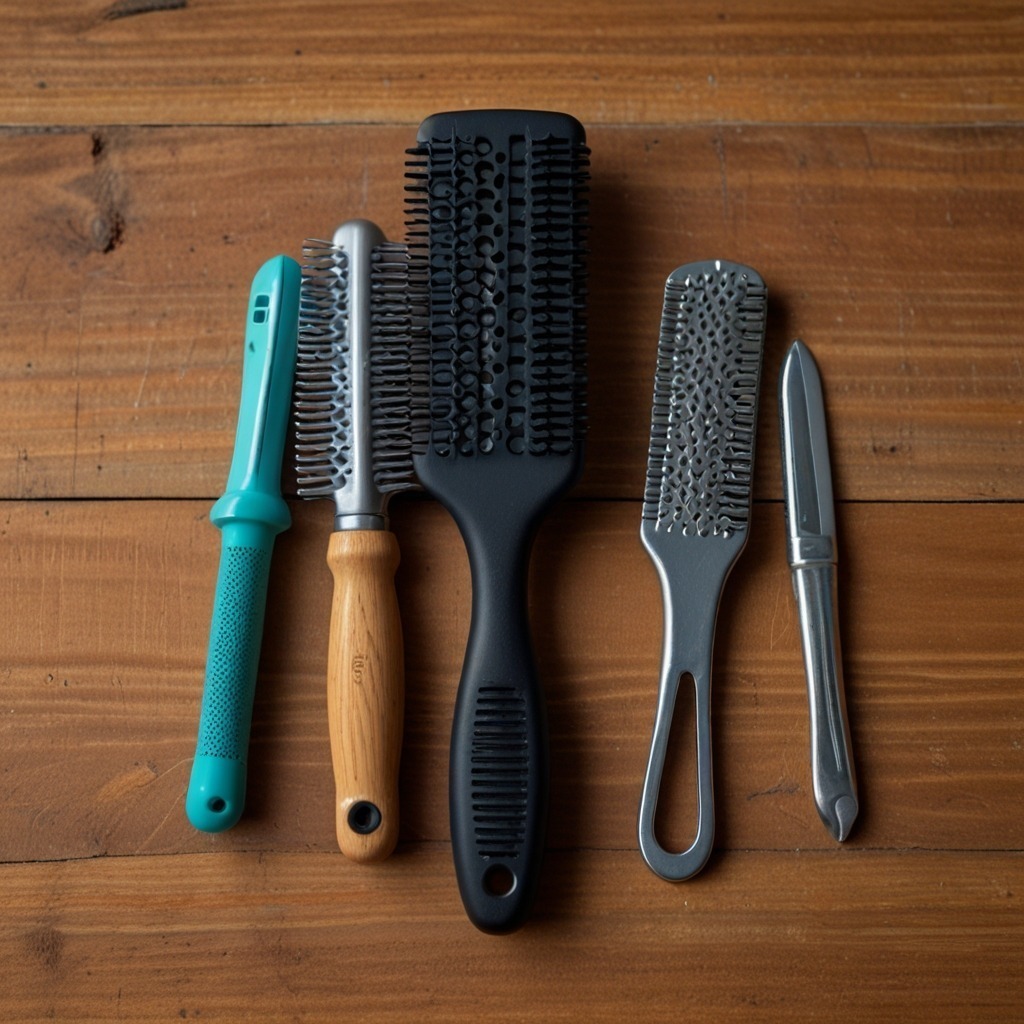
I've spent a stupid amount of money on cat brushes. I've a drawer full of them—slickers, pin btushes, those glove things that are supposed to make your cat love grooming but really just make you look like you're petting them with a weird rubber hand. Most of them sit unused. What I reach for every single time now is a combination of three things, and none of them are expensive.
First: a metal comb with wide and narrow teeth. Not a flea comb with microscopic spacing that catches nothing but dead fur on the surface. A real, two-level comb. The wide end gets through the topcoat without pulling, and the narrow end reaches the undercoat. I start with the wide side every time. Then I flip to the narrow side and see what I missed.
Second: a good slicker brush. But not the kind with little plastic nubs on the tips. Those are useless. They just scrape the top. You want a slicker with bent metal pins that are flexible enough to curve around the shape of the cat's body but strong enough to grab loose undercoat. I don't press hard. I let the pins do the work. If I see the cat's skin bunching, I'm pressing too hard.
Third: a de-matting tool. Specifically, a rake with rotating teeth. Mine has four or five small blades that look terrifying but actually work by gently cutting through the mat as you comb. You don't saw. You just pull it through slowly. It takes forever, but it's safer than anything else I've used. I only bring this out when a mat has already formed—like if I missed a spot for a few days. For regular maintenance brushing, I don't need it.
I also keep a pair of round-tipped safety scissors in case of emergency, but I haven't touched them in two years. I'm too taumatized by the Pickle incident.
Here's the thing about mats
They love certain spots. Behind the ears, under the armpits, along the flanks where the legs rub, and the belly. The belly is the worst because cats hate having their belly touched, so it becomes a secret mat factory. I've found mats the size of my thumb hiding in the warm crook of a cat's hind leg, comlpetely invisible until you lift the leg and peer in like you're looking for buried treasure. If you're not checking these spots every time you brush, you're missing the mats.
My actual brushing routine (the one that worked for 40+ cats)
I don't brush the whole cat at once. That's a great way to get scratched and to end up hating the process. I break it up into sections, sometimes over the course of a day. With new fosters, I might only do one section a day until they trust me. With Chester, who now toolerates me after the churro incident, I can do his whole body in about 15 minutes every two days. Here's what that looks like.
The brush arsenal
I said I use three tools, but I always have a fourth thing ready: high-value treats. For Chester, it's those little tube treats that look like gooey crack for cats. I squeeze out a tiny bit at a time while I work. Some cats prefer freeze-dried chicken. Whatever gets them to associate brushing with something amazing. I also sit on the floor with the cat between my legs, not on a table. Tables make cats feel trapped. The floor is neutral ground.
The order of operations
I always start with the comb, wide end. I go over the back and sides first, where the fur is thickest, to get the cat used to the sensation. Then I move to the chest and shoulders. I skip the belly for now. The cat's mood dictates how fast I go. If they start thumping their tail or flattening their ears, I stop and give a treat and wait. Pushnig through just teaches them that brushing means stress. After the wide comb pass, I go again with the narrow side. This is where I find most of the loose undercoat. It comes out in clouds. My vacuum despises me.
Then I switch to the slicker brush. I run it in the direction of hair growrh, short strokes, no pressure. I talk to the cat the whole time like a lunatic. "Who's a fluffy boy? You're a fluffy boy. Yes, you're so handsome." It keeps them calm because they're used to my voice. If I'm quiet, they get suspicious. Cats are weird.
The danger zones
Under the armpits, I lift each leg gently and comb from the armpit outward. I'll find little wispy tangles that haven't become mats yet. I work them out with my fingers first—pinch the fur at the base of the tangle so the comb doesn't pull the skin, then gently tease the knot apart with the narrow comb. If it's too tight, I don't fight it. That's when I grab the de-matting rake and make a mental note to check that spot more often. The belly requires near-complete subnission from the cat. I only do the belly if the cat is already sprawled and purring. I use the wide comb only, very light strokes. I don't dig. If I find a mat, I assess whether I can get it with the rake or if it needs the vet. Honestly, with belly mats, I lean toward the vet. The skin there's so thin I can see veins through it. Nope.
When to stop and give a churro
I never go longer than two minutes without a pause and a treat. It breaks the tension and reminds the cat that this isn't torture. Some days, after the first pass with the comb, the cat decides we're done and walks away. I let them. I'd rather do a half job and maintain trust than force it and have a cat who hides under the bed every time I pick up a brush. Trust is everything with grooming. You can't muscle through it. Well, you can, but you'll end up with shredded arms and a cat who pees on your pillow in retaliation. Not worth it.
I also brush against the grain very carefully on the ruff and mane—areas where the fur is so thick it can hide mats. I lift sections with my fingers like a hairdresser and comb underneath. You'd be amazed what you find. Sometimes a mat is just a thin layer of felt stuck to the skin, not a giant ball. Those are the sneakier ones because you can't feel them from the surface.
What to do when you find a mat
First, don't panic. Second, don't grab scissors. Put the scissors down. If the mat is small—smaller than your pinky nail—you can probably work it out with your fingers and the narrow comb. Pinch the fur at the base of the mat to shield the skin, and use the comb to pick at the edges. Gently. Like you're untangling a necklace. If it starts to resist, stop. Spray a little pet-safe detangler—I use one that's mostly aloe and water, no fragrance—and wait a minute. Then try again. Sometimes a tiny mat will surrender.
If the mat is dense and pulling the skin, don't touch it. don't use a de-matting tool on a tight mat unless you know what you're doing. I've used it on small mats that were still loose enough to see skin, but if the mat is flush against the skin, it's vet time. I know it feels like defeat, but it's better than the cat needing stitches. I learned that from a story I'm not proud of: I tried to de-mat a Persian build named Beanie myself, and the rake got stuck. I pulled. She yowled. I ended up at the emergency vet anyway, and they shaved her armpit completely. She walked around with one naked pit for weeks and I felt like a monster. The vet tech, a very ptient woman named Lisa, said, "Next time, just bring her in. We'd rather shave a little spot than treat a wound." She was right.
One thing I'll do at home: I'll sometimes cut a mat in half vertically with blunt-nosed scissors, but ONLY if I can get the scissors under the mat while lifting it away from the skin with a comb. This is risky and I don't recommend it unless you've been shown how. I won't even describe it here because I don't want anyone trying it based on my description and ending up at the vet like I did. Just know it exists, and if you're brave enough to learn, ask your groomer to show you. Not Dr. Google.
The bath thing (and why I almost ruined a cat with it)
Bathing a long-haired cat before brushing is maybe the worst idea I've ever had. Wetting the fur tightens any existing tangles and felts them permanently. Poof—instead of a loose mat you could have combed out, you've got a solid concrete block. I did this once with a build named Juniper, a beautiful long-haired calico who'd rolled in something foul. I thought, "I'll just hose her down real quick." She came out looking like a piece of fried chicken. I had to have her shorn at the vet like a sheep. She looked ridiculous. I felt like a giant piece of crap.
If you must bathe a long-haired cat (and honestly, you rarely need to—they're self-cleaning unless something is medically wrong or they've gotten into a toxic substance), brush them thoroughly first. Get every tangle out. Then bathe, then dry with a towel, not a blow dryer, because a blow dryer will make the fluff explode into a million new tangles. Then brush again once dry. It's a whole day affair. I avoid baths entirely now unless it's a rescue siuation. My vet even told me once, after I'd bathed a build husky way too often, that over-bathing ruins the coat. I wrote about that particular disaster here, and the same principle applies to catts: let their coat do its thing, and just brush.
That time I made it worse
I want to talk about Mochi, because that cat taught me something I can't unlearn. Mochi was a Himalayan I fostered about six years ago. He arrived already matted—his whole rear end was one giant mat that looked like a felted apron. I could see his skin underneath was red and oozing. The shelter had given me a special comb and told me to work on it slowly. Instead of listening, I got impatient. I decided to bathe him first, thinking the water would loosen things. Spoiler: it didn't. It made the mat shrink and pull tighter. By the time I got him out of the bath, he was in visible pain, hissing at me for the first time. I took him to the vet, and they had to sedate him to shave his entire back half. He woke up with no pants and a cone of shame, and for the next two weeks he sat in the corner of the room and glared at me. I'd ruined his trust. It took months of hand-feeding and patient, brush-free interaction before he'd let me touch him with a comb again. I still feel sick thinking about it.
That experience changed how I approach mats. I no longer see them as a challenge to be conquered. I see them as a sign that I missed something, and the only appropriate response is gentle, slow, incremental progress—or a professional. I'm not being dramatic. Mats hurt. They pull on the skin constantly, like smoeone's pinching you. Imagine walking around with a clothespin on your armpit all day. That's what a mat feels like. So when you try to rip through it with a comb, you're causing genuine pain. It's not just a grooming inconvenience.
The cat who hated being brushed
Not all cats are Chester. Some cats—most cats, if I'm being honest—don't come pre-programmed to enjoy being brushed. I've had cats who were absolute feral demons about grooming. One build, a long-haired black cat named Lydia, would attack the brush on sight. She shredded two slickers before I figured out a different way. Here's what worked with Lydia and with several other brush-haters.
Start without the brush
For the first week, I kept the brush in my hand while I just sat near the cat. Didn't try to use it. Just let it exist. Then I started gently touching them with the back of the brush (the non-bristle side) while giving treats. Just a quick touch, then treat. Over and over. After a few days, they stopped flinching. Then I'd run the brush over their back for one second, then treat. Then two seconds. It took two weeks with Lydia before I could do one full stroke down her back without her swatting me. But it worked. She never loved brushing, but she tolerated it. That was enough.
Use the right body language
Cats read your tension. If you're nervous or frustrated, they'll mirror that. I've learned to breathe deeply and relax my shoulders before grooming. I also never lean over the cat. I sit beside them or on the floor with them. Direct hovering is a threat. Side-by-side is camaraderie. Weird, but it works. I also pay attention to the tail. If the tip is flicking fast, I stop. If it's a slow swish, they're annoyed but tolerating. If it's still or curled up, we're good. I've become a feline tailologist.
Short sessions, all the time
Two minutes a day beats a 20-minute marathon once a week. You'll get less fur out per session, but the cat won't associate the brush with 20 minutes of misery. I try to catch my cats when they're already sleepy, like mid-afternoon nap time. They're less likely to fight. I'll just do one side and call it a day. Tomorrow, the other side. It takes a little longer, but nobody's bleeding, so it's a win.
I also discovered that some cats prefer a certain brush. Lydia tolerated the comb but hated the slicker. Chester likes the slicker fine but runs from the rake. I had one cat who would only let me use a baby's hairbrush with soft bristles—which did nothng, but it got her used to the motion, and from there I graduated to a proper brush. It's whatever works. I'm not proud.
A completely unrelated complaint about dog nail clippers
I need to rant for a second because it's tangentially about grooming and it makes me mad. Why are dog nail clippers designed by sadists? I haven't touched a pair in years, after a midnight vet run that cost me $187 because I quicked a build lab so badly the floor looked like a crime scene. Now I use a grinder and I wrote about it in excruciating detail here. The point is, cat grooming tools have the same problem: there's a lot of crap on the market, and pet stores are no help. They stock what sells, not what works. That's why I'm so specific about the tools I listde earlier. I've used dozens. Most are garbage. The few that aren't have saved my sanity and my cats' skin.
When the mat finally came out and the cat didn't hate me
After the vet shaved Chester's golf ball, I went home and cried a little bit. Not full waterworks, just that exhausted, overwhelmed kind of tear where you're mad at yourself. Then I pulled out my comb and sat on the floor with him and a tube of meat goo and started over. I went over every inch of his body, slowly, talking to him, and I found two more tiny mats forming behind his other ear. I got them out with the narrow comb and some detangler, and he didn't even notice because he was so focused on the treat. The next day, I did the other side. The day after that, his belly. And within a week, we were in a rhythm.
He still gets occasional tangles, but now I catch them when they're the size of a grain of rice, not a golf ball. He hasn't needed another vet visit for mats. His coat is ridiculous and glorious, and my vacuum still hates me, but I'm okay with that. I also started brushing my dog more often, not because he needs it, but because the habit rubbed off. I even revisited my dog's ear cleaning routine—something I used to dread—after learning that patience and treats work on all species. If you're struggling with that particular nightmare, I've a whole other rant about it here that might help.
But for now, the point is: I'm not a perfect cat owner. I screw up constantly. I just get back up and try again. And I've learned that with long-haired cats, you can't phone it in. Brushing ism't optional. It's the price of admission for the privilege of burying your face in all that glorious fluff.