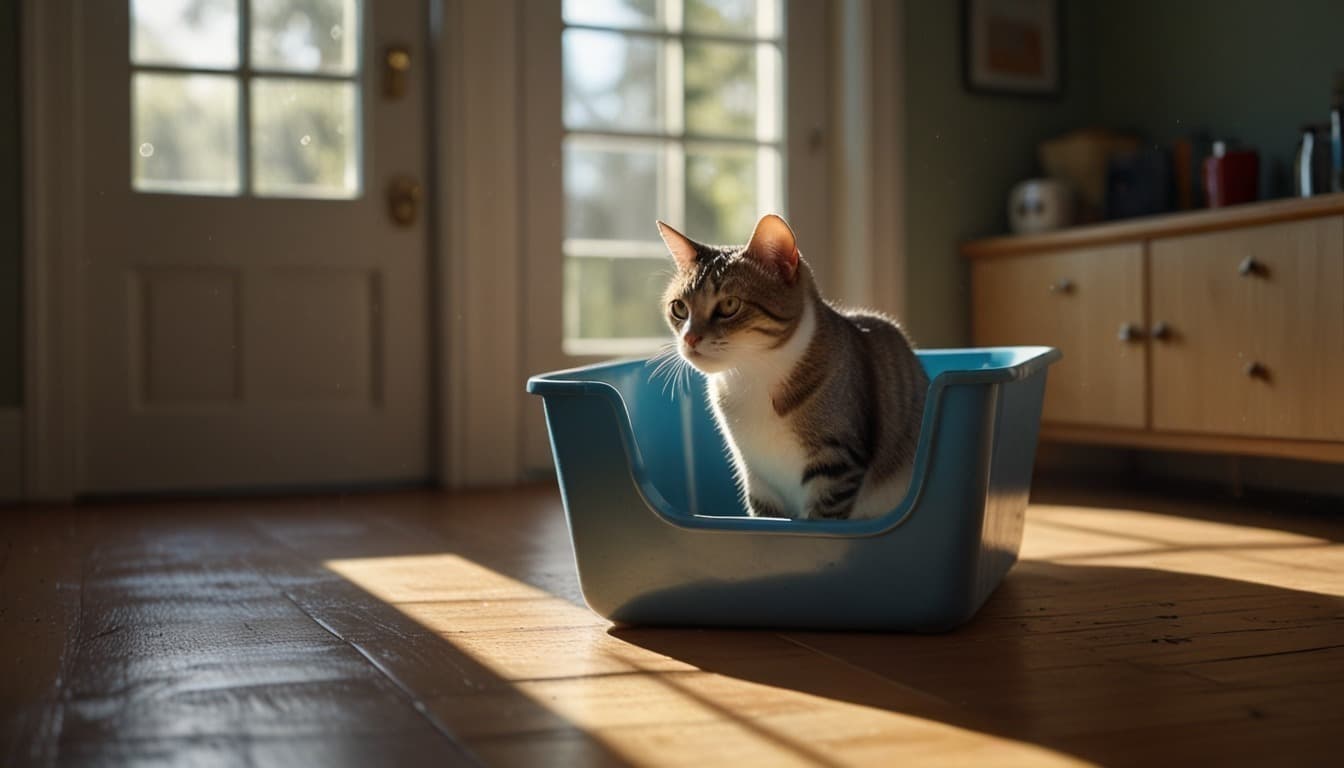
I Spent Three Years Vacuuming Litter Out of My Bed (And My Coffee) — Here's the Litter That Finally Ended the Great Tracking War and Made My House Smell Like a Home Instead of a Litter Box
I found a litter pebble in my coffee and realized something had to change. After 40+ foster cats, years of tracking and stink disasters, and one $340 dog emergency, here's the litter setup that finally saved my floors.
The first time I found a litter pebble in my coffee, I just stared at it. It was 6:47 a.m., I hadn't slept well because my newest build cat Luna decided that 3 a.m. was prime wall-sprinting hour, and there it was. A tiny gray speck floating right near the rim of my mug, like a very small, very insulting island. I'd already taken a sip, which means I either drank past it or swallowed one. I'm still not sure which is worse.
I could lie and say this was a rare occurance, but I'd be lying. A week earlier I found one in my bedsheets. Two weeks before that, I'd pulled one out of my hair while waiting in line at the grocery store. Litter was everywhere. It was on the couch, ground into the rug fibers, stuck between my dog's toe beans. I had three different litter mats, a handheld vacuum I used twice a day, and a deep abiding resentment for every brand that ever claimed to be "low tracking."
The tracking problem isn't just annoying. It's a slow erosion of your sanity. You walk into your living room and it looks like a tiny beach exploded. You step on a sharp little crystal at 2 a.m. on the way to the bathroom and yelp loud enough to wake up every animal in the house. You find a few grains in your keyboard and think, "How? How did that get there?" I've been fostering cats for over a decade and living with my own three dogs, so I've tried more litters than I can count. And I've made every mistake there's — particularly when it came to buying something because the bag said "99.9% dust-free" and "won't track." That's ad copy written by someone who's never had a cat sprint out of the box like it was on fire, kicking a rooster tail of litter across the hallway.
So if you're standing in the pet store asle right now, staring at a wall of bags and feeling your brain slowly glaze over, I'm going to walk you through what I actually learned. Not the marketing claims. The stuff that happened on my floors, in my vacuum, and once — memorably — in my build kitten Miso's digestive tract after he ate a clump of corn-based litter the size of a grape. (Spoiler: the emergency vet isn't cheap, and Miso is fine, but I'll never forget the look Dr. Nguyen gave me when I explained what he ate.)
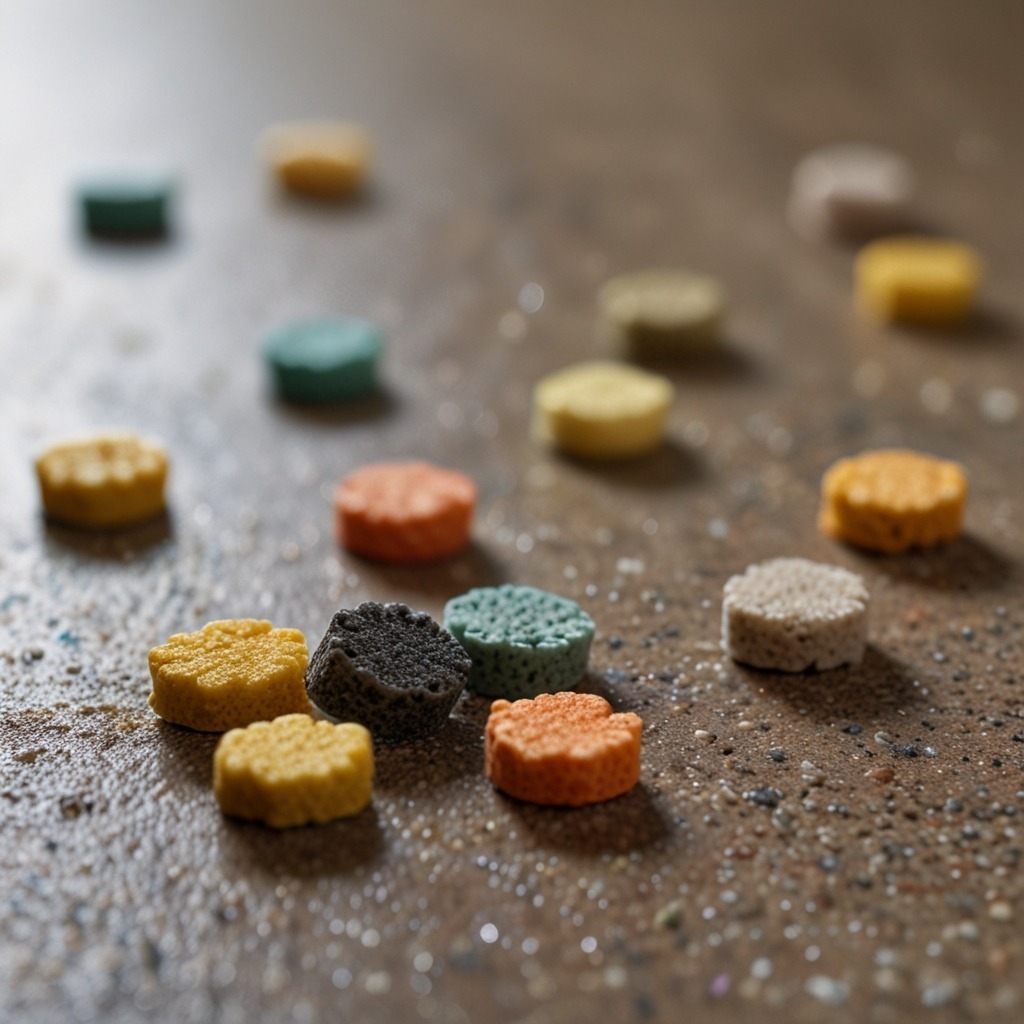
The tracking probllem nobody warns you about until you're eating it
Here's the thing. When you get your first cat, nobody sits you down and says, "Prepare for the next decade of your flooring to look like a crime scene." They tell you about scooping. They mention odor. But tracking? That's the silent menace. And it's not just about aesthetics. It's about hygiene, because those little granules have been in the litter box. They've absorbed urine. They've been walked on by paws that just buried poop. And now they're on your kitchen counter. I'm not a germophobe, but I'm a realist, and tracking essentially means you're slowly seasoning your home with the contents of a cat toilet.
I used to think tracking was just something I had to live with. Like taxes and weird dog odors. But after fostering 40+ cats — many of whom treated the litter box like a sandbox for Olympic sprint pratcice — I realized tracking has a lot more to do with the litter itself than with your cat's level of enthusiasm. Yes, some cats are diggers. My dog-like Maine Coon mix, Gus, used to kick litter three feet out of the box and then look at me like, "What?" But most cats aren't trying to redecorate your floor. The litter is just physically designed to cling to their paws and scatter.
The worst offender in my house was a lightweight clay litter I tried because it was on sale. I thought, "Oh, lightweight! That'll be easier to carry up the stairs." What I didn't consider: lightweight litter is basically styrofoam-esque bits that stick to fur like static and travel through the entire house faster than gossip. My dog Charlie started leaving litter-prints on the couch. I'd find a trail from the litter box in the basement all the way to the kitchen. It was like Hansel and Gretel but with cat waste. I threw that bag out after four days.
I've also noticed that tracking gets exponentially worse if you don't have the right kind of mat — but more on that later. The point is, you don't have to just surrender to the granules. There are ways to cut tracking by 80% or more if you pick the right litrer and set things up smartly. But first you've to understand why most marketing is lying to you.
The big lie about "low-tracking" litter (and the expensive carpet it ruined)
Walk down any pet store aisle and you'll see the words "low tracking" slapped on more bags than you can count. It's a term with zero regulation, zero standardized testing, and zero accountability. I could sell you a bag of gravel with "low tracking" printed on it in Comic Sans and nobody would stop me. The only way to know if a litter tracks is to pour it into a box and let a real cat have at it for a week. And that's exactly what I've done, over and over, with sad results.
About five years ago I had a build cat named Pickle — a beautiful gray tabby with the softest paws and the most diabolical aim. Pickle would use the litter box like a normal cat, but then he'd launch himself out of it horizontally, skidding across the floor like a tiny hockey puck, distributing litter in a four-foot radius. I was using a "premium clumping clay" that the bag swore was low-tracking. It wasn't. It was basically tiny gray snow. It drifted into the air, it coated the baseboards, and it eventually ground so deep into the wool rug in my hallway that I had to replace the entire rug. That was a $300 mistake. I'm still bitter about it.
So here's what "low-tracking" actually means when you translate from marketing to reality. Clay litters — especially the lightweight and fine-grain types — are almost always high tracking. Crystal (silica gel) litters are lower tracking in terms of particle spread, but they can still stick to furry paws if the crystals are small. Pelleted litters (wood, paper, some grass) are generally much better at staying in the box because they're too big to get wedged between toes. But many cats hate the texture. And a cat that hates the liter box will find somewhere else to go, which I've learned the hard way and written about after a very weepy pillow incident.
Tracking is also tied to something nobody talks about: the shape of the granules. Round, smooth pellets tend to roll off paws and stay put. Irregular, light, jaged pieces — like some crystal litters — cling like burrs. And if the litter is scented, the perfume oils can actually make the particles stickier. I can't tell you how many scented litters I've bought thinking they'd help with odor, only to create a situation where my house smelled like a combination of lavender and cat pee, with lavender-scented granules adhered to every surface like potpourri from hell.
The smell test: when your house reeks no matter what and you start blaming the dog
Odor control is the other half of the litter nightmare. I used to think that if I scooped every day, I'd be fine. That's what every expert says. Scoop daily, change the litter completely every week or two, wash the box monthly. But then I fostered a cat named Walter who had the most potent, nose-scorching poop I've ever encountered — and I've bottle-fed kitens with coccidia. (That smell is something I'll never un-smell.) Walter was healthy according to the vet, just… aggressively aromatic. I was scooping twice a day and my living room still smelled like a swamp. My neighbor once asked if I had a plumbing issue. I almost cried.
The thing about cat pee is that it's chemically complex. As it breaks down, it releases ammonia and mercaptans (the same compounds that make skunk spray unbearable). Most litters try to mask this with fragrance, which I've found makes things a thousannd times worse. Imagine walking into a bathroom and smelling a chemical flower garden with an undercurrent of public restroom. That's scented litter. I'd rather just smell the ammonia straight up, at least then I know it's time to scoop. But a truly good odor-control litter doesn't mask — it traps the odor molecules at a chemical level or inhibits bacterial growth. Activated charcoal, baking soda, and certain plant-based materials can actually absorb and neutralize smells rather than covering them with "fresh rain" or whatever.
I remember the day I switched from a heavily perfumed clay litter to a natural grass-based litter. I had been using the scented stuff for years because that's what the shelter used and I just never questioned it. I'd come home from work, open the door, and get smacked in the face by what I now refer to as "cat bathroom potpourri." My dogs would sneeze. I'd light candles. It was a whole production. The first week I used the unscented grass litter, I kept walking over to the box and sniffing suspiciously because I couldn't smell anything. Nothing. It was like the litter had eaten the odor. I was so shocked I called my friend who's a vet tech and made her come over and confirm that I wasn't just nose-blind. She confirmed. That's when I started paying attention to what's actually in the litter instead of what's on the front of the bag.
Of course, some cats are so sensitive to change that switching litters overnight is a gamble. I learned that lesson with Miso when I swapped his litter suddenly and he expressed his displeasure by pooping on my bath mat every day for a werk, a saga I described in this much less dignified post. Now I mix new litter in gradually over 10 days, which is tedious but far better than cleaning up passive-aggressive protest poops.
The time my dog discovered the lirter box buffet — and tracking made it so much worse
I need to take a hard left turn here and talk about dogs, because if you've both species in your house, tracking isn't just a mess problem, it's a health hazard. My three dogs are all rescues with questionable judgment. Charlie, in particular, has a palate that I can only describe as "garbage enthusiast." He once ate a sock, whole, and passed it with zero ceremony. So you can imagine his delight when he discovered that the litter box occasionally contained "treats" covered in a delicious crunchy coating. Yes, I'm talking about cat poop. And when the litter tracked across the floor, it basically delivered snacks directly to him.
The worst incident happened two years ago. I was using a corn-based litter that clumped beautifully and controlled odor reasonably well, but the granules were tiny and light. They tracked everywhere. One afternoon Charlie found a stray clump under the edge of the couch that had been there who knows how long. He ate it. The clump expanded in his stomach. An hour later he was vomiting and I was rushing him to the emergency vet, where Dr. Nguyen (the same one who has been putting up with my panic calls for 11 years, through three dogs and a divorce) had to induce further vomiting and tell me, very gently, that my dog had essentially consumed a cement-like plug of corn litter. $340 later, I bought a baby gate and swore off corn litter forever. The tracking wasn't the only cause — Charlie would have gone dumpster diving in the box directly if given the chance — but the scattered bits made it so much easier for him to find forbidden snacks.
That experience changed my entire approach to litter. If you've dogs, you need a litter that a) doesn't appeal to them as food, b) doesn't track into dog-accessible areas, and c) ideally isn't toxic if a few granules end up in a curious mouth. Paper and wood pellets tend to be safer in that regard — they're bigger, less likely to be mistaken for kibble, and generally pass through a digestive system without turning into concrete. But we'll get to that.
Litter materials I've tried on 40+ cats, ranked by the amount of mess and stink
Alright, here's the meaty section. I'm going to break down every major type of litter I've used over the years, not by what the manufacturer says, but by what actually happened in my house with real cats who had zero concern for my flooring. I'll talk about tracking, odor control, dust, and any weird quirks I noticed. I'm not naming specific brand names because I'm not a shill and honestly, formulas change so often that by the time you read this, a good brand might have gone downhill. Instead I'll describe the category and what to look for.
Clay (clumping) — the devil you know
This is the most common type, usually made from bentonite clay. It clums hard when wet, making scooping easy. Most cats accept it without a fight. The problem? The particle size. If the granules are fine and sandy, they track like absolute crazy. I call it "litter glitter" because it gets everywhere and you never stop finding it. I once moved a dresser I'd had for three years and found a pile of litter behind it from a cat who had since passed away, a discovery that made me cry and then laugh in a mildly unhinged way. The dust from clay litter is also a concern — not just for your furniture but for your cat's lungs. I've had cats with asthma that would start wheezing after using a dusty clay litter. I switched to low-dust formulations but even those weren't perfect.
Odor control varies with clay. Unscented clumping clay can hold odor reasonably well if you scoop daily and fully change it often, but the moment the box gets overloaded, the ammonia smell puches through. Some clay litters have added charcoal or baking soda, which helps. The scented versions I've already ranted about. One thing I'll say: if you're on a tight budget and your cat isn't picky, a quality clumping clay can work if you pair it with a excellent mat and frequent vacuuming. But for me, the tracking was a dealbreaker, especially in a house with hardwood floors.
Non-clumping clay — chap but why would you do this to yourself
This is the old-school gray litter that doesn't form scoops. You basiccally have to dump the entire box every few days because the urine saturates and the whole thing becomes a cesspool. I used it briefly when I first started fostering because the shelter gave me a giant bag for free. Within a week I had a litter box that smelled like a sewer and a cat who started peeing on the floor next to it in protest. Tracking was moderate but honestly that was the least of my problems. I can't recommend non-clumping clay to anyone with a sense of smell or a desire to not spend their life hauling heavy trash bags of used litter to the curb. Skip it.
Crystal (silica gel) — the dust cloud factory
Silica crystals absorb urine and dehydrate solid waste, which means they last longer between changes. They're lightweight, which in theory sounds great. But I've had two major issues with crystal litter. One: the tracking is vicious with the small bead type. The crystals are irregular and cling to fur like velcro, and if they get stepped on, they shatter into sharp little shards that hurt like heck on bare feet. Two: the dust. Oh, the dust. I used a crystal litter once that claimed "99% dust-free." When I poured it into the box, a fine white cloud rose up and I coughed for ten minutes. My vacuum cleaner — a perfectly good Dyson — inhaled that micto-fine silica dust for weeks and eventually died a tragic, wheezing death. (I'll eulogize the Dyson later.) Some cats also dislike the texture; it feels like walking on tiny glass beads, which I get. Odor control on crystal can be decent if it has good absorption, but once it's saturated, it reeks of ammonia with no hiding it. I gave up on crystals after the Dyson incident. Not worth it.
Corn, wheat, and soybean litters — the edible nightmare for dogs
These plant-based litters are made from ground corn cobs, wheat, or soy. They clump well, they're usually low-dust, and they smell naturally inoffensive — like a barn, if anything. Many cat owners love them. I wanted to love them. They controlled odor decently and the clumping was impressive. But the tracking was often on par with fine clay because the particles are small and light. My dark hardwood floors looked like I'd hosted a grain-spilling competition. And then there was the Charlie incident. Because they're made of food-grade ingredients, some dogs find them irresistible. Even if your dog doesn't eat from the box, scattered granules become tasty treats. After the $340 vet bill and a night of stress, I decided that if I ever used a plant-based litter again, it would be in a room with a locked door and a litter box inside a fortress. For cats-only homes with no scavenging dogs, these can be a decent middle ground — just watch the tracking.
Walnut shell — dark, moody, and surprisingly decent
Walnut litter is made from finely ground walnut shells. It's dark brown, which looks cool in a modern home, and it clumps fairly well. Odor control is good — the walnut seems to naturally absorb smells. However, it tracks more than you'd expect for a heavier litter because the particles are small and can get stuck in paw fur. Also, if your cat is a digger, the dark dust can stain light-colored surfaces. I had a cream-colored rug that developed a faint brownish tinge around the litter box area. It washed out, but it was annoying. Some cats also dislike the color — I had one build who stared at the dark litter like it was a portal to the underworld and refused to step in until I mixed it with clay. So, it's not universally accepted.
Paper pellets — the unsung hero for messy trackers
Paper litter is made from recycled newspaper formed into pellets. It's soft, lightweight, and extremely low-tracking because the pellets are too big to get wedged between toes. It doesn't clump, though — urine just gets absorbed and eventually the pellets fall apart, so you've to dump the whole box more often. Odor control is mediocre unless you clean very frequently. But for cats with paw sensitivities, post-surgery recovery, or those who kick litter everywhere, paper pellets are a godsend. I used them for a declawed senior cat who came through my rescue (and I'll get on my soapbox about declawing another time, but anyway) and she immediately stopped flinching when she scratched in the box. Tracking was almost nonexistent. The downside: if you don't scoop the poop promptly and the pellets get damp, they can start to smell like a wet newspaper that's been sitting in a puddle, which is exactly as gross as it sounds.
Wood pellets (pine, cedar) — the pine forest that sometimes works
Wood pellet litter is usually made from compressed sawdust. When wet, it breaks down into sawdust, so it's non-clumping. The pine scent does a nice job of masking odor naturally (no added perfumes necessary). Tracking is minimal because the pellets are large. However, many cats don't care for the texture — it's like asking them to use a box full of pencil erasers. I've had cats that tolerated it and cats that looked at me like I'd personally betrayed them. One build cat, a delicate Siamese named Duchess, refused to step on it and instead perched on the edge of the box like a gargoyle, doign her business and then launching off without burying. That… was messy. But if your cat accepts wood pellets, it's a cheap, eco-friendly option with low tracking and decent odor control. Some people even use wood stove pellets from the hardware store (must be kiln-dried, no additives) to save money. I've done it. It works, but you've to be sure there are no chemicals, which requires reading fine print and trusting a hardware store employee's knowledge about pet safty, which is a risk I'm not always willing to take.
Grass seed litter — the one that surprised me
This is a newer category made from grass seeds. It clumps really well — like, surprisingly hard clumps that don't fall apart. It's lightweight but the particles are slightly larger and irregular, so tracking is moderate. Odor control is excellent, I think because the grass has a natural chlorophyll-like scent that neutralizes rather than perfumes. I've used it with several build cats and the only real complaint is price — it's on the higher end. Also, it can sprout if you spill it on a damp surface, which I discovered when a stray piece ended up in a potted plant and I thought I had a new weed. The funniest thing: one of my dogs thought it smelled like a lawn and tried to roll in the scattered bits. So, dog-friendly, sort of.
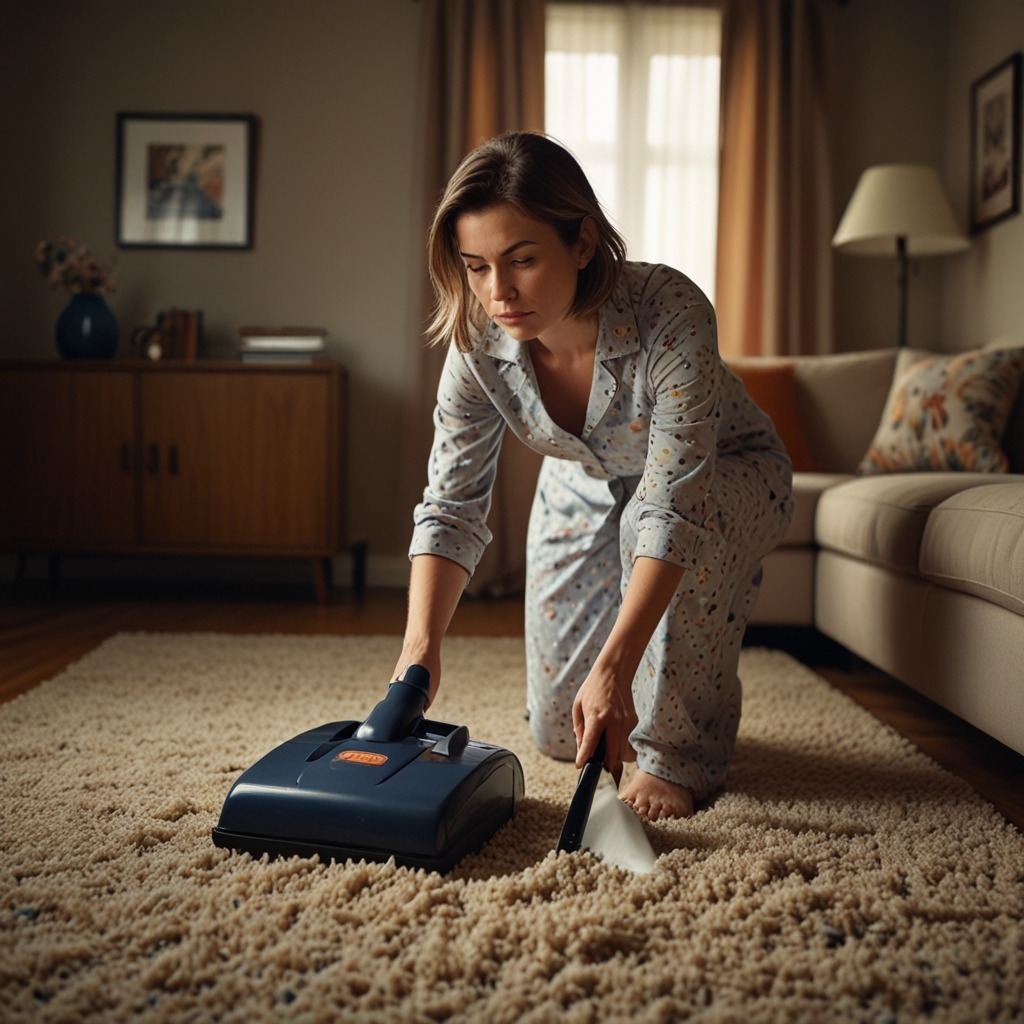
The dust cloud that killed my Dyson (a eulogy)
I need to take a moment to mourn my Dyson. It was a DC35, blue and silver, given to me by my ex-husband before we split, which means it was one of the few good things to come out of that marriage. It handled dog hair, build kitten fur, and the occasional Lego with stoic British engineering. And then I killed it with crysatl litter dust. I'd switched to a silica gel litter for about six months, and every time I vacuumed up the tracked particles, a fine, almost invisible cloud would come out the exhaust. I didn't think much of it until the Dyson started making a sound like a wounded robot and then just… stopped. I took it apart and found the filters caked in a scented silica paste that had bonded with the dog dander. It was a biohazard. I tried to clean it but the motor had burned out. RIP.
That experience made me realize that litter dust doesn't just sette on your furniture — it gets sucked into the one machine you rely on to keep your house not disgusting. Since then, I've prioritized low-dust litters, and my current vacuum (a Shark, don't tell Dyson's ghost) has survived three years. If you value your appliances, factor dust into your litter choice.
What finally worked: a litter setup that outsmarted my tracking-obsessed cat
After years of trial and error, I've settled into a system that has reduced tracking by about 90% and keeps my house smelling like a house, not a giant litter box. It's not one magic product — it's a combination of the rigght litter, the right box, and a few strategic additions. And I'm going to lay it out because I wish someone had handed me this blueprint a decade ago.
The litter: a blend that clumps but doesn't wander
I currently use a mix of two litters: 70% a clumping grass seed litter (for odor control and solid clumping) and 30% unscented paper pellets (for bulk and to interrupt tracking). The paper pellets are large enough that they don't stick between toe pads, and they add heft to the lightweight grass seed, weighing it down in the box. The grass seed still clumps fast around urine, so I can scoop easily, and the paper absorbs some of the moisture. The odor control is the best I've found short of a self-cleaning box (which I tried once and my cats were terrified of the rake mechanism). The blend means I'm not breaking the bank on pure grass seed either, because the paper pellets are cheap.
I know mixing litters sounds weird, but I started doing it when I was trying to use up leftover bags and discovered by accident that it slved multiple problems at once. A lot of cat owners I've talked to swear by mixing clay with a larger-grain litter for the same reason.
The box: top-entry changed everything
I used to be a die-hard fan of open, low-sided litter boxes because I figured cats wanted to feel free. And then I met Luna, who thinks exiting the litter box should be a interpretive dance performance at 3 a.m. After she kicked litter across my hallway for the 400th time, I broke down and bought a top-entry litter box — the kind where the cat jumps down through a hole in the lid and then hops out. The lid catches all the litter that flies off their paws during the burying frenzy. The top has a textured surface that scrapes off granules as they climb out. The difference was immediate and dramatic. I went from vacuuming daily to maybe twice a week. Luna took to it within a day, though some cats need a gradual introduction (I'd done that with her anyway after a rough transition when she first arrived).
Top-entry boxes aren't for every cat — arthritic or elderly cats may struggle with the jump. But for young, aile cats, it's a big deal. Another option is a high-sided box with a hood, but I find hooded boxes trap odor and some cats feel cornered. The top-entry design gives them a full escape route upward, which seems to satisfy their paranoia.
The mat: the $15 solution I ignored for years
I used to think litter mats were a gimmick. Then I bought a two-layer honeycomb mat that traps litter between the layers, and I felt like an idiot for waiting so long. You place it directly under or in front of the box entrance. When the cat steps out, the granules fall through the top mesh into the bottom tray, and you just shake the tray out later. A good mat can catch up to 80% of the tracked litter before it hits your floor. The key is to get one that's large enough — cats don't just step out, they sometimes launch out, so a mat with 2-3 feet of coverage is ideal. And avoid the ones with looped carpet fibers that claws can snag on — I had a cat who got a claw stuck once and panicked, which resulted in a litter box avalanche and a cat hiding under the bed for three hours. Not fun.
Pair a good mat with a top-entry box and a low-tracking litter, and the problem shrinks to manageable levels.
The scooping schedule I (finally) stick to
I've learned that you can't fix odor with litter alone if you're not scooping enough. I scoop twice a day, morning and evening, without fail. It takes 30 seconds. If I'm fostering a cat with particularly evil-smelling waste, I'll scoop three times. I also do a full littter change every 3-4 weeks, scrubbing the box with mild unscented soap and drying it completely. The frequency depends on how many cats are using the box — the general rule is you need one box per cat plus one extra, and for 3 cats in my house, that's 4 boxes. Yes, my house looks like a litter box showroom. But I'll take that over the alternative, which I detailed after Miso turned my bathroom rug into a protest sign.
Why Luna now only pooos in one box corners and I haven't vacuumed in three days
Luna, the build cat currently judging me from the windowsill, has been here for four months now. She's a picky little monster with a fluffy coat that seems designed to collect litter like a magnet. For the first two months I had her, I was vacuuming every single day. I'd find litter in my bed, in my shoes, in my dog's food bowl. I was losing my mind. Then I switched her to a top-entry box with my grass-paper blend and placed the honeycomb mat just so. For the last three weeks, I haven't vacuumed litter once. I still scoop twice a day, and the box smells like nothing. I actually stood in front of it yesterday, sniffing dramatically, and my dog Charlie looked at me like I'd finally cracked. But it's true.
I think the real lesson here — after years of fighting with litter that tracked, stank, or caused emergency vet visits — is that the "best" litter isn't one type. It's a system that works for your specific cat, your home, and your other pets. You might need to blend. You might need to change your box. You'll probably spend money on a few duds before you get it right, and that's OK. If you take one thing away from this overly long, slightly unhinged essay, let it be this: ignore the buzzwords on the bag. Pay attention to the size of the granules, the dust level, and whether your particular cat actually likes it. Because a cat that hates the litter will find creative, terrible ways to let you know.
And if you've a dog, for the love of all that's good, put a gate around the box or at least make sure the litter isn't made of something that could double as a deadly snack. I've got the vet bills to prove why that matters.