I Spent $340 Finding Out My Cat's 'Hairball' Wasn't a Hairball — Here's What Actually Works
I've cleaned up more hairballs than I can count, but the one that sent me to the emergency vet at 2am rewired my brain. Here's what actually reduces the hacking — and the expensive mistakes I made first.
The First Time a Hairball Actually Scared Me
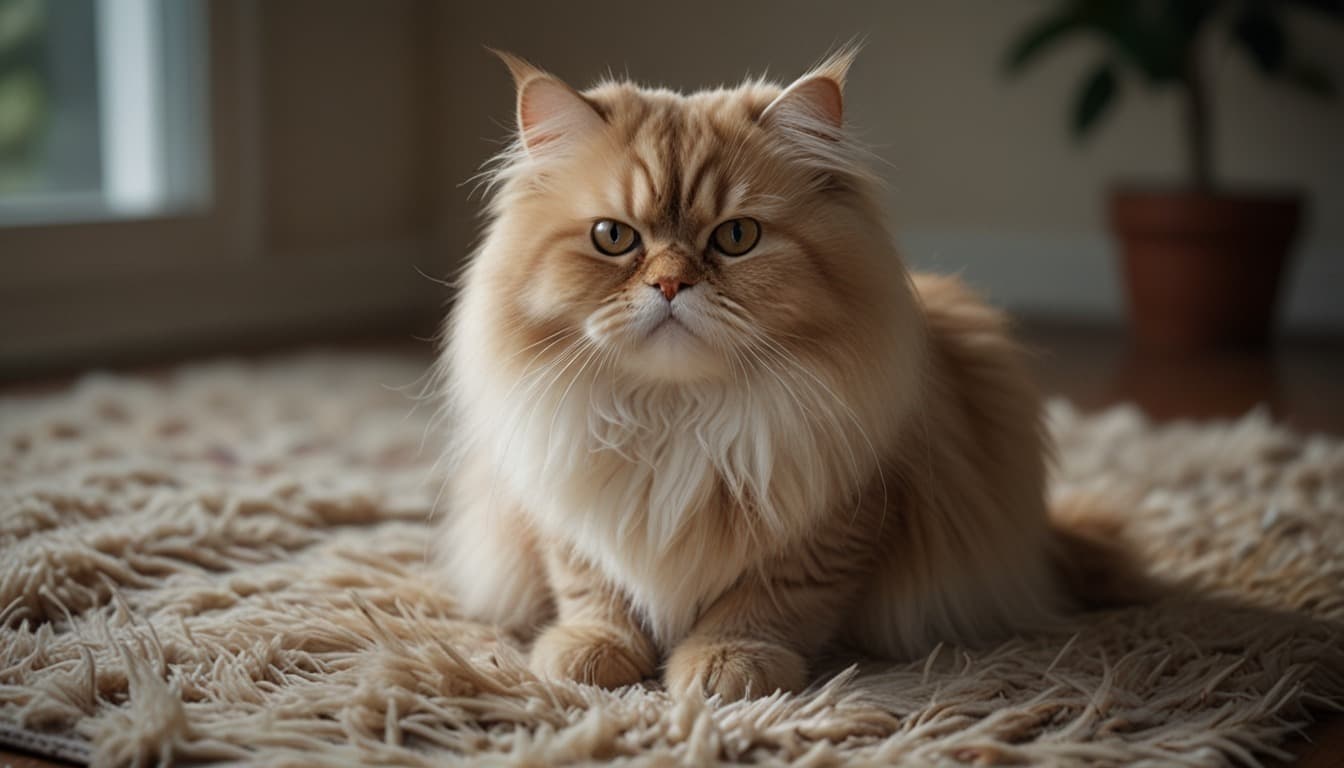
It was 2am and I was shuffling to the bathroom barefoot when I heard it. That wet, hacking urk-urk-urk that every cat owner knows — the one that freezes you mid-step because you can't see where the puddle's going to land. But this time it didn't stop. Miso, my then-build Persian mix, was crouched in the hallway, neck stretched out, making a sound that was less "cough up a hairball" and more "I'm trying to expel my own lung." Her sides were heaving and nothing was coming up. I knelt next to her, heart genuinely pounding, wondering if I was about to perform feline Heimlich at two in the damn morning.
I've fostered over 40 cats. I've cleaned up hairballs you could knit a scarf from. I've stepped in them, slipped on them, found them dried onto my favorite hoodie three days later. I considered myself unflappable. But that night, with Miso gagging and drooling and looking at me with those wide, terrified eyes, I grabbed the carrier and drove to the emergency vet in my pajama pants. Four hours and $340 later, we learned it wasn't a hairball at all — it was a foxtail grass awn lodged in her soft palate. I'd never even heard of that happening to an indoor cat. (Spoiler: it can. A neighbor's dog tracked the seed in on his fur and Miso licked it off the floor. One-in-a-million freak thing.)
The vet, Dr. Nguyen — she's been putting up with my panic calls for over a decade now, through three personal dogs, a divorce, and a truly embarrassing number of build cats — removed the awn with some long forceps and gave Miso a shot of anti-nausea meds. On the way home at 4am, I couldn't stop thinking about how many times I'd dismissed a cat's coughing as "just a hairball" and gone back to my coffee. That night rewired my brain. Because while most hairballs are disgusting but harmless, sometimes that hacking sound is your cat trying to tell you something worse. And you don't have to wait for a 2am panic attack to figure out the difference.
That was three years ago. Miso got adopted (after I kept her an extra two months because I was paranoid about every sneeze), and I've since treated hairballl issues in longhairs, shorthairs, seniors, kittens, and one very dramatic Siamese who acted like every hairball was a personal betrayal. Here's what I've learned the hard way — the stuff that actually reduces the yakking, the grooming mistakes that make everything worse, and the one $30 gadget that finally stopped my build cat from leaving me weekly "gifts" on the hallway rug.
What a Hairball Actually Is (And Why Your Cat Isn't Coughing Up a Fur Sweater)
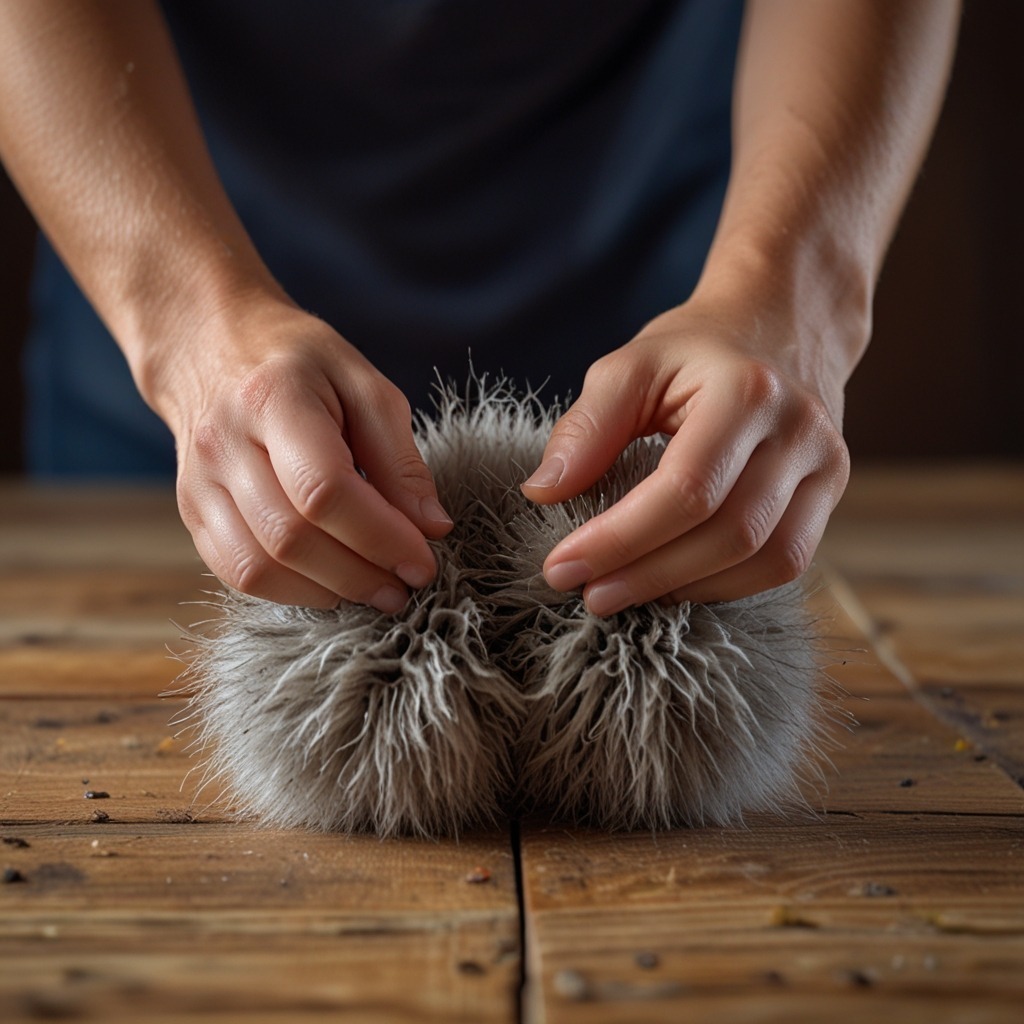
It's not just puke with fur in it. A true hairball — or trichobezoar if you're feeling fancy — is a dense, cylindrical wad of swallowed hair that's been compacted in the stomach. Cats ingest fur when they groom, and normally it just passes through the digestive tract and comes out the other end without a parade. But when too much collects in the stomach and doesn't move along, the cat's body triggers a vomiting reflex to expel it. The resulting tube-shaped mass is often mistaken for feces by new cat owners (I've gotten that panicked text more than once).
Here's what surprised me: occasional hairballs — we're talking once every few weeks — can be "normal" for long-haired cats, but more frequent than that usually signals a problem upstream. Either they're ingesting way too much fur because of excessive grooming (which can be stress, allergies, pain, or a skin condition), or their digestive system isn't moving things along properly (diet, dehydration, motility issues). Just buying a tube of hairball gel and calling it a day might mask the real issue for months.
The Grooming Connection Nobody Bothered to Explain
When I first started fostering, I thought brushing a cat was like brushing a dog — a nice bonding activity that maybe removed a little loose fur. I was deeply, hilariously wrong. Cats have barbed tongues that pull dead hair up from the undercoat, and if you aren't removing that loose fur with a brush, they're swallowing every single strand. A long-haired cat can ingest enough fur in a day to make a golf ball-sized hairball. And here's the kicker: a lot of people brush their cats incorrectly and actually make shedding worse.
I learned that lesson the hard way with a Persian named Marshmallow (yes, I'm the one who wrote about her in that post). I was using a slicker brush on her daily — the same one I used on my Labrador — and I couldn't figure out why she was still hacking up wads of fur the size of mice. Turns out I was only brushing the topcoat and pushing the loose undercoat deeper. Marshmallow's hairbballs actually got worse for three weeks before a groomer friend watched me brush her and said, "Oh honey. No."
The brush that changed everything for my longhairs
For cats with dense undercoats — Persians, Maine Coons, Ragdolls, even some domestic longhairs — you need a two-step system. First, a wide-toothed metal comb to detangle and lift the fur. Then an undercoat rake (the kind with rotating teeth) to gently pull out the dead hair that's trapped underneath. You'd be horrified by how much comes out. I once filled an entire sandwich bag with Marshmallow's undercoat in a single session — and she purred through the whole thing because it didn't tug her skin the way the slicker did.
Short-haired cats aren't off the hook, by the way. They still shed and swallow fur, it's just less visible. A rubber curry brush or grooming glove works wonders on shorthairs, and most of them tolerate it better because it feels like being petted. I do my three house panthers with a Zoom Groom while they're half-asleep on the couch and they don't even open their eyes.
Why I (mostly) stopped bathing my longhairs
Here's a tangent I didn't expect: I used to think bathing a long-haired cat would reduce shedding and therefore hairballs. I was operating on dog logic. Cats aten't small dogs. A stressed-out cat grooms more, not less, and a bath is — for most cats — profoundly stressful. Plus, if you don't dry them absolutely 100% down to the skin, the damp environment can lead to mats and skin irritation that makes them lick even more. I still bathe the occasional build who arrives genuinely filthy, but for routine hairball management? Dry brushing is where it's at.
One more thing that made a massive difference: I started brushing my cats right after meals, when they're in that content, food-coma state and much more likely to tolerate it. My build kittens learn within a week that the brush means treats, and now they come running when they see me pick it up. That's not magic, it's just classical conditioning with freeze-dried chicken.
Wait, DIET? I Wadted Six Months on 'Hairball Formula' Kibble That Did Jack All
Let me tell you about the six months I spent buying $40 bags of "hairball control" kibble from a major brand. You know the kind — they add a little extta fiber, slap a picture of a long-haired cat on the bag, and charge you a premium. I was feeding it to three fosters and patting myself on the back for being so responsible. The hairballs didn't decrease. Not a single cat. One of them, a big orange tabby named Gus (different Gus than the sausage-shaped dog Gus — that's another story entirely), actually started vomiting MORE. Not hairballs — just undigested kibble foam. He was sensitive to one of the filler ingredients and I was so fixated on the "hairball" label that I didn't connect the dots for weeks.
The thing about hairball-control kibble is that it often works by adding insoluble fiber — something like cellulose powder — that's supposed to sweep fur through the digestive tract. That's not inherently bad, but it doesn't address why a cat is swallowing so much fur in the first place. And if your cat is a chronic vomiter, a high-fiber dry food might be harder on their stomach than you think. Most commercial hairball diets are just marketing dressed up in a veterinary-sounding claim.
Wet food changed the game for my cats
Switching my hairball-prone fosters to a high-moisture diet was the single biggest needle-mover. I don't mean mixing a tablespoon of wet food into their dry — I mean maknig wet food the primary meal, with kibble as a side or training treat. Cats evolved from desert-dwelling ancestors and they don't have a strong thirst drive; they're designed to get most of their water from prey. A cat eating only dry food is in a state of mild chronic dehydration, and when the digestive tract is dry, things don't move. Hair sits in the stomach longer, balls up tighter, and comes back up in a dramatic fashion.
Within two weeks of switching Miso to 80% wet food, her hiarball frequency dropped from two a week to one every three weeks. I wasn't doing anything else differently. Same brushing schedule, same everything. Just more moisture in her system.
Omega-3s: the skin and coat link
Here's something I wish I'd learned years earlier: a healthy coat sheds less. When a cat's skin is dry and irritated, they groom more aggressively and their fur breaks more easily, leading to more ingestion. Omega-3 fatty acids — specifically EPA and DHA from fish oil — improve skin barrier function and reduce shedding at the source. I started adding a small amount of high-quality fish oil (not the cheap stuff — we'll get to that disaster in a minute) to my fosters' food, and within about six weeks their coats were noticeably softer and there was less fur floating around my house.
I went down a rabbit hole on cat nutrition after that, and if you're curious about what happens when you actually start feeding for coat health, I wrote a whole post about a Maine Coon whose fur started falling out in clumps on a twice-a-day kibble schedule — it's over here. The short version: diet matters more than most people think.
That Time I Rushed Morty to the Emergency Vet for What Turned Out to Be a Grass Awn
Okay, this is mostly a story and not advice, but it burned into my brain and I need to tell it. Morty was a six-month-old tuxedo build with a flair for dramatics. One afternoon he started hacking in the kitchen — classic hairball sounds — and then lay down on his side breathing fast. I gave him 15 minutes. No hairball appared. He looked miserable. I called Dr. Nguyen and she said, "Bring him in. Better to check."
At the clinic, she sedated him and looked down his throat with a scope. There it was: a tiny, seed-like grass awn lodged in the soft tissue above his larynx. He wasn't trying to cough up a hairball at all — his body was trying to expel a foreign object, and the motion mimicked hairball behavior perfectly. Dr. Nguyen removed it in under a minute. Cost me $200 that day, but if I'd waited until morning, that awn could have migrated into his respiratory tract and caused an abscess. I found out later that my neighbor's dog had been rolling in the dry grass at the park and carrying seeds indoors on his coat. Morty had found one on the floor and chewed on it. An indoor cat, in a third-floor apartment.
The takeaway isn't "panic every time your cat coughs." It's that I now have a mntal checklist for when to escalate, and it's saved me from missing actual emergencies.
Supplements I've Actually Seen Work (And a $40 Bottle of Salmon Oil That Was Useless)
I'll start with the salmon oil disaster so you can avoid it. At one point, desperate to reduce hairball frequency in a build named Juniper, I bought a big bottle of salmon oil from a local pet boutique. It wasn't refrigerated, it had no antioxidant preservative, and it smelled like low tide three days after opening. Juniper refused to eat any food touched by it and my kitchen smelled like a fish market for a week. I later learned that fish oil oxidizes fast, and rancid oil does the opposite of what you want — it promotes inflammation. Don't buy shelf-stable fish oil in clear bottles. Buy refrigerated, small batches, from a company that tests for heavy metals. Worth the extra money.
Now, what actually helped:
Pumpkin puree — boring but effective
Plain canned pumpkin (not pie filling, you want the stuff with one ingredient) provides both soluble and insoluble fiber that helps move hair through the digestive tract. A teaspoon a day worked better for my cats than any commercial hairball gel. Bonus: most cats actually like the taste. If yours doesn't, mix it into wet food and they usually don't notice.
Psyllium husk — proceed with caution
Psyllium is the main ingredient in human fiber supplements like Metamucil, and it's sometimes recommended for cat hairballs. I tried it with Morty (pre-grass-awn incident) and it did reduce hairball formation, but you've to be incredibly careful with hydration. Psyllium absorbs many times its weight in water; if your cat isn't drinking enough, it can actually cause constipation or an obstruction. I mixed a tiny pinch — like 1/16th of a teaspoon — into wet food with extra water added, and only after confirming Morty was a good water drinker. I don't recommend psyllium as a first-line solution unless you've already addressed moisture intake and grooming. Honestly, pumpkin worked just as well with less risk.
Vaseline (petroleum jelly) for the stubborn cases
I know, I know. But a tiny dab of plain petroleum jelly — the kind sold as a hairball remedy in pet stores — can help lubricate accumulated fur and let it pass. I've used it as a short-term fix for a cat who was clearly uncomfortable with a hairball that wouldn't come up or pass. It's not a daily solution and I never recommend it for more than a day or two without vet guidance, becaude it can interfere with nutrient absorption. But when a cat is gagging every hour and you're waiting for a vet appointment, a pea-sized blob on the paw (they'll lick it off) can bring temporary relief. I keep a tube in my build room for exactly those situations.
The $340 X-Ray That Taught Me the Difference Between a Hairball and an Emergency
So about that emergency vet viist with Miso. After that night, I sat down with Dr. Nguyen and had her walk me through what actually warrants a panic. Here's the distilled version, from someone who's now been on both sides of the 2am freakout:
- Non-productive retching that lasts more than 10-15 minutes: If your cat is gagging, heaving, drooling, and nothing is coming up, that could be a foreign body or a hairball that's too large to pass. Don't wait hours. I waited 20 minutes with Miso and I still feel guilty about those extra 10.
- Lethargy combined with vomiting: A cat who brings up a hairball and goes back to eating and playing is probably fine. A cat who vomits and then hides under the bed, refuses food, or seems weak needs a vet. That's not just a hairball; that's a blockage or systemic illness.
- Repeated vomiting with no hairball production: If your cat vomits multiple times over several huors and you never see any fur, it might not be a hairball issue at all. Could be pancreatitis, toxin ingestion, or inflammatory bowel disease. I learned this one the expensive way with a build named Pixel, who I assumed had hairballs for two weeks before tests showed IBD.
- Straining to defecate or no bowel movements: A hairball that makes it out of the stomach can still cuase an intestinal blockage. If your cat is visiting the litter box frequently, crying, and producing nothing, it's an emergency.
That $340 x-ray taught me that my instinct to "wait and see" was mostly just me not wanting to spend money unnecessarily. But I've now decided: I'd rather pay for a normal x-ray and feel a little silly than ignore a blockage and lose a cat. The peace of mind is worth more than the fee.
The Brushing Routine My Fosters Don't Absolutely Hate
I'm not going to make this long because honestly it's three things: brush them when they're sleepy, use the right tool for their coat type, and pay them for it. My current routine with my longhaired fosters is five minutes in the morning while they're still sprawled from a nap, using an undercoat rake, followed by two freeze-dried minnows. That's it. I don't aim for perfection — I aim for consistency. Removing a little fur every day prevents the massive accumulations that lead to projectile hairballs on my rug. The rug appreciates it.
A Ridiculously Specific Tip About Water Fountains
My cats won't drink from a bowl. They'll drink from a running faucet, a dripping shower head, or a fountain — and specifically a fountain with a free-falling stream, not a bubbler. I tested five fountains (there's a whole speradsheet, don't judge me) and the one that increased water intake the most was the stainless steel model with a gentle waterfall. If your cat is a chronic hairball producer and you haven't tried multiple water sources, start there. Most cats are mildly dehydrated and don't know it.
The $30 Gadget That Finally Stopped Moso's Weekly 'Surprise' on My Hallway Rug
After all the diet changes, the brushing, the pumpkin, and the fountain, Miso was down to one hairball every two or three weeks — a massive improvement from twice a week. But she'd still occasionally leave a wet, fur-filled tube on the rug outside my bedroom door. What finally eliminated those last stubborn hairballs was a $30 Lickimat — one of those textured silicone mats you smear wet food or puree onto. I started feeding Miso her last meal of the day on the mat, spreaad thin so she had to work at it for 10-15 minutes.
The slow eating did two things. First, it reduced the air swallowing that can contribute to vomiting. Second, the repetitive licking action seemed to satisfy some grooming urge without swallowing more fur. I can't prove that second part scientifically, but the data from my build room was pretty convincing: the hairballs stopped almost entirely. The rug stayed clean. My bare feet remained safe.
I'm not saying a lick mat will fix every cat's hairball problem. But if you've already nailed the grooming, the moisture, and the supplements, and you're still finding surprises, it's a ridiculously cheap experiment. I've since recommended it to three adopters of long-haired fostres, and all three reported a noticeable decrease within two weeks.
Your cat's probably not going to stop grooming — that's half their waking life — but you can stack enough small changes that the fur stops coming back up. It just padses through silently, the way it's supposed to. And you get to stop the 2am barefoot dash across a cold floor, which is really the whole point.