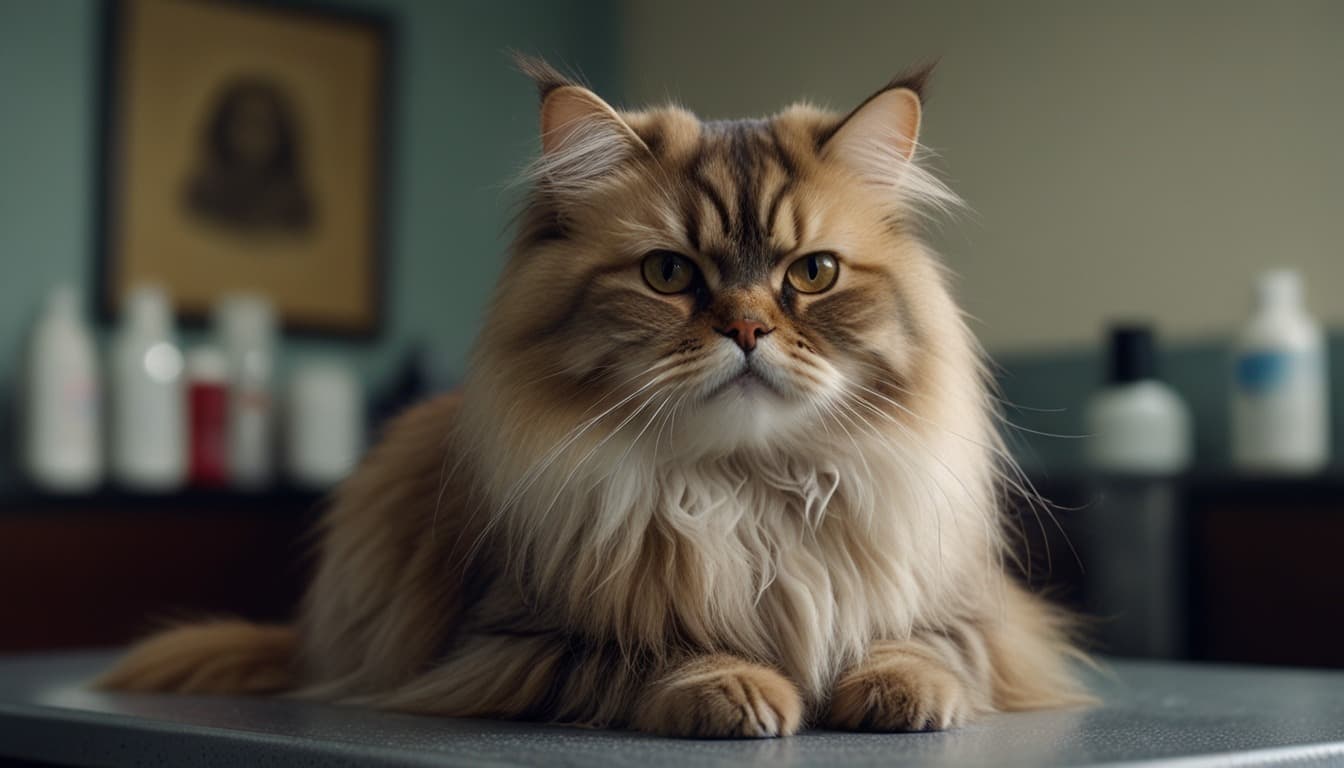
I Let My Cat Get So Matted the Vet Had to Shave Him Naked, and He Looked Like a Half-Plucked Turkey — Here’s How to Brush a Long-Haired Cat Without Creating a Disaster
I thought brushing a long-haired cat was just a weekly quick run with a slicker brush. Then my Persian mix turned into a matted mess, the vet sedated him and shaved him naked, and I learned the real routine that actually prevents mats.
You know that stomach-dropping moment when you pet your cat and your fingers hit something solid, almost crusty, and you realize it's not a weird piece of kibble stuck to his side?
Yeah. I had that exact moment two winters ago with my Persian mix, Gus. He's this glorious, fluffy beast the color of a toasted marshmallow, and I'd gotten lazy. Really lazy. I was just giving him a few swipes with whatever brush I found under the couch (probably something meant for my Lab) and claling it a day. I told myself his coat looked fine. I told myself long-haired cats are supposed to look a little messy.
I was an idiot.
One evening, Gus rolled onto his back for a belly rub—a rare honor—and I discovered what I can only describe as a series of hardened, felt-like lumps coating his armpits, his entire belly, and even creeping up his hind legs. They weren't just tangles; they were geological formations. I poked one and Gus whipped his head around and gave me a look that said, “Yeah, that's been there for WEEKS. Thanks for finally noticing.”
I grabbed a comb and tried to tease one out. Ten seconds later, Gus yowled like I'd stepped on his tail, and I realized the mat was so tight it was pulling at his skin. I’d basically cemented his fur into a tiny torture device. I called my vet, Dr. Ribera, at 8:30 PM. She's the one who once talked me down from a panic attack when my build kitten ate a rubber band, so she's used to my nonsense. She said, “Sarah, stop. Don't try to cut it yourself. You're going to slice his skin. Bring him in tomorrow, we’ll sedate him and shave the mats out.”
Sedate him. So my cat could get a hairuct. Because I couldn't be bothered to brush him properly.
I felt about two inches tall.
So they shaved him. All the matted areas. His belly, his armpits, the inside of his thighs, a path under his chin. He came home looking like a half-plucked turkey wearing a fur stole. The other cats stared at him. My Labrador, Frank, sniffed his bald belly and then sneezed directly on it, which felt like the universe adding insult to injury. Gus, to his credit, didn't seem to care. He strutted around like he'd gotten a fancy new ‘do while I just sat on the couch thinking, I run a rescue. I've written abotu this stuff. How did I let this happen?
The answer: I got comfortable, I got lazy, and I didn't understand that long-haired cats are a completely different beast from my short-haired fosters. That vet bill? $240 for the sedation and shave, plus another $40 for the antibiotic ointment because one of the armpit mats had actually started to irritate the skin raw underneath. So, $280 total, plus my dignity.
After that, I went on a tear. I read every blog post, watched every YouTube gropming video, pestered two professional groomers, and experimented on Gus (now very cooperative) to figure out how to prevent this nightmare from ever happening again. I made a lot of mistakes. I bought a ton of useless tools. But I finally landed on a routine that works—and doesn't turn my cat into a pincushion.
So here's the messy, not-at-all-perfect, but gnuinely helpful guide I wish I'd had when I was standing in the pet store aisle staring at 40 different brushes and wanting to cry.
The Day My Cat Tunred Into a Crusty Dreadlock Monster
I mean, I already told you the gist. But I want to emphasize how fast it happened. Gus's coat had been fine—or so I thought. I brushed him maybe twice a week, which felt like enough. And it might have been, if I'd been using the right tool. Instead, I was using a flimsy wire slicker brush that barely got through the top layer. It fluffed the surface and left the dense undercoat packed against his skin like old laundry.
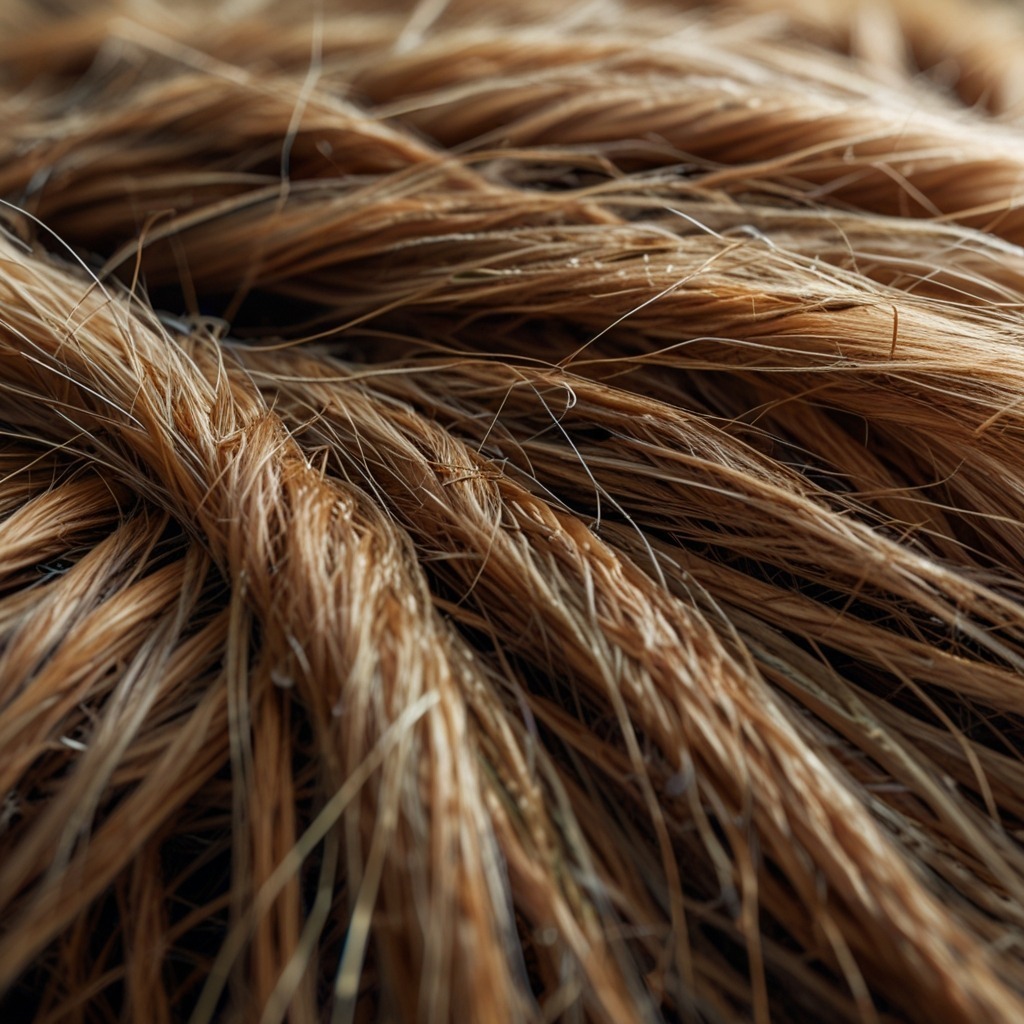
What I didn't understand then is that long-haired cats—especially breeds like Persians, Maine Coons, Ragdolls, and any mix thereof—shed their undercoat CONSTANTLY. That dead fluff doesn't just fly into the air. It gets trapped by the longer guard hairs. If you don't remove it, it compacts. Add a little body oil, some dander, maybe a bit of litter dust, and you've got the perfect recipe for solid mats. And once they form, they just get worse. Every movement, every roll on the carpet, tightens them like a wool sweater in a hot dryer.
The armpits and belly? Those are the worst. Because that's where friction happens—legs rubbing, cat curling up—and where most cats absolutely hate being touched. So we avoid those areas. Which makes the problem ten times worse. I'll get to that later.
Anyway, there I was, with a bald, angry-looking cat who smelled faintly of antiseptic, promising myself I'd never be that person again. And I haven't been.
Wait, Why Do Mats Even Happen?
This sounds like a stupid question. But I didn't really think about the mechanics until I was sitting on my kitchen floor, pulling apart a wad of Gus's fur like a CSI investigator. Mats are basically tangles that have evolved into nightmares. Hair shafts get knotted, then friction felts them together. Cats’ skin produces natural oils that act like glue. If thhere's any moisture—spilled water, a damp walk across the bathroom floor—that sets the felting process in motion.
The Undercoat Is the Culprit
Short-haired cats don't have this problem because they don't have a dense undercoat. Long-haired cats have this soft, insulating fluff that sheds in clumps. When that loose fluff isn't brushed out, it doesn't fall onto your couch. It stays trapped, packed down, and mixes with the longer outer hairs. Over days, maybe a week, it forms a tangled mat that tightens every time the cat moves. Picture a loose knit sweateer being agitated in a washing machine—except the cat is wearing it 24/7.
Some cats are more prone to matting due to their fur texture. Persian fur is like cotton candy mixed with spiderwebs—fine, silky, tangles if you look at it wrong. Maine Conos have a double coat that practically makes mats by itself. Heck, even some domestic longhairs just have unlucky genetics that turn them into felted balls.
Other Factors Most People Miss
Weight matters. When I first got Gus, he was a little chunky (I may have been too generous with the treats), and he couldn't reach his lower back or his butt to groom himself. He'd try, and he'd just roll sideways like a furry beanbag. So those areas matted extra fast. If you're reading this and thinking, “My cat is just fluffy,” you might want to check if they can reach their own rear end. If not, you're the designated groomer. I learned that the hard way. Overweight cats have it harder, and I've seen it in my build rotation again and again. After I got Gus down to a healthier weight—slowly, with the right food—his self-grooming improved, but it was never enough on its own. (Side note: that weight loss journey is a whole other saga; I used some of the same principles from getting Miso down from 22 pounds.)
Stress and illness also cause matting. When a cat feels crummy, they stop grooming. My build cat Marmalade—a tiny, anxious ginger—came to me with mats behind her ears because she'd been so stressed in the shelter she just gave up on life. That was purely behavioral. Once she calmed down, her coat improved, but I still had to carefully snip out a couple small mats that she'd let me touch because she was just too tired to fight.
Seasonal shedding is another factor. Twice a year, cats blow their coat, and if you don't ramp up the brushing, mats explode overnight. I'll never forget the spring shed of 2022 when I brushed out enough fur from Gus to knit a second cat, and the next day found a thumb-sized mat behind his ear that I swear wasn't there before.
The “Just Use a Slicker Brush” Lie That Every Blog Pushes
I blame the internet for a lot of things, and the “slicker brush solves everything” myth is definitely on my list. Walk into any pet store, and they'll hand you a generic slicker brush with those thin wire pins and a little plastic handle. For a long-haired cat, a slicker brush alone is like trying to rake leaves with a fork. It'll fluff the top layer, maybe pull out a few loose hairs, but it won't reach the undercoat where the real evil is brewing.
I used one for months, convinced I was grooming properly because I'd find some fur in the bristles. Meanwhile, Gus's armpits were congealing into felt. The slicker just glided over the surface. It didn't penetrate. If you've got a cat with a dense undercoat, you need a tool that actually gets down to the skin. I learned that from a groomer who looked at my brush kit and said, nicely, “This is decorative junk.”
I also tried one of those glove brushes with the rubber nubs. Cute idea. Useless. Gus liked it, but all it did was redistribute the oil and make him smell like a rubber glove. It did zero mat prevention. I sill have it in a drawer somewhere, next to a broken laser pointer and a bag of treats my dogs refused to eat.
Then there's the pin brush—the one with rounded metal pins set in a cushioned pad. These are better for fluffing and finishing, but again, they don't tackle mats. They're good for maintenance after the real work is done.
I don't want to be overly dramatic, but the wrong brush can give you a false sense of security, and that's exactly what happeneed to me. You think you're doing great, and then you discover a mat you can't even get a comb through.
The Moment I Realized I Was Doing Everything Backwards
After the $280 shave of shame, I called up a mobile groomer named Diane who specializes in cats. This woman has arms covered in scars and the calmest demeanor I've ever seen. She came to the house, sat on my floor, and let Gus sniff her tools for ten minutes while she talked to him in a low voice. Then she showed me the real way to brush.
She didn't start with the brush. She started with her hands. She just gently felt his entire body, running her fingers through his fur down to the skin, checking for any tiny knots I might miss. She said, “If you can't get your fingers through it, niether can a comb. Feel first. Then you know what you're dealing with.”
That one shift—feeling before brushing—changed everything. I was always just going at him blindly with a tool, hoping for the best. Now I do a five-minute body check first. It lets me find any problem spots early, when they're still just tiny snags I can work out with my fingers instead of a full-blown armpit dreadlock.
Then she brought out the comb. Not a brush—a metal grreyhound comb with two widths of teeth. She said, “Brushes are for finishing. Combs are for detangling. If you only buy one thing, buy a good comb.” I'd been ignoring combs my entire life. I felt so dumb.
She also showed me how to hold the fur near the skin to prevent pulling. You anchor the hair between your fingers and the skin, comb the ends, and gradually work your way up. That way, if you hit a snag, the force stops at your fingers instead of yanking at the skin. Gus, famously dramatic, actually purred during this. I'd never seen him purr during brushing before.
Then she introduced a dematting tool—essentially a rake with curved blades that slice through small tangles. But she warned me: “If you can't get a comb through at all, don't force it with this thing. You'll hurt the cat. That's when you bring them to a professional.” I took that to heart.
So my new apprroach was: hands first, comb second, dematting rake for tiny snags only, brush for the final fluff. And I started doing it EVERY. SINGLE. DAY. Even for just five minutes.
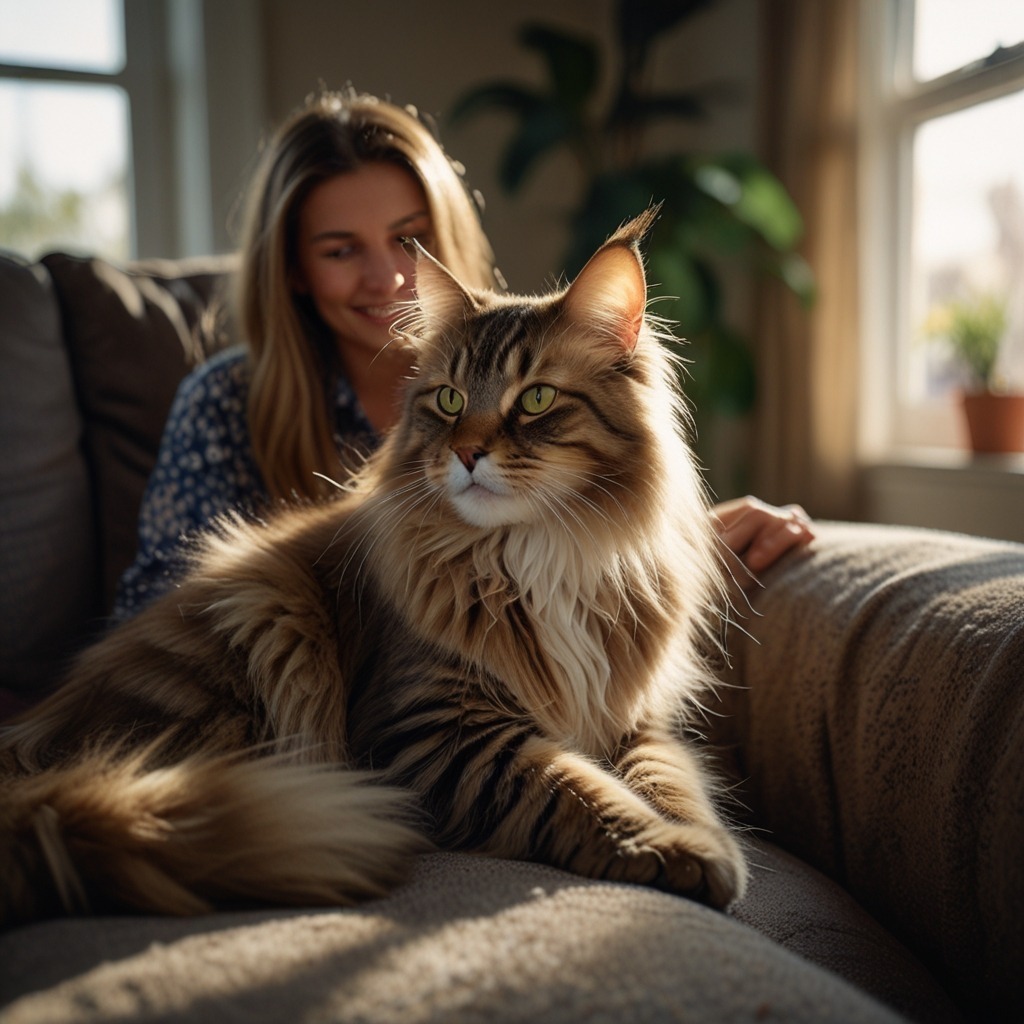
It sounds like a lot. But it's really not. I do it while watching Netflix, and Gus has learned to lie on his side and drool slightly while I work. He actually comes running when he sees the comb now, which is both adorable and slightly pathetic.
What Finally Worked: My Actual Routine (Step by Step, Imperfect and Cat-Tested)
This isn't a perfect system. Some days I skip it because I'm tired or Gus is being a turd and won't sit still. Consistency is the goal, not perfection. But here's the rhythm that's kept him mat-free for over a year now.
Step 1: The Hand Check
I start by petting him all over, not just his back. I dig my fingers into his armpits, his belly (gently, always letting him sniff my hand first), behind his ears, under his chin, inside his thighs, at the base of his tail. I'm hunting for any texture that feels lumpy instead of smooth. Even the tiniest bump gets a mental note. If I find a snag, I try to work it apart with my fingers before I even pick up a tool. Often, a small tangle will just pull apart if you catch it early.
Step 2: The Comb-Out
I use a dual-sided metal comb—wide teeth on one end, fine teeth on the other. I start with the wide teeth on the areas that are usually okay: his back, his sides. Then I switch to the fine teeth for those high-friction zones: armpits, belly, behind the legs. I don't just run the comb over the surface. I part the fur and get the comb all the way down to the skin. This is crucial. It's the only way to catch undercoat mats before they become cement. If I hit resistance, I stop, hold the fur below the snag, and gently tease it apart with the comb tip. Most small snags will release this way.
This is also the point where I bribe him shamelessly. Gus gets a treat every time he lets me work on a sensitive spot without squirming. I'm not above bribery. It's cat husbandry, not a philosophy class.
Step 3: The Dematting Rake — But Only When Necessary
If the comb can't get through and my fingers can't break the tangle, I bring out a dematting tool. I use one with curved, stainless steel blades that are designed to slice through matting rather than yank. But here's the rule: I never, ever work on a mat that's tight to the skin. If I can't easily slide the comb between the mat and the skin, that mat is a professional problem. Too many people (including past me) try to cut out mats with scissors, which is how you end up slicing a chunk of cat skin because the mat has pulled the skin up into it. Google “cat scissor injury” if you want to ruin your day. Just don't do it.
I use the dematting rake on small external snags—ones that formed from rolling on the carpet, not from weeks of neglect. I work from the edge of the mat inward, holding the base firmly so the skin doesn't get pulled. Slow, gentle strokes. Gus tolerates maybe two minutes of this before he walks away, and I let him. Forced grooming = stress = more matting later because a stressed cat stops grooming. It's a vicious loop.
Step 4: The Slicker Brush (Finally)
After combing, I use a soft slicker brush—the kind with pins that have a little bend in them, not the spike-y ones. This catches any remaining loose undercoat and fluffs his top coat. It also distributes the natural oils so he doesn't look like a greasy mess. He genuinely enjoys this step. It's like a scalp massage, and he'll lean into it and start making biscuits on the blanket.
Step 5: Spot Check Every Other Day
Even on days I don't do the full routine, I run my hands over him. If I find something, I spend 60 seconds with the comb on just that spot. Mats don't form overnight—they start as tiny seeds that grow if left alone. The spot check is my insurance policy.
This routine takes me maybe 10-15 minutes if I'm being thorough. On lazy days, it's 2 minutes. The critical part is doing it regularly so that nothing has time to set. And here's the thing I didn't realize until I'd been doing this for months: a well-maintained long-haired cat actually sheds LESS in the house. Because I'm capturing all that undercoat before it ends up in my coffee cup. My air filters are cleaner. It's a win-win.
The Armpit and Belly: Why Every Cat Hates You There
Cats are genetically programmed to protect their underside. So when you go for the belly, they often go full bear ttap. But the armpits and belly are precisely where the worst mats form—friction from walking, from curling up, from just existing.
I ruined my relationship with Gus the first few times I tried to brush his pits. He'd hiss, I'd get frustrated, we'd both walk away mad. Then I learned to approach those areas like a diplomat, not a wrestler.
I start when he's already relaxed—preferably post-meal, sunbathing in the window. I don't just flip him over. I gently lift his front leg and use my fingers to feel around first. I reward him with a high-value treat (freeze-dried chicken) just for letting me touch his pit for one secod. I build up from there. Over weeks, he stopped caring. Now he'll even roll onto his side and extend a leg like he's presenting me with a tiny, furry armpit for inspection. It's ridiculous and I love him.
For the belly, I use the same approach. I sit him between my legs while I'm on the floor, so he feels secure but can't bolt easily. I comb the belly in the direction of hair growth—never against it, because that catcehs and pulls. Slow, short strokes. If he squirms, I stop. I'd rather get 30% of the belly done that day and return tomorrow than push him and make him dread grooming forever.
And let me just say: if your cat has a mat on the belly that's already tight, please don't try to cut it out yourself. I learned that the hard way when I was fostering a senior Persian named Miss P and thought I could safely snip out a mat. I almost cut her. My hand was shaking so bad I had to put the scissors down and call a groomer. The groomer took one look, said, “Yep, that would have been a skin tear,” and shaved it out in two seconds with clippers. Cats' skin is gossamer-thin on the belly. Not worth the risk.
A Tangential Rant About My Dog's Coat That I Promise Connects
(Side note: I once thought my experience with dogs would translate to cats. It didn't. My Labrador Frank has the most idiot-proof coat in existence. He could roll in a swamp, and the mud would just flake off by itself. I barely brush him—he gets a Zoom groom once a week and that's it. So when I got Gus, I assumed all coats were equally low-maintenance. The hubris! The absolute hubris! I once gave my build poodle a bath without fully brushing her out first, and the resulting mats were so bad the vet had to sedate her too. I've already written about that disaster, and I won't rehash the shame, but the lesson is: dogs and cats are different planets. Dog grooming is about hygiene; cat grooming is about preventing living felt sculptures. Don't get cocky just because your dog came out fine.)
Anyway, back to cats.
The $140 Mistake I Made With a Dematting Rake
I want to tell you about a very specific monetary error so you don't replicate it. After the vet shave, I panic-bought everything. I walked out of the pet store with a $45 dematting rake that looked serious and professional. It had heavy-duty blades and a chunky wooden handle. I felt so competent holding it.
The first time I used it, I caught a tiny mat on Gus's neck and started sawing. It cut through the fur, sure—but it also pulled so hard that Gus yelped and bolted. I found a bald patch where the rake had ripped out healthy hair along with the mat. Worse, it left the remaining fur jagged, which created MORE tangling later. The tool was too aggressive for a cat's fine skin. It was designed for something like a sheep, maybe.
Then I bought a $30 “self-cleaning” slicker brush that promised to retract the pins with a button. The button jammed after three uses, and I had to pick fur out of the pins with a toothpick while cursing under my breath. Total spending on worthless tools: around $140. What I actually ended up using daily: a $12 comb, a $15 soft slicker, and my own two hands.
Don't be like me. Start simple. Buy one good metal cmob. See how far that gets you before you add anything else.
A Story About My build Cat Marmalade and Her One Single Mat
This isn't advice. It's just a story. Marmalade came to me as a surrender, a tiny orange tabby with a history of neglect and a single mat under her chin. It was the size of a pea. But it was the most stubborn mat I've ever dealt with—probably because it had been there for months. She'd clearly tried to groom it out herself, becausse the fur around it was damp and crusty with saliva. It was a little monument to her misery.
I sat with her for two hours one evening, just holding her and watching her finally sleep without constantly rubbing her chin. The next day, a groomer snipped that mat out in 30 seconds while Marmalade purred. She looked instantly lighter. I don't know why that moment stuck with me so much—maybe because it reminded me that something so small to us can be a constant, uncomfortable presence for a cat. A single mat you ignore can be the equivvalent of wearing a pebble in your shoe forever.
Anyway, Marmalade got adopted two weeks later by a lovely older woman who sends me pictures of her sitting in a knitted sweater. No mats since. I like to think that one tiny grooming moment helped.
When You Sould Just Take Them to a Groomer (Or the Vet)
I'm stubborn. I like to fix things myself. But I've learned that sometimes paying a professional is cheaper and saffer than your at-home heroics. Here's when you wave the white flag:
- The mat is tight against the skin. If you can't lift the mat away from the body, it's too close to cut or demat safely. Skin gets pulled up into the mat like a tent. Clippers are the only safe way, and professionals know how to handle that without nicking.
- The cat is in pain or extremely stressed. If your cat screams, hissrs, bites, or freezes in terror, stop. A stressed cat associates grooming with torture, and you'll never get cooperation again. Sedation at the vet might sound drastic, but it's kinder than traumatizing them repeatedly.
- There are SO MANY mats. If a cat is more mat than cat, just book a shave. I know it's ugly, but it'll grow back. And then you can start the prevention routine on a clean slate.
- You find a mat with a skin injury underneath. Raw, red, oozing skin under a mat means infection. That's a vet visit, no question. I've seen it happen to obese cats who couldn't clean themselves, and it's miserable.
I once spent three hours trying to demat a build cat's tail, convinced I could save it. At hour three, I gave up, took her to a groomer, who buzzed it in ten minutes and charged me $45. I paid an extra $45 of my own stubbornness in wasted time. Learn from me.
Six Months Later: Did Any of This Actually Help?
It's been almost two years since the Great Shave. Gus's coat is now magnifiicent. He's mat-free. The daily hand check and comb-through have become as routine as feeding him. He no longer requires sedation, vet intervention, or makeshift turkey costumes. The $280 lesson finally sank in, and I haven't repeated it.
But I'm not going to pretend I'm some sort of grooming guru now. I still have days where I skip the comb. I still occasionally find a tiny tangle and go, “Oh crap, when did that happen?” The difference is, I catch it when it's still a tangle, not a solid mass. And I deal with it immediately. No waiting. No “I'll get to it tomorrow.” Because cats don't do tomorrow. They do right now, and right now is when the mat is still defeatable.
If you take away one thing from this rambling mess, let it be this: Get a good metal comb, use your hands first, and do it every single day for just a few minutes. You doon't need a mountain of tools. You don't need to be perfect. You just need to pay attention. Your cat will forgive almost anything if you do it gently enough—except a mat slowly tightening against their skin while you ignore them.
I'll leave you with one last image. Yesterday, I was sitting on the floor, combing Gus's fluffy belly while he purred like a motorboat and drooled on my knee. And I remembered that $280 shame spiral and thought, Yeah, we've come a long way.
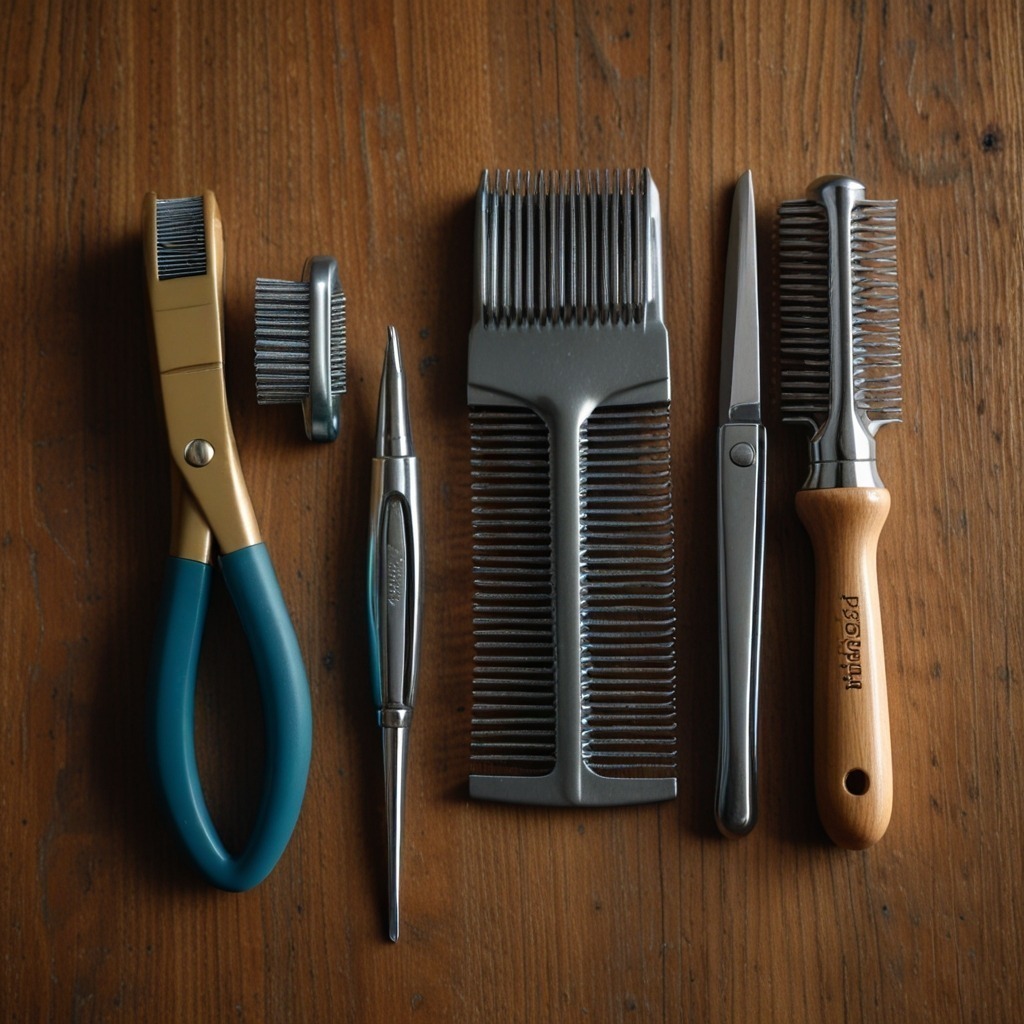
If you're standing in the pet supply aisle right now, overwhelmed, just buy a simple greyhound comb. That's it. Start there. Your cat—and your wallet—will thank you.