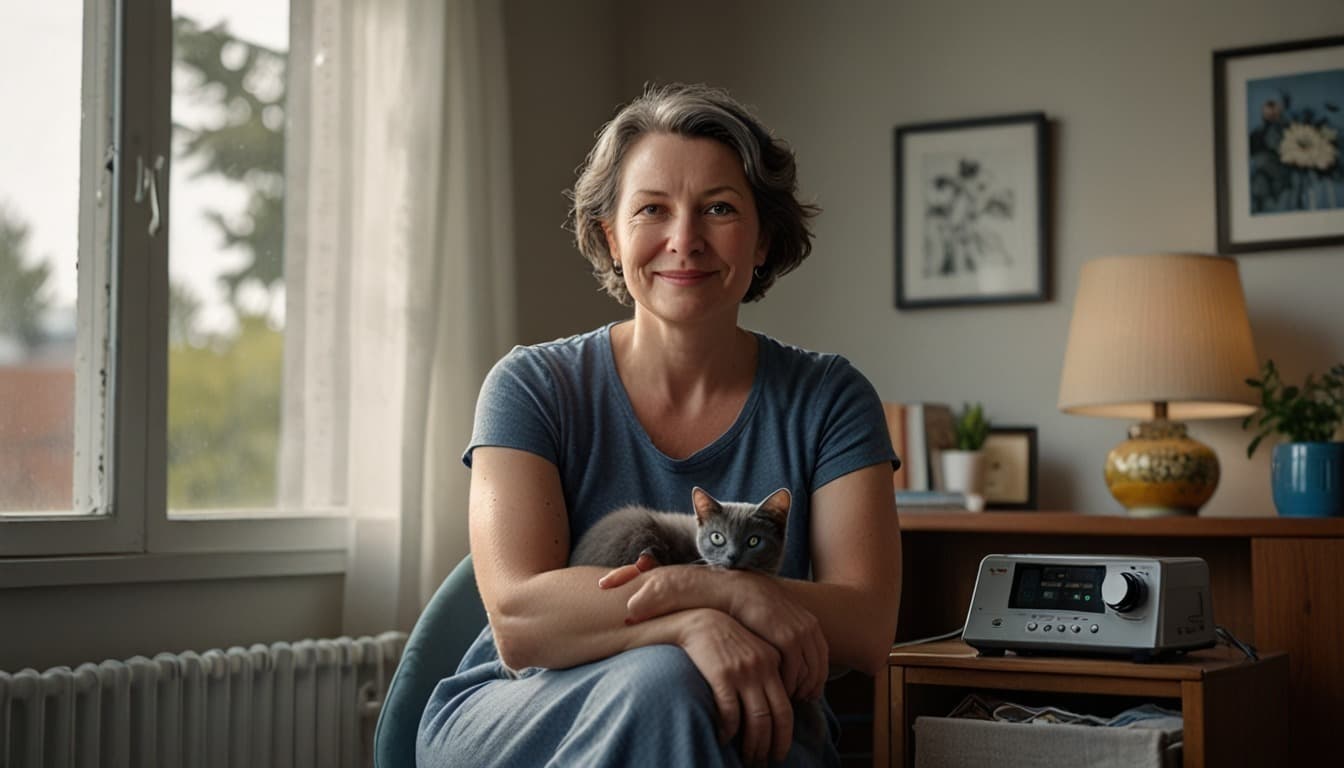
I Fostered 40+ Cats in My 500-Square-Foot Apartment With Allergies — Here Are the Breeds That Didn't Trigger My Sneezing (And the One That Almost Killed Me)
I'm allergic, my apartment is basically a shoebox, and I've fostered over 40 cats. Here are the breeds that didn't ruin my sinuses — and the fluffy nightmare that almost ended me.
The Siamese kitten that sent me to urgent care and the moment I knew I was in real trouble
The first time I held a Siamese kitten, I sneezed so hard I pulled a muscle in my ribcage. I'm not being dramatic. I was 24, working the front desk at the shelter, and someone handed me a wriggling cream-colored ball of fury with ice-blue eyes. Within three minutes my nose was running like a faucet, my eyes were swollen nearly shut, and I was wheezing like I'd just chain-smoked a pack of menthols. The clinic vet—Dr. Nguyen, who's put up with my panic calls for 11 years now—looked at me over her glasses and said, "Sarah, you're allergic. Go home and take a Benadryl before you give yourself an asthma attack."
I didn't go home. I went to urgent care, where a very tired doctor told me the same thing and added a steroid shot that made my heart race for six hours. That was the day I learned I wasn't just "a little sensitive" to cats. I was full-blown, histamine-overload, can't-breathe allergic. And I was working in a cat shelter. I was also living in a 500-square-foot apartment that had exactly three windows and carpet that had seen better decsdes. The universe has a sense of humor.
Fast forward 14 years. I've fostered over 40 cats in that same tiny apartment—different apartments, technically, but always small, always with crap ventilation. I've made every mistake you can make, from adopting a long-haired Persian mix who shed like a blizzard to thinking a "hypoallergenic" cat meant I'd never sneeze again. I've learned that apartment living makes allergies worse because you're trapped in a small space with every allergen the cat produces. I've also learned that some breeds are genuinely easirr to live with, and some—looking at you, my beloved but sneeze-inducing Siamese mix—are an absolute nightmare for anyone with allergies. This is what worked, what didn't, and the messy reality that nobody on Instagram tells you.
Stop calling them "hypoallergenic" — a rant about the dumbest word in pet marketing
there's no such thing as a completely allergen-free cat. I'll say it louder for the people in the back: NO SUCH THING. The protein Fel d 1, which is the main allergen in cat dander, slaiva, and urine, is produced by all cats. Some breeds produce less of it, yes. Some individual cats produce dramatically less. But calling a cat "hypoallergenic" is a marketing lie that sets people up for heartbreak and wheezing fits. I once went to a breeder's open house—this was early on, I was naive—and she swore her Siberians were "100% hypoallergenic." I held a kitten for 30 seconds before my throat started closing. I didn't even need to touch him; the dander was floating in the air like glitter at a craft store. So if you see that word, treat it like a red flag. Actually, treat it like a red flag drenched in cat saliva. It means nothing.
The Russian Blue who stole my hrart and didn't steal my air
Misha was a Russian Blue I fostered for eight months back in 2017. He came in as a skinny stray with a healed broken tail and a suspicious look that said "I've seen some things." He was also—and I can't overstate this—the least allergenic cat I've ever met. I could bury my face in his dense, shimmering grey fur and inhale deeply without a single sneeze. My friends with cat allergies came over and didn't rect either. Russian Blues produce lower levels of Fel d 1 than a lot of other breeds. It's not zero, but it's low enough that for many moderate allergy sufferers, they're perfectly livable.
What made the Russian Blue work
Misha's coat is a double coat—short, dense, and plush—but it doesn't shed much if you brush him regularly. Less shedding means less dander floating around the apartment. He also groomed himself less obsessively than my later Siamese fosters, whicch meant less allergen-packed saliva on his fur. Russian Blues tend to be a little reserved, which also meant he spent a lot of time perched on the windowsill silently judging the pigeons rather than rubbing his face all over my pillow. I strongly suspect the personality plays a role; a cat that isn't constantly rubbing its cheeks on everything you own spreads fewer allergens around the apartment.
The catch (because there's always a catch)
Russian Blues aren't cheap if you go through a breeder, and the breed-specific rescues have waitlists that can stretch months. They're also a bit too clever for their own good—Misha figured out how to open my kitchen cabinets and once pulled out an entire bag of flour at 3am. So you're getting a smart, low-allergen cat who will occasionally turn your kitchen into a crime scene. Worth it? For me, absolutely. But don't expect a stuffed animal. Also, spend some actual time with the individual cat before you commit—some Russian Blues still produce enough allergen to cause problems. Every cat is different, and I've met one Blue who made my eyes itch like crazy. It's a roll of the dice.
The Balinese: not as magic as the internet claims
I read all the blog posts. Long-haired Siberian, Balinese, Javanese—supposedly lower Fel d 1. I fostered a Balinese named Luna for six weeks, and I sneezed constantly. Her coat was gorgeous, sikly, and somehow she managed to coat every surface in a fine layer of fluff despite me brushing her daily. The internet said Balinese produce less allergen. Maybe they do, on average. But in my apartment, with my sinuses, Luna was a dander machine. The lesson? Individual cat matters more than breed claims. Don't bank on a label. Visit the cat, rub your face in its fur like a crazy person, and see what happens. You'll look ridiculous, but it's better than a steroid shot.
The Siamese that turned me into a wheezing mess — and what went wrong
I've already mentioned the Siamese kitten at the shelter, but I tried again years later with a build named Mochi, a seal-point Siamese mix who was the most affectionate cat I've ever met. She wanted to be on my chest, purring directly into my face, at all times. I loved her. She also triggered my allergies so badly that I spent three weeks on antihistamines that made me feel like a zombie, and I still woke up every morning with my eyes glued shut. Siamese cats aren't known for being low-allergen—they produce average or even higher levels of Fel d 1, and their fine, short fur embeds itself into upholstery like it was designed to destroy your respiratory system. In a small apartment, with no escape, I was basically living in an allergen soup. I eventually found Mochi a fantastic home with a non-allergic family, but I cried for a week. Sometimes you can't make it work, no matter how much you want to. That's the crap part of loving cats when your body hates them.
The Devon Rex and Sphynx: naked cats, not exactly allergen-free
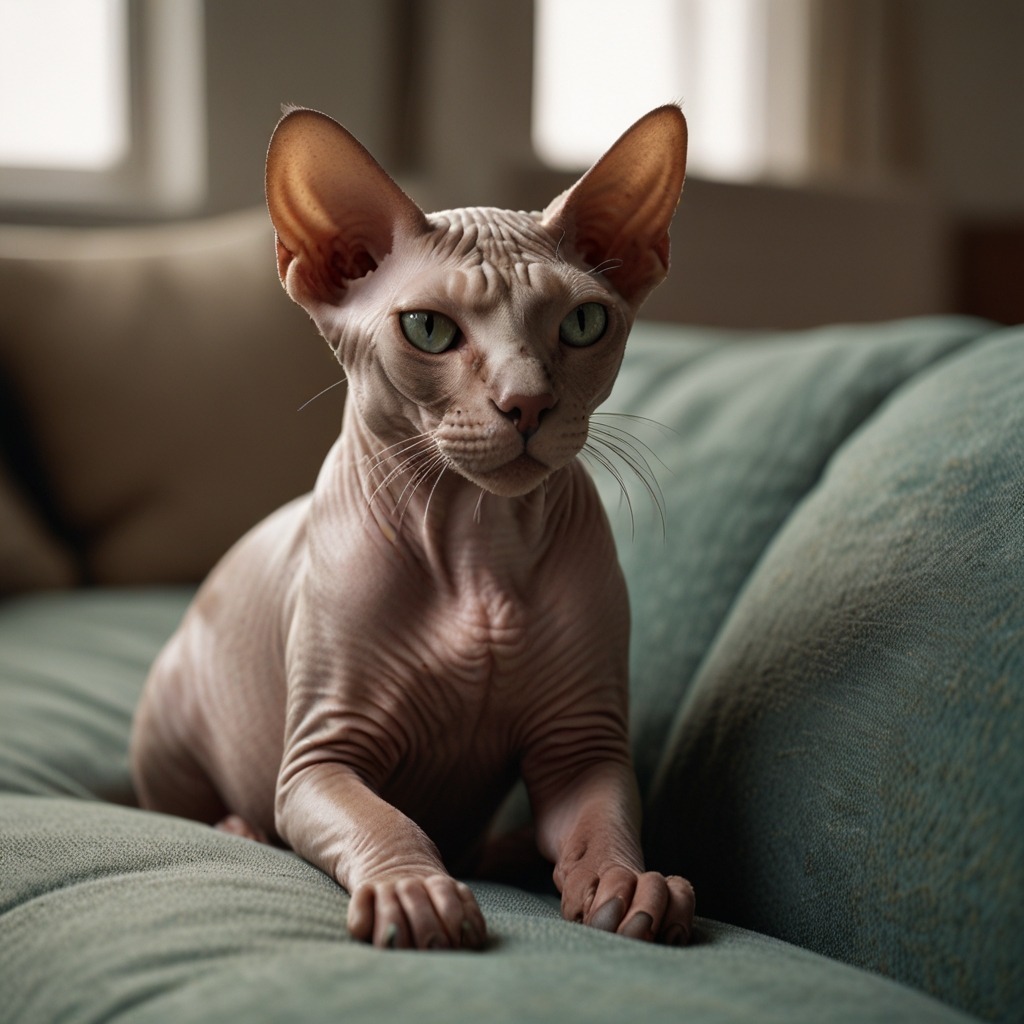
People assume hairless means allergen-free, and I wish that were true. I fostered a Sphynx named Yoda (yes, really) for three months, and while he didn't shed fur, he did produce a staggering amount of oily dander that stuck to my couch, my clothes, and my face. Sphynx cats need frequent baths because their skin gets greasy, and that oil contains Fel d 1. If I skipped a bath, the dander built up until I could literally feel it in the air. Also, Yoda liked to sleep directly on my pillow, leaving a warm, cat-shaped oil stain. I'd wake up with my eyelids puffy and my throat scratchy. So much for "hairless = hypoallergenic."
The Devon Rex experiment
A year later I tried a Devon Rex, which has a short, wavy coat and a reputation for being low-allergen. The coat did shed less, but the cat—named Pixel—was a velcro cat who wanted to be touching me constantly. His saliva allergy footprint, so to speak, was enormous. He'd groom himself, then immediately rub against my hand. The proteins from his spit were all over me within minutes. I learned that it's not just the dander; it's the saliva that gets on the fur that then flakes off as dander when it dries. A cat that grooms itself compulsively is a walking allergen factory, even if it's practically bald.
What I learnde about Fel d 1 and skin oils
Fel d 1 is produced in a cat's sebaceous glands (the oil glannds in the skin) and in their saliva. Hairless cats still have skin, so they still produce the allergen. In fact, because there's no fur to absorb the oil, it sits right on the skin and transfers to everything they touch. I found that bathing Yoda weekly with a gentle, vet-approved shampoo cut down my allergic reactions by about 60%. But that's a commitment—bathing a cat weekly isn't for the faint of heart, and Yoda screamed like I was torturing him every single time. Worth it? Some days yes, some days I wanted to move to a bubble. And don't even get me started on the ear wax situation. Sphynx ears produce more gunk than any cat I've ever seen.

The rescue mutt-cat nobody can categorize
Some of my easiest fosters have been regular domestic shorthairs with no pedigree whatsoever. I had a grey tabby named Soup who came from a hoarding situation, and despite her rough start, she produced so little dander that I could have sworn she was part Russian Blue. She wasn't; she was just a random mixed-breed cat who happened to have low allergen output. The problem is, you can't predict it. With mutt cats, you've to meet them and see how you react. But here's the thing: many mixed-breed cats in shelters are exactly the kind of cat that allergy sufferers are looking for—short-haired, moderate groomers, calm temperaments. And they're often free or low-cost. My advice? Go to a shelter and spend an hour in a visitation room with a few cats. Take an antihistamine beforehand so you can distinguish a mild reaction from a true disaster, but pay attention to your bofy. If you find a mutt cat that doesn't trigger you, you've hit the jackpot.
Grooming your cat like you're prepping for surgery — my borderline-obsessive routine
After years of trial and error (and many, many boxes of tissues), I developed a grooming routine that reduces dander to a level I can actually live with. It's not glamorous, and my neighbors definitely think I'm insane, but it works.
Brushing outside on the balcony in a hazmat suit (okay, an old hoodie)
I brush every cat, even the short-haired ones, at least three times a week. But I don't do it inside my apartment—I take the cat onto my balcony (enclosed, obviously, I'm not trying to launch a cat off a fifth-floor railing) and brush them out there, wearing a hoodie that I take off and shake out before I come back inside. This sends the loose fur and dander into the great outdoors instead of onto my couch. For cats that hate the outdoors, I'll brush them in the bathroom with the exhaust fan on and the door closed. It helps. I learned the hard way — you can read about the time I let a long-haired cat's armpit mat go and ended up at the emergency vet in this disaster of a post. Regulsr brushing not only prevents mats; it removes the loose dander-laden fur before it ends up in your lungs.
The wipe that actually helps
There are allergen-reducing wipes on the market, and I used to think they were a gimmick. But my vet, Dr. Nguyen, recommended a specific brand that contains a protein-neutralizing compound, and I've found that wiping a cat down daily—just a quick once-over with the wipe—can cut my allergic reaction by a noticeable amount. It's not a cure, but when combined with everything else, it makes a difference. The wipes remove saliva and dander from the coat before it can dry and flake off. I keep a container next to the couch and wipe the cats while we're watching TV. They've gotten used to it. Pixel would even purr; Yoda tried to eat the wipe. You win some, you lose some.
Weekly baths? I'm not that insane
I only bathe cats if they're hairless or if they've gotten into something disgusting. Frequent bathing can dry out a cat's skin and cause even more dander because the skin overproduces oil to compensate. I learned that from a vet tech who saw me giving my build Sphynx a bath with Dawn dish soap (don't do that, I was young and dumb). A gentle oatmeal shampoo once a week for a Sphynx or a cat with skin conditions, maybe. For a coated cat: once a month at most, and only if they're truly greasy. Otherwise, brushing and wiping are enough.
Litter dust is the devil when you're allergic
I spent years coughing every time I scooped the litter box, and I didn't realize until embarrassingly late that the clay litter I was using was flling my apartment with fine silica dust that irritated my already-angry respiratory system. Swapping to a low-dust, unscented litter made an immediate difference. I've written a whole post about the litter that finally ended my tracking-and-stench saga right here. The short version: avoid clay-based clumping litters if you've allergies. Go for something pellet-based or a natural grass-seed litter that doesn't pulverize into airborne particulate. Also, get a covered litter box with a charcoal filter. I hate cleaning it, but it keeps the dust contained. When I clean it, I wear a mask. Yes, I look like I'm about to perform surgery on a cat turd, but my lungs thank me.
The $300 air purifier that changed my breathing (and the $45 one that was junk)
I resisted buying an air purifier for years because I thought they were glorified fans. Then my allergist told me to try one with a true HEPA filter, and I caved. I bought a mid-range unit for about $300, put it in my bedroom, and within three days I was waking up without congestion. It pulls cat dander, dust, and pollen out of the air continuously. I now run one in the living room as well. The cheap $45 one I tried first? It was basically a noise generator with a mesh screen. Don't waste your time. Look for a CADR rating that's appropriate for your room size, and make sure it has a washable pre-filter so you're not buying replacement filters every month. The pre-filter catches the big fur, and the HEPA handles the microscopic stuff. big deal. (Oops, I said it. I don't care.)
Why apartment living makes allergies worse — and what you can do about ventilation
Small apartments trap allergens. There's no escaping the dander when your cat's airborne particles circulate through the same 500 square feet all day. I noticed my allergies were always worse in winter when the windows were shut. So I got creative about airflow.
The bathroom fan trick
This sounds stupid, but turning on the bathroom exhaust fan for 20 minutes after brushing the cat or cleaning the litter box actually pulls allergen-heavy air out of the apartment. I also run it while I'm scooping. It creates negative pressure that vents outside, helping clear the air. Is it a perfect solution? No. But it's cheap and it helps. My apartment's exhaust fan is weak, so I added a small window fan pointing outward in my living room, and I use it on low whenever the dander feels high. I look like a mad scientist, but I'm a mad scientist who can breathe.
Plants that help (and the one that nearly killed my cat)
Some houseplants are decent at improving air quality—spider plants, areca palms, and peace lilies (though peace lilies are toxic to cats, so I skip those). I've a spider plant hanging in my kitchen that I've managed not to kill for two years. It won't eliminate dander, but it helps with general indoor air nastiness. Just make sure any plant you bring in is cat-safe. I once nearly lost a build kitten to lily poisoning because I didn't realize those beautiful stargazer lilies I bought at the grocery store were deadly. One nibble, and he was at the emergency vet with IV fluids. That's a $900 mistake I'll never make again. Check the ASPCA's toxic plant list before you add any greenery.
The build cat who peed on evreything and made my allergies ten times worse
I need to talk about stress. When a cat is anxious — and apartment living can be stressful for some cats, especially if there's construction noise or they don't have enough vertical space — they can start overgrooming, peeing outside the box, or both. And guess what? Allergens increase when a cat is stressed because they produce more Fel d 1, or they spread more saliva around through obsessive grooming. I had a build named Jasper who peed on my bed, my laundry, and once directly on my laptop keyboard (that was a fun day). The constant cleaning and the stress I felt made my allergies flare like crazy. I wrote about the long, disgusting journey of getting him to stop in another post. The point is: managing your cat's environment to keep them calm isn't just good for them — it's good for your sinuses. More hiding spots, window perches, and a consistent routine can make a huge difference. A calm cat is often a less allergenic cat.
What finally worked for Miso — and why I stopped trying to be "cured"
Miso was the last cat I fostered before I stopped taking in new ones for a while. He was a big, goofy orange tabby with half a tail and a purr that vibrated the floor. And I was allergic to him. Not terribly—not urgent-care bad—but enough that I'd sneeze five times every morning and my throat would tickle. I spent the first three months doing everything: air purifiers, wipes, brushing outside, allergen sprays on the furniture. I even tried those expensive allergen-reducing cat foods that claim to neutralize Fel d 1 in the saliva. Miso ate it, and I think it helped a little, but I couuldn't afford the $60-a-bag price tag long-term. What actually made the difference? I stopped trying to eliminate the allergen completely. I accepted a baseline level of mild congestion and focused on making my life livable. I put allergen-proof covers on my pillows and mattress. I washed my bedding in hot water weekly. I kept Miso out of my bedroom at night (which broke my heart a little, but he got over it). And I took a daily non-drowsy antihistamine after breakfast. Not heroic. Not "cured." Just… livable.
The truth is, if you're allergic to cats and you live in a small apartment, you're probably never going to be 100% symptom-free. But you can find a cat—a specific cat, not just a breed—and build a routine around them that makes it work. Miso lived with me for eight months bfore he got adopted by a retired couple with a big sunroom, and I cried when he left. I'd do it all over again, even with the sneezing. Because sometimes the right cat is worth a little extra laundry and a lot of tissues.